 Vulnerable
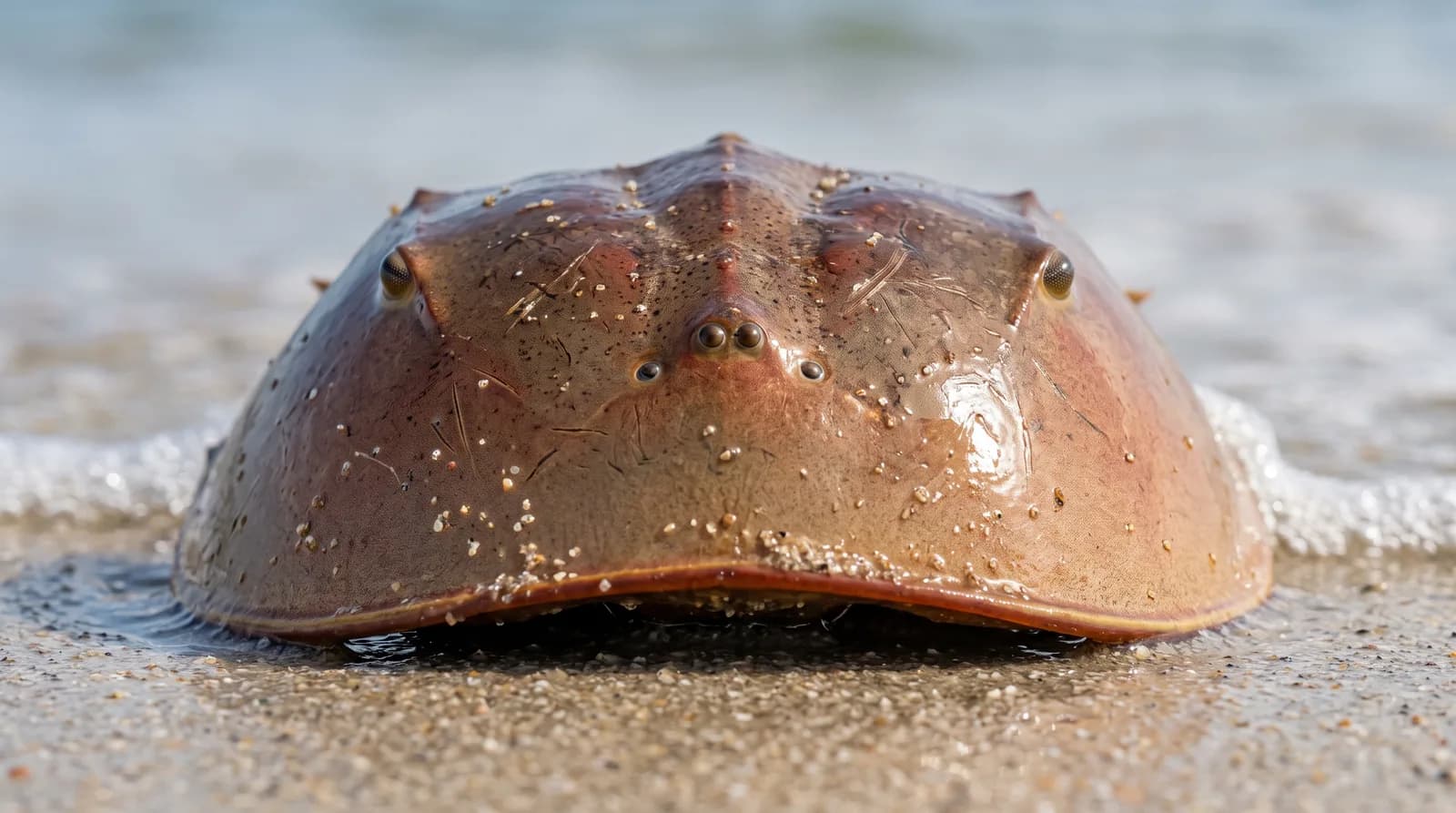
American Horseshoe Crab
Limulus polyphemus
One of the 6 clams on WAnimals
Bivalves · Venerida · Mactridae
Spisula solidissima
It has not yet been assessed against the IUCN criteria.
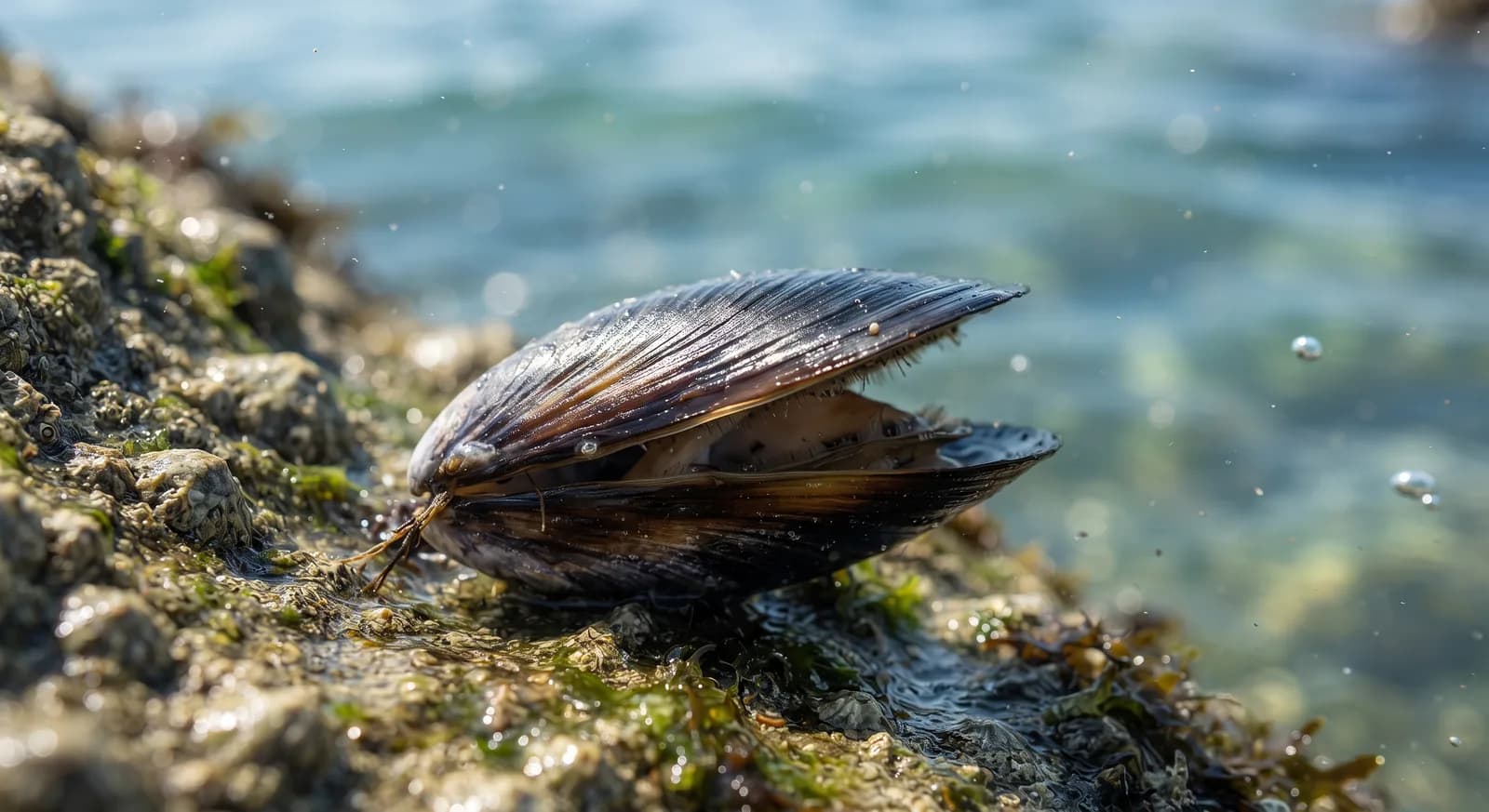
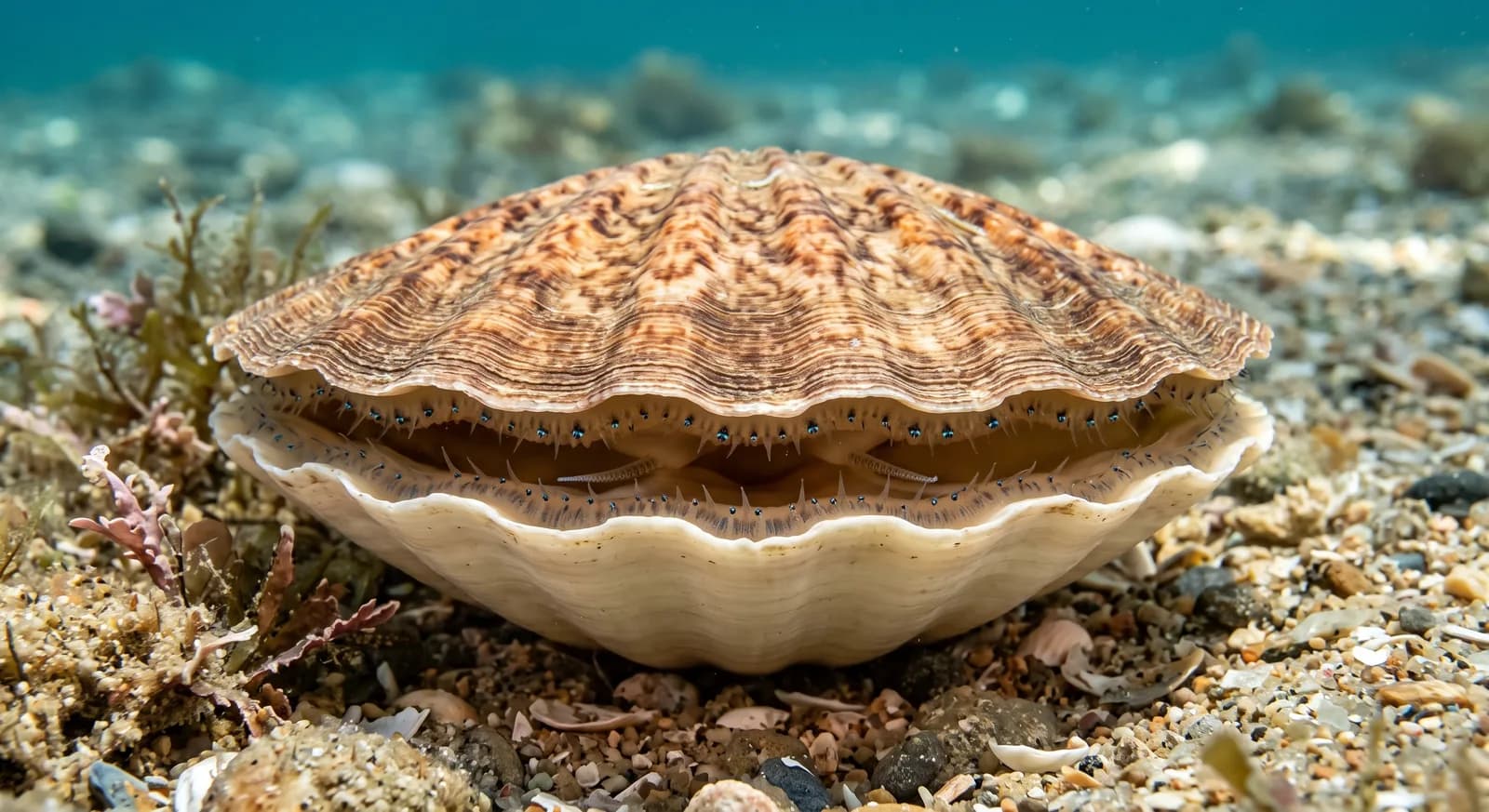
The largest bivalve on the Atlantic coast of North America, with shells exceeding 20 cm. It lives in shallow water on wave-swept sandy bottoms and filters phytoplankton. It supports one of the most valuable shellfish fisheries in the United States, worked with hydraulic dredges.
Size
10 cm – 22 cm
Life expectancy
30 years
Diet
Omnivore
Combines animal and plant food depending on availability.
Social structure
Solitary
Lives and hunts alone, joining others only to breed.
Sighting difficulty
Unknown
Sources consulted: Dillwyn (1817); NOAA Fisheries; Weinberg et al; ScienceDirect (Hughes 1989); Science Advances, How colonial animals evolve; Wikipedia, Zooid
The pins mark the parks and dive sites where its presence is documented.
Parks and dive sites where this species has been documented — showing 17 of 21.
Other species in the catalogue with the most in common with Atlantic Surf Clam — same habitat, park, country, tags or family.
Based on what we already know about atlantic surf clam.
Share an experience, a fun fact or a tip for seeing the atlantic surf clam.
Be the first to comment.