Skip to content
WAnimals
  • Map
  • Species
  • Parks
  • Diving
Log inCreate account
WAnimals

The guide for travellers and animal lovers: discover, plan and share your wild adventures around the world.

Discover wildlife

  • Species
  • Ecosystems
  • Glossary
  • Tags

Explore places

  • Map
  • Countries
  • Parks
  • Diving

Plan experiences

  • Guides

Learn

  • Blog

Resources

  • Help centre
  • Contact
  • Install the app

Follow us

Account

  • Log in
  • Create account

© 2026 WAnimals. All rights reserved.

About usHow we build our profilesTerms of servicePrivacyLegal notice
MapSpeciesParksDiving
  1. Home
  2. Species
  3. Great Scallop
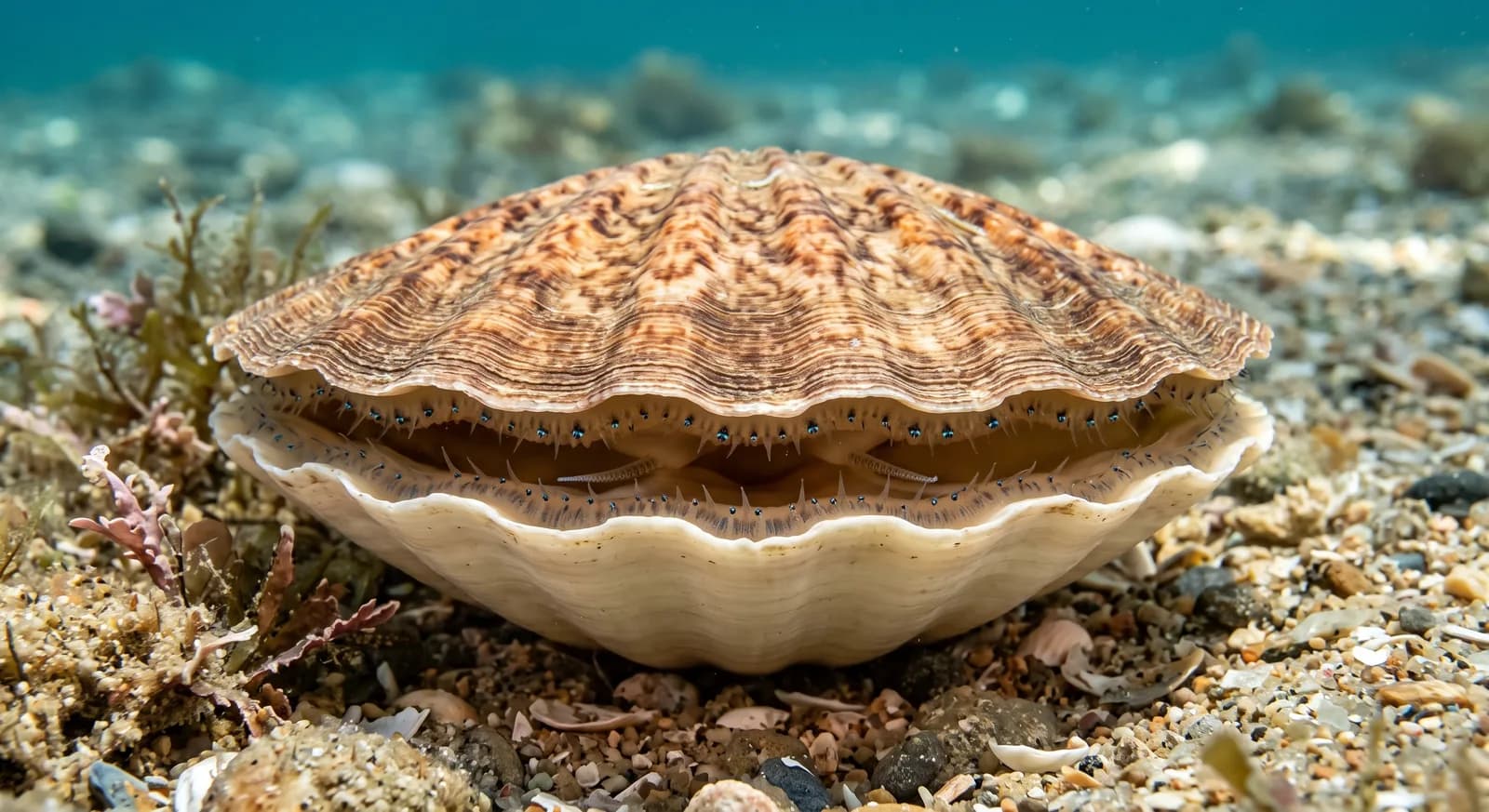
Great Scallop (Pecten maximus)

Bivalves · Pectinida · Pectinidae

Great Scallop

Pecten maximus

Not Evaluated

It has not yet been assessed against the IUCN criteria.

Spotted something wrong?

It is a simultaneous hermaphrodite: it has a single gonad with a male and a female portion of similar size. It can swim actively through the water by rapidly clapping its shells together.

Weight

up to 600 g

Size

up to 21 cm

Life expectancy

15 years
Diet

Omnivore

Combines animal and plant food depending on availability.

Activity

Irregular activity

Active at irregular times, by day or night depending on circumstances.

Social structure

Solitary

Lives and hunts alone, joining others only to breed.

Sighting difficulty

Unknown

Ocean
19countries22parks37dive sites1same family

AI-generated images: illustrations, not photographs.

Fun facts

  • It is a simultaneous hermaphrodite, with a single gonad that is part male and part female at once.
  • It can "jump" by clapping its shells together to expel water and escape a predator.
  • A three-year-old scallop can release as many as 21 million eggs in a single spawning.

Life cycle and biology

Skeleton type
Invertebrate - external calcareous bivalve shell
Habitat and environment
Sandy and gravel bottoms of the north-eastern Atlantic and the Mediterranean, between 0 and 125 m deep
Birth weight
A microscopic egg; a trochophore larva after external fertilisation
Size at birth
A microscopic planktonic larva that turns into a veliger (a miniature clam) after several weeks
Sexual maturity
2-3 years, on reaching 80-90 mm of shell length
Gestation / incubation
No gestation; over a month as a planktonic larva after external fertilisation
Litter / clutch size
Up to 15-21 million eggs released by a 3-year-old female at each spawning

Sources consulted: SeaLifeBase; MarLIN (biology and sensitivity review); ScienceDirect Topics; Animalia.bio; The Wildlife Trusts; Institute of Marine Research (Norway); Aquarium La Rochelle; Grokipedia (Pecten maximus)

Where to find it

Best time: All year round on sand and gravel bottoms of the north-eastern Atlantic, between 10 and 100 m deep; spawning is concentrated in spring and summer.

Loading map…

Where to see it

Parks and dive sites where this species has been documented — showing 20 of 59.

Related species

Other species in the catalogue with the most in common with Great Scallop — same habitat, park, country, tags or family.

Same taxonomic family
Shares a park
Shares a park
Shares a park
Shares a park
Shares a park

Keep exploring

Based on what we already know about great scallop.

Comments

Share an experience, a fun fact or a tip for seeing the great scallop.

Be the first to comment.

See full glossary
This page in other languages: Español · Deutsch · Français · Português · Italiano

The pins mark the parks and dive sites where its presence is documented.

See its range on the interactive map→
Doñana National ParkSpain
Gros MorneCanada
Pembrokeshire CoastUnited Kingdom
NorthumberlandUnited Kingdom
Cíes IslandsSpain
Ria FormosaPortugal
KosterhavetSweden
Terra NovaCanada
Fragas do EumeSpain
UrdaibaiSpain
Scapa FlowUnited Kingdom
Medes IslandsSpain
Cap de CreusSpain
Calanques of MarseilleFrance
Scandola Reserve (Corsica)France
Farne IslandsUnited Kingdom
Lofoten (orcas)Norway
SaltstraumenNorway
Columbretes IslandsSpain
Formentera (Es Freus)Spain
See all 22 parks
See all 37 dive sites
Not Evaluated

Variegated Scallop

Mimachlamys varia

Humpback WhaleLeast Concern

Humpback Whale

Megaptera novaeangliae

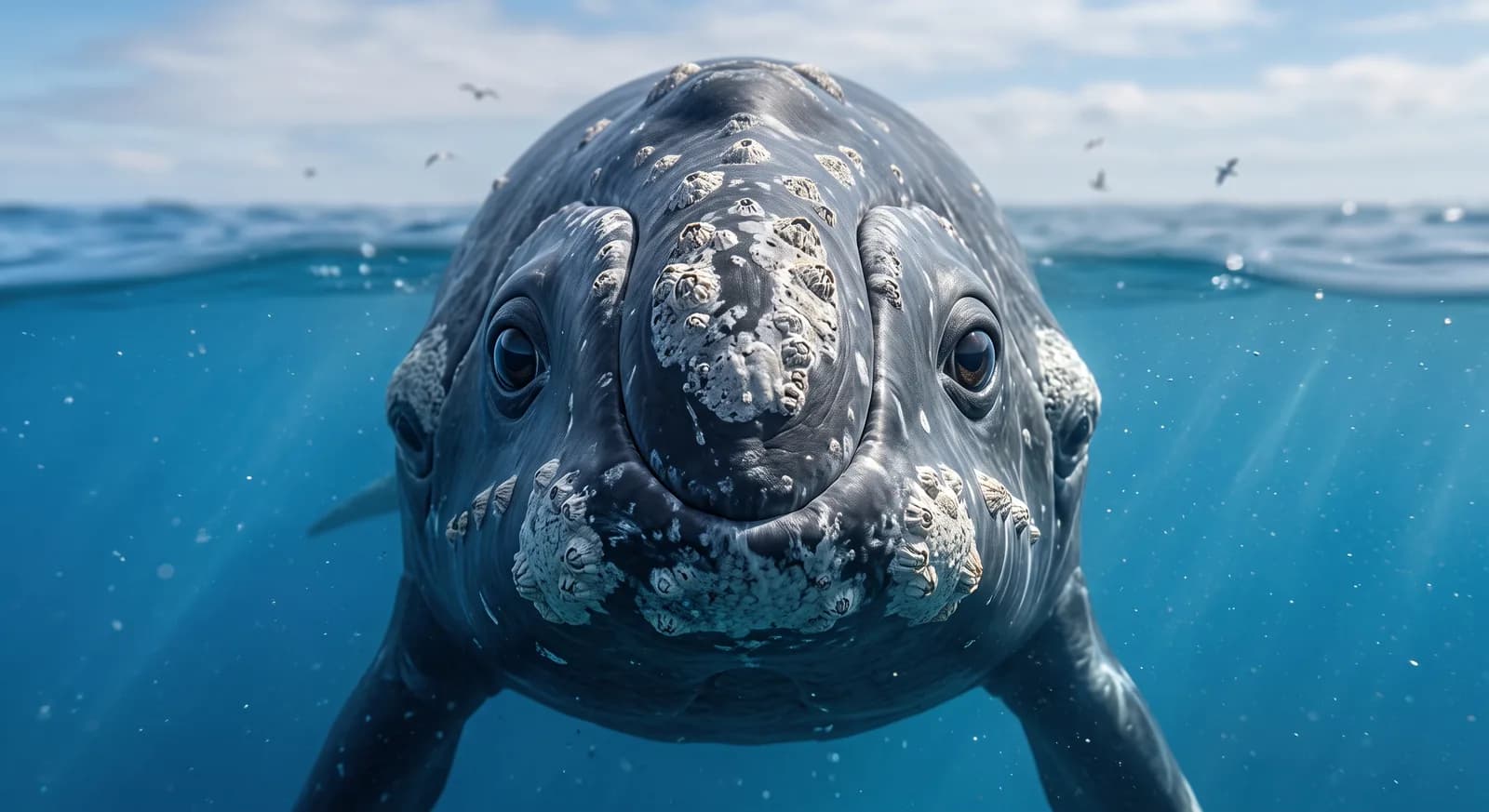
North Atlantic Right WhaleEndangered

North Atlantic Right Whale

Eubalaena glacialis

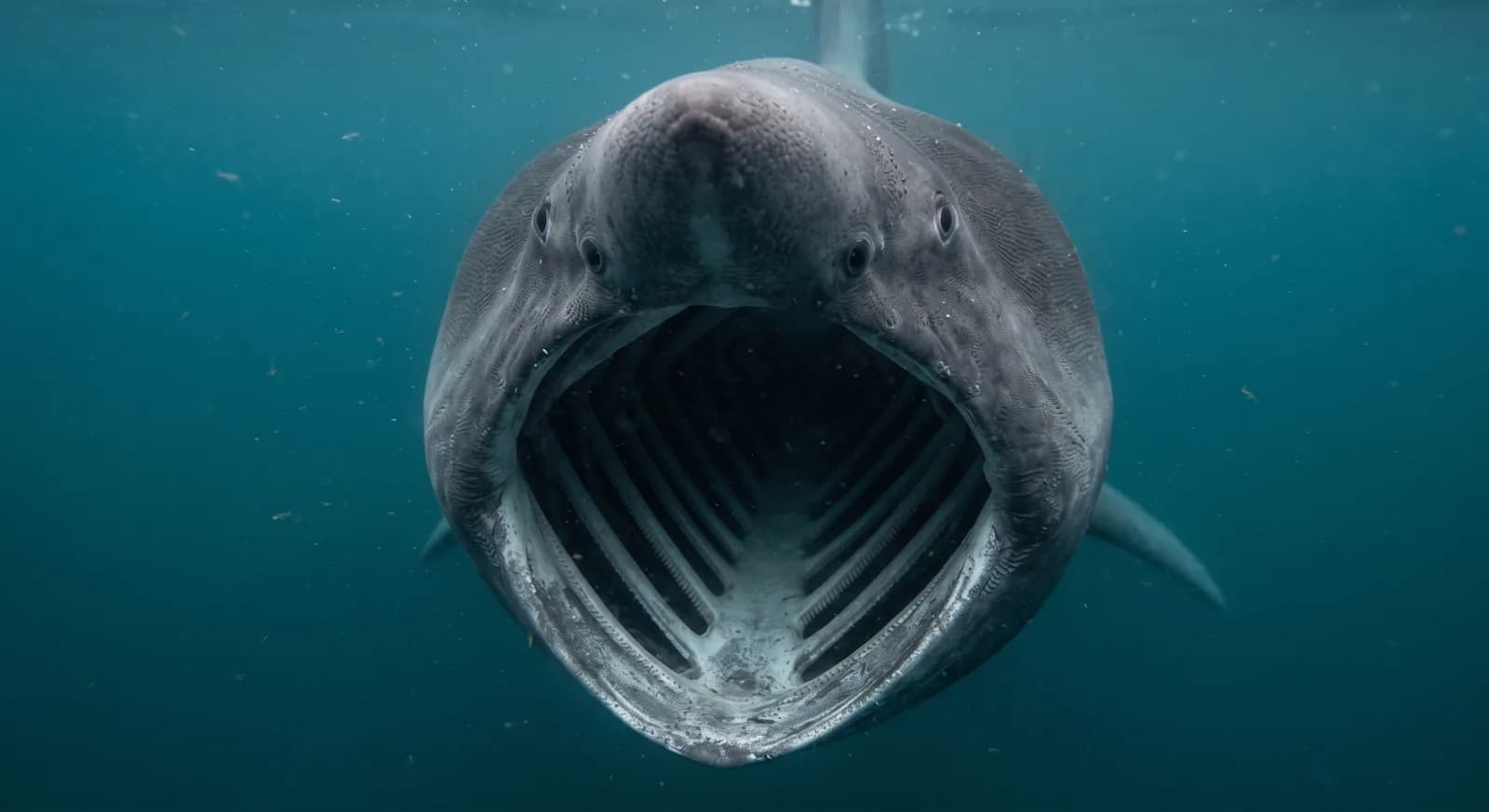
Basking SharkEndangered

Basking Shark

Cetorhinus maximus

Not Evaluated

Sand Gaper

Mya arenaria

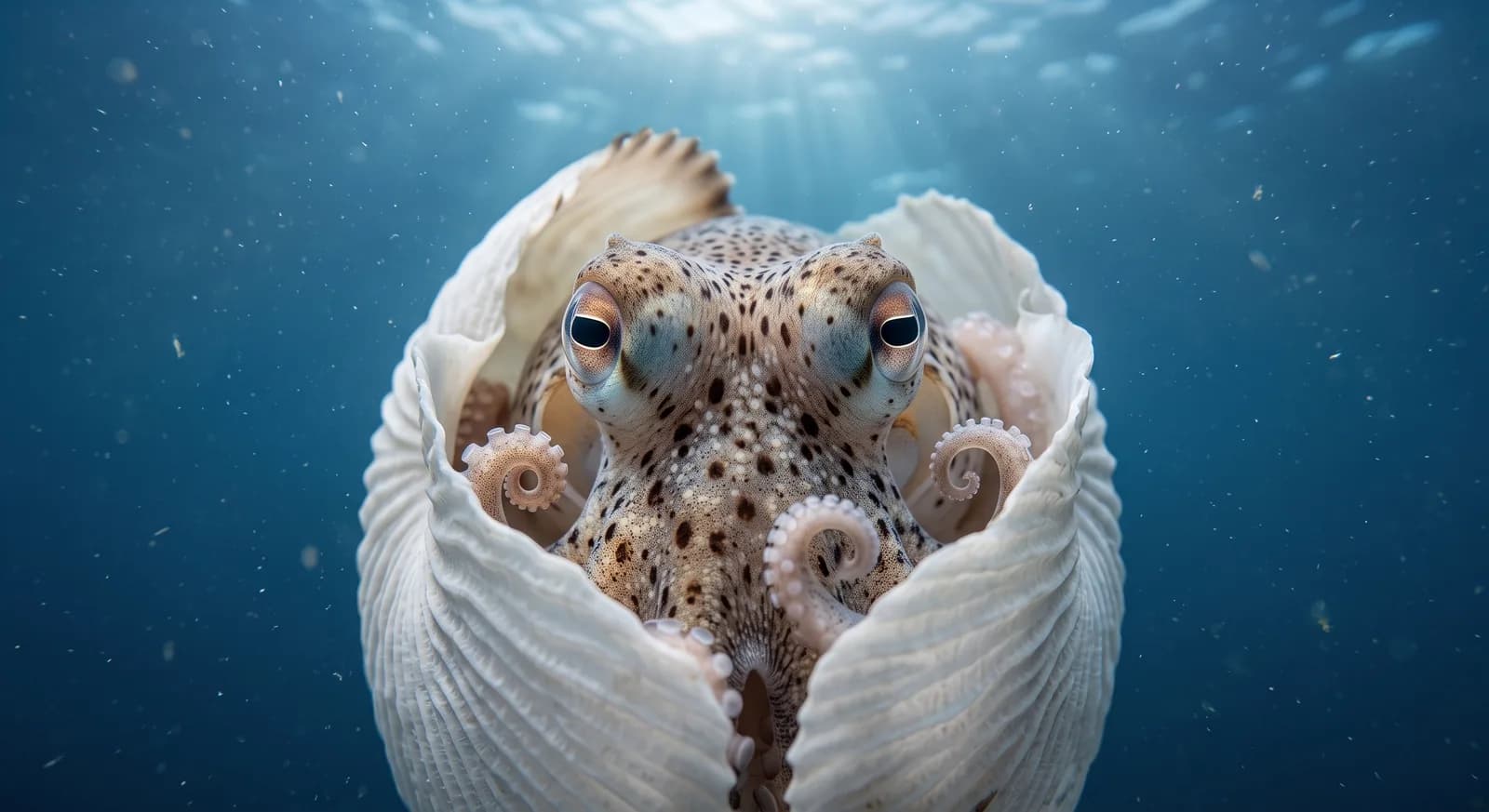
Greater ArgonautLeast Concern

Greater Argonaut

Argonauta argo

CountriesSpain
ParksDoñana National ParkSpain
TagsOmnivore
Omnivore
Variable activity
Solitary
Ocean
Mollusc

Europe15

North America3

Africa1

Spain
United Kingdom
Portugal
Canada
France
Ireland
Belgium
Denmark
Estonia
France
Iceland
Ireland
Latvia
Lithuania
Netherlands
Norway
Poland
Portugal
Spain
Sweden
United Kingdom
Canada
Greenland
United States
Morocco