Skip to content
WAnimals
  • Map
  • Species
  • Parks
  • Diving
Log inCreate account
WAnimals

The guide for travellers and animal lovers: discover, plan and share your wild adventures around the world.

Discover wildlife

  • Species
  • Ecosystems
  • Glossary
  • Tags

Explore places

  • Map
  • Countries
  • Parks
  • Diving

Plan experiences

  • Guides

Learn

  • Blog

Resources

  • About us
  • How we build our profiles
  • Help centre
  • Contact
  • Install the app

Follow us

Account

  • Log in
  • Create account

© 2026 WAnimals. All rights reserved.

Terms of servicePrivacyCookiesLegal notice
MapSpeciesParksDiving
  1. Home
  2. Species
  3. Sand Gaper

One of the 6 clams on WAnimals

Bivalves · Myida · Myidae

Sand Gaper

Mya arenaria

Not Evaluated

It has not yet been assessed against the IUCN criteria.

Spotted something wrong?

A large clam that lives buried up to 30 cm deep in intertidal sands and muds, connected to the surface by a long, leathery siphon it cannot fully withdraw into its shell. It feeds by filtering phytoplankton and suspended organic particles. It is a shellfish of enormous commercial importance in North America and northern Europe.

Size

5 cm – 15 cm

Life expectancy

12 years

Diet

Omnivore

Combines animal and plant food depending on availability.

Social structure

Solitary

Lives and hunts alone, joining others only to breed.

Ocean
24countries39parks26dive sites

Fun facts

  • Archaeological shell remains in Denmark dated to the thirteenth century indicate that it reached Europe from America several centuries before Columbus's voyages.
  • Its siphon is so long that it does not fit inside the shell, a trait that gives its family its name (Myidae).
  • Its history is a transatlantic round trip. It is native to the North Atlantic and North Pacific, died out in Europe during the glaciations and reappeared there in the thirteenth century, probably brought by the Vikings; the modern reintroduction came with nineteenth-century shipping.
  • In European estuaries it is one of the few invaders to have reached permanent dominance and held it without fluctuation.
  • It lives buried far deeper than most clams, which is why its siphon is disproportionately long.
  • It is an important fishery resource in North America, where it is eaten mostly fried or steamed.

Life cycle and biology

Skeleton type
Invertebrate - external calcareous bivalve shell (mollusc)
Habitat and environment
Intertidal sand and mud bottoms of estuaries and bays
Sexual maturity
1-2 years

Sources consulted: Linneo (1758) · Strasser (1999) · Petersen et al. (1992)

Where to find it

Loading map…

Where to see it

Parks and dive sites where this species has been documented — showing 20 of 65.

Related species

Other species in the catalogue with the most in common with Sand Gaper — same habitat, park, country, tags or family.

Shares a park
Shares a park
Shares a park
Shares a park
Shares a park
Shares a park

Keep exploring

Based on what we already know about sand gaper.

Share an experience, a fun fact or a tip for seeing the sand gaper.
See full glossary
This page in other languages: Español · Deutsch · Français · Português · Italiano

The pins mark the parks and dive sites where its presence is documented.
See its range on the interactive map→
AcadiaUnited States
OlympicUnited States
Gros MorneCanada
FundyCanada
Pacific RimCanada
Wadden Sea National ParkDenmark
Wadden SeaGermany
Pembrokeshire CoastUnited Kingdom
NorthumberlandUnited Kingdom
Cíes IslandsSpain
Scapa FlowUnited Kingdom
Farne IslandsUnited Kingdom
Lofoten (orcas)Norway
SaltstraumenNorway
Berlengas IslandsPortugal
St AbbsUnited Kingdom
Malin HeadIreland
Block Island (Mohawk wreck)United States
Strýtan (hydrothermal chimney)Iceland
Andrea DoriaUnited States
See all 39 parks
See all 26 dive sites
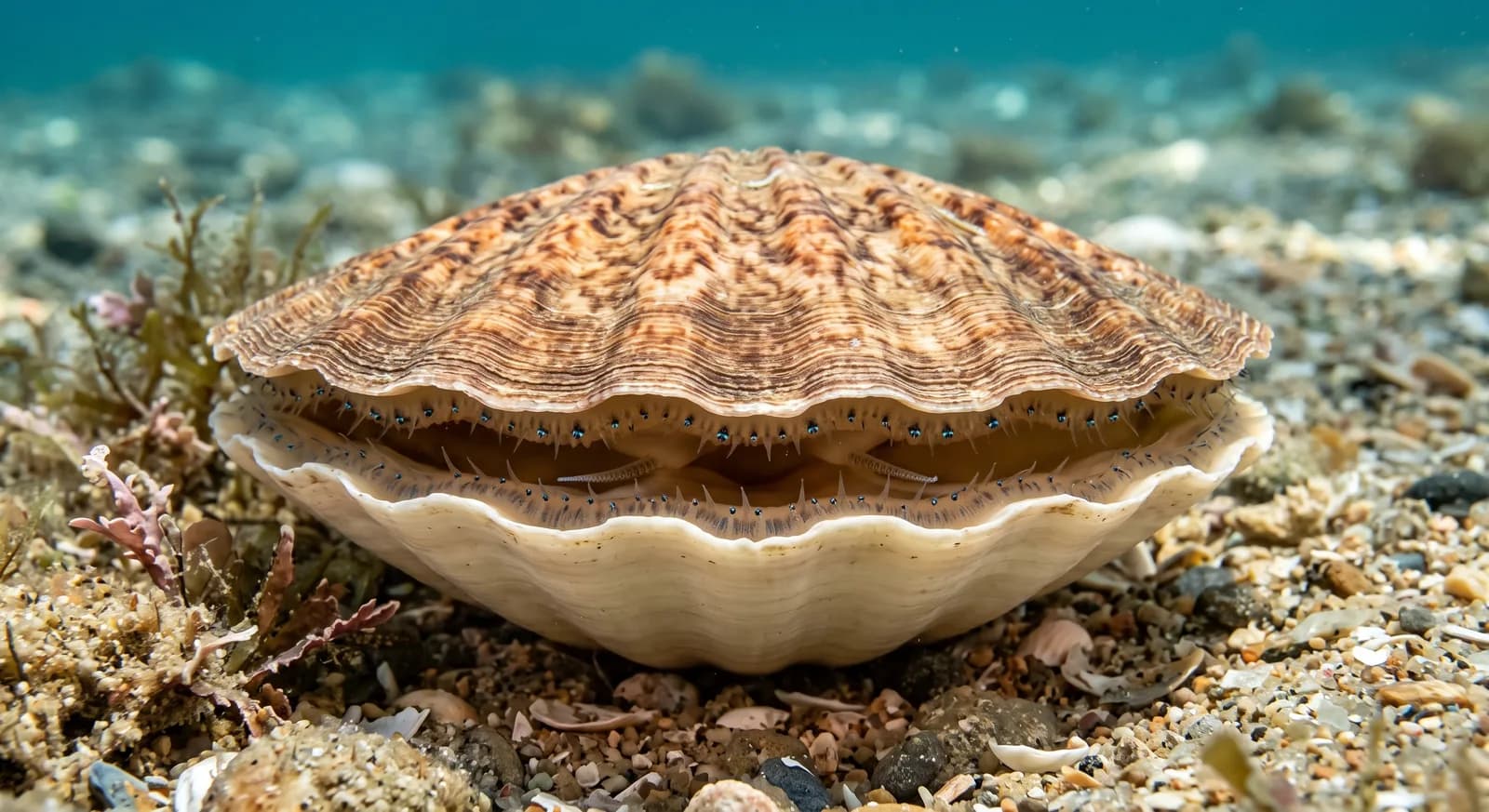
Great ScallopNot Evaluated

Great Scallop

Pecten maximus

Not Evaluated

Northern Nutclam

Nuculana pernula

Not Evaluated

Old Cardita

Cardites antiquatus

Ocean SunfishVulnerable

Ocean Sunfish

Mola mola

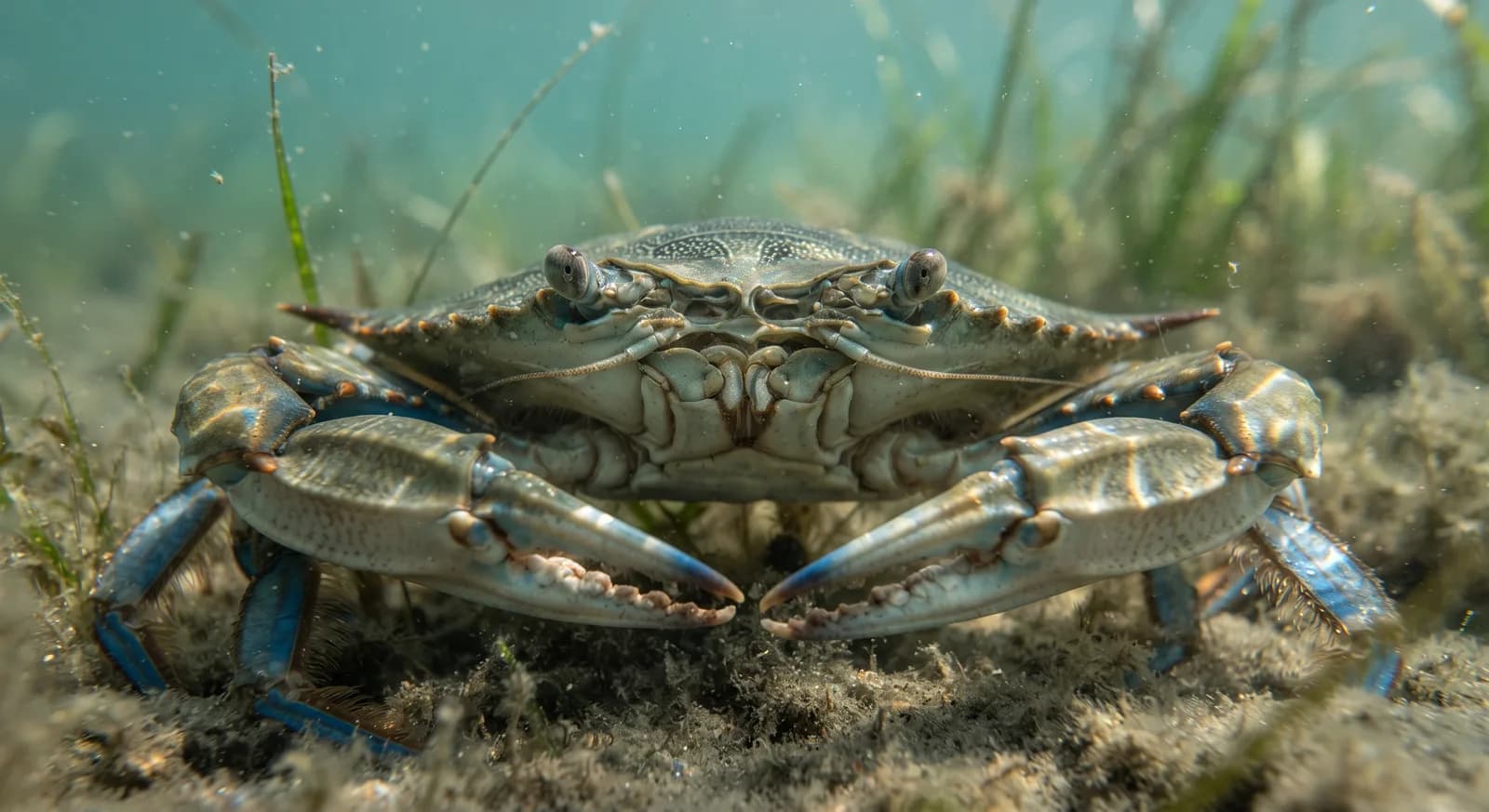
Blue CrabNot Evaluated

Blue Crab

Callinectes sapidus

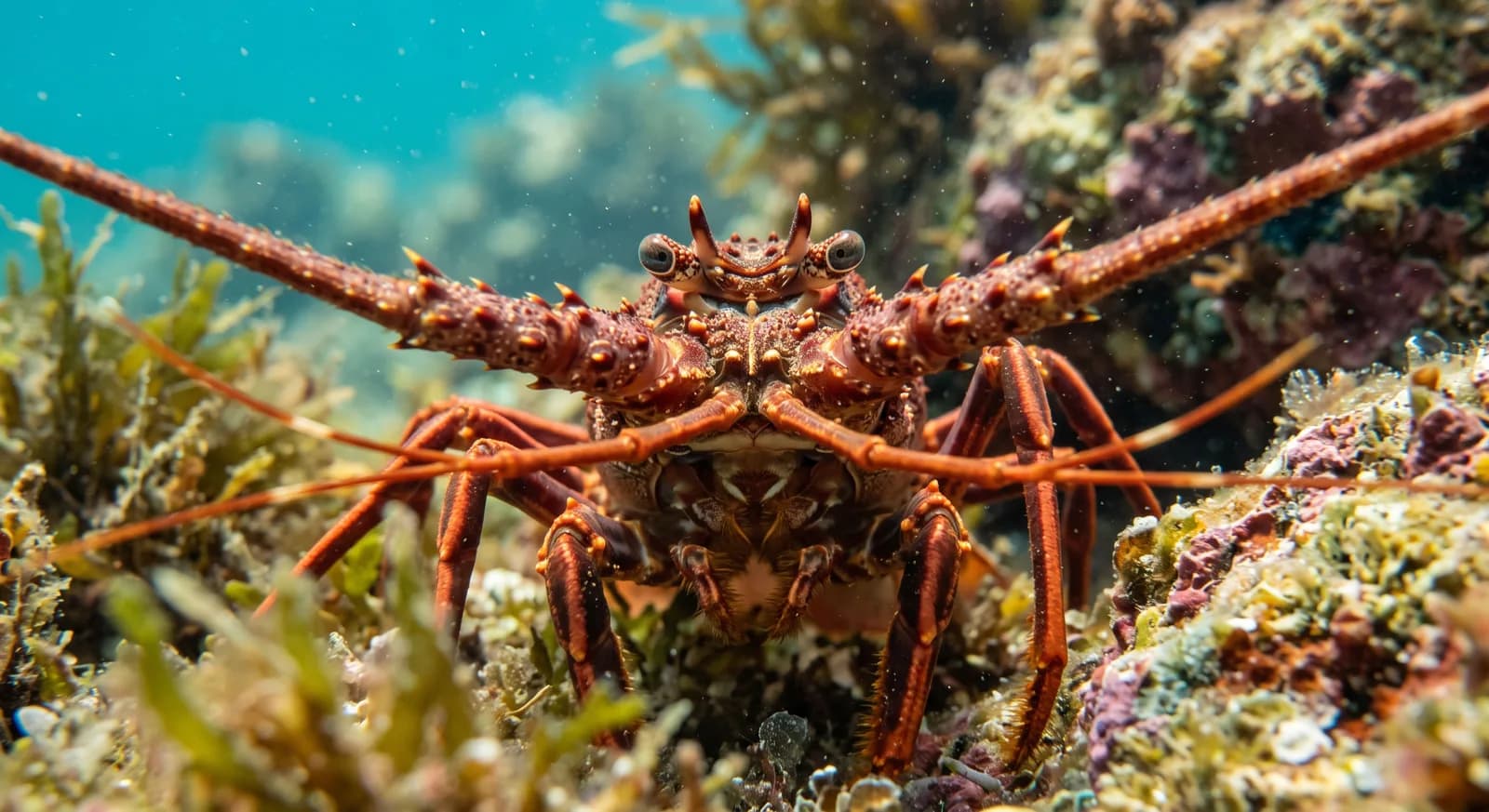
Common Spiny LobsterVulnerable

Common Spiny Lobster

Palinurus elephas

CountriesCanada
ParksAcadiaUnited States
TagsOmnivore
Omnivore
Solitary
Ocean
Mollusc

Europe17

Asia3

North America3

Africa1

Canada
United Kingdom
Portugal
United States
Germany
Ireland
Belgium
Denmark
Estonia
Finland
France
Germany
Iceland
Ireland
Latvia
Lithuania
Netherlands
Norway
Poland
Portugal
Spain
Sweden
United Kingdom
Japan
Russia
South Korea
Canada
Greenland
United States
Morocco