Skip to content
WAnimals
  • Map
  • Species
  • Parks
  • Diving
Log inCreate account
WAnimals

The guide for travellers and animal lovers: discover, plan and share your wild adventures around the world.

Discover wildlife

  • Species
  • Ecosystems
  • Glossary
  • Tags

Explore places

  • Map
  • Countries
  • Parks
  • Diving

Plan experiences

  • Guides

Learn

  • Blog

Resources

  • About us
  • How we build our profiles
  • Help centre
  • Contact
  • Install the app

Follow us

Account

  • Log in
  • Create account

© 2026 WAnimals. All rights reserved.

Terms of servicePrivacyCookiesLegal notice
MapSpeciesParksDiving
  1. Home
  2. Species
  3. Blue Crab

One of the 22 crabs on WAnimals
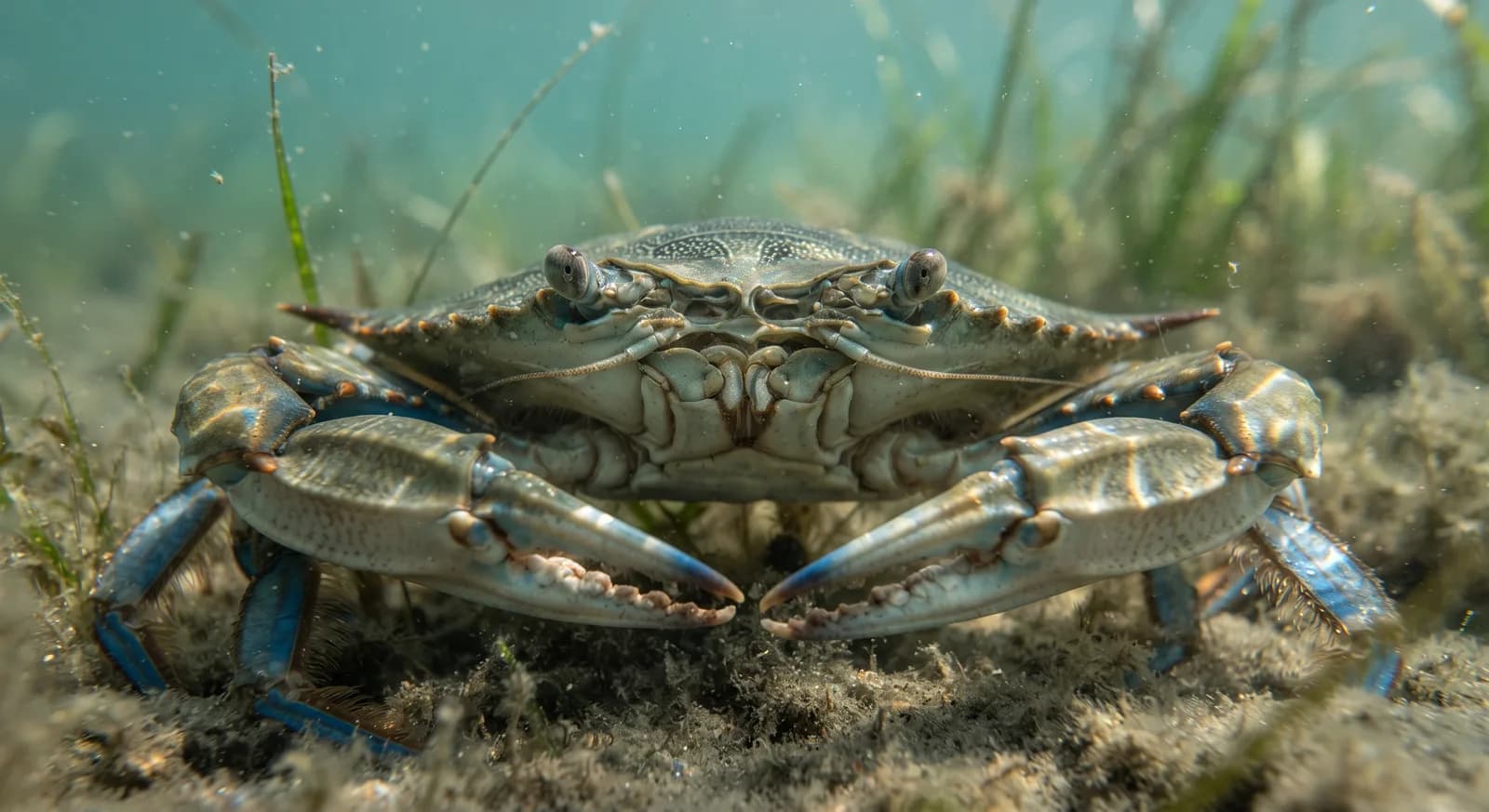
Blue Crab (Callinectes sapidus)

Malacostracans · Decapoda · Portunidae

Blue Crab

Callinectes sapidus

Not Evaluated

It has not yet been assessed against the IUCN criteria.

Spotted something wrong?

The blue crab of the American Atlantic has a broad carapace ending in two long lateral spines and hind legs turned into paddles that let it swim with ease. It is a voracious predator and scavenger of estuaries, and the mainstay of one of the most emblematic fisheries of Chesapeake Bay. Introduced into the Mediterranean, it has become invasive.

Size

12 cm – 23 cm

Life expectancy

3 years

Diet

Omnivore

Combines animal and plant food depending on availability.
Activity

Diurnal

Active mainly during the day.

Social structure

Solitary

Lives and hunts alone, joining others only to breed.

Ocean
50countries28parks150dive sites2same family

AI-generated images: illustrations, not photographs.

Fun facts

  • anatomíaIts last pair of legs is flattened into paddles, shaped specifically for active swimming in coastal waters and estuaries.
  • The famous soft-shell crab is not a different species: it is a blue crab caught in the hours after moulting, when its shell is still soft and it is eaten whole.
  • Females mate only once in their lives, right after the pubertal moult, and store the sperm to fertilise several later clutches.
  • Its scientific name means beautiful, savoury swimmer.
  • Its scientific name literally means beautiful, savoury swimmer, and it is a rare case of a Latin name describing both its form and its gastronomic value.
  • It sustains one of the most emblematic fisheries in the United States, that of Chesapeake Bay, with enormous cultural and economic weight in Maryland and Virginia.
  • That is where the soft-shell crab comes from: the crab is caught just before it moults, kept under watch, and collected in the hours when its new shell is still soft, to be eaten whole.
  • Its last pair of legs is flattened into paddles, and it is a fast, agile swimmer, unlike most bottom-dwelling crabs.
  • It has become an invader in the Mediterranean and the Black Sea, where it arrived in ballast water. In Spain it is established in the Ebro Delta and in several coastal lagoons, and its spread causes concern for its impact on local fauna and on fishing gear.
  • The female mates only once in her life, right after her maturity moult, and stores the sperm for all her broods.

Life cycle and biology

Skeleton type
Invertebrate - chitin exoskeleton (crustacean)
Habitat and environment
Estuaries, bays and soft-bottom coasts of the western Atlantic
Sexual maturity
1-1.5 years
Litter / clutch size
From 2 to 8 million eggs per spawning

Sources consulted: Wikipedia (es): Callinectes sapidus

Where to find it

Loading map…

Where to see it

Parks and dive sites where this species has been documented — showing 20 of 178.

Related species

Other species in the catalogue with the most in common with Blue Crab — same habitat, park, country, tags or family.

Same taxonomic family
Shares a park
Shares a park
Shares a park
Shares a park

Keep exploring

Based on what we already know about blue crab.

Share an experience, a fun fact or a tip for seeing the blue crab.
See full glossary
This page in other languages: Español · Deutsch · Français · Português · Italiano

The pins mark the parks and dive sites where its presence is documented.

See its range on the interactive map→
Doñana National ParkSpain
EvergladesUnited States
AcadiaUnited States
FundyCanada
Sian Ka'anMexico
Ciénaga de ZapataCuba
JaraguaDominican Republic
TayronaColombia
IchkeulTunisia
CongareeUnited States
Great Blue HoleBelize
Half Moon Caye WallBelize
Turneffe AtollBelize
Palancar ReefMexico
Isla Mujeres (whale shark)Mexico
Bloody Bay WallCayman Islands
USS Kittiwake wreckCayman Islands
Stingray CityCayman Islands
Tiger BeachBahamas
Jardines de la ReinaCuba
See all 28 parks
See all 150 dive sites
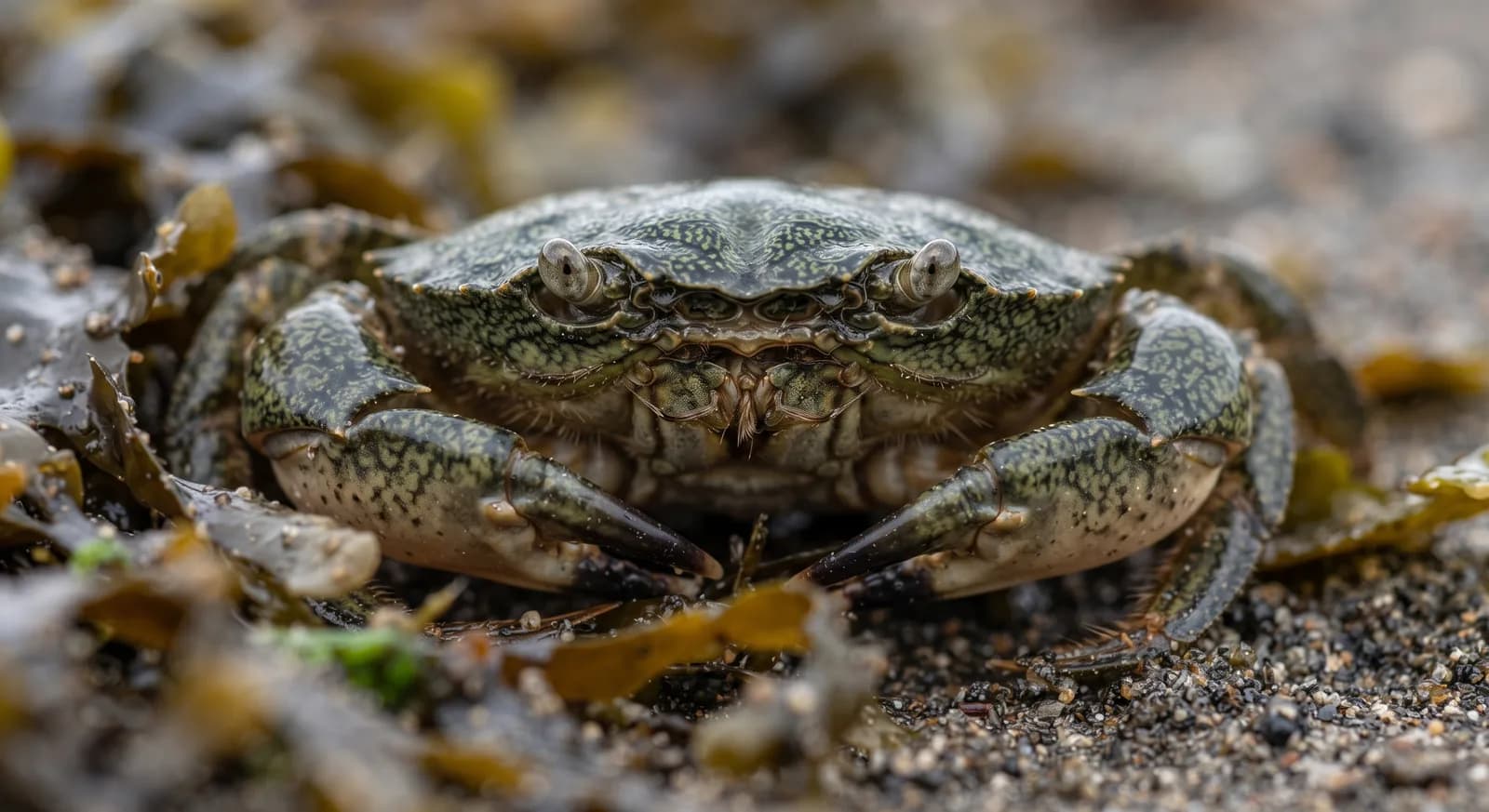
Velvet Swimming CrabNot Evaluated

Velvet Swimming Crab

Necora puber

Green CrabLeast Concern

Green Crab

Carcinus maenas

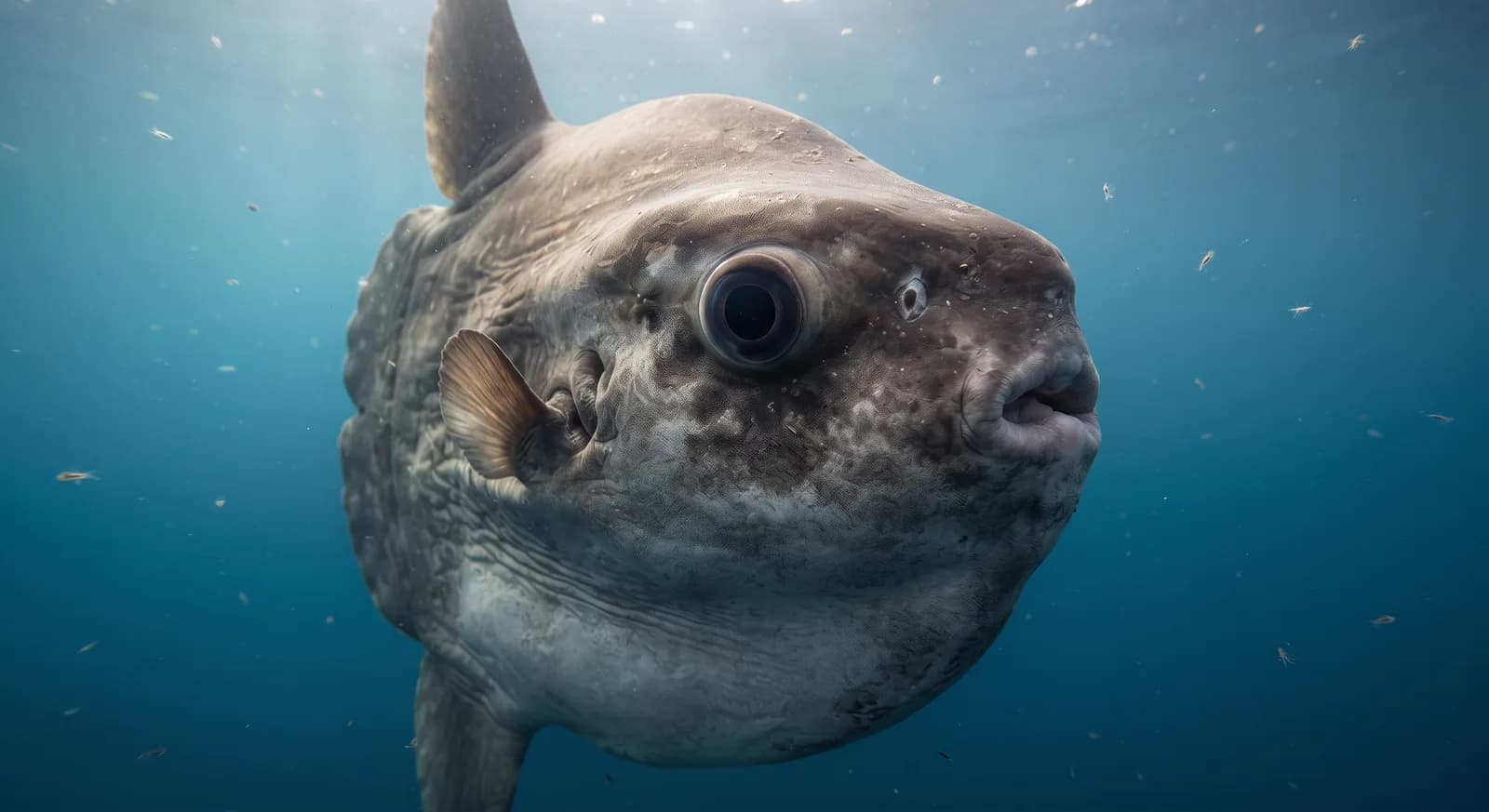
Ocean SunfishVulnerable

Ocean Sunfish

Mola mola

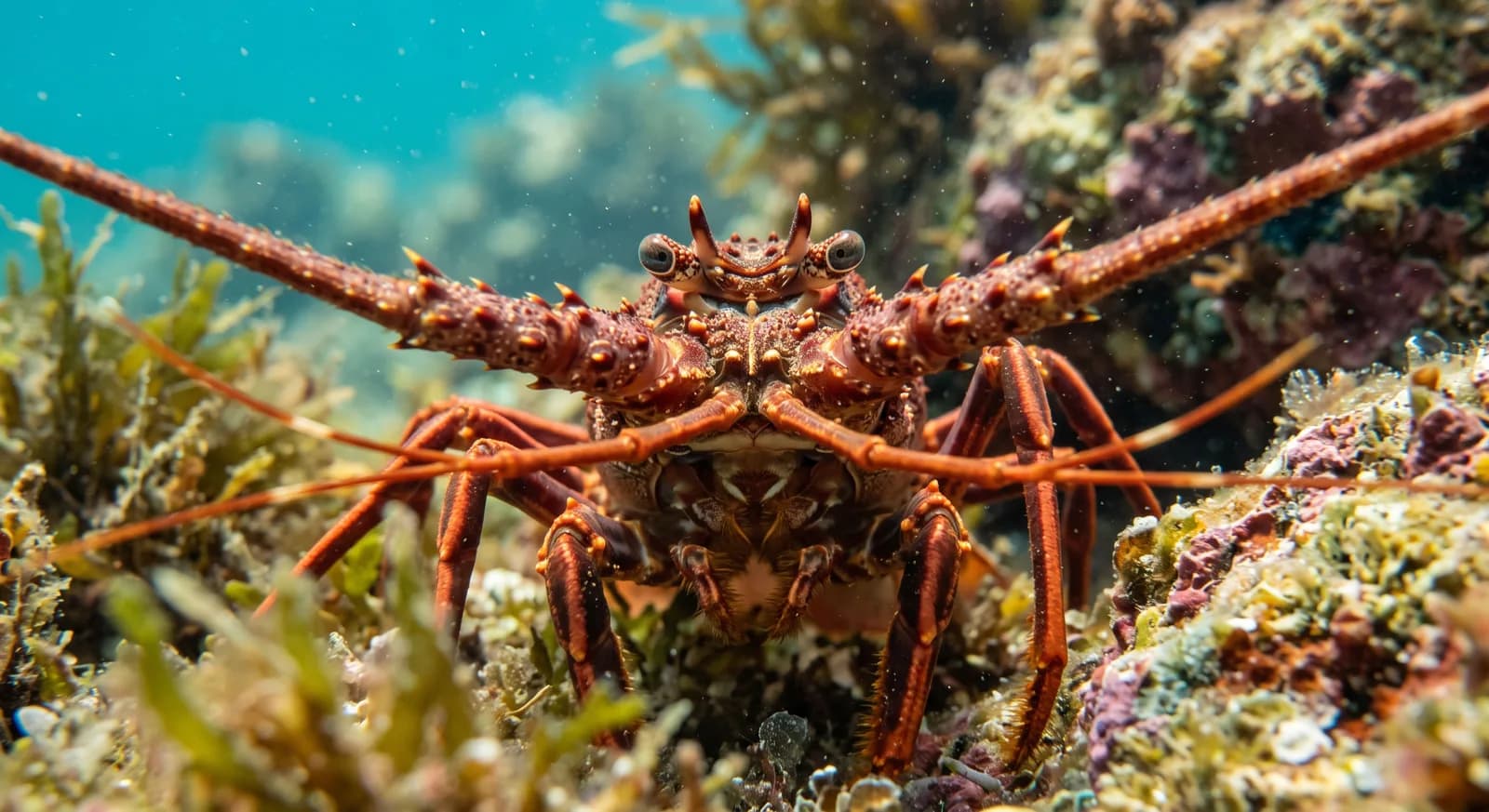
Common Spiny LobsterVulnerable

Common Spiny Lobster

Palinurus elephas

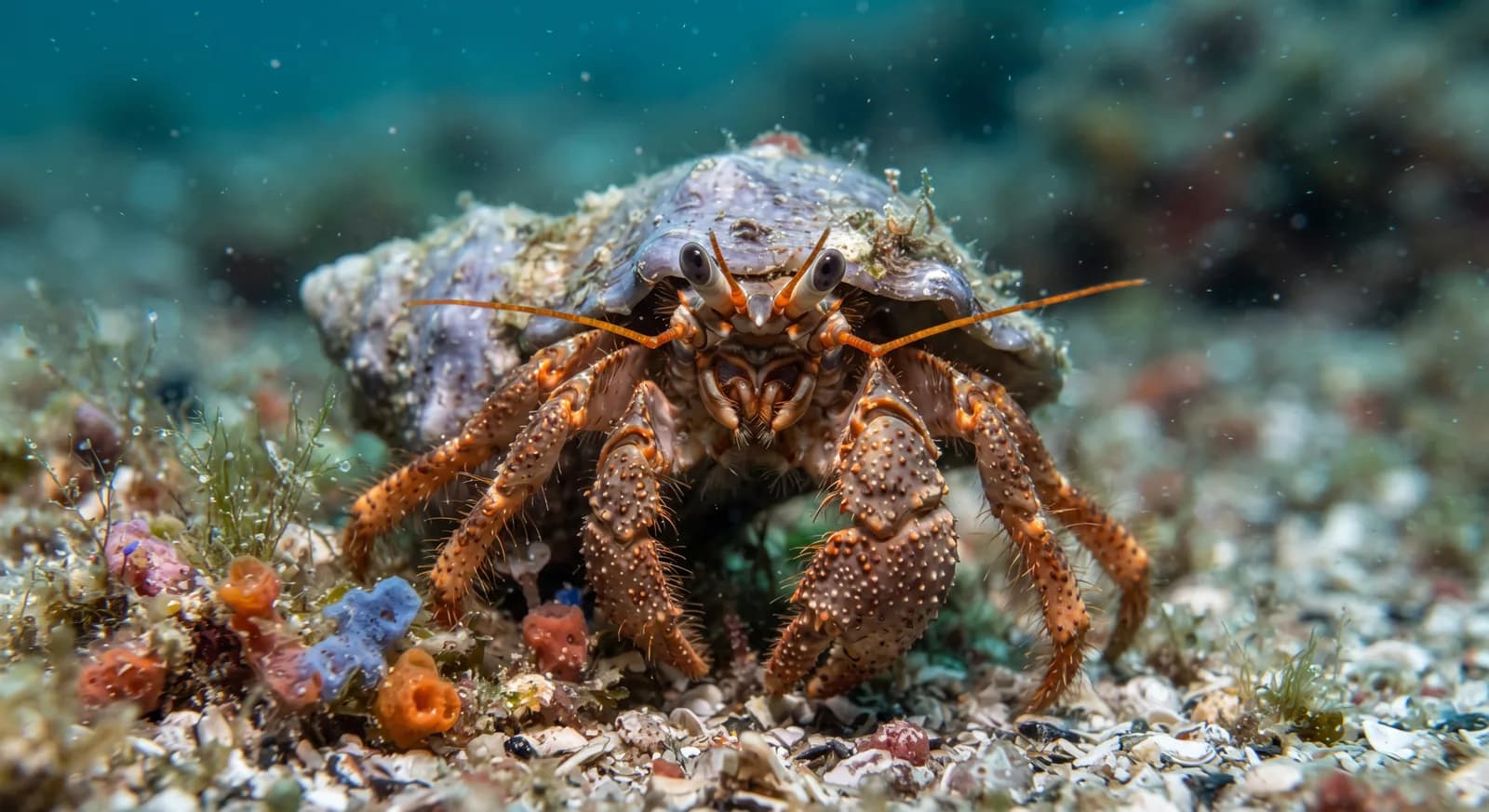
Common Hermit CrabNot Evaluated

Common Hermit Crab

Pagurus bernhardus

Marbled Rock CrabNot Evaluated

Marbled Rock Crab

Pachygrapsus marmoratus

CountriesUnited States
ParksDoñana National ParkSpain
TagsOmnivore
Omnivore
Diurnal
Solitary
Ocean
Crustacean

North America21

Europe13

South America8

Africa5

Asia3

United States
Italy
Spain
Mexico
Greece
Cayman Islands
Aruba
Bahamas
Barbados
Belize
Bermuda
Canada
Cayman Islands
Costa Rica
Cuba
Curaçao
Dominican Republic
Greenland
Haiti
Honduras
Jamaica
Mexico
Nicaragua
Panama
Puerto Rico
Trinidad and Tobago
United States
Albania
Croatia
Cyprus
France
Gibraltar
Greece
Italy
Malta
Monaco
Montenegro
Portugal
Slovenia
Spain
Argentina
Brazil
Colombia
French Guiana
Guyana
Suriname
Uruguay
Venezuela
Algeria
Egypt
Libya
Morocco
Tunisia
Israel
Lebanon
Türkiye