Skip to content
WAnimals
  • Map
  • Species
  • Parks
  • Diving
Log inCreate account
WAnimals

The guide for travellers and animal lovers: discover, plan and share your wild adventures around the world.

Discover wildlife

  • Species
  • Ecosystems
  • Glossary
  • Tags

Explore places

  • Map
  • Countries
  • Parks
  • Diving

Plan experiences

  • Guides

Learn

  • Blog

Resources

  • About us
  • How we build our profiles
  • Help centre
  • Contact
  • Install the app

Follow us

Account

  • Log in
  • Create account

© 2026 WAnimals. All rights reserved.

Terms of servicePrivacyCookiesLegal notice
MapSpeciesParksDiving
  1. Home
  2. Species
  3. Common Whelk

Gastropods · Neogastropoda · Buccinidae

Common Whelk

Buccinum undatum

Not Evaluated

It has not yet been assessed against the IUCN criteria.

Spotted something wrong?

A sea snail with a thick, ridged shell, both predator and scavenger: it detects dead fish and crustaceans at a distance with its olfactory siphon and drills into bivalves with its radula. It supports pot fisheries in northern Europe. It lays spongy masses of egg capsules that the sea usually casts up on the beach.

Size

6 cm – 11 cm

Life expectancy

10 years

Diet

Carnivore

Feeds mainly on other animals.

Social structure

Solitary

Lives and hunts alone, joining others only to breed.

Ocean
17countries23parks19dive sites

Fun facts

  • In each egg mass only a few embryos are ever born: the first to develop devour their siblings and the unfertilised eggs before emerging.
  • The masses of empty capsules that turn up on the shore were known aboard ship as sea wash balls, because sailors used them to wash their hands.
  • It lays its eggs in spongy masses of capsules that the tides wash up on the beach; they are known as sea wash balls, because sailors used them to wash their hands.
  • Only a handful of tiny snails emerge from each capsule: the first embryos to develop eat their siblings.
  • It is extremely sensitive to the tributyltin in antifouling paints. That compound causes imposex, the development of male organs in females, which in severe cases sterilises them and wiped out whole North Sea populations. It was one of the pieces of evidence that led to the TBT ban.
  • It locates carrion at a distance by smell, orienting itself with its siphon.
  • It is an important fishery resource in the United Kingdom, France and Canada, much of it exported to South Korea.

Life cycle and biology

Skeleton type
Invertebrate - external calcareous shell (mollusc)
Habitat and environment
Sandy, muddy and gravel bottoms of the North Atlantic, from 0 to 1,200 m
Sexual maturity
5-7 years

Sources consulted: Linneo (1758) · Marine Life Information Network · Mensink et al. (1996) · Organización Marítima Internacional · ScienceDirect (Hughes 1989) · Science Advances, How colonial animals evolve · Wikipedia, Zooid · anatomia de Gastropoda

Where to find it

Loading map…

Where to see it

Parks and dive sites where this species has been documented — showing 20 of 42.

Related species

Other species in the catalogue with the most in common with Common Whelk — same habitat, park, country, tags or family.

Shares a park
Shares a park
Shares a park
Shares a park
Shares a park
Shares a park

Keep exploring

Based on what we already know about common whelk.

Share an experience, a fun fact or a tip for seeing the common whelk.
See full glossary
This page in other languages: Español · Deutsch · Français · Português · Italiano

The pins mark the parks and dive sites where its presence is documented.
See its range on the interactive map→
Doñana National ParkSpain
Gros MorneCanada
Pembrokeshire CoastUnited Kingdom
NorthumberlandUnited Kingdom
Cíes IslandsSpain
Ria FormosaPortugal
KosterhavetSweden
Terra NovaCanada
Fragas do EumeSpain
UrdaibaiSpain
Scapa FlowUnited Kingdom
Farne IslandsUnited Kingdom
Lofoten (orcas)Norway
SaltstraumenNorway
Svalbard (ice diving)Norway
St AbbsUnited Kingdom
Malin HeadIreland
Block Island (Mohawk wreck)United States
Strýtan (hydrothermal chimney)Iceland
Andrea DoriaUnited States
See all 23 parks
See all 19 dive sites
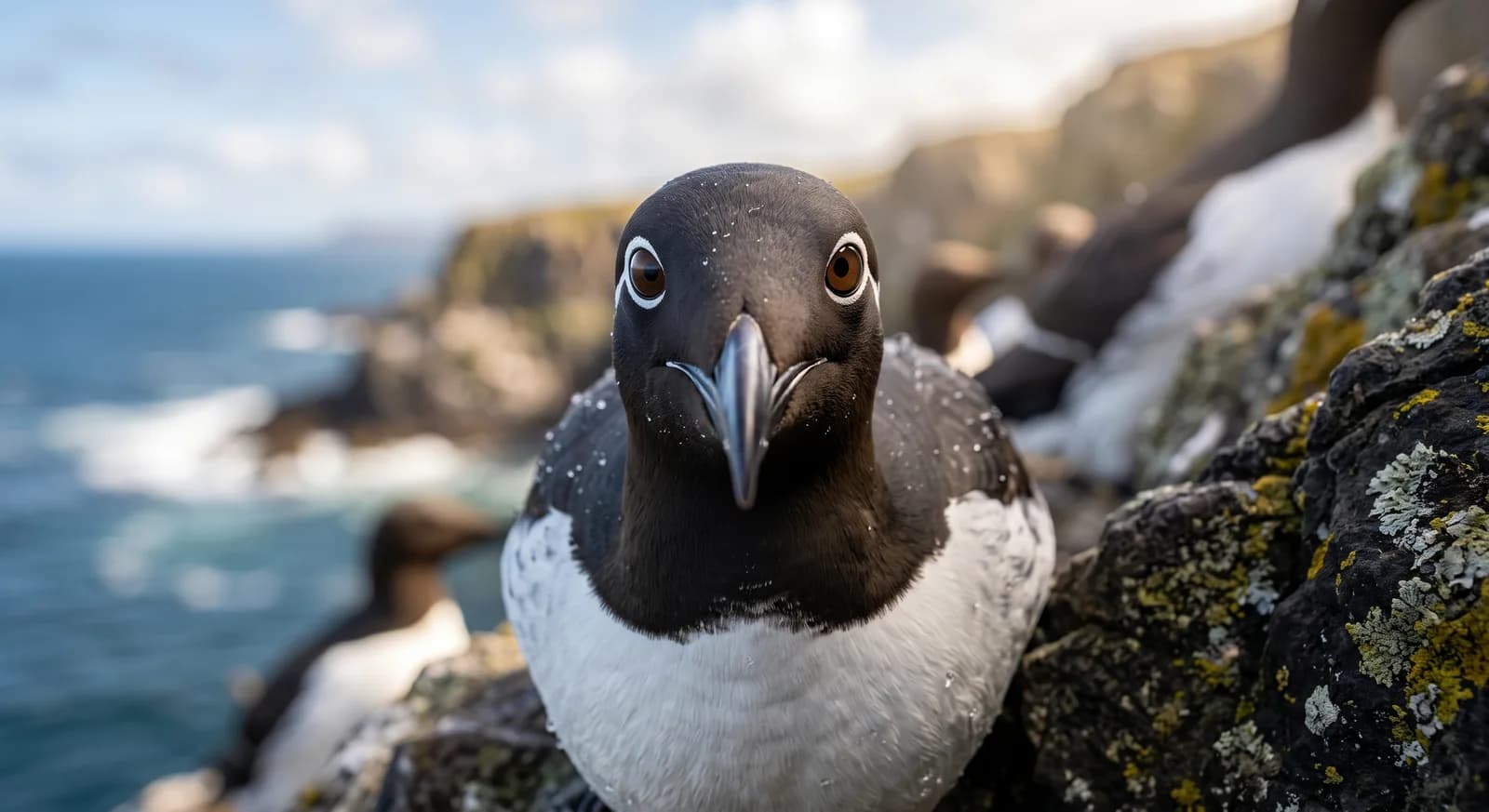
Common MurreLeast Concern

Common Murre

Uria aalge

HagfishLeast Concern

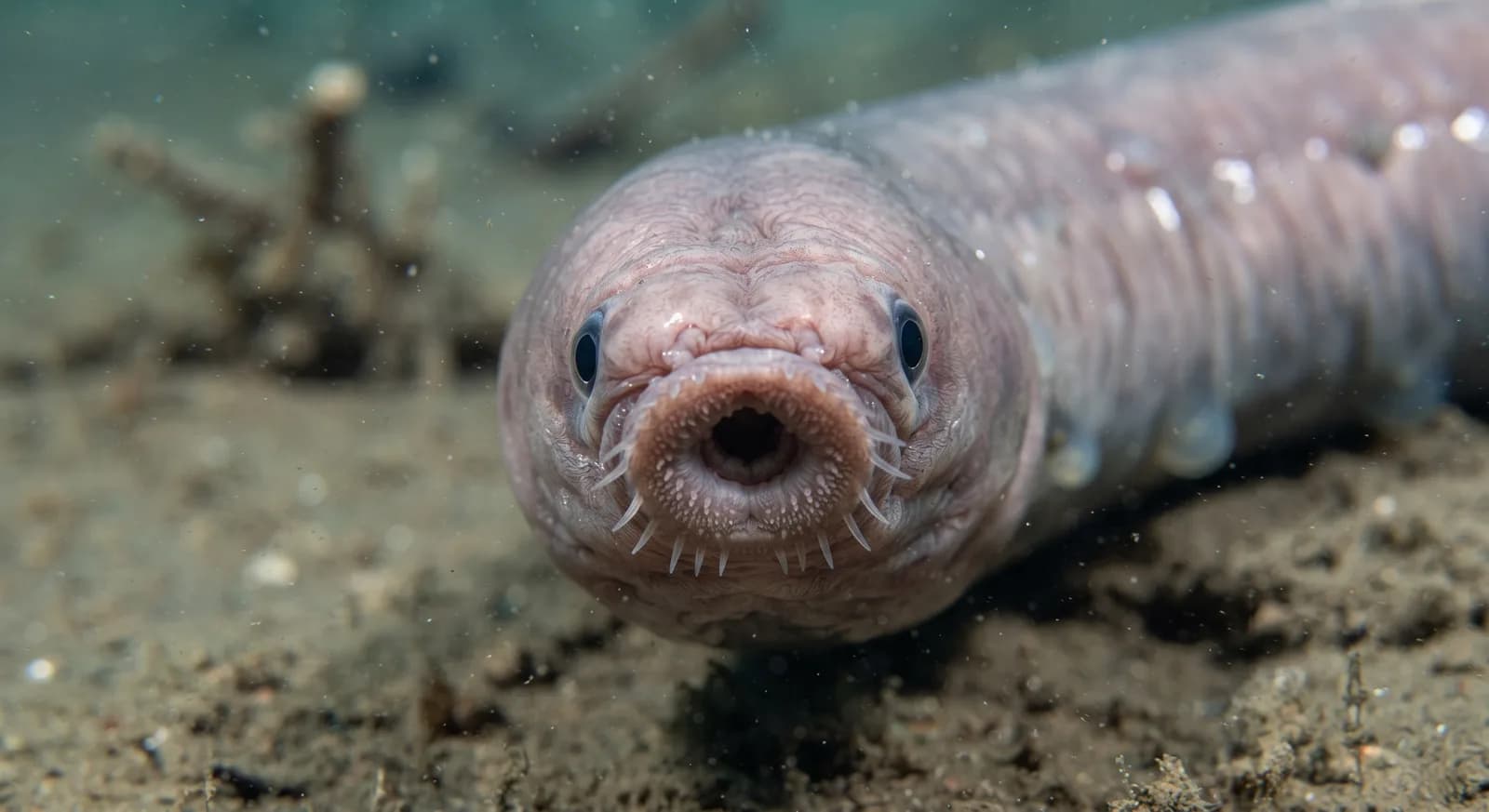
Hagfish

Myxine glutinosa

Least Concern

Smelt

Osmerus eperlanus

Not Evaluated

Common Periwinkle

Littorina littorea

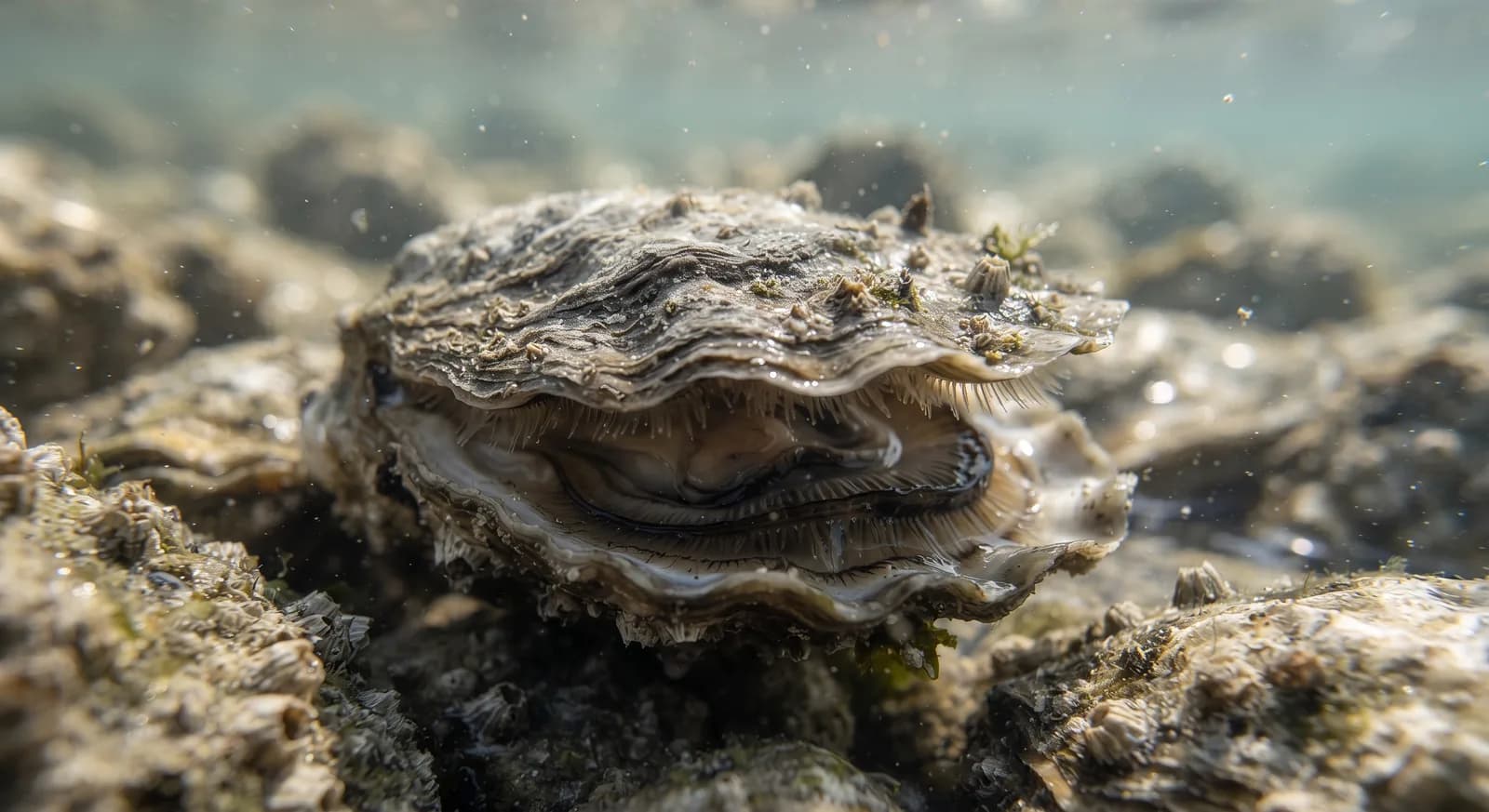
Common OysterNot Evaluated

Common Oyster

Ostrea edulis

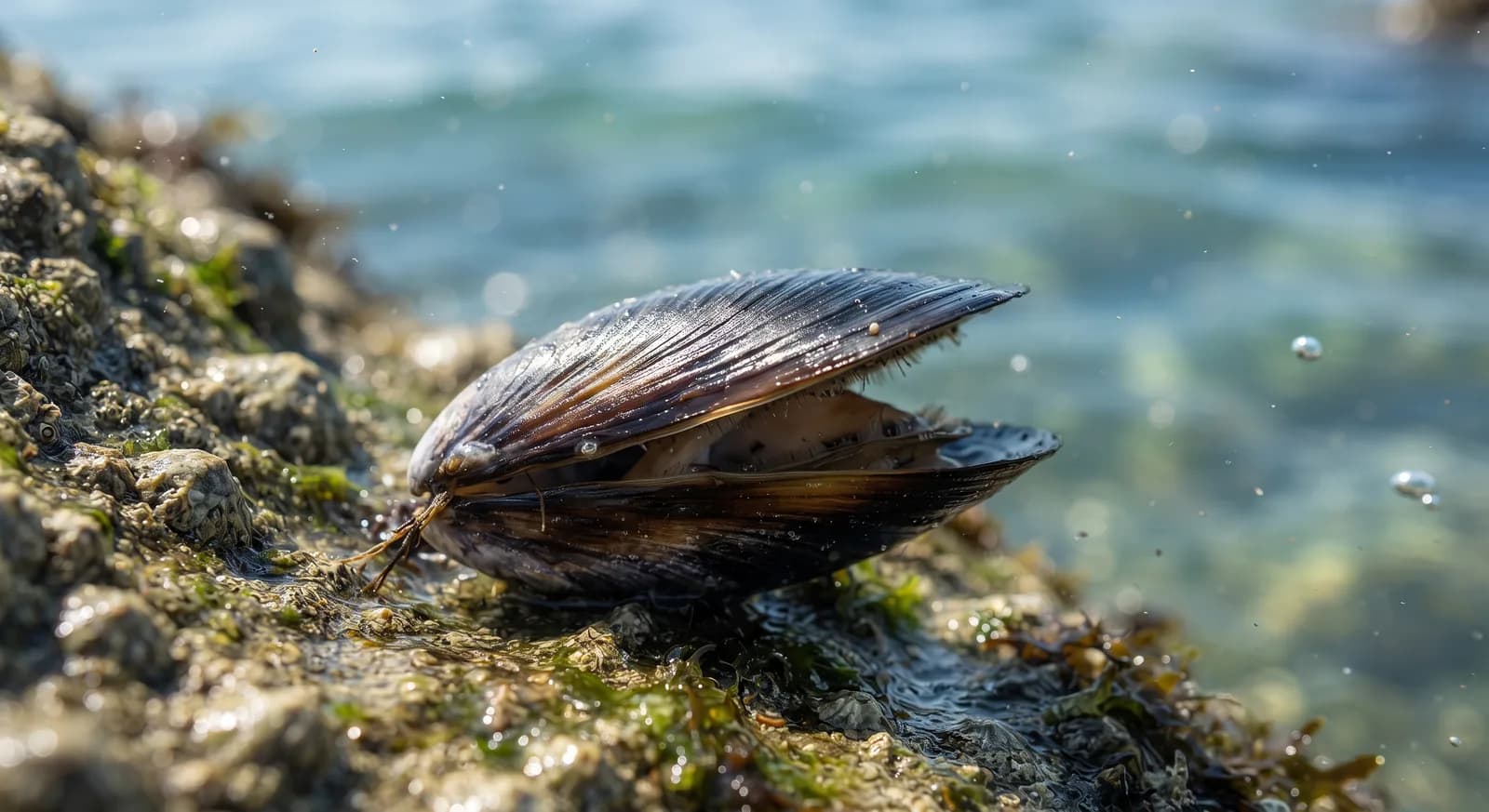
Blue MusselNot Evaluated

Blue Mussel

Mytilus edulis

CountriesUnited Kingdom
ParksDoñana National ParkSpain
TagsCarnivore
Carnivore
Colonial
Ocean
Mollusc

Europe12

North America3

Africa1

Asia1

United Kingdom
Canada
Ireland
Norway
Spain
Portugal
Belgium
Denmark
France
Germany
Iceland
Ireland
Netherlands
Norway
Portugal
Spain
Sweden
United Kingdom
Canada
Greenland
United States
Morocco
Russia