Skip to content
WAnimals
  • Map
  • Species
  • Parks
  • Diving
Log inCreate account
WAnimals

The guide for travellers and animal lovers: discover, plan and share your wild adventures around the world.

Discover wildlife

  • Species
  • Ecosystems
  • Glossary
  • Tags

Explore places

  • Map
  • Countries
  • Parks
  • Diving

Plan experiences

  • Guides

Learn

  • Blog

Resources

  • Help centre
  • Contact
  • Install the app

Follow us

Account

  • Log in
  • Create account

© 2026 WAnimals. All rights reserved.

About usHow we build our profilesTerms of servicePrivacyLegal notice
MapSpeciesParksDiving
  1. Home
  2. Species
  3. Cyprus Wheatear

One of the 4 wheatears on WAnimals
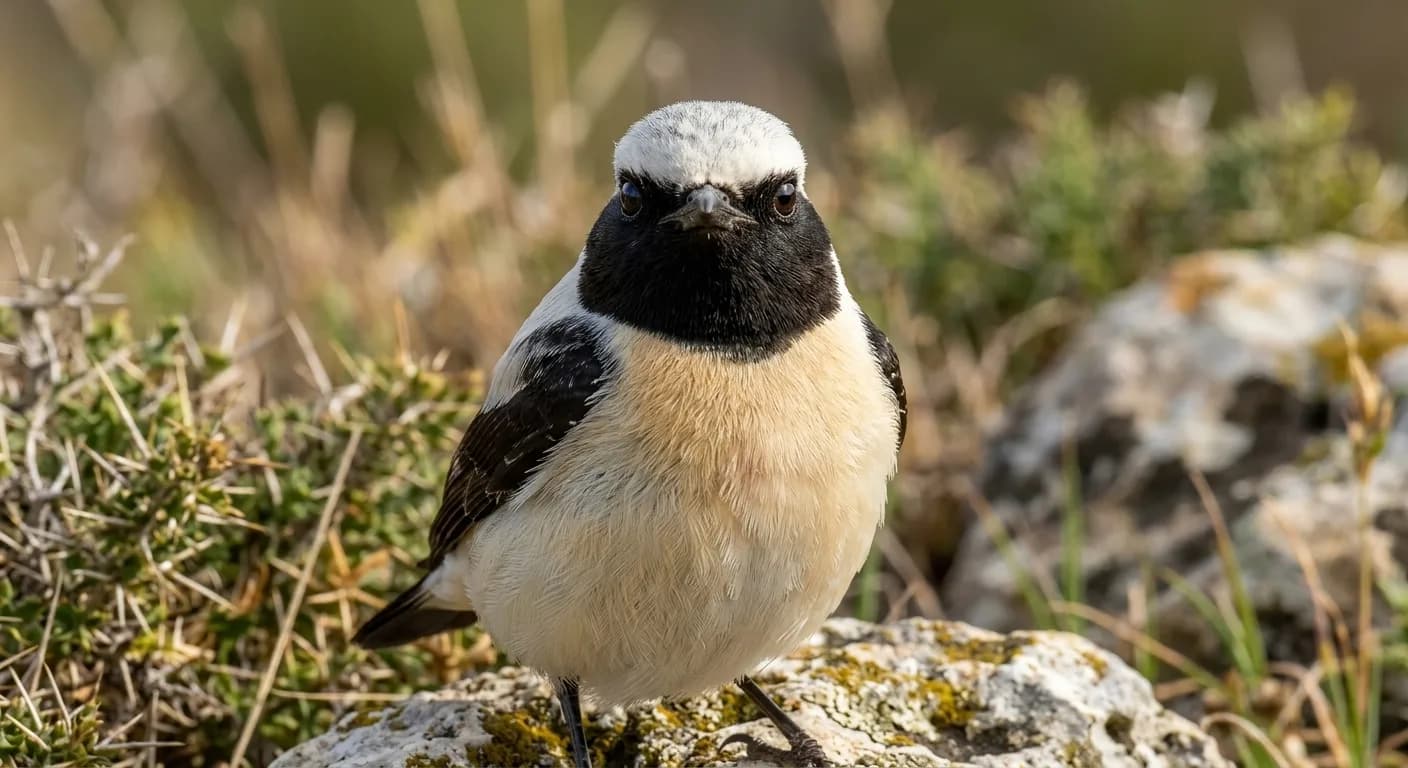
Cyprus Wheatear (Oenanthe cypriaca)

Birds · Passeriformes · Muscicapidae

Cyprus Wheatear

Oenanthe cypriaca

Least Concern

The species is abundant and widely distributed; it faces no significant short-term risk.

Spotted something wrong?

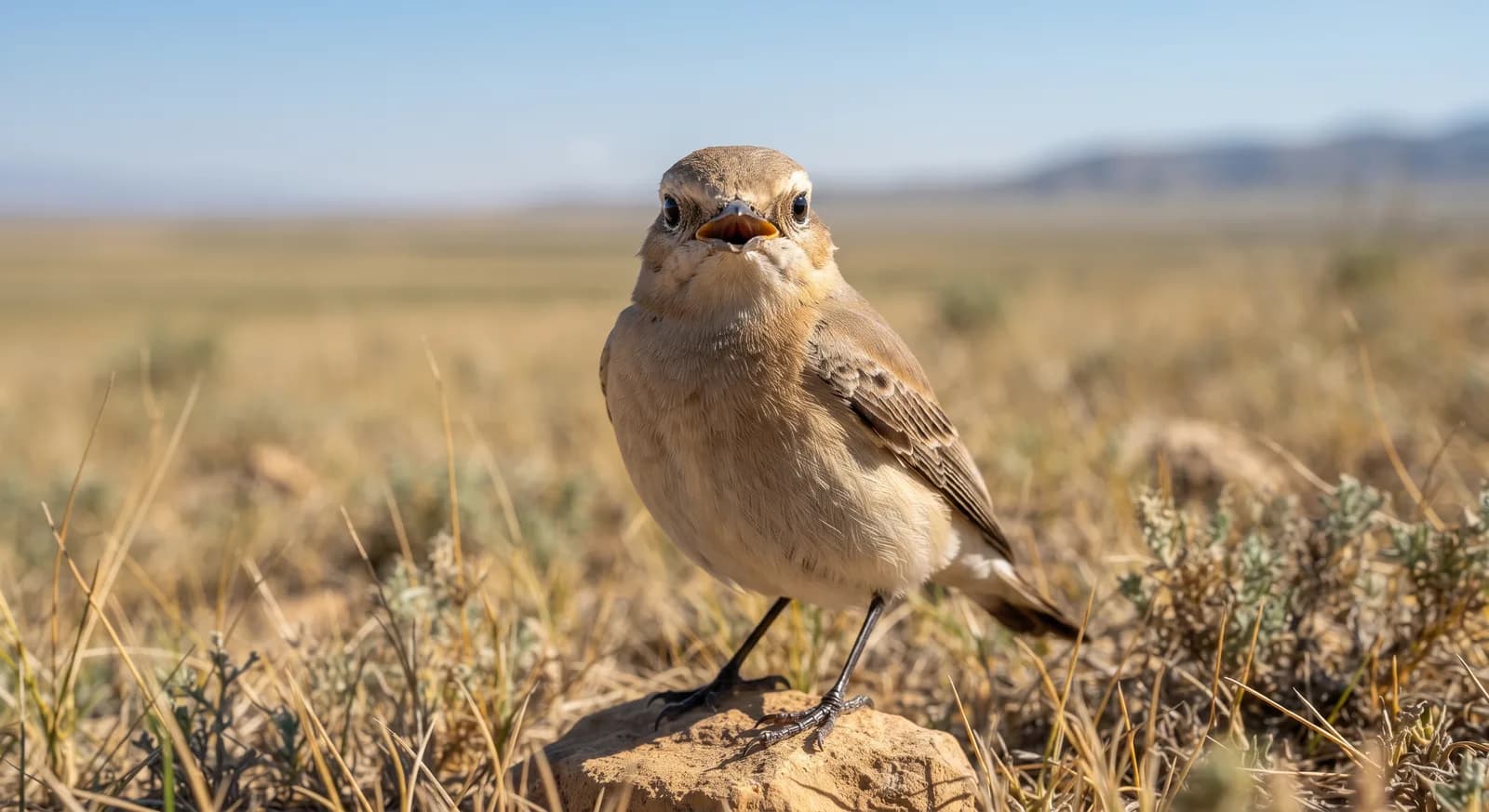
The Cypriot wheatear or Cyprus wheatear is a species of passerine bird of the family Muscicapidae endemic to Cyprus. This small passerine, 14-15 cm long, used to be treated as a subspecies of the pied wheatear, but Sluys and van den Berg argued in 1982 that it deserved full species status, on the basis of differences in biometrics and especially in song, and the lack of sexual dimorphism in the plumage of cypriaca. The number of individuals is around 12,000.

Weight

14 g – 20 g

Size

13 cm – 15 cm

Life expectancy

7 years
Diet

Insectivore

Feeds mainly on insects and other invertebrates.

Activity

Diurnal

Active mainly during the day.

Social structure

In pairs

Usually lives in pairs, sometimes for life.

Sighting difficulty

Easy

DesertMountainGrassland
7countries6parks14same family

AI-generated images: illustrations, not photographs.

Fun facts

  • It breeds only on Cyprus, an island of less than 10,000 square kilometres, and the entire world population winters in a narrow strip of north-east Africa: two tiny areas connected by a journey of thousands of kilometres.
  • It was split from the pied wheatear as a species of its own in the 1990s, on the basis of differences in song, plumage and genetics.
  • It is one of the species affected by the illegal trapping of birds with nets and limesticks in Cyprus, a traditional practice that has become industrialised and that kills millions of migratory birds every year.

Life cycle and biology

Skeleton type
Vertebrate - internal bony skeleton (bird)
Habitat and environment
Stony slopes, open scrub, vineyards and field edges of Cyprus; winters in Ethiopia and Sudan
Sexual maturity
12 months
Gestation / incubation
13 days of incubation
Litter / clutch size
5 eggs

Sources consulted: https://es.wikipedia.org/wiki/Oenanthe_cypriaca

Where to find it

Loading map…

The pins mark the parks where its presence is documented.

Where to see it

Parks and dive sites where this species has been documented.

Related species

Other species in the catalogue with the most in common with Cyprus Wheatear — same habitat, park, country, tags or family.

Same taxonomic family

Keep exploring

Based on what we already know about cyprus wheatear.

Comments

Share an experience, a fun fact or a tip for seeing the cyprus wheatear.

Be the first to comment.

See full glossary
This page in other languages: Español · Deutsch · Français · Português · Italiano
See its range on the interactive map→
Ein GediIsrael
Troodos Forest National ParkCyprus
Dinder National ParkSudan
BeydağlarıTürkiye
Dilek YarımadasıTürkiye
Gebel ElbaEgypt
Least Concern

Blue Rock Thrush

Monticola solitarius

Isabelline WheatearLeast Concern

Isabelline Wheatear

Oenanthe isabellina

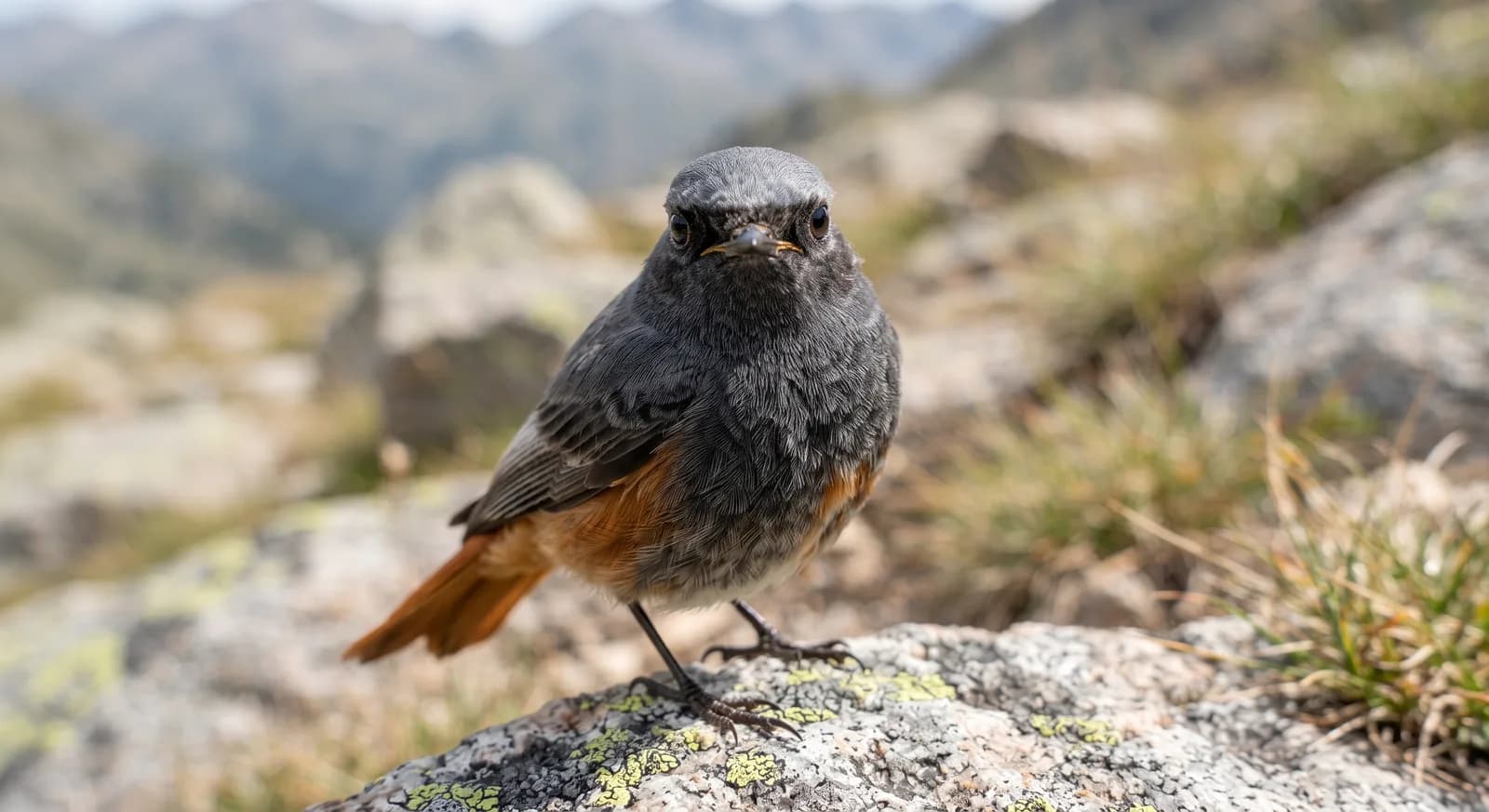
Black RedstartLeast Concern

Black Redstart

Phoenicurus ochruros

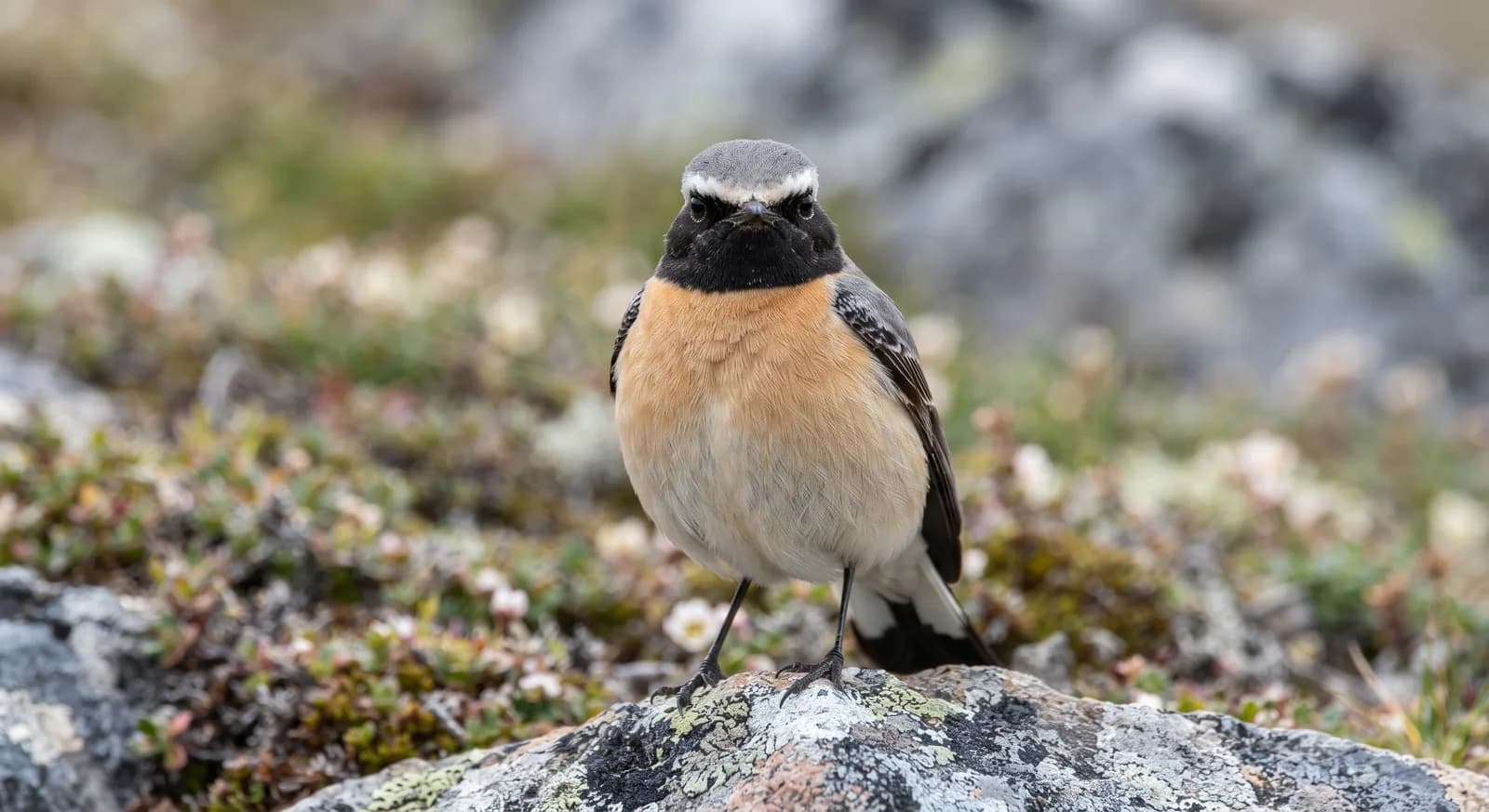
Northern WheatearLeast Concern

Northern Wheatear

Oenanthe oenanthe

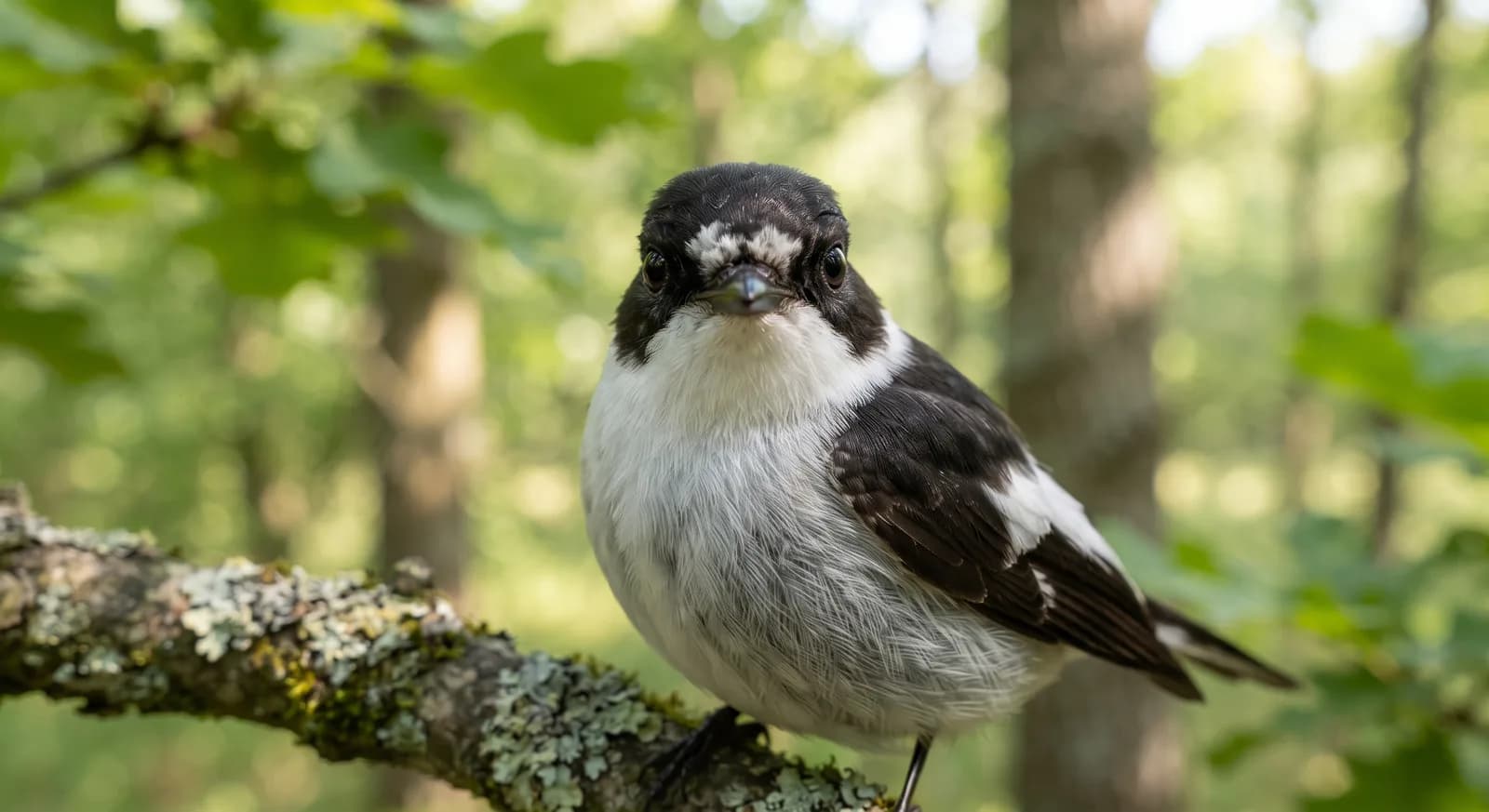
Collared FlycatcherLeast Concern

Collared Flycatcher

Ficedula albicollis

Least Concern

Common Nightingale

Luscinia megarhynchos

CountriesTürkiye
ParksEin GediIsrael
TagsInsectivore
Insectivore
Diurnal
In pairs
Bird
Desert
Mountain
Grassland
Türkiye
Cyprus
Egypt
Israel
Sudan
Ethiopia
South Sudan