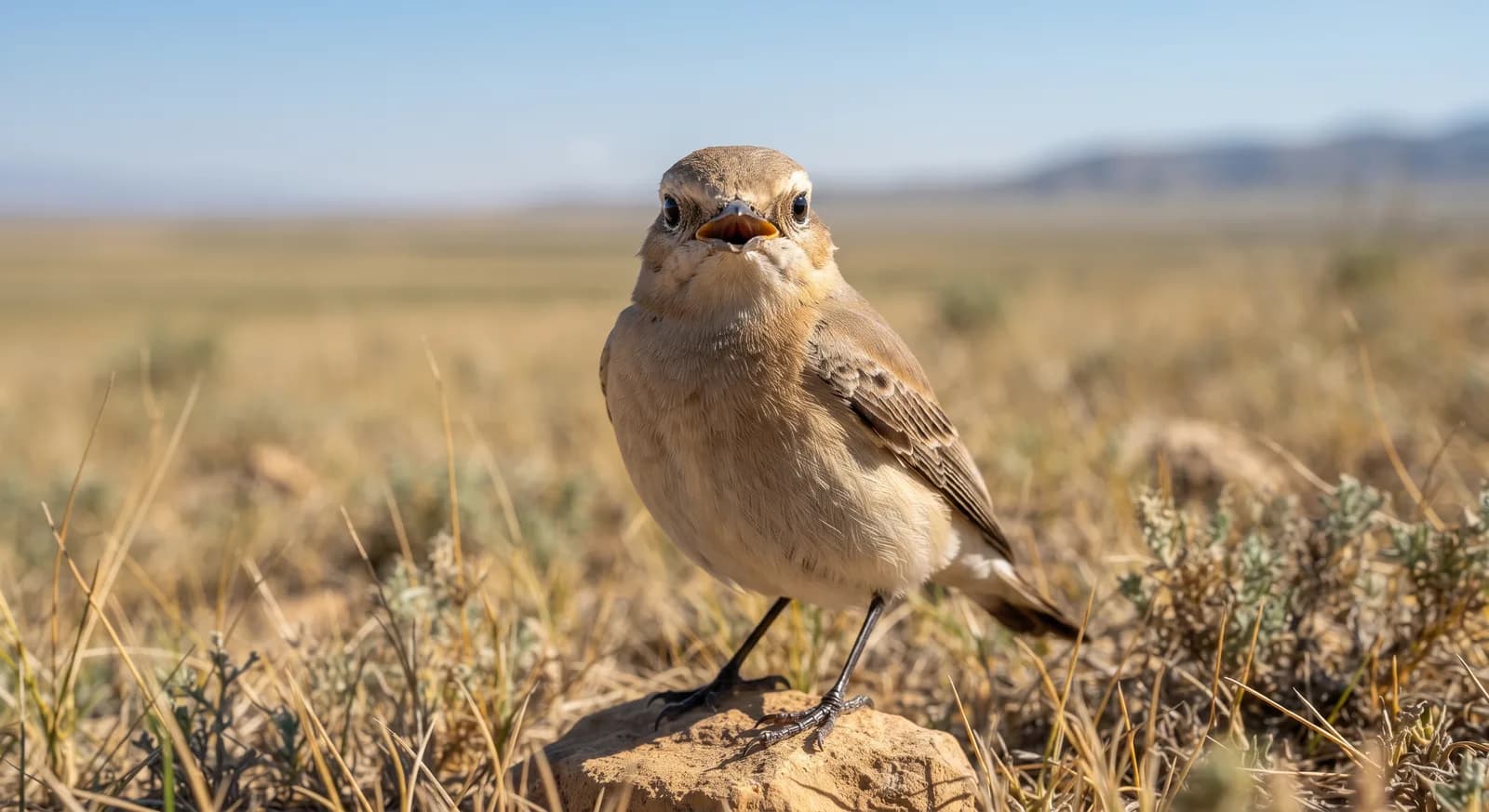
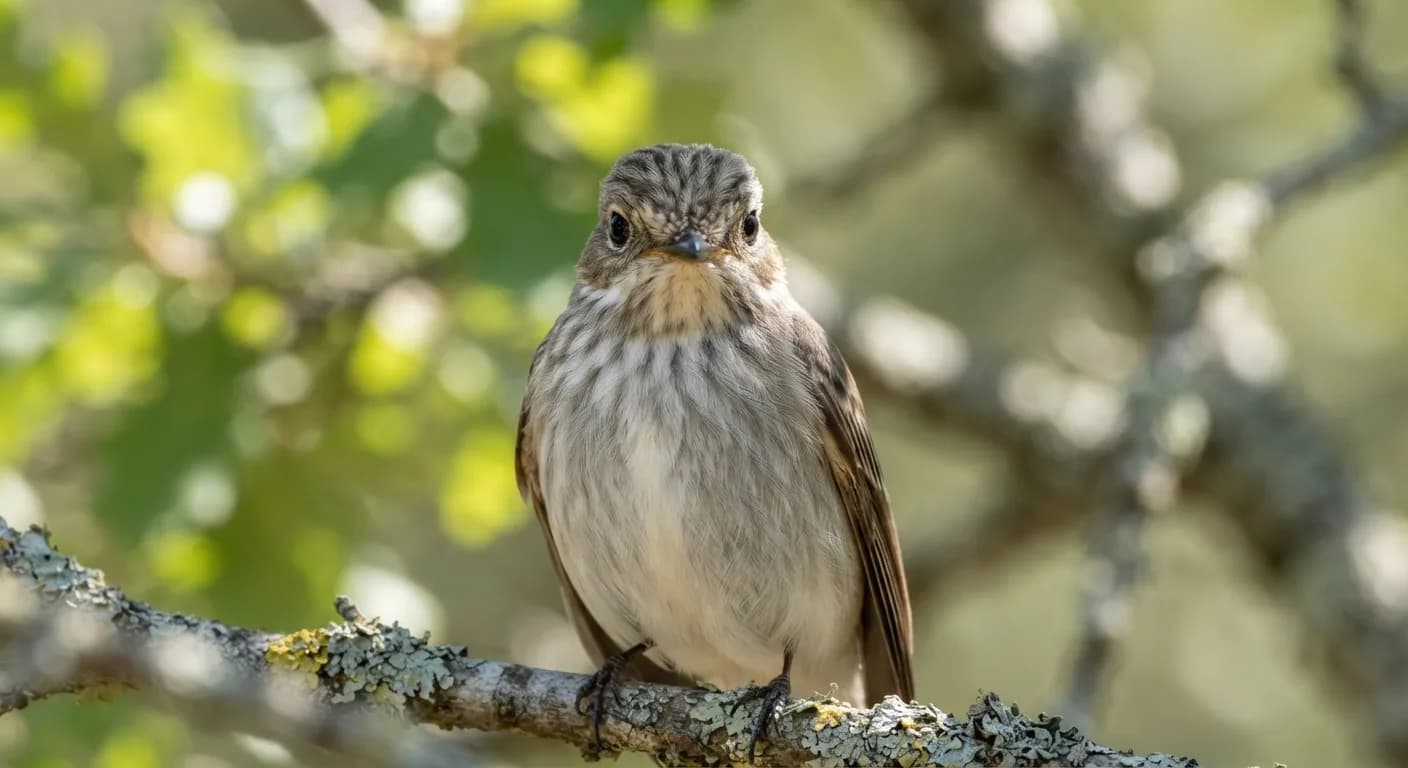
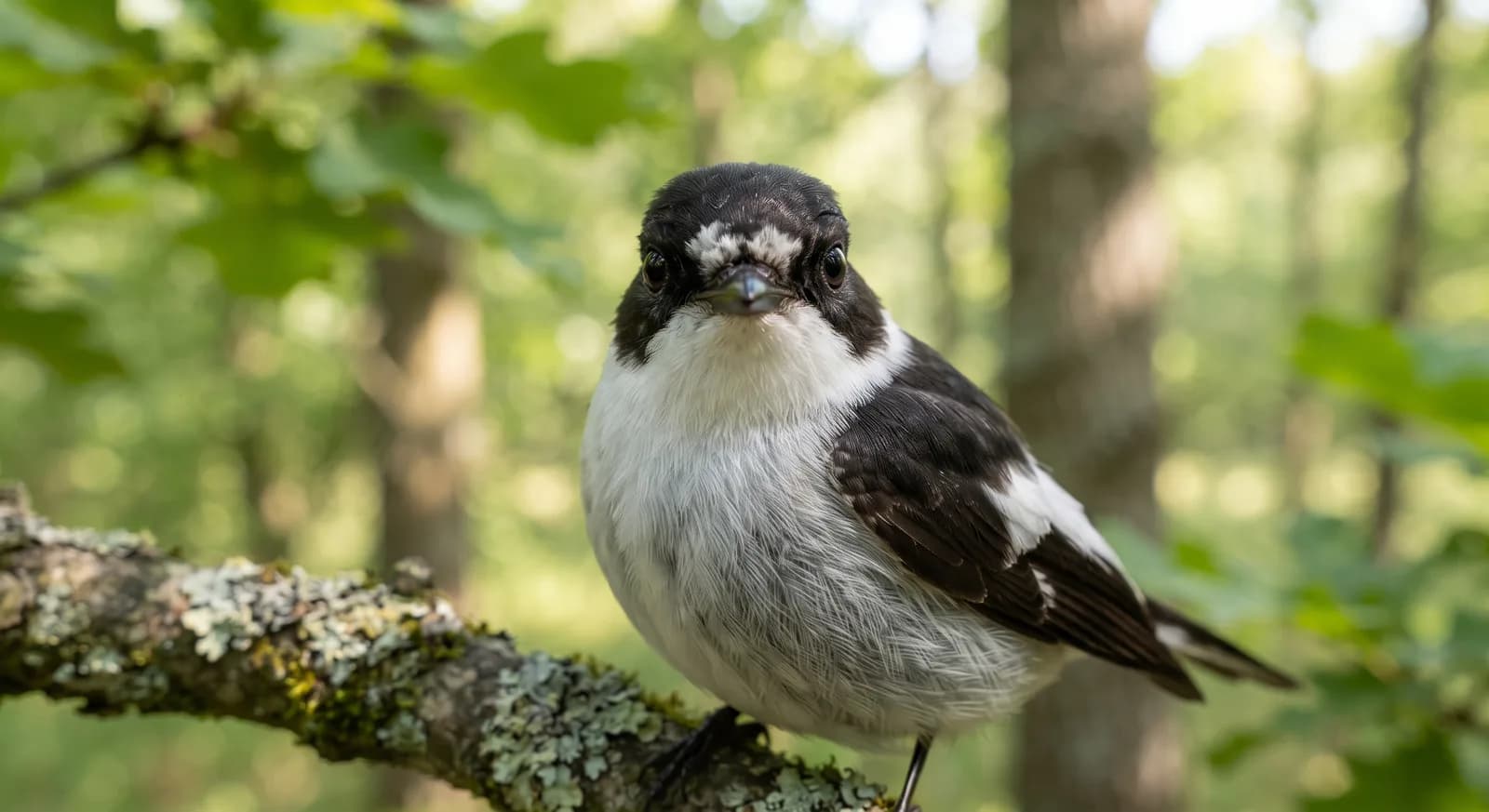
One of the 4 wheatears on WAnimals
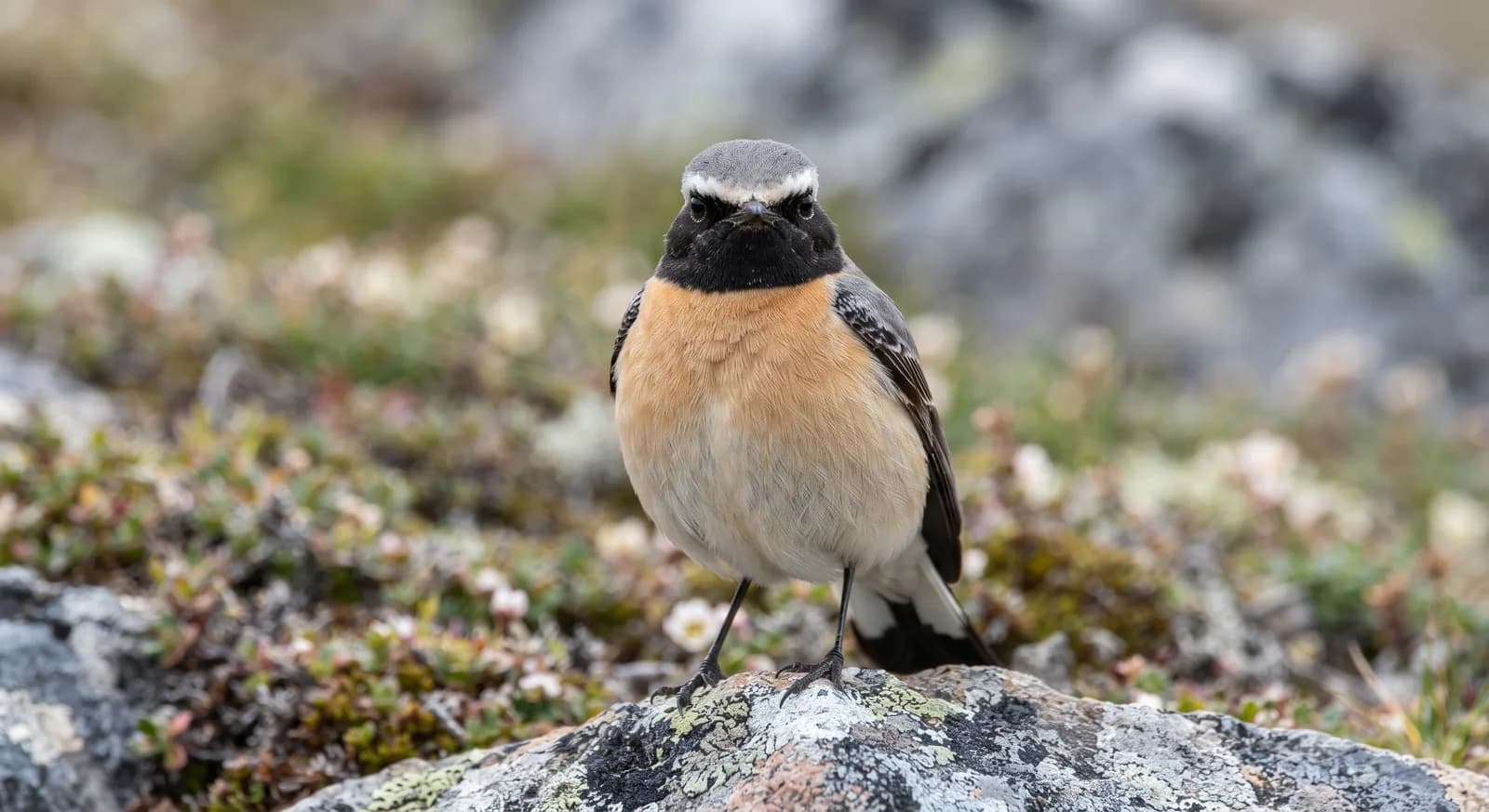
Birds · Passeriformes · Muscicapidae
Oenanthe oenanthe
The species is abundant and widely distributed; it faces no significant short-term risk.
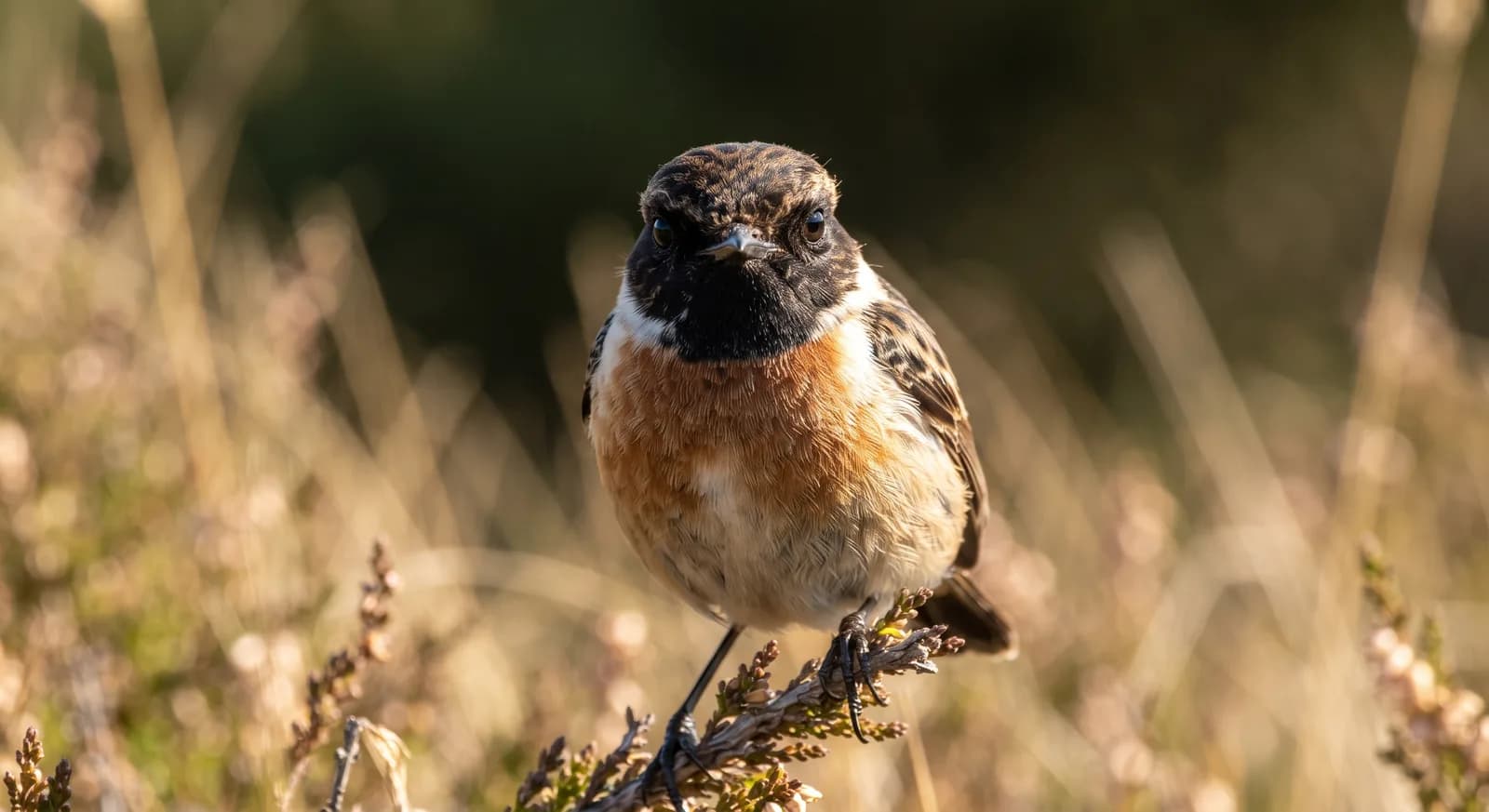
An upright, ground-dwelling bird that moves by walking and hopping over the ground, always out in the open on stones and rises. Its unmistakable feature is the pattern of the tail: white, finished off with the inverted black T common to all wheatears.
Weight
18 g – 32 g
Size
14 cm – 16 cm
Life expectancy
5 years
Diet
Insectivore
Feeds mainly on insects and other invertebrates.
Activity
Diurnal
Active mainly during the day.
Social structure
In pairs
Usually lives in pairs, sometimes for life.
Estimated population
Estimated by BirdLife International at some 2.9 million individuals across the Old World and the Americas as a whole
AI-generated images: illustrations, not photographs.
Sources consulted: SEO/BirdLife (ficha y III Atlas de las aves en época de reproducción en España) · IUCN Red List · Asturnatura · Animalia.bio · Tellería, Asensio y Díaz 1999, Aves Ibéricas II
Best time: From April to July in Spain, when it is a summer visitor; also on migration
Parks and dive sites where this species has been documented — showing 10 of 186.
Other species in the catalogue with the most in common with Northern Wheatear — same habitat, park, country, tags or family.
Based on what we already know about northern wheatear.
The pins mark the parks where its presence is documented.