 Least Concern
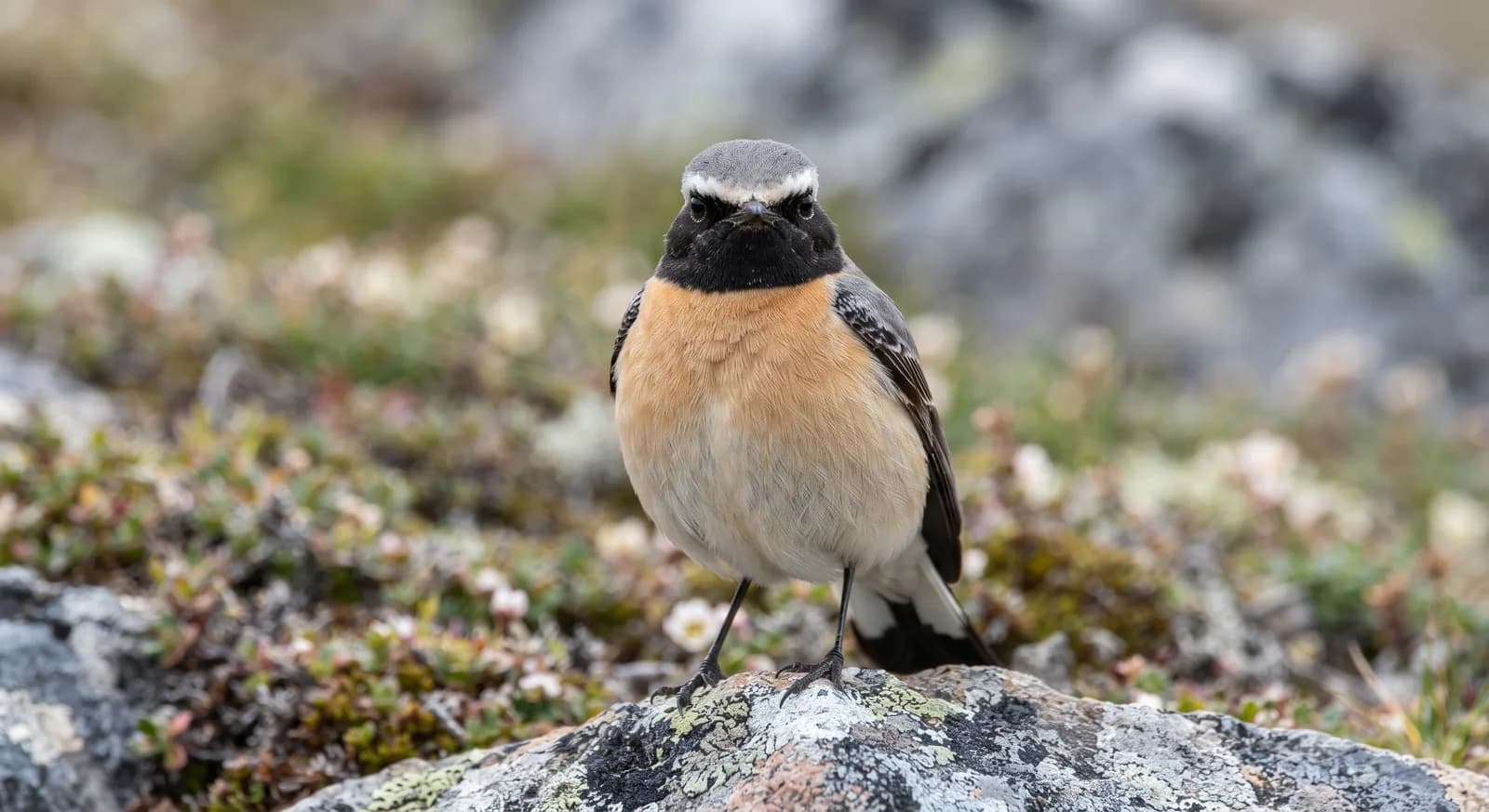
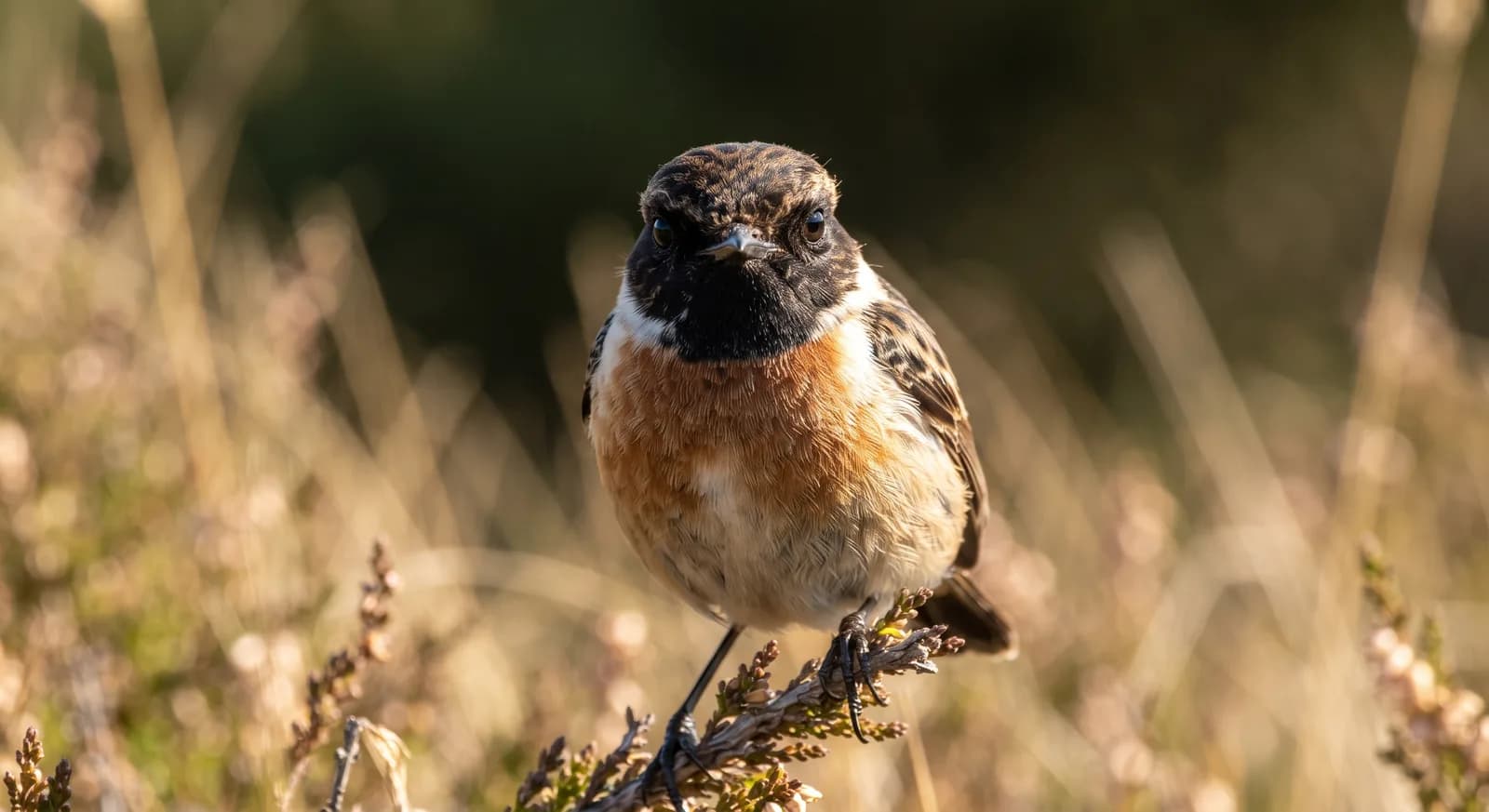
European Stonechat
Saxicola rubicola
One of the 3 flycatchers on WAnimals
Birds · Passeriformes · Muscicapidae
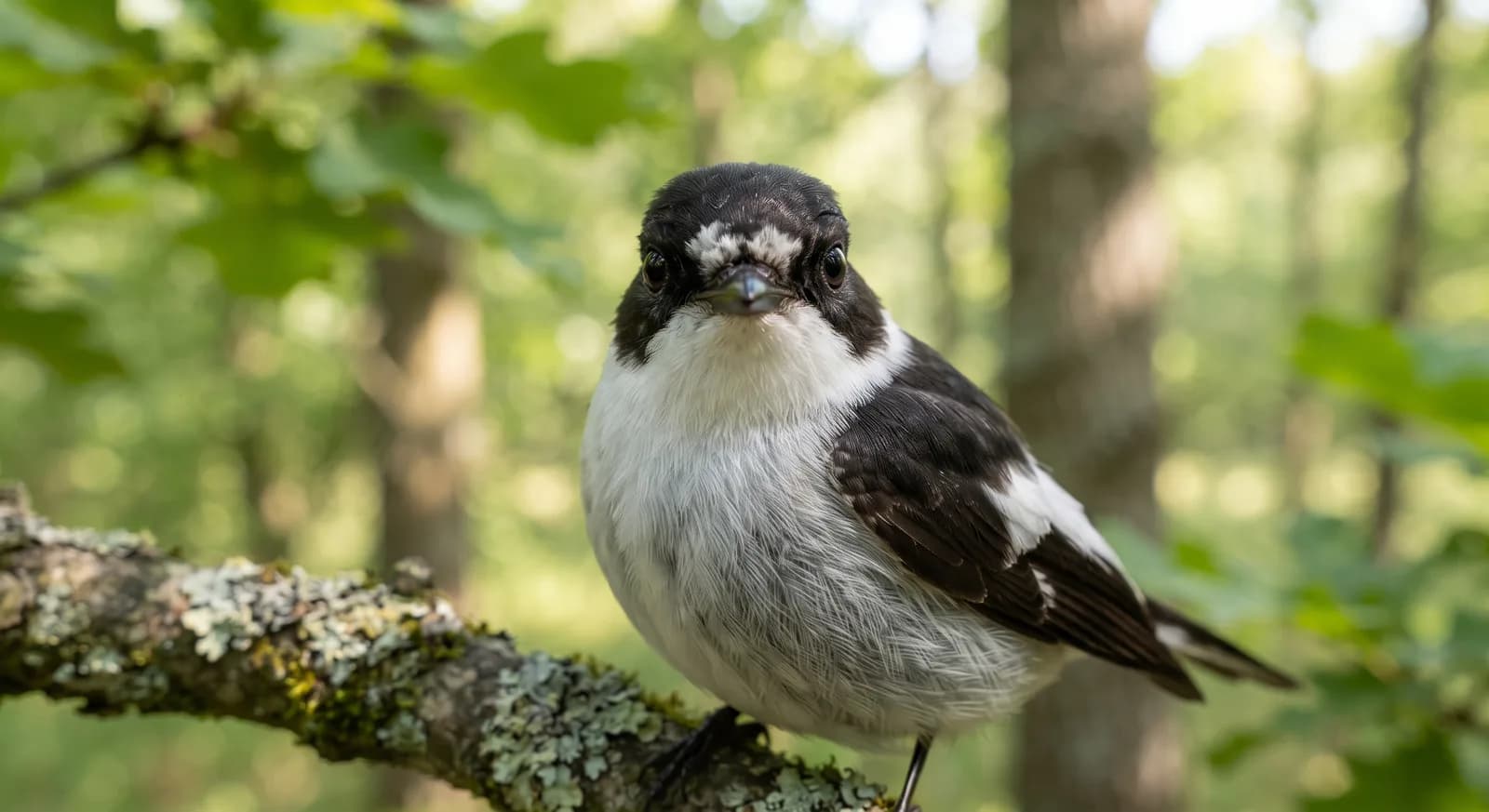
Ficedula hypoleuca
The species is abundant and widely distributed; it faces no significant short-term risk.
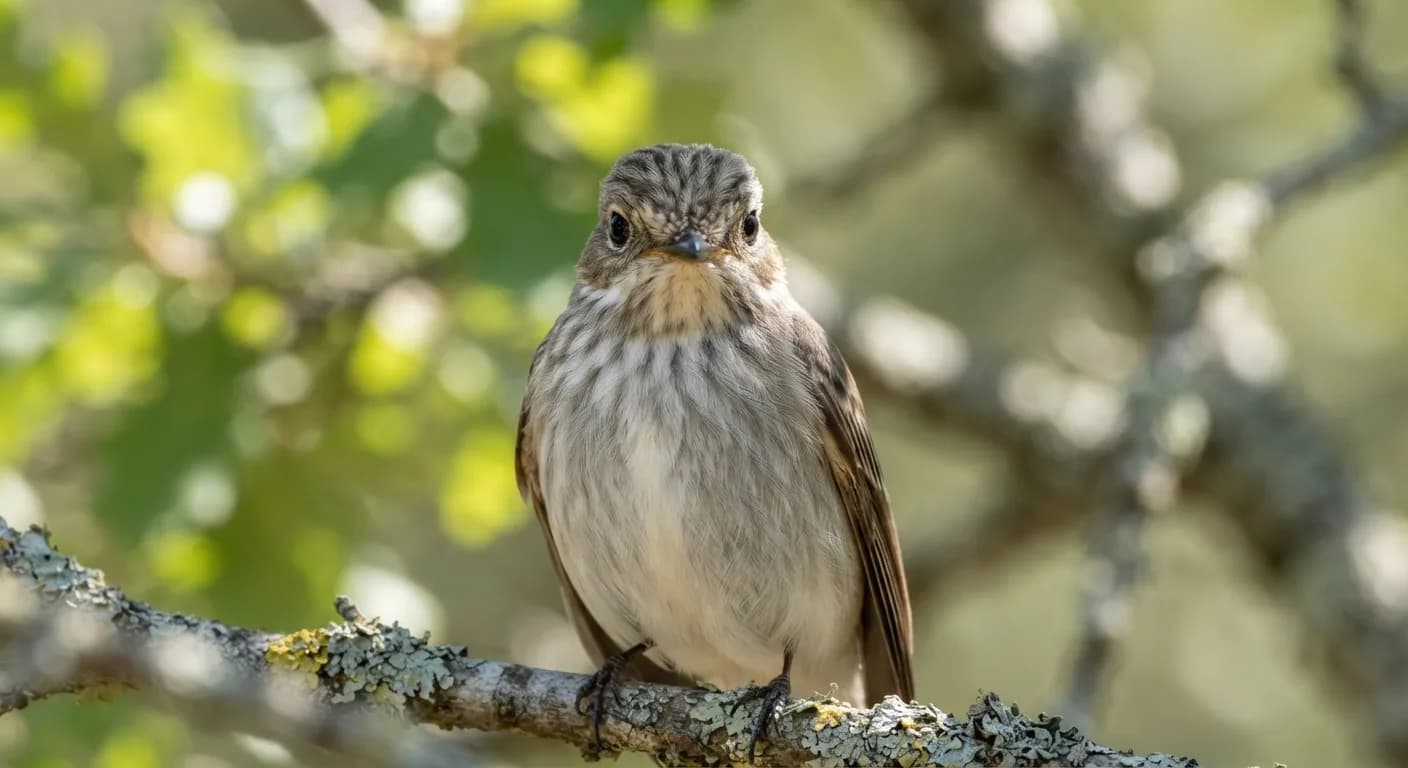
A compact passerine with a broad head and a fine bill. In spring the male is black and white, with a white patch on the forehead; the female replaces the black with brown. Outside the breeding season both sexes look the same, pale brown above and buff white below.
Weight
13 g – 14 g
Size
12 cm – 13 cm
Life expectancy
5 years
Diet
Insectivore
Feeds mainly on insects and other invertebrates.
Activity
Diurnal
Active mainly during the day.
Social structure
In pairs
Usually lives in pairs, sometimes for life.
Sighting difficulty
Easy
Estimated population
The European population is estimated at between 24 and 39 million individuals
Sources consulted: SEO/BirdLife (ficha y III Atlas de las aves en época de reproducción en España); IUCN Red List; Asturnatura; Gordo 2022, III Atlas; Potti y Montalvo 1991, Ardea 79; Sanz 2001, Auk 118; BirdLife International
Best time: From April to August in the mountains where it breeds; on passage, from September on, it turns up in all kinds of habitats
Parks and dive sites where this species has been documented — showing 10 of 197.
Other species in the catalogue with the most in common with European Pied Flycatcher — same habitat, park, country, tags or family.
Based on what we already know about european pied flycatcher.
Share an experience, a fun fact or a tip for seeing the european pied flycatcher.
Be the first to comment.
The pins mark the parks where its presence is documented.