Skip to content
WAnimals
  • Map
  • Species
  • Parks
  • Diving
Log inCreate account
WAnimals

The guide for travellers and animal lovers: discover, plan and share your wild adventures around the world.

Discover wildlife

  • Species
  • Ecosystems
  • Glossary
  • Tags

Explore places

  • Map
  • Countries
  • Parks
  • Diving

Plan experiences

  • Guides

Learn

  • Blog

Resources

  • Help centre
  • Contact
  • Install the app

Follow us

Account

  • Log in
  • Create account

© 2026 WAnimals. All rights reserved.

About usHow we build our profilesTerms of servicePrivacyLegal notice
MapSpeciesParksDiving
  1. Home
  2. Species
  3. Electric Eel

One of the 6 eels on WAnimals

Bony fish · Gymnotiformes · Gymnotidae

Electric Eel

Electrophorus electricus

Least Concern

The species is abundant and widely distributed; it faces no significant short-term risk.

Spotted something wrong?

Despite its name and appearance it is not a true eel but a knifefish, more closely related to catfish and carp.

Weight

up to 20 kg

Size

up to 2.5 m

Life expectancy

15 years

Diet

Carnivore

Feeds mainly on other animals.

Activity

Nocturnal

Active mainly at night.

Social structure

Solitary

Lives and hunts alone, joining others only to breed.

Sighting difficulty

Easy

Freshwater
11countries28parks

Fun facts

  • It can generate electric discharges of up to 650 volts through some 6,000 cells called electrocytes.
  • It uses its electric discharges both to hunt and to navigate murky water where it can barely see.
  • The male builds and guards a nest of saliva where as many as 3,000 young develop.
  • fisiologíaIt can generate discharges of up to 860 volts, and is in fact more closely related to catfish than to true eels.
  • defensaIt can lunge partly out of the water to deliver its charge directly onto a target above the surface, making the shock more effective.

Life cycle and biology

Skeleton type
Vertebrate - bony skeleton (fish), not closely related to true eels
Habitat and environment
Muddy bottoms of rivers, swamps and floodplains of the Amazon and Orinoco basins
Birth weight
A tiny fry on hatching inside a nest built from the male's saliva
Gestation / incubation
The egg develops inside a saliva nest built and guarded by the male
Litter / clutch size
Up to 3,000 young per nest

Sources consulted: National Geographic Kids; FishBase; Animal Diversity Web; AnimalHub; Animalia.bio; National Geographic

Where to find it

Loading map…

The pins mark the parks where its presence is documented.

Where to see it

Parks and dive sites where this species has been documented — showing 10 of 28.

Related species

Other species in the catalogue with the most in common with Electric Eel — same habitat, park, country, tags or family.

Shares a park
Shares a park
Shares a park
Shares a park
Shares a park
Shares a park

Keep exploring

Based on what we already know about electric eel.

Comments

Share an experience, a fun fact or a tip for seeing the electric eel.

Be the first to comment.
See full glossary
This page in other languages: Español · Deutsch · Français · Português · Italiano
See its range on the interactive map→
Pantanal MatogrossenseBrazil
ManuPeru
TambopataPeru
Cordillera AzulPeru
YasuníEcuador
AmacayacuColombia
MadidiBolivia
Noel Kempff MercadoBolivia
CanaimaVenezuela
KaieteurGuyana
See all 28 parks
Least Concern

Water Opossum

Chironectes minimus

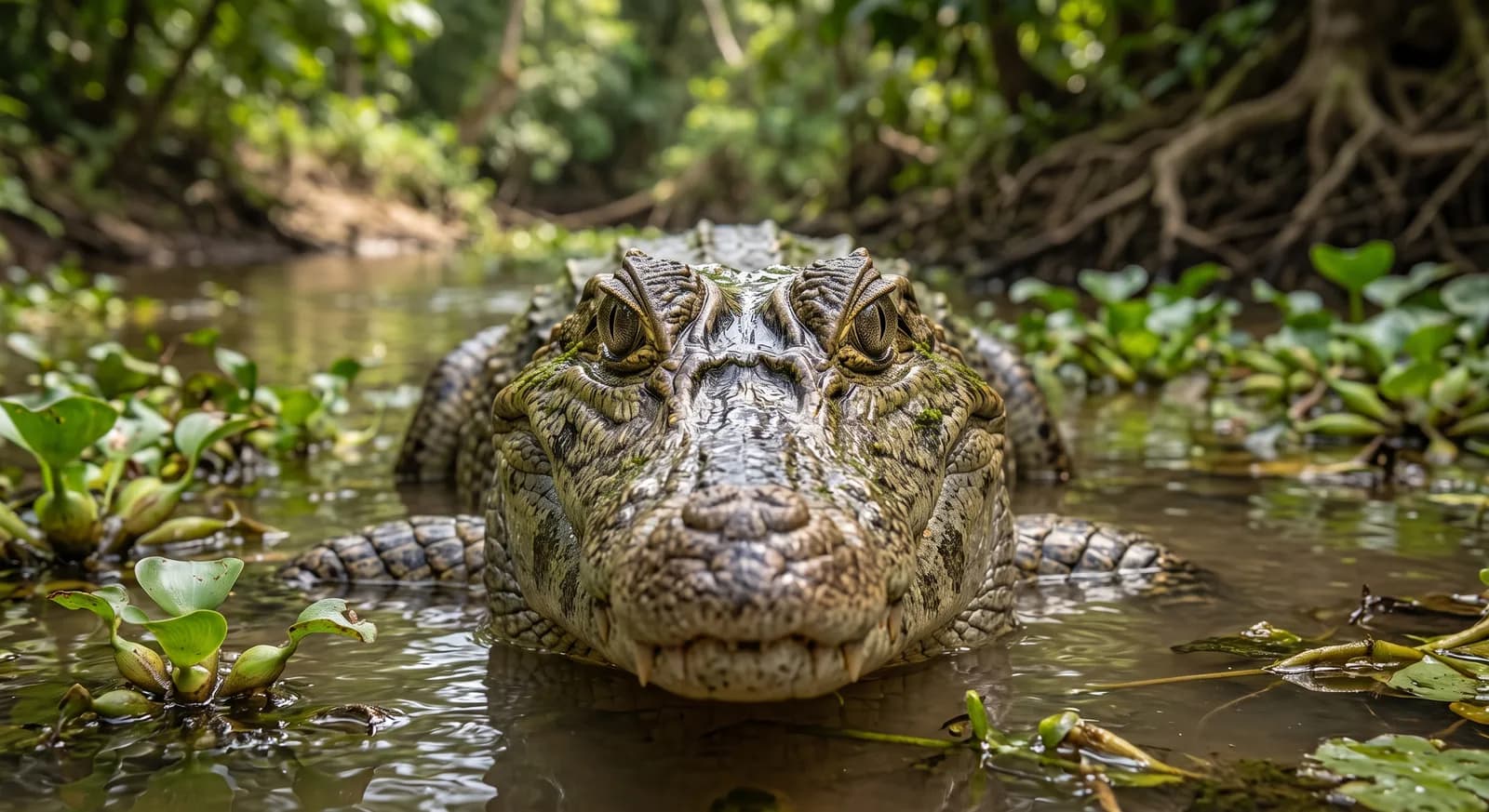
Spectacled CaimanLeast Concern

Spectacled Caiman

Caiman crocodilus

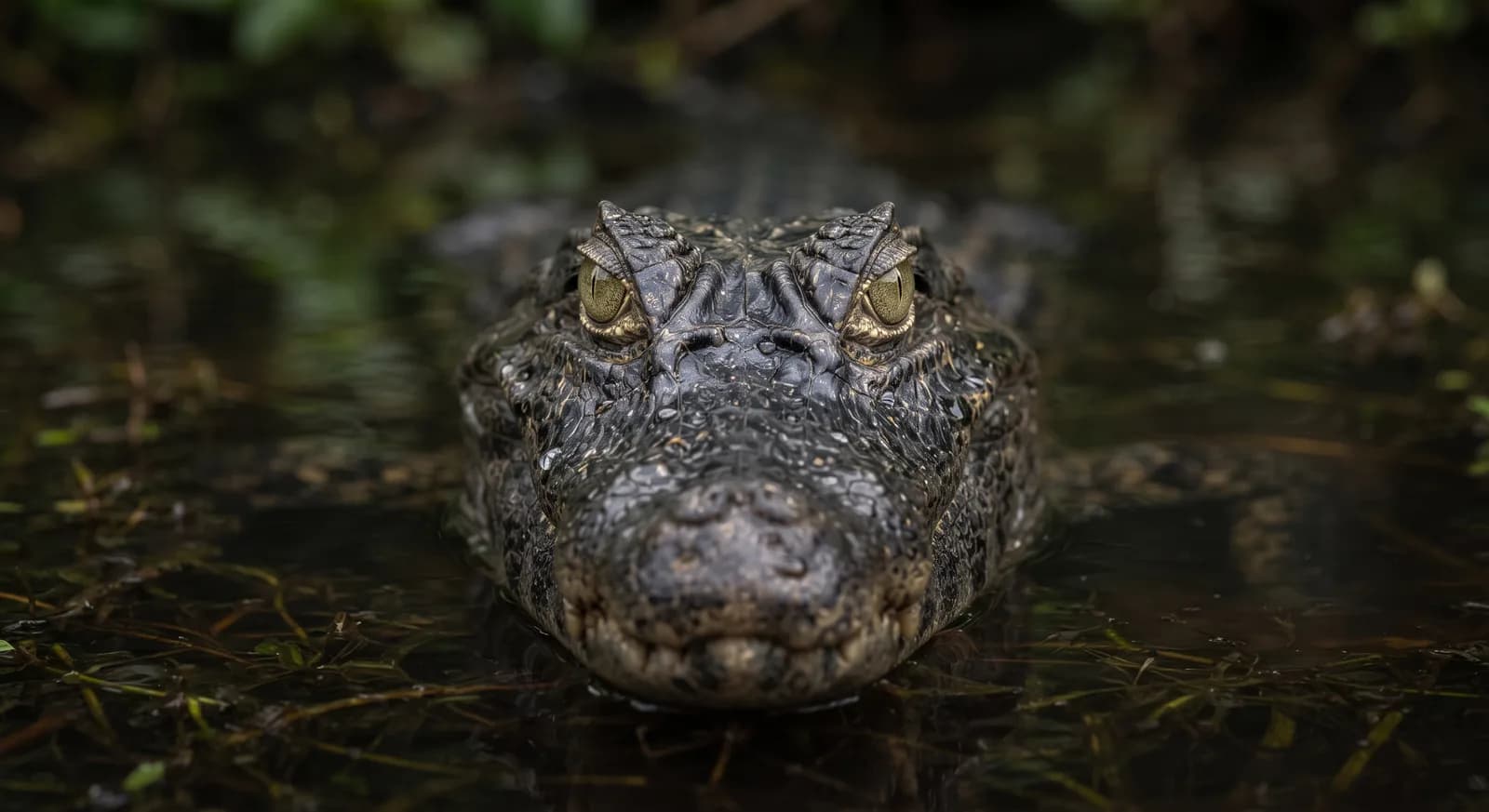
Black CaimanLeast Concern

Black Caiman

Melanosuchus niger

Least Concern

Dwarf Caiman

Paleosuchus palpebrosus

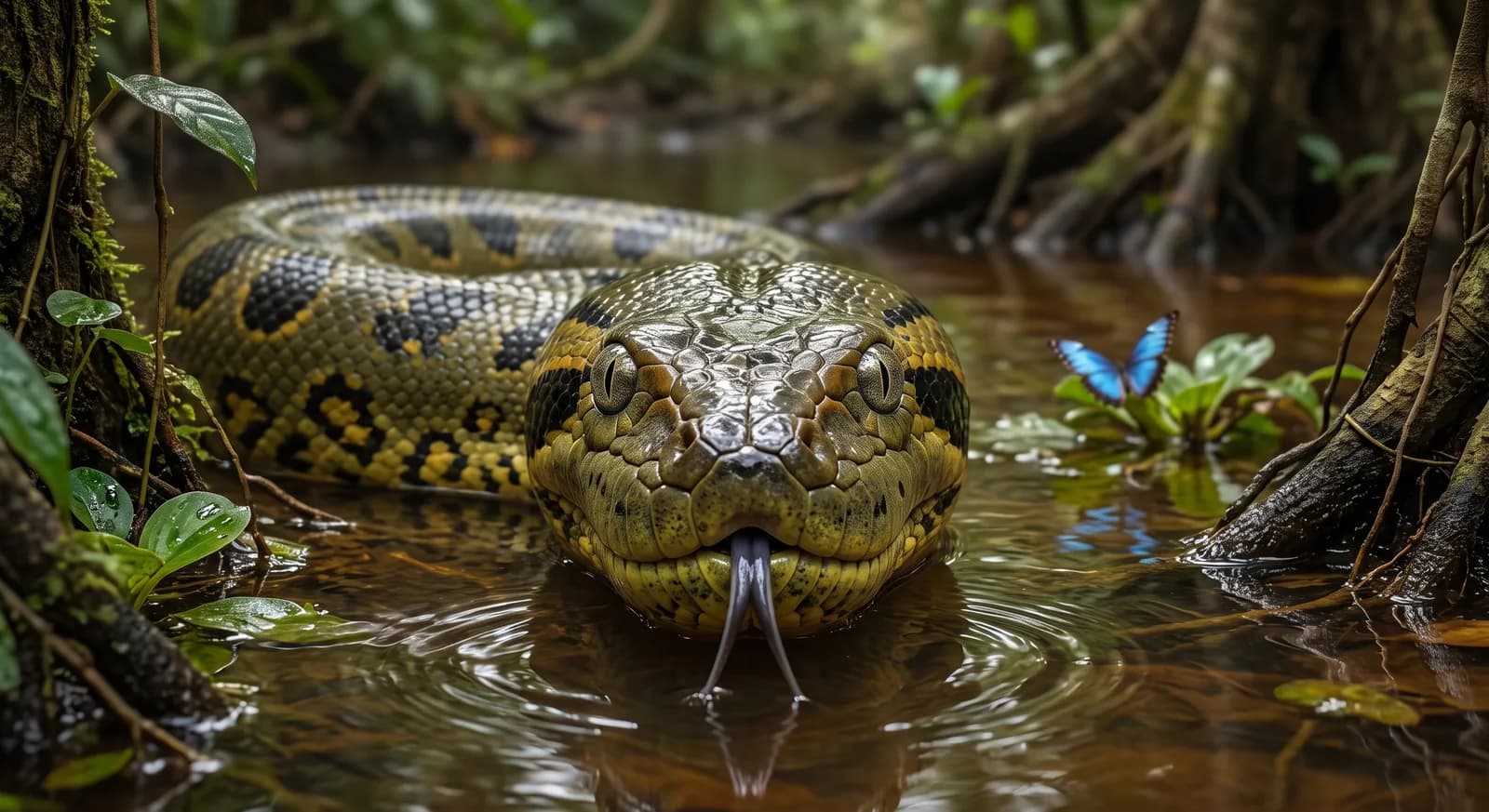
Green AnacondaLeast Concern

Green Anaconda

Eunectes murinus

Yellow AnacondaLeast Concern

Yellow Anaconda

Eunectes notaeus

CountriesPeru
ParksPantanal MatogrossenseBrazil
TagsCarnivore
Carnivore
Nocturnal
Solitary
Fish
Freshwater
Peru
Brazil
Bolivia
Colombia
Suriname
Ecuador
Argentina
Bolivia
Brazil
Colombia
Ecuador
French Guiana
Guyana
Paraguay
Peru
Suriname
Venezuela