Skip to content
WAnimals
  • Map
  • Species
  • Parks
  • Diving
Log inCreate account
WAnimals

The guide for travellers and animal lovers: discover, plan and share your wild adventures around the world.

Discover wildlife

  • Species
  • Ecosystems
  • Glossary
  • Tags

Explore places

  • Map
  • Countries
  • Parks
  • Diving

Plan experiences

  • Guides

Learn

  • Blog

Resources

  • About us
  • How we build our profiles
  • Help centre
  • Contact
  • Install the app

Follow us

Account

  • Log in
  • Create account

© 2026 WAnimals. All rights reserved.

Terms of servicePrivacyCookiesLegal notice
MapSpeciesParksDiving
  1. Home
  2. Species
  3. European House Dust Mite

One of the 2 mites on WAnimals

Arachnids · Acariformes · Pyroglyphidae

European House Dust Mite

Dermatophagoides pteronyssinus

Not Evaluated

It has not yet been assessed against the IUCN criteria.

Spotted something wrong?

Dermatophagoides pteronyssinus is one of the three best-known species of house dust mite.

Size

up to 0 cm

Diet

Omnivore

Combines animal and plant food depending on availability.

Social structure

Solitary

Lives and hunts alone, joining others only to breed.

6countries

Fun facts

  • GeneralIt measures 0.3 mm and feeds on flakes of skin; its droppings are the main cause of household respiratory allergy.
  • It depends entirely on ambient humidity: it absorbs water from the air and dies if relative humidity stays low, which is why it is all but absent in dry climates or at high altitude.
  • It neither bites nor parasitises anyone: the problem is the proteins in its droppings and in the remains of its body.
  • It is the most widespread source of indoor allergens in the world: between 1 and 2% of the population has an allergic reaction in its presence.
  • Its allergens are a leading cause of asthma, allergic rhinitis and atopic dermatitis.
  • The two main ones, called Der p 1 and Der p 2, account for 50 to 60% of the reactivity in sensitised people.
  • Der p 1 is a protease: it breaks down the barrier of the respiratory epithelium and activates immune cells, which explains how so tiny an animal causes so much.
  • Analysis of its proteome predicted 12,530 proteins and confirmed the expression of 4,002.
  • It is genetically closer to Euroglyphus maynei than to the other common house dust species, Dermatophagoides farinae.

Life cycle and biology

Skeleton type
Invertebrate - chitin exoskeleton (arachnid)
Habitat and environment
Mattresses, carpets, sofas and household textiles

Sources consulted: Wikipedia (es): Dermatophagoides pteronyssinus · ScienceDirect (Hughes 1989) · Science Advances, How colonial animals evolve · Wikipedia, Zooid

Where to find it

Loading map…

Related species

Other species in the catalogue with the most in common with European House Dust Mite — same habitat, park, country, tags or family.

Related to
Related to
Related to
Related to
Related to
Related to

Keep exploring

Based on what we already know about european house dust mite.
Share an experience, a fun fact or a tip for seeing the european house dust mite.
See full glossary
Temperate forest
OmnivoreColonialTemperate forestArachnid
This page in other languages: Español · Deutsch · Français · Português · Italiano
See its range on the interactive map→
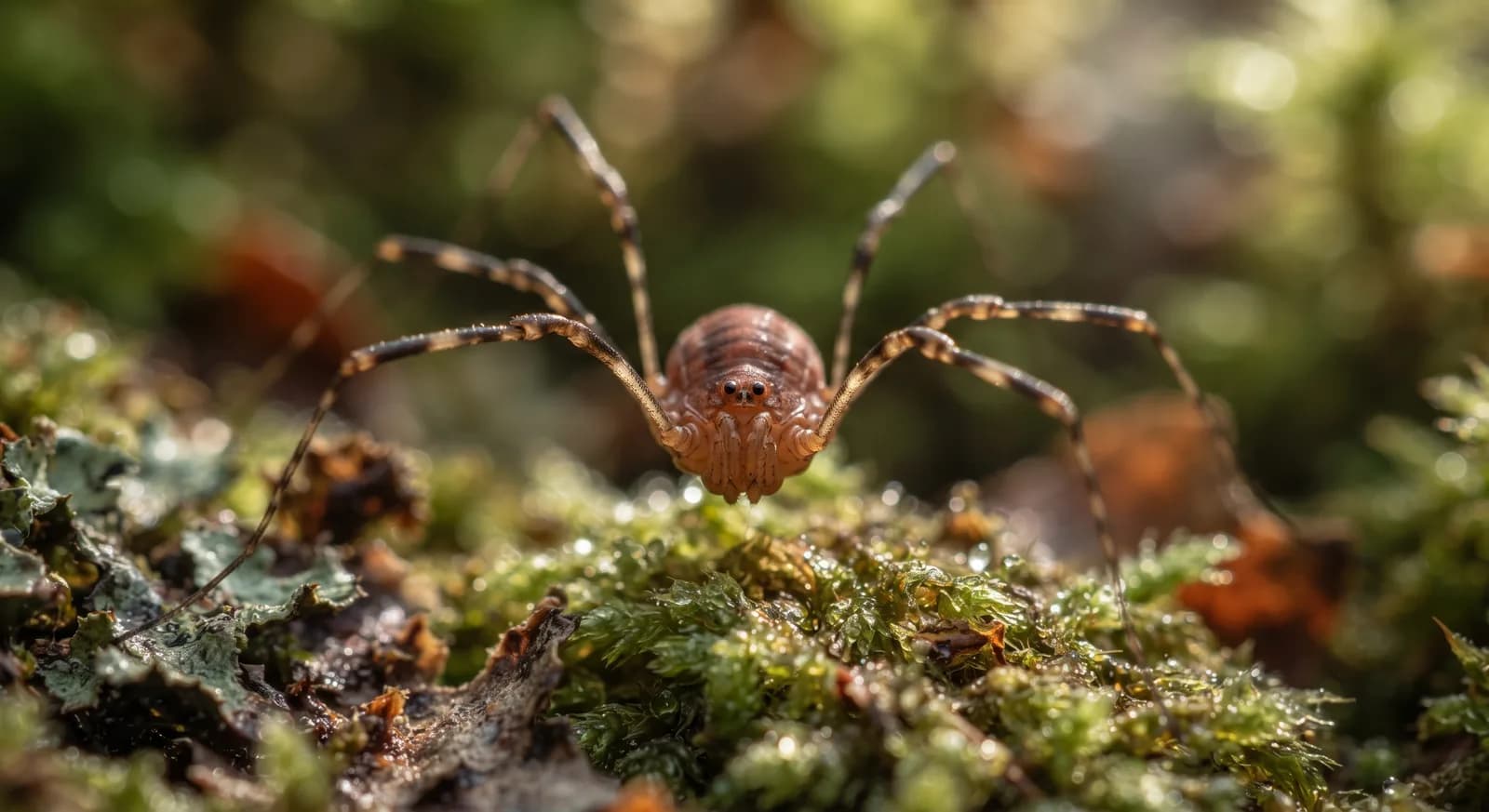
Common HarvestmanNot Evaluated

Common Harvestman

Leiobunum rotundum

Least Concern

Black Rat

Rattus rattus

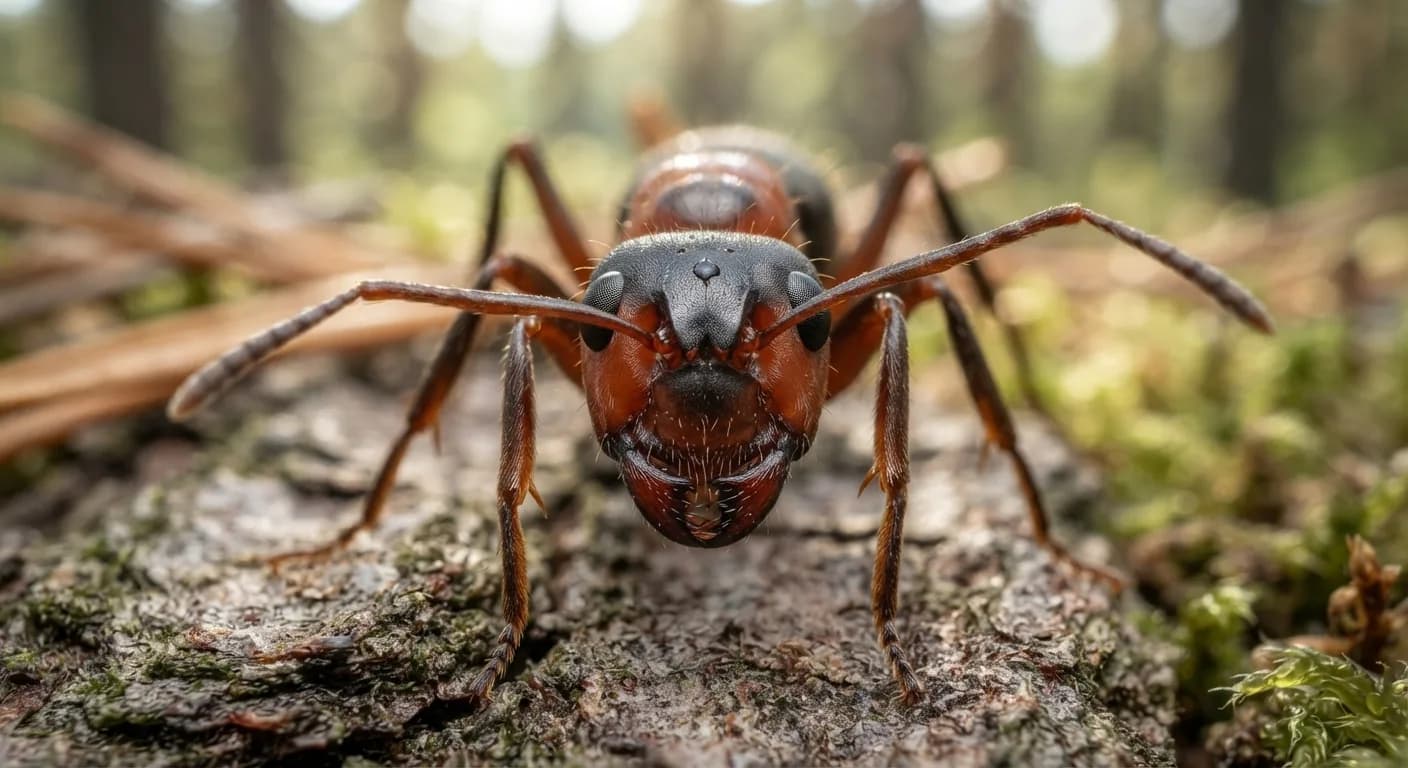
Red Wood AntNear Threatened

Red Wood Ant

Formica rufa

Not Evaluated

Asian Giant Hornet

Vespa mandarinia

Not Evaluated

Hercules Ant

Camponotus herculeanus

Not Evaluated

Red Bull Ant

Myrmecia gulosa

CountriesAustralia
TagsOmnivore
Australia
Brazil
Japan
Spain
United Kingdom
United States