Skip to content
WAnimals
  • Map
  • Species
  • Parks
  • Diving
Log inCreate account
WAnimals

The guide for travellers and animal lovers: discover, plan and share your wild adventures around the world.

Discover wildlife

  • Species
  • Ecosystems
  • Glossary
  • Tags

Explore places

  • Map
  • Countries
  • Parks
  • Diving

Plan experiences

  • Guides

Learn

  • Blog

Resources

  • Help centre
  • Contact
  • Install the app

Follow us

Account

  • Log in
  • Create account

© 2026 WAnimals. All rights reserved.

About usHow we build our profilesTerms of servicePrivacyLegal notice
MapSpeciesParksDiving
  1. Home
  2. Species
  3. Flamboyant Cuttlefish

One of the 2 cuttlefishes on WAnimals

Cephalopods · Sepiida · Sepiidae

Flamboyant Cuttlefish

Metasepia pfefferi

Data Deficient

There is not enough information to assess its risk of extinction.

Spotted something wrong?

Size

up to 8 cm

Diet

Carnivore

Feeds mainly on other animals.

Activity

Diurnal

Active mainly during the day.

Social structure

Solitary

Lives and hunts alone, joining others only to breed.

Sighting difficulty

Unknown

Ocean
6countries9parks19dive sites1same family

Fun facts

  • comportamientoIt can walk across the sea floor using two of its arms as legs rather than swimming, all the while flashing bright warning colours that signal how toxic it is.
  • GeneralIt walks the bottom on its arms and flashes colour as a warning that it is toxic.
  • It walks rather than swims. Its cuttlebone is too small to give it lasting buoyancy, so it moves across the bottom on two arms and two lobes of its mantle.
  • Disturbed, it sends waves of purple, red, yellow and white rippling across its body, an aposematic warning that its flesh is toxic.
  • Its flesh is toxic. It was found to contain a lethal compound distinct from tetrodotoxin, and it is the only cuttlefish known to be toxic in this way.
  • It hunts by shooting out its feeding tentacles in milliseconds, like other cuttlefish, and its prey are crustaceans and small fish.
  • It is active by day, which is unusual among cuttlefish.

Life cycle and biology

Skeleton type
Invertebrate - internal calcareous shell (cuttlebone)
Habitat and environment
Shallow sandy and muddy bottoms

Sources consulted: https://es.wikipedia.org/wiki/Ascarosepion_pfefferi; Anatomia de Cephalopoda; Wikipedia (Cuttlebone, Gladius); FAO, terminos tecnicos de cefalopodos

Where to find it

Loading map…

The pins mark the parks and dive sites where its presence is documented.

Where to see it

Parks and dive sites where this species has been documented — showing 19 of 28.

Related species

Other species in the catalogue with the most in common with Flamboyant Cuttlefish — same habitat, park, country, tags or family.

Shares a park
Shares a park
Shares a park
Shares a park
Shares a park
Shares a park

Keep exploring

Based on what we already know about flamboyant cuttlefish.

Comments

Share an experience, a fun fact or a tip for seeing the flamboyant cuttlefish.

Be the first to comment.
See full glossary
This page in other languages: Español · Deutsch · Français · Português · Italiano
See its range on the interactive map→
KomodoIndonesia
Great Barrier ReefAustralia
NingalooAustralia
Cape RangeAustralia
Tubbataha ReefsPhilippines
Bali BaratIndonesia
BunakenIndonesia
KarimunjawaIndonesia
WakatobiIndonesia
Komodo National ParkIndonesia
Bunaken Marine ParkIndonesia
USAT Liberty (Tulamben)Indonesia
Amed and Jemeluk BayIndonesia
Lembeh StraitIndonesia
Wakatobi National ParkIndonesia
Alor ArchipelagoIndonesia
Mabul IslandMalaysia
AnilaoPhilippines
Ningaloo ReefAustralia
See all 19 dive sites
Vulnerable

Blacktip Reef Shark

Carcharhinus melanopterus

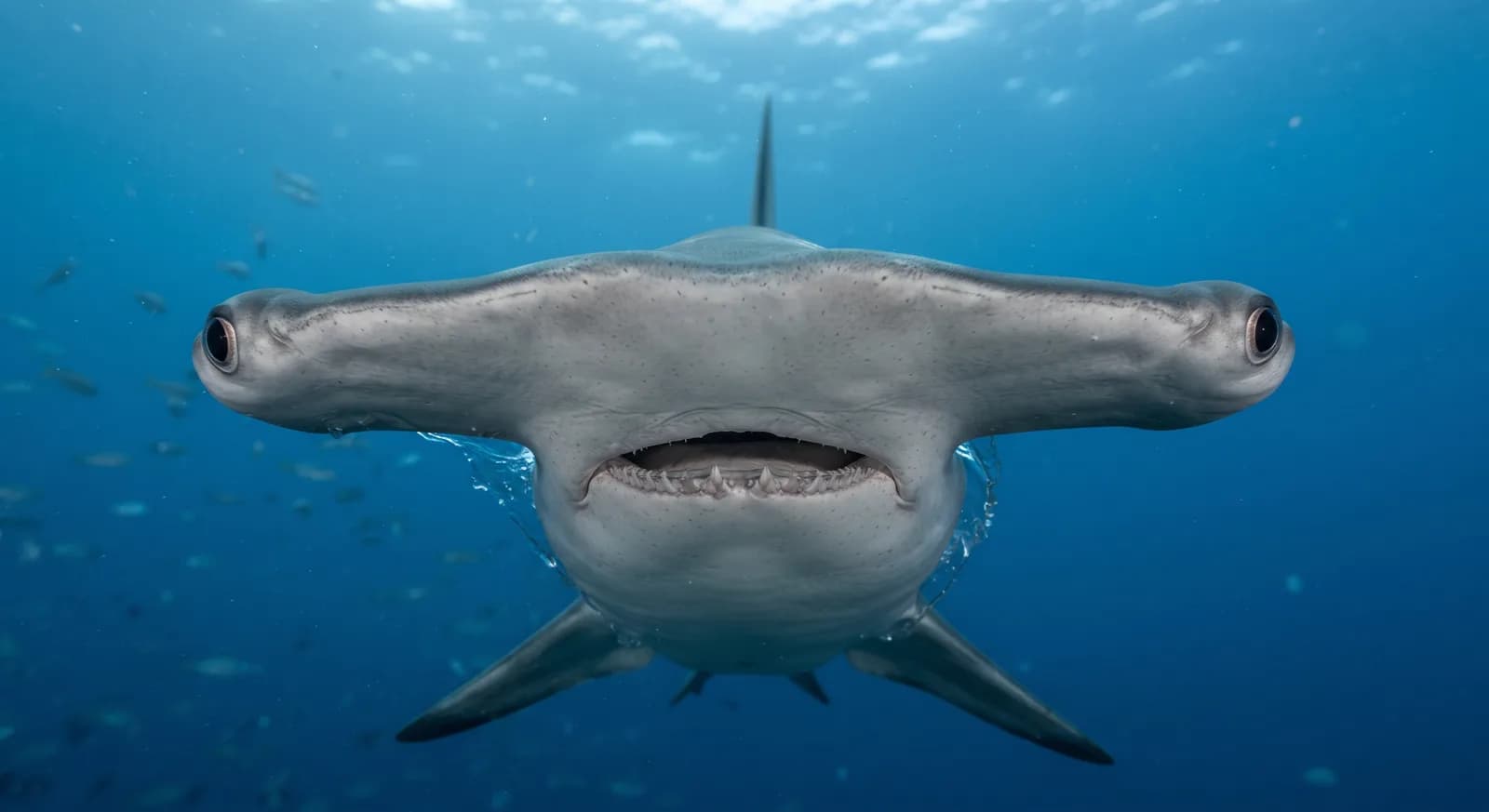
Great HammerheadCritically Endangered

Great Hammerhead

Sphyrna mokarran

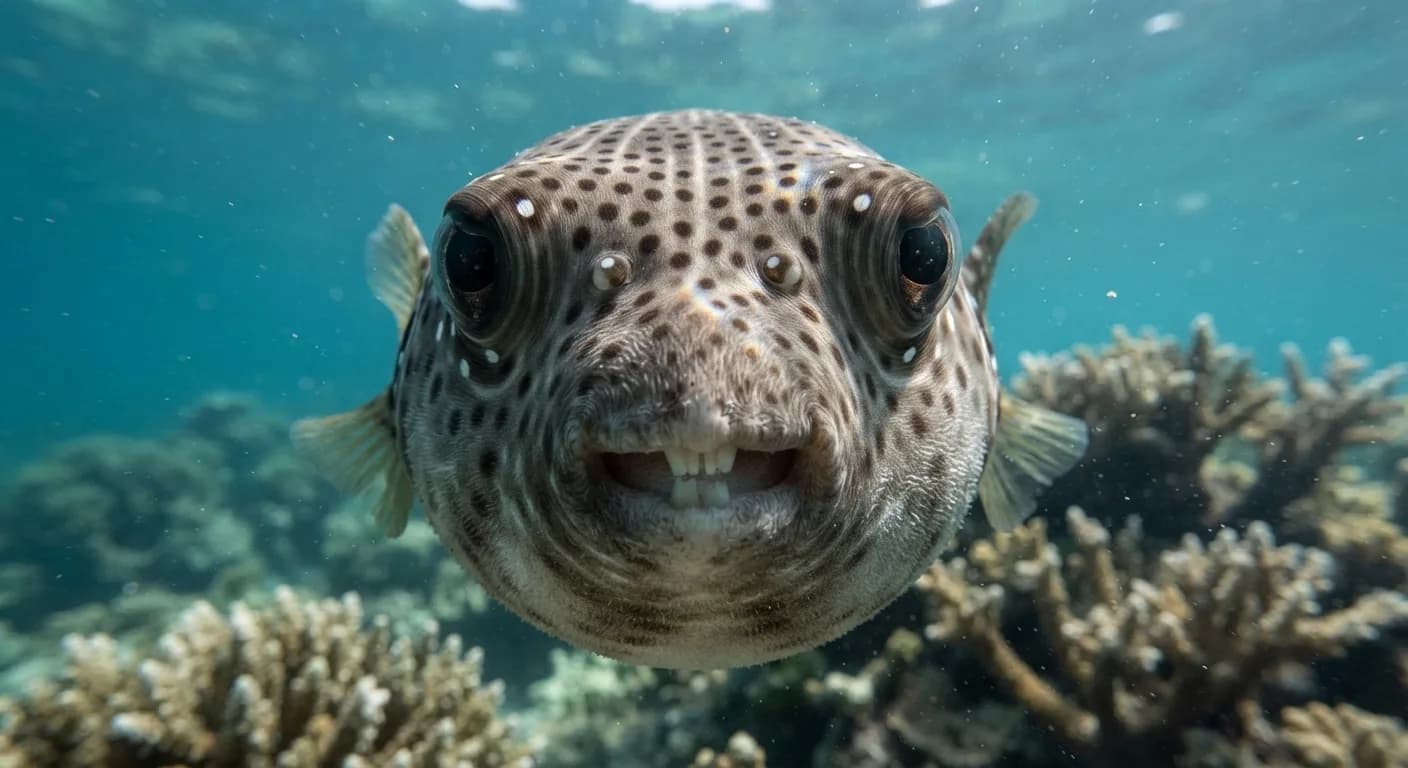
White-spotted PufferLeast Concern

White-spotted Puffer

Arothron hispidus

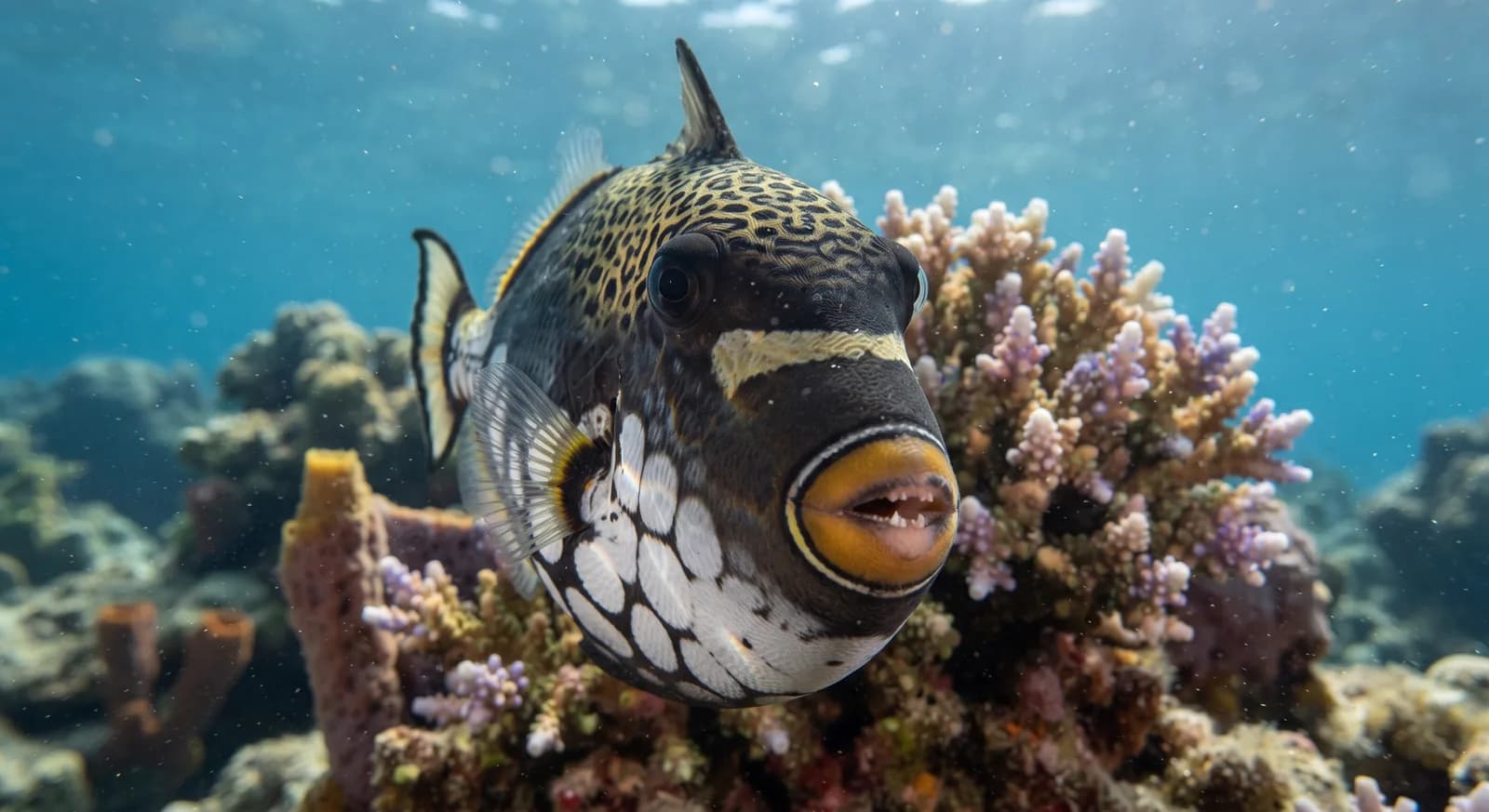
Clown TriggerfishLeast Concern

Clown Triggerfish

Balistoides conspicillum

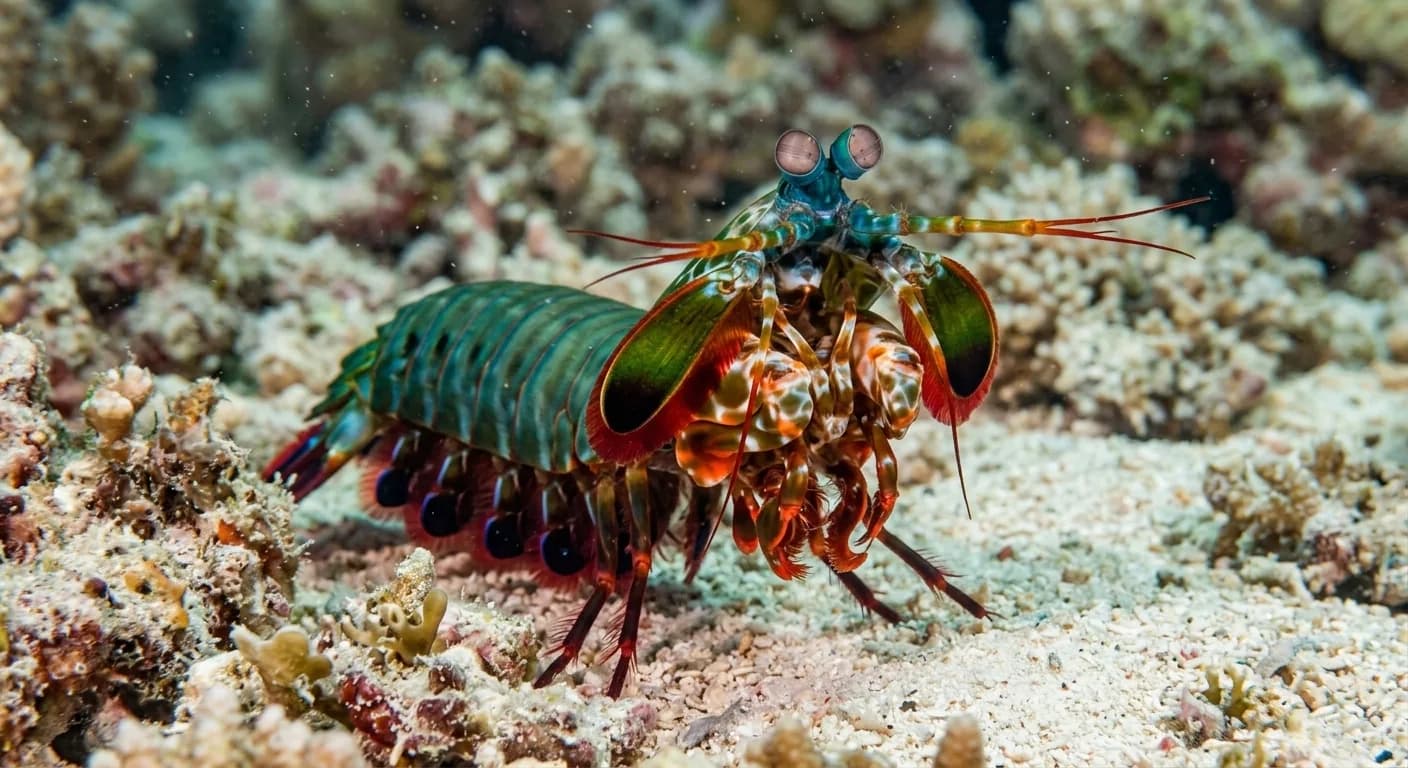
Peacock Mantis ShrimpNot Evaluated

Peacock Mantis Shrimp

Odontodactylus scyllarus

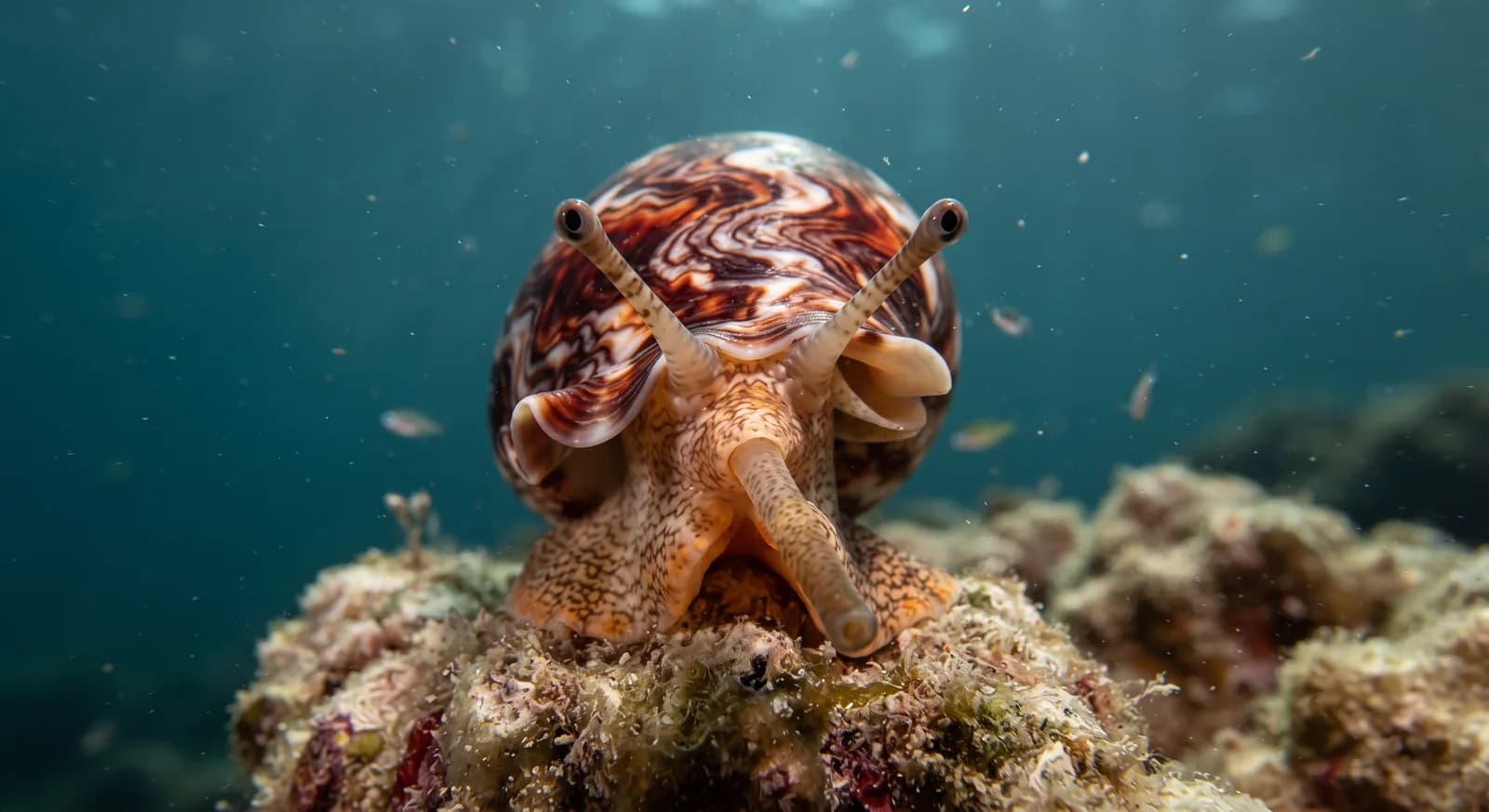
Geography ConeLeast Concern

Geography Cone

Conus geographus

CountriesIndonesia
ParksKomodoIndonesia
TagsCarnivore
Carnivore
Diurnal
Solitary
Ocean
Mollusc
Indonesia
Australia
Philippines
Malaysia
Papua New Guinea
Vietnam