Skip to content
WAnimals
  • Map
  • Species
  • Parks
  • Diving
Log inCreate account
WAnimals

The guide for travellers and animal lovers: discover, plan and share your wild adventures around the world.

Discover wildlife

  • Species
  • Ecosystems
  • Glossary
  • Tags

Explore places

  • Map
  • Countries
  • Parks
  • Diving

Plan experiences

  • Guides

Learn

  • Blog

Resources

  • About us
  • How we build our profiles
  • Help centre
  • Contact
  • Install the app

Follow us

Account

  • Log in
  • Create account

© 2026 WAnimals. All rights reserved.

Terms of servicePrivacyCookiesLegal notice
MapSpeciesParksDiving
  1. Home
  2. Species
  3. Iberian Wolf

One of the 6 wolves on WAnimals

Iberian Wolf (Canis lupus signatus)

Mammals · Carnivora · Canidae

Iberian Wolf

Canis lupus signatus

Not Evaluated

It has not yet been assessed against the IUCN criteria.

Spotted something wrong?

The Iberian wolf is the subspecies of grey wolf native to the Iberian Peninsula, described by Ángel Cabrera in 1907. It is told apart by its somewhat smaller size than the central European wolf, its greyish-brown coat and its characteristic dark markings. It lives in family packs holding territories of 150 to 350 km² and feeds on roe deer, wild boar and red deer and, in farmed areas, on livestock and carrion. After coming close to extinction in the mid-20th century, it has recovered and today occupies Galicia, Asturias, Cantabria, Castile and León and northern Portugal.

Weight

25 kg – 45 kg

Size

1 m – 1.4 m

Life expectancy
10 years

Diet

Carnivore

Feeds mainly on other animals.

Activity

Nocturnal

Active mainly at night.

Estimated population

Some 2,000-2,500 individuals in Spain (the 2012-2014 national survey: 297 packs) and a few hundred in Portugal

Temperate forestMountainGrassland
2countries7parks34same family

AI-generated images: illustrations, not photographs.

Fun facts

  • GeneralA subspecies found only in the Iberian Peninsula; its population is concentrated north of the Duero.
  • The epithet signatus means marked and refers to the dark patches on the upper lip, the black bands on the forelegs and the dark patch on the tail.
  • It is the only wolf in the world that coexists stably with human densities as high as those of the north-west of the Iberian Peninsula.

Life cycle and biology

Skeleton type
Vertebrate - internal bony skeleton (mammal)
Habitat and environment
Sierras, scrub, woodland and cereal farmland of north-western Iberia
Sexual maturity
22 months
Gestation / incubation
63 days
Litter / clutch size
5

Sources consulted: IUCN Red List · Animal Diversity Web · Wikipedia (es)

Where to find it

Loading map…

The pins mark the parks where its presence is documented.

Where to see it

Parks and dive sites where this species has been documented.

Related species

Other species in the catalogue with the most in common with Iberian Wolf — same habitat, park, country, tags or family.

Same taxonomic family
Shares a park
Shares a park
Shares a park
Shares a park
Shares a park

Related guides

Keep exploring

Based on what we already know about iberian wolf.

Share an experience, a fun fact or a tip for seeing the iberian wolf.
See full glossary
This page in other languages: Español · Deutsch · Français · Português · Italiano
See its range on the interactive map→
Picos de EuropaSpain
Peneda-GerêsPortugal
Sierra de GuadarramaSpain
SomiedoSpain
RedesSpain
Douro InternacionalPortugal
Serra da EstrelaPortugal
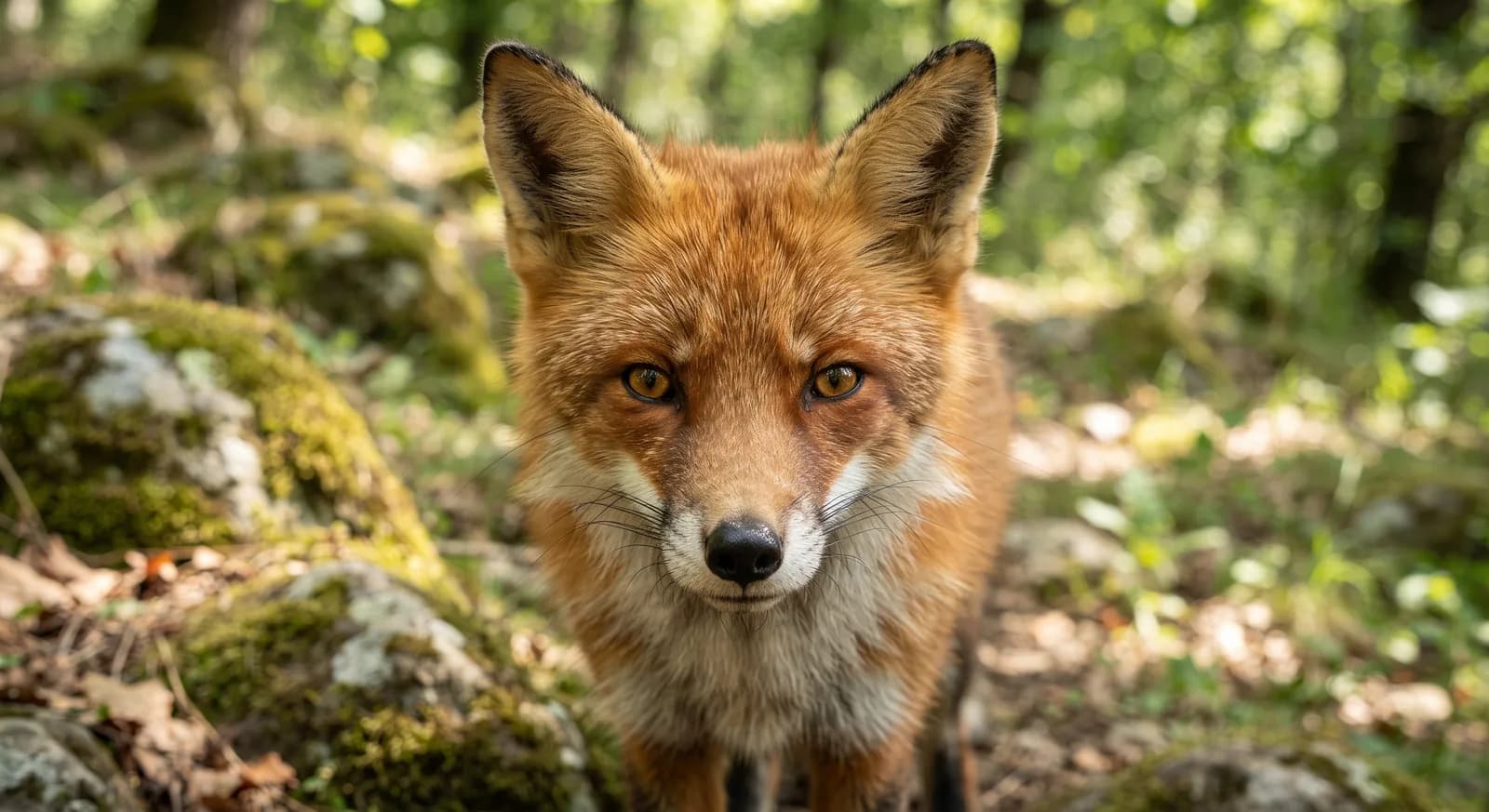
Red FoxLeast Concern

Red Fox

Vulpes vulpes

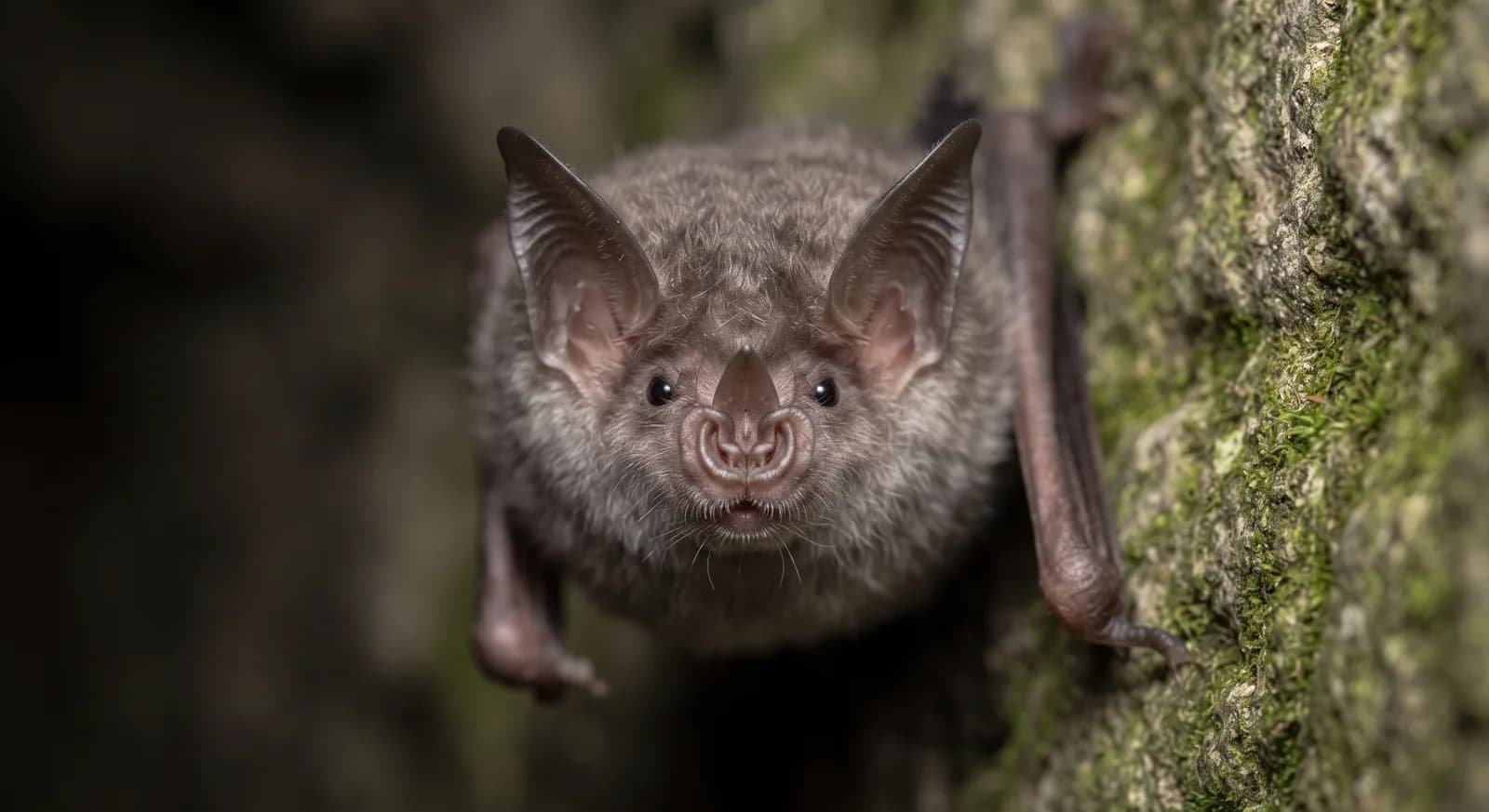
Greater Horseshoe BatLeast Concern

Greater Horseshoe Bat

Rhinolophus ferrumequinum

Least Concern

Common Pipistrelle

Pipistrellus pipistrellus

Least Concern

Least Weasel

Mustela nivalis

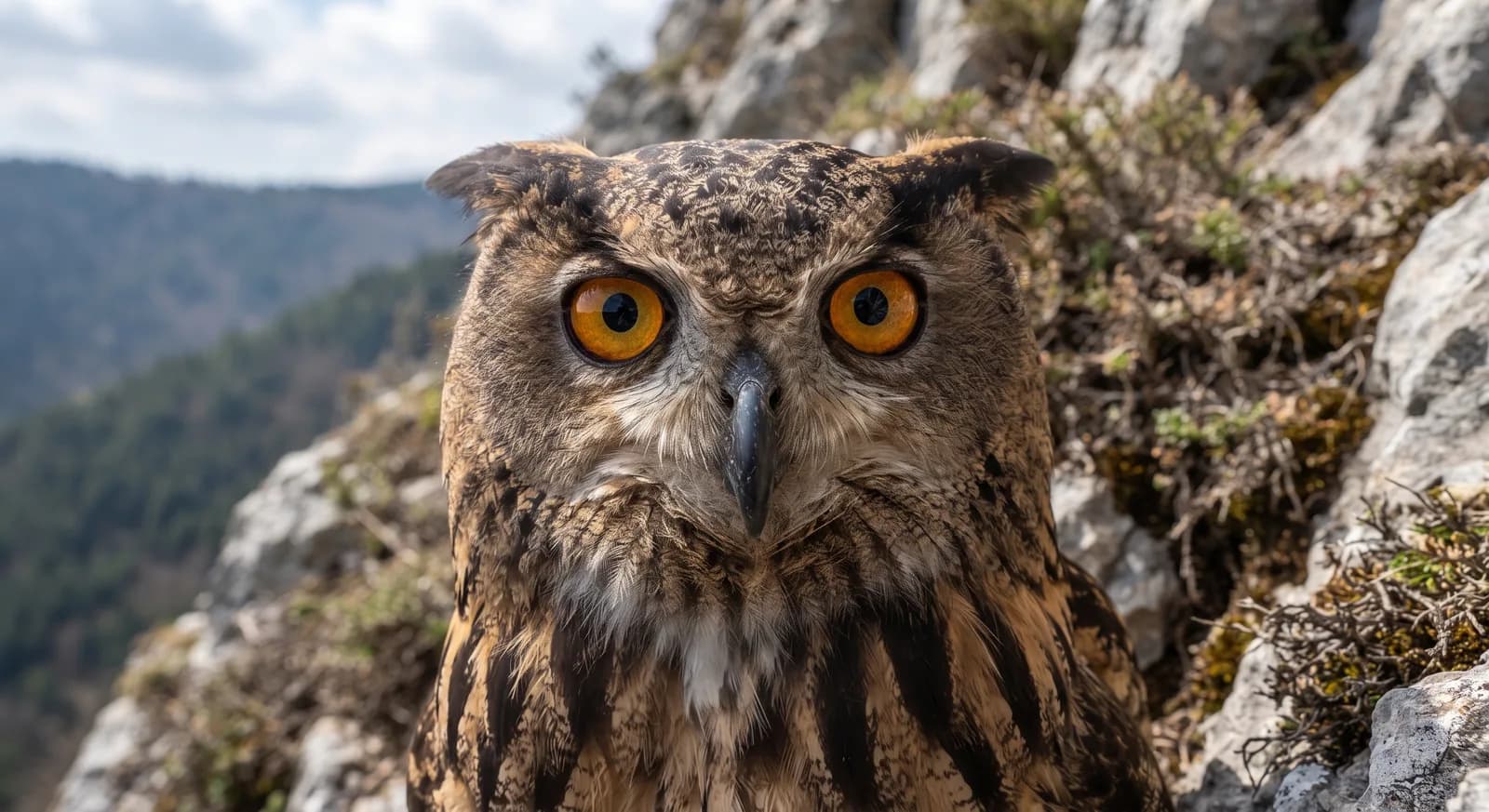
Eurasian Eagle-OwlLeast Concern

Eurasian Eagle-Owl

Bubo bubo

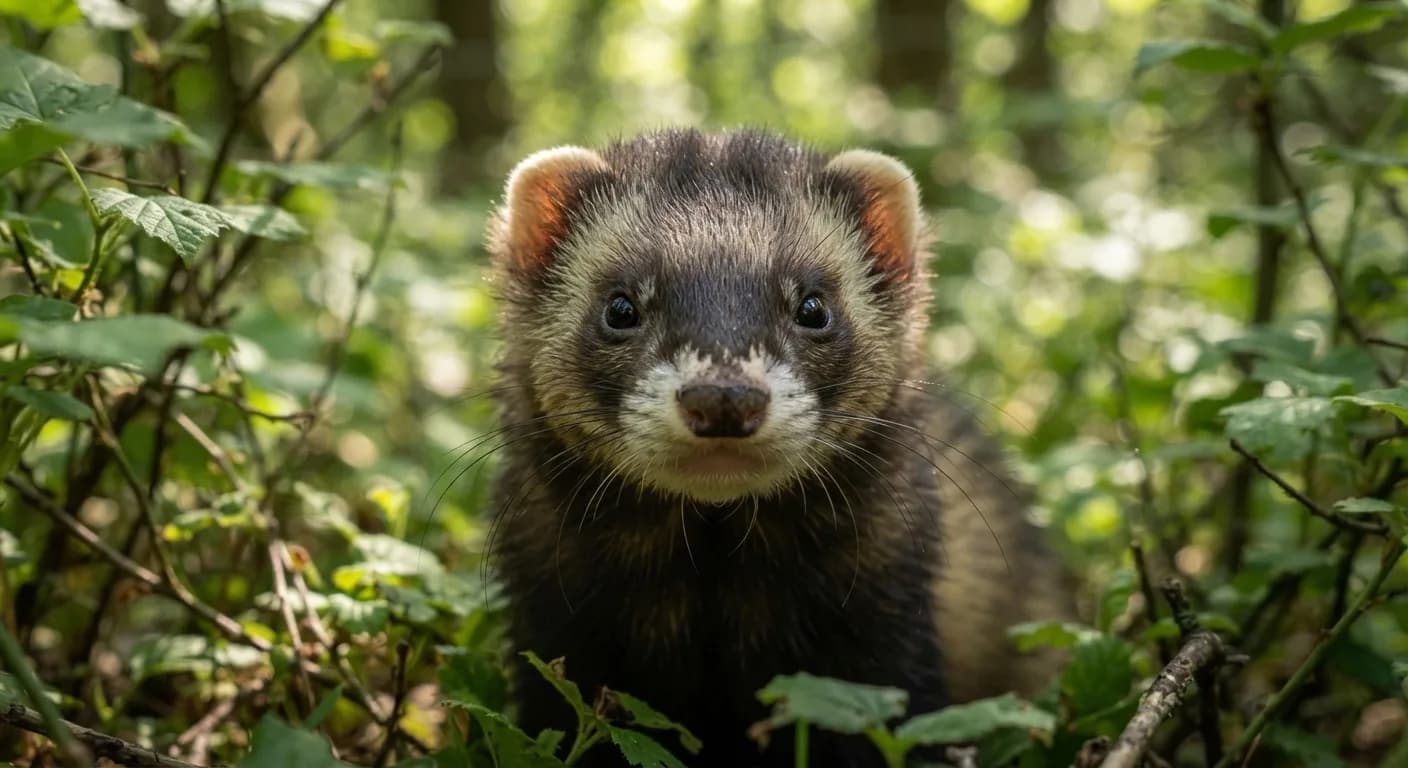
PolecatLeast Concern

Polecat

Mustela putorius

Where to see Iberian Wolf7 places
CountriesSpain
ParksPicos de EuropaSpain
TagsCarnivore
Carnivore
Nocturnal
Temperate forest
Mountain
Grassland
Mammal
Spain
Portugal