Skip to content
WAnimals
  • Map
  • Species
  • Parks
  • Diving
Log inCreate account
WAnimals

The guide for travellers and animal lovers: discover, plan and share your wild adventures around the world.

Discover wildlife

  • Species
  • Ecosystems
  • Glossary
  • Tags

Explore places

  • Map
  • Countries
  • Parks
  • Diving

Plan experiences

  • Guides

Learn

  • Blog

Resources

  • About us
  • How we build our profiles
  • Help centre
  • Contact
  • Install the app

Follow us

Account

  • Log in
  • Create account

© 2026 WAnimals. All rights reserved.

Terms of servicePrivacyCookiesLegal notice
MapSpeciesParksDiving
  1. Home
  2. Species
  3. Magpie Goose

One of the 4 geese on WAnimals

Birds · Anseriformes · Anseranatidae

Magpie Goose

Anseranas semipalmata

Least Concern

The species is abundant and widely distributed; it faces no significant short-term risk.

Spotted something wrong?

The magpie goose is an unusual anseriform and the only living member of its family: its closest relatives split from the ducks and geese tens of millions of years ago. It is black and white with very long legs and only partly webbed feet. Unlike every other anseriform it does not moult all its flight feathers at once, so it never loses the ability to fly.

Weight

2 kg – 3 kg

Size

70 cm – 90 cm

Life expectancy

25 years

Diet

Herbivore

Feeds mainly on plants.

Activity

Diurnal

Active mainly during the day.

FreshwaterGrassland
3countries10parks

Fun facts

  • It is the only anseriform in the world that is not left unable to fly during the moult: it renews its flight feathers gradually, while ducks, geese and swans spend weeks unable to take off.
  • It is frequently polygamous: a male lives permanently with two females that lay in the same nest and raise the brood together, a trio that can last for years.
  • The chicks are fed directly by the parents bill to bill, which is exceptional in the group: ducks and geese hatch looking for their own food.

Life cycle and biology

Skeleton type
Vertebrate - internal bony skeleton (bird)
Habitat and environment
Floodplains, marshes and seasonal wetlands of northern Australia and southern New Guinea
Sexual maturity
2 years
Gestation / incubation
28 days of incubation
Litter / clutch size
8 eggs

Sources consulted: Wikipedia (es): Anseranas semipalmata

Where to find it

Loading map…

The pins mark the parks where its presence is documented.

Where to see it

Parks and dive sites where this species has been documented.

Related species

Other species in the catalogue with the most in common with Magpie Goose — same habitat, park, country, tags or family.

Shares a park
Shares a park
Shares a park
Shares a park
Shares a park
Shares a park

Keep exploring

Based on what we already know about magpie goose.
Share an experience, a fun fact or a tip for seeing the magpie goose.
See full glossary
This page in other languages: Español · Deutsch · Français · Português · Italiano
See its range on the interactive map→
LorentzIndonesia
KakaduAustralia
K'gari (Fraser Island)Australia
Nitmiluk (Katherine Gorge)Australia
LitchfieldAustralia
Carnarvon GorgeAustralia
Boodjamulla (Lawn Hill)Australia
WasurIndonesia
Rinyirru (Lakefield)Australia
TondaPapua New Guinea
Least Concern

Sulphur-crested Cockatoo

Cacatua galerita

Least Concern

Black Swan

Cygnus atratus

Least Concern

Galah

Eolophus roseicapilla

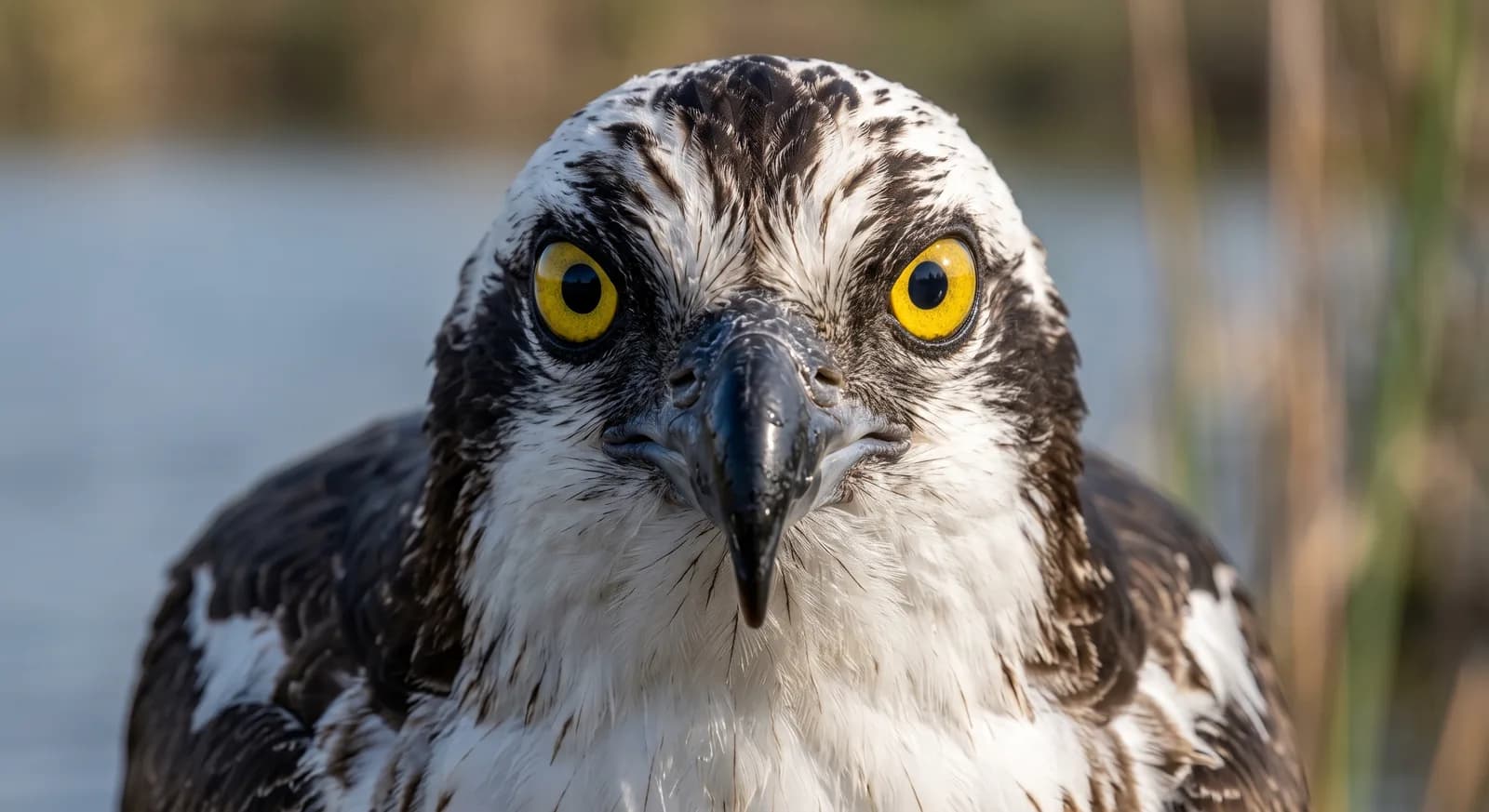
OspreyLeast Concern

Osprey

Pandion haliaetus

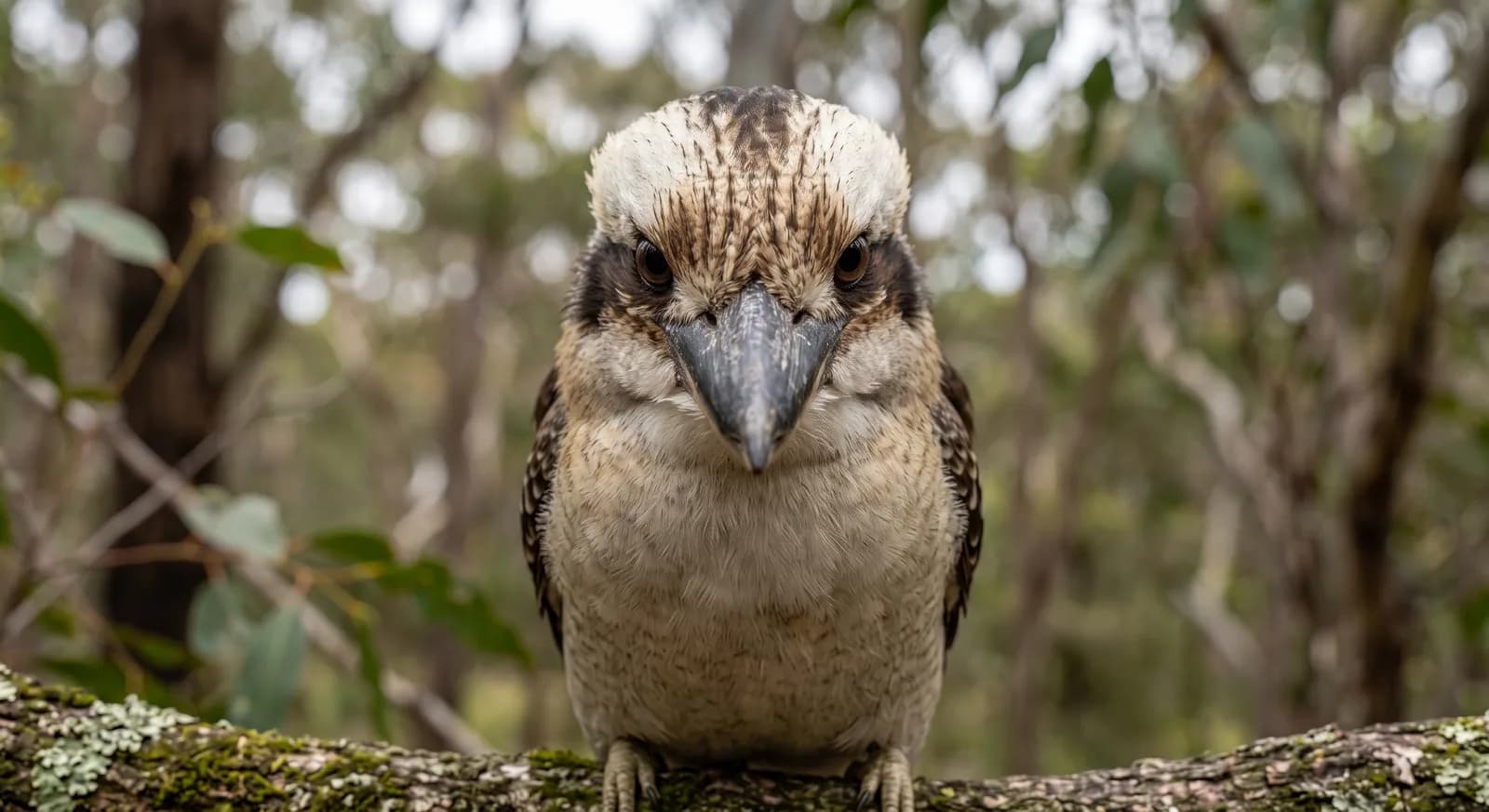
Laughing KookaburraLeast Concern

Laughing Kookaburra

Dacelo novaeguineae

Least Concern

Eastern Snake-necked Turtle

Chelodina longicollis

CountriesAustralia
ParksLorentzIndonesia
TagsHerbivore
Herbivore
Diurnal
Bird
Freshwater
Grassland
Australia
Indonesia
Papua New Guinea