 Endangered
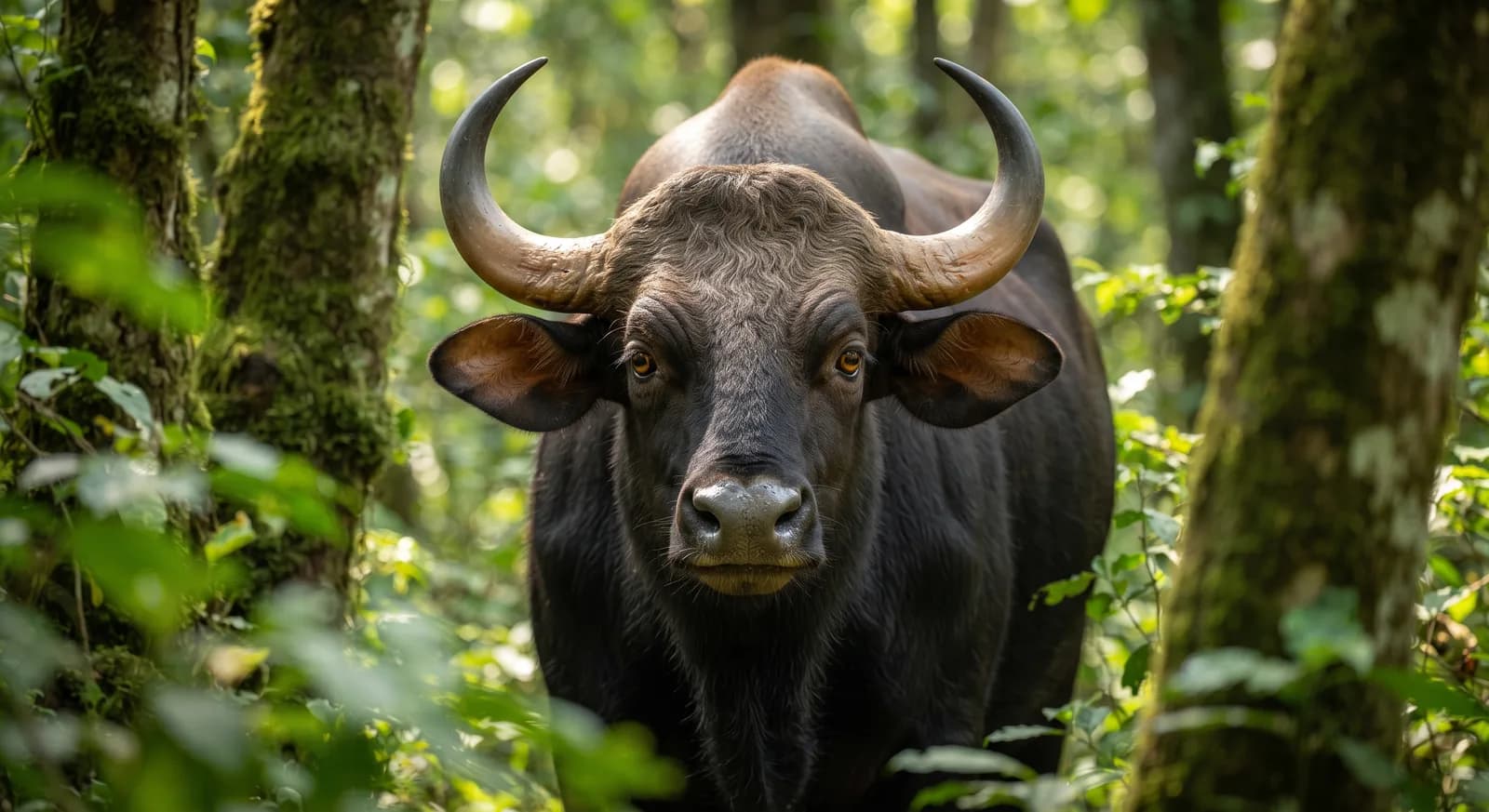
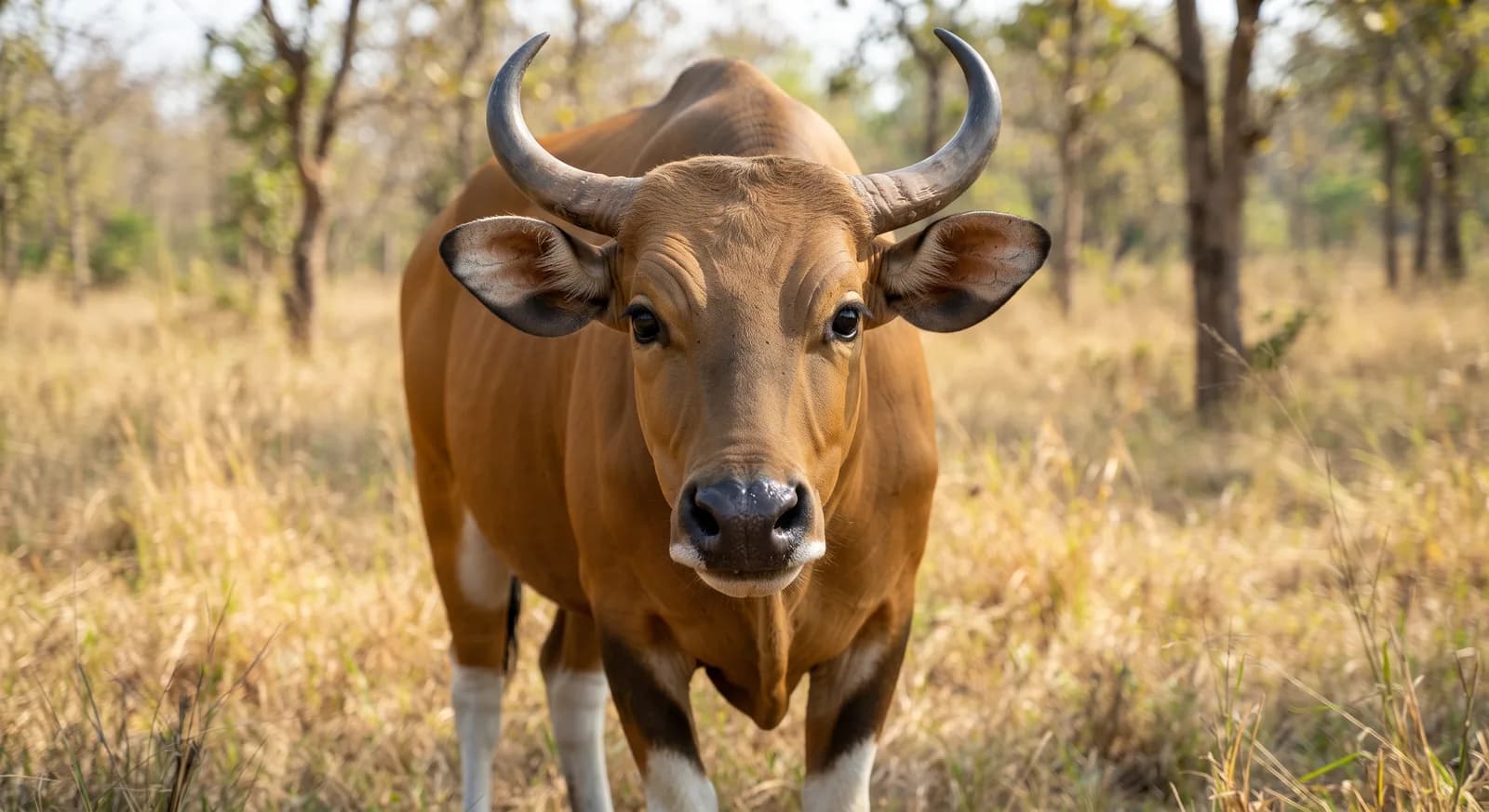
Banteng
Bos javanicus
Mammals · Artiodactyla · Bovidae
Pseudoryx nghetinhensis
At extremely high risk of imminent extinction in the wild.
The saola is a bovid of the forests of the Annamite Range, with two straight, sharp horns that can be more than 50 centimetres long and striking white markings on the face. It was discovered in 1992 and was the first new large mammal known to science in more than half a century. It is so rare and so elusive that no biologist has ever seen a live animal in the wild: everything known about it comes from camera traps, from a few captured animals that died in captivity and from trophies kept by villagers.
Weight
80 kg – 100 kg
Size
1.5 m – 1.8 m
Diet
Herbivore
Feeds mainly on plants.
Social structure
Solitary
Lives and hunts alone, joining others only to breed.
Estimated population
Unknown; the most frequently cited estimates speak of fewer than a hundred individuals, and it may already be extinct
Sources consulted: Wikipedia (es): Pseudoryx nghetinhensis
Best time: All year round in the Annamite Range, between Vietnam and Laos, although there have been no confirmed records for years: the last ones came from camera traps.
Other species in the catalogue with the most in common with Saola — same habitat, park, country, tags or family.
The saola is classified as critically endangered. Organisations such as the IUCN, WWF and the Wildlife Conservation Society work specifically on its conservation and that of its habitat; looking into their programmes is a good starting point if you want to get involved.
Based on what we already know about saola.