 Vulnerable
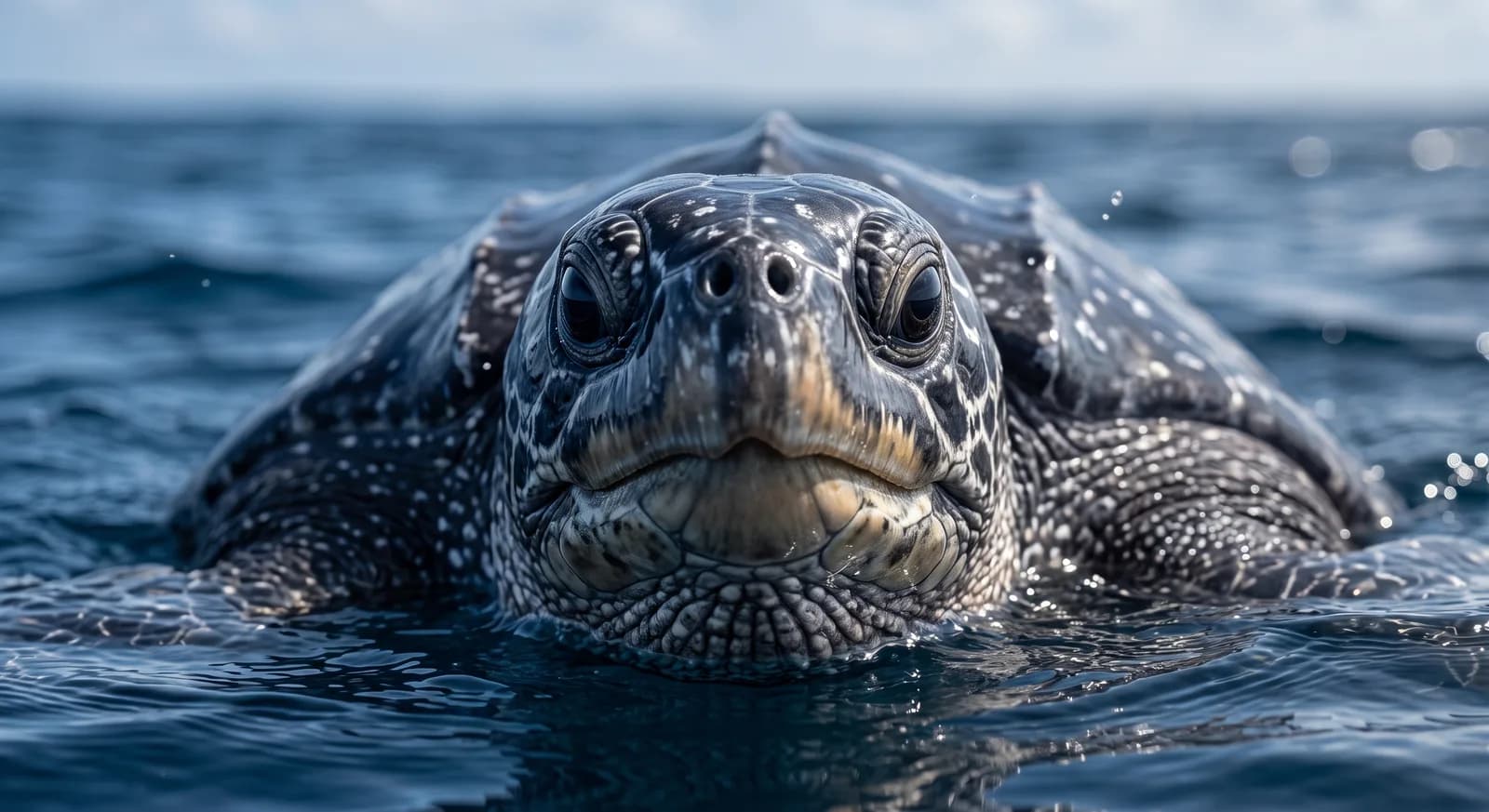
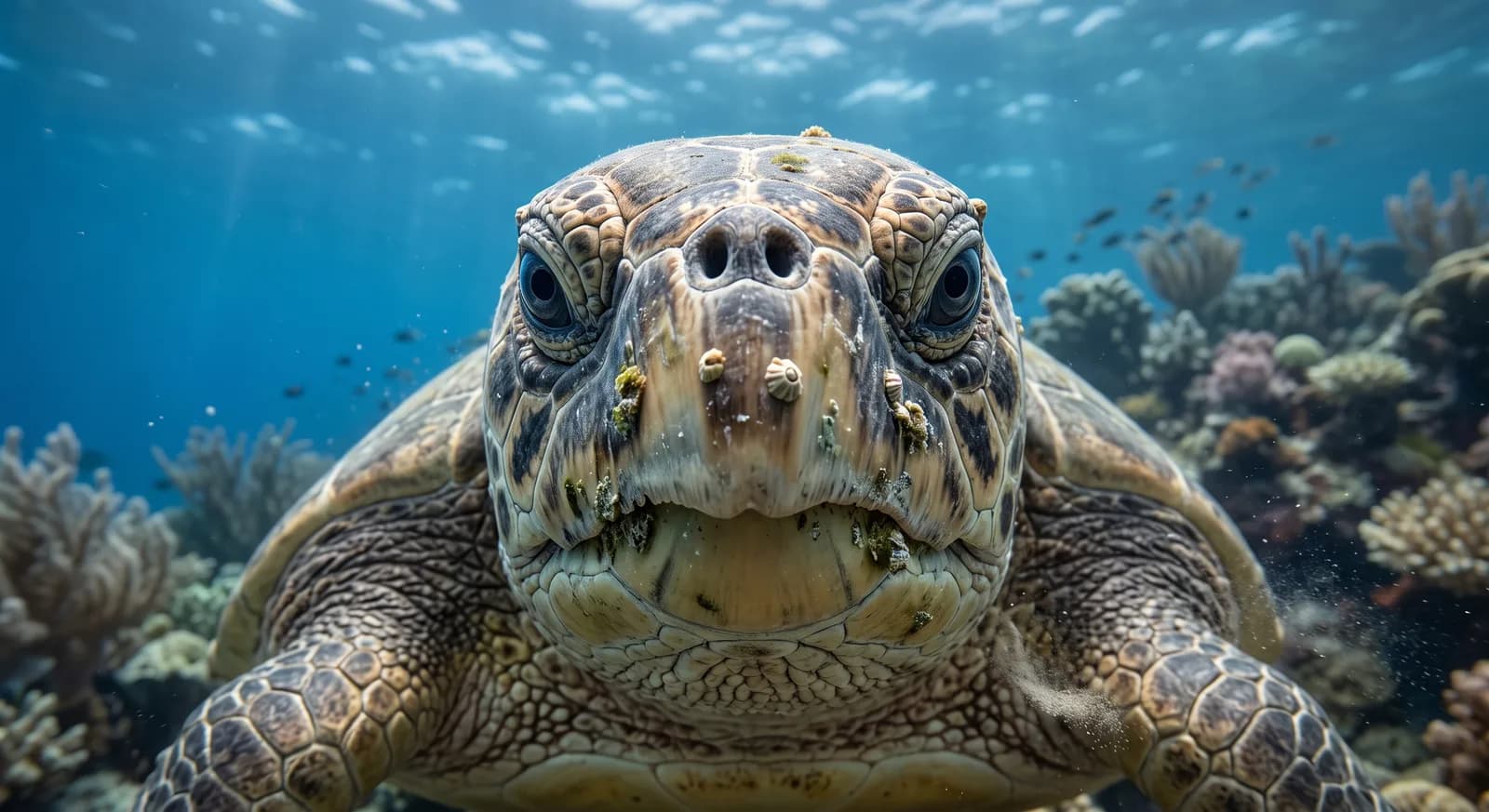
Loggerhead Turtle
Caretta caretta
North America
The Bahamas is an archipelago of some seven hundred islands and more than two thousand cays sitting on two gigantic limestone banks, with shallow water of exceptional clarity. Andros, the largest island, is fringed by the third longest barrier reef in the world and riddled with hundreds of blue holes, flooded vertical cavities formed when sea level was lower and which hold fauna adapted to darkness and to the absence of oxygen. The sandy bottoms and seagrass meadows sustain turtles, rays and sharks, and the islands' mangroves act as fish nurseries. In the south, the island of Great Inagua holds extensive salt pans ringed by shallow lagoons.
National animal: The American flamingo, the national bird; the blue marlin is the national fish
The American flamingo came close to disappearing from the Caribbean: by the middle of the twentieth century a few thousand birds remained and the Bahamian colony was on the brink of collapse from hunting and egg collecting. Protecting Great Inagua allowed it to recover to more than eighty thousand birds, which makes it the largest breeding colony of the species in the world and the reason the flamingo is the national bird.
Exuma Cays park, created in 1958, was the first marine protected area in the Caribbean and one of the first no-take marine reserves in the world, and today it works as a source of lobster and conch larvae for the whole region. Increasingly intense hurricanes are the greatest threat to the low-lying islands.
Inagua between November and May for flamingos. Exuma Cays year-round for iguanas and reefs. Andros for blue holes and pine woodland birds.
Where else might I want to travel?
Same region: Central America and the Caribbean
Same region: Central America and the Caribbean
Same region: Central America and the Caribbean
Same region: Central America and the Caribbean
173 species found
Based on what we already know about Bahamas.