 Endangered
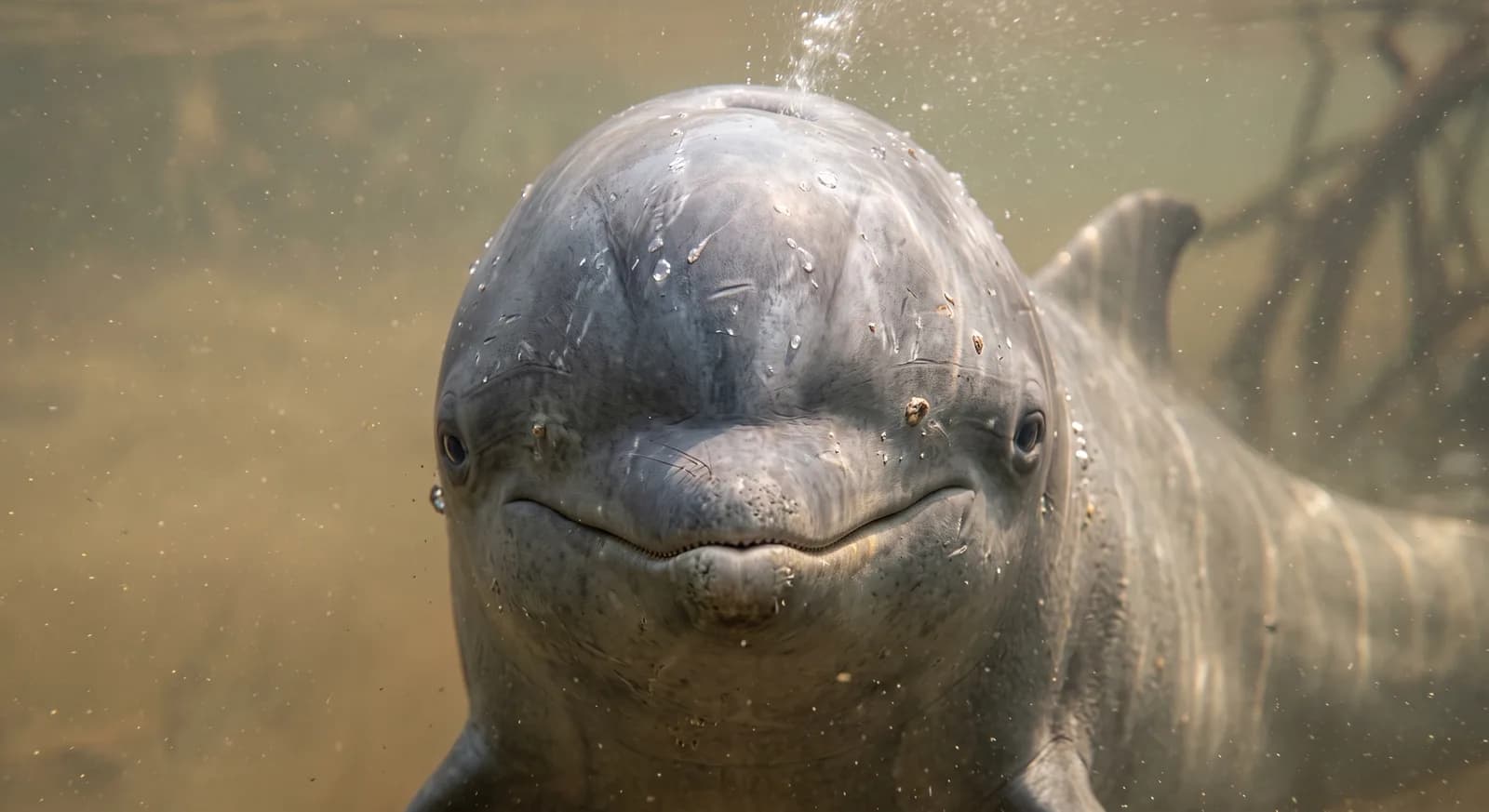
Irrawaddy Dolphin
Orcaella brevirostris
Asia
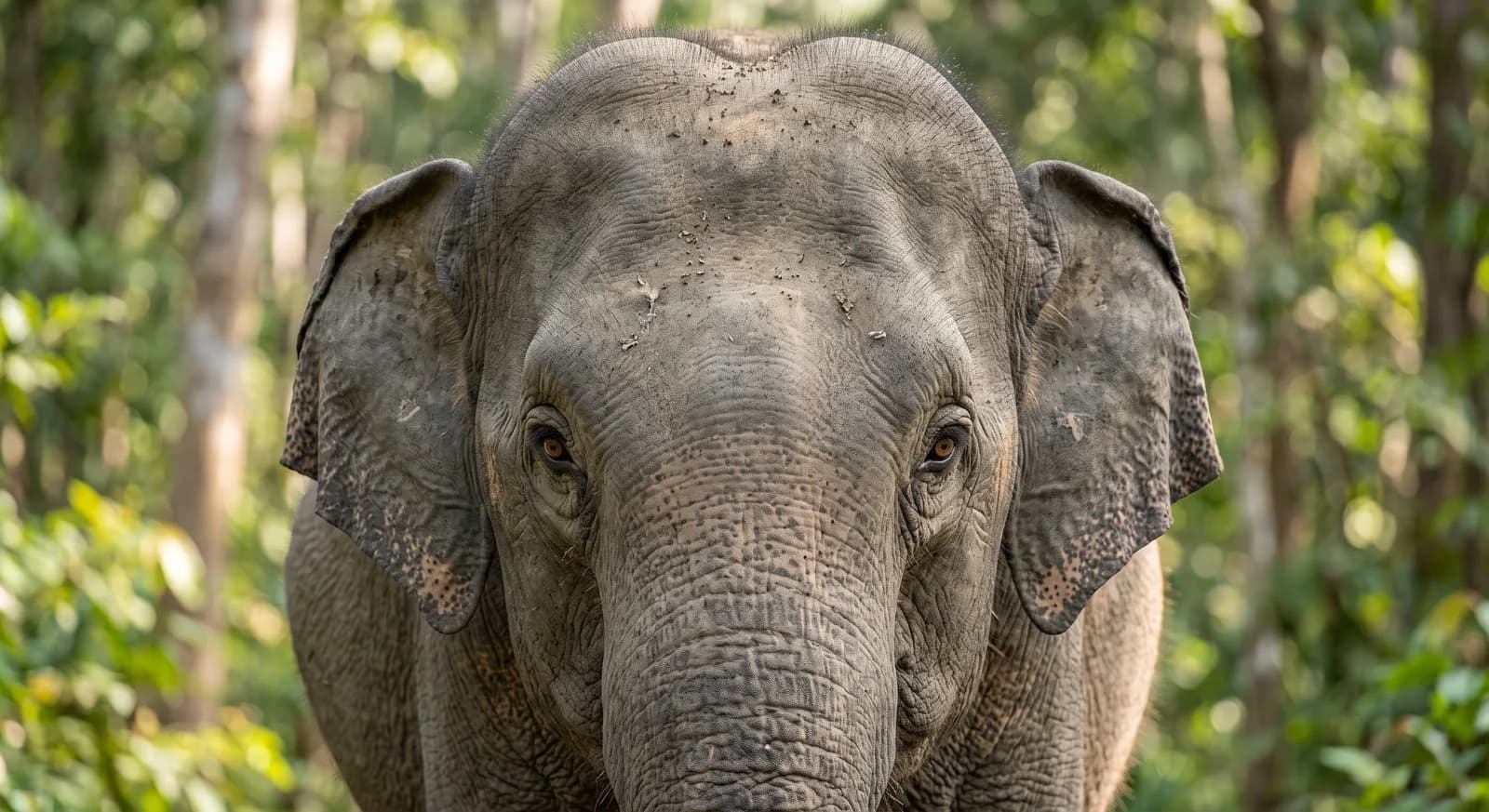
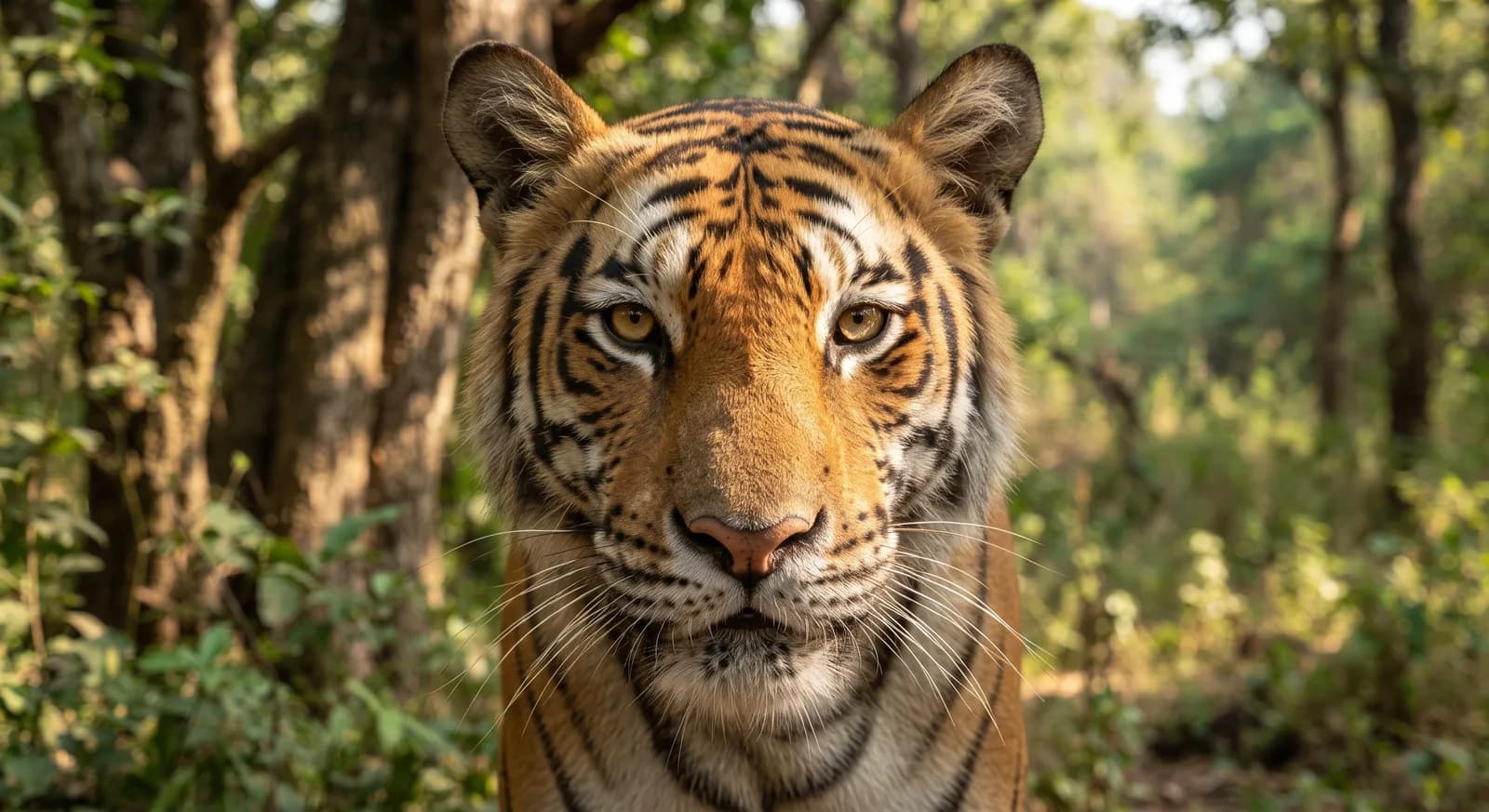
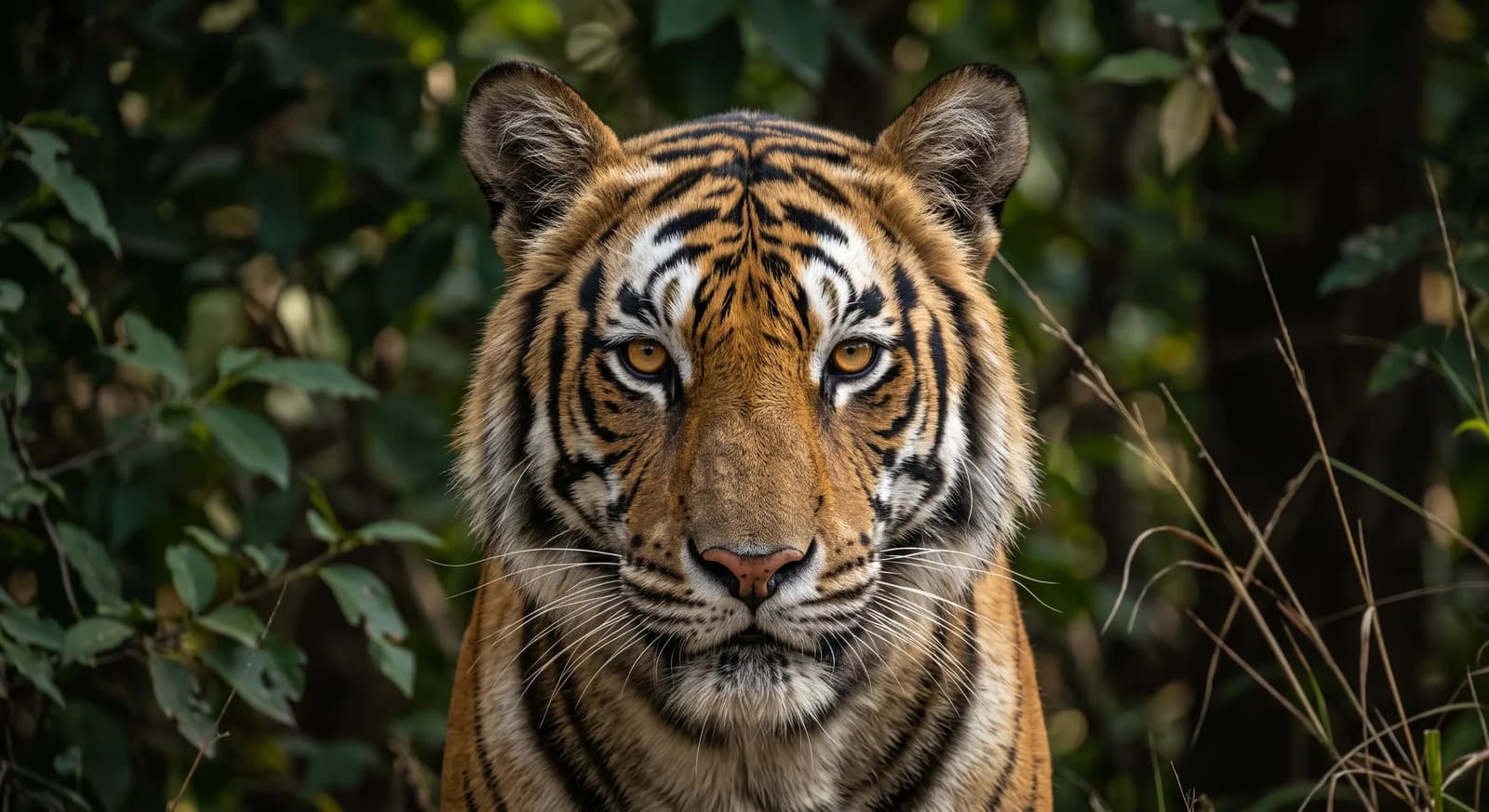
Bangladesh is essentially a delta: the largest in the world, formed by the meeting of the Ganges, the Brahmaputra and the Meghna, with an alluvial plain that floods with every monsoon and is constantly remodelled. In the southwest, the Sundarbans form the most extensive continuous mangrove forest on the planet, shared with India, a maze of tidal channels where a population of Bengal tigers lives, adapted to swimming between islands and drinking brackish water. In the northeast, the haors of Sylhet are basins that turn into immense lakes during the monsoon and empty in the dry season, with flooded woodland of hijal and karach. The Chittagong hills, in the southeast, keep the country's last evergreen forests, with Asian elephants and hoolock gibbons.
National animal: The Bengal tiger is the national animal and the oriental magpie-robin, or doel, the national bird
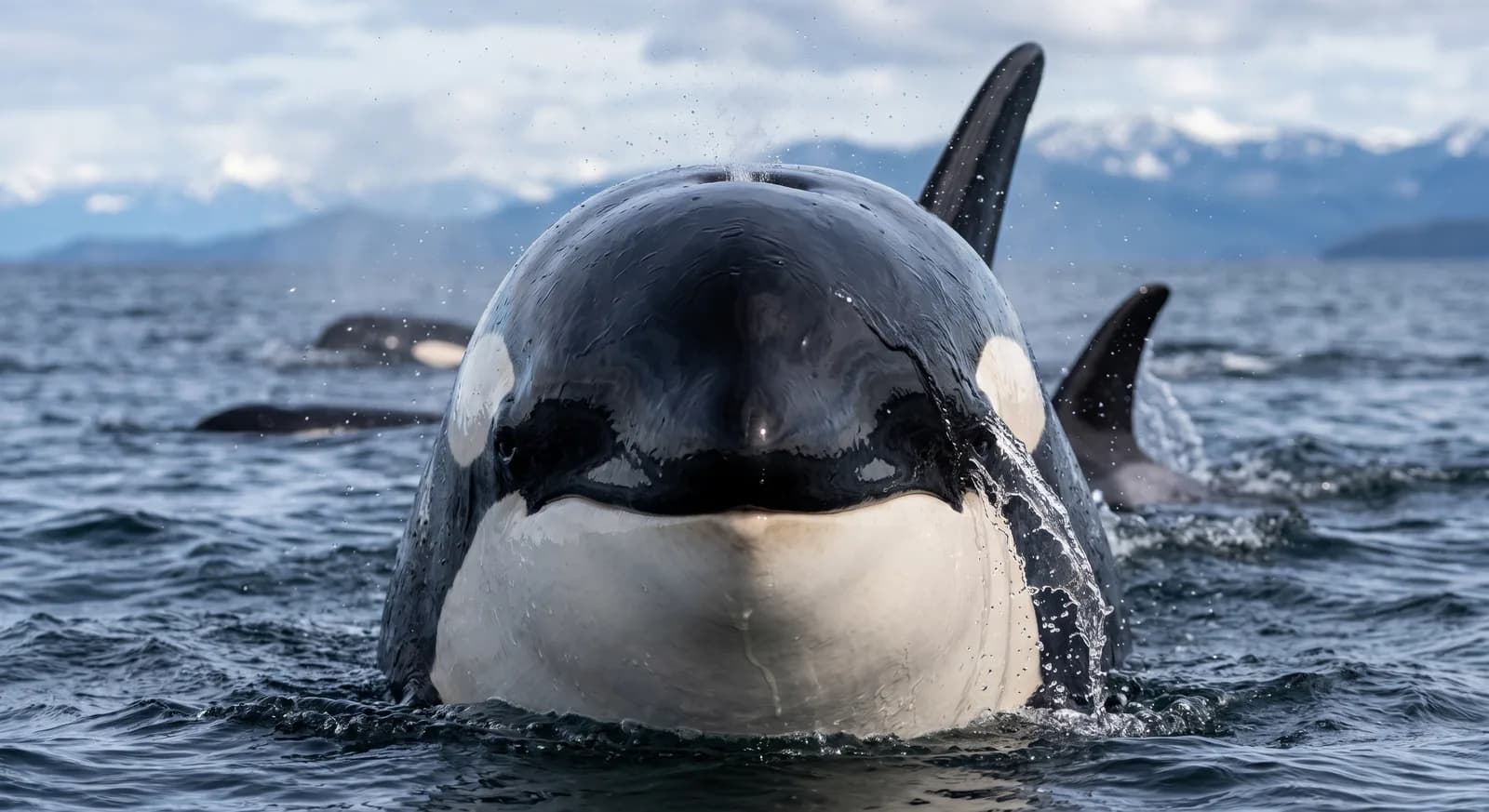
In 2009, marine surveys off the Sundarbans revealed a population of almost six thousand Irrawaddy dolphins in an undersea canyon known as the Swatch of No Ground. Until then this species was known only in groups of a few dozen animals scattered across South-East Asia, so the find multiplied the estimated world total many times over and turned those waters into its main refuge.
The Sundarbans are a World Heritage Site and also act as a natural barrier against the cyclones that strike the delta. Sea level rise and growing salinisation are the greatest long-term threat to the mangrove and to its tigers.
The Sundarbans between November and February, by boat along the channels. Tanguar Haor during the monsoon for waterbirds. Lawachara at dawn for hoolock gibbons.
248 species found
Based on what we already know about Bangladesh.