 Endangered
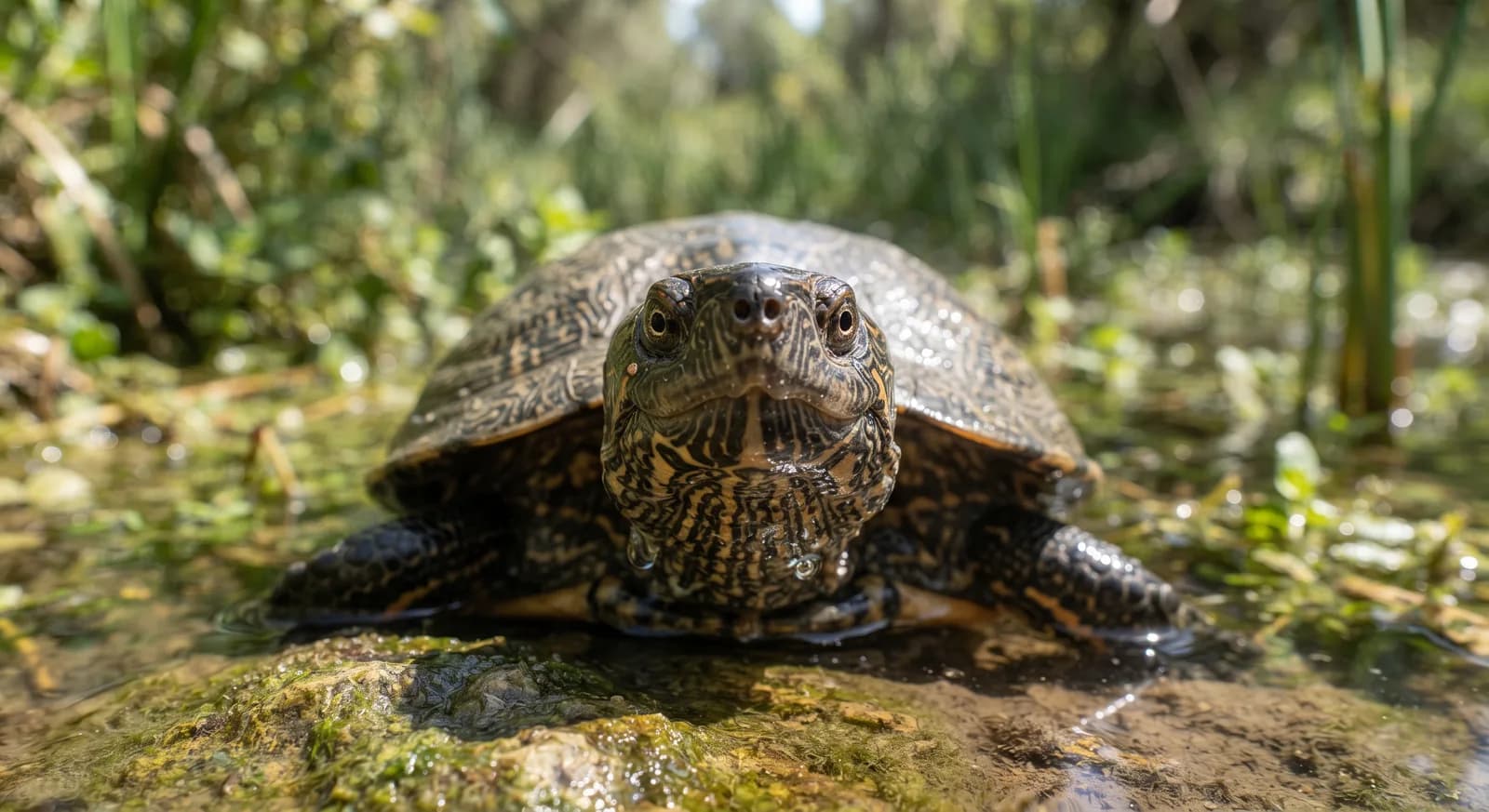
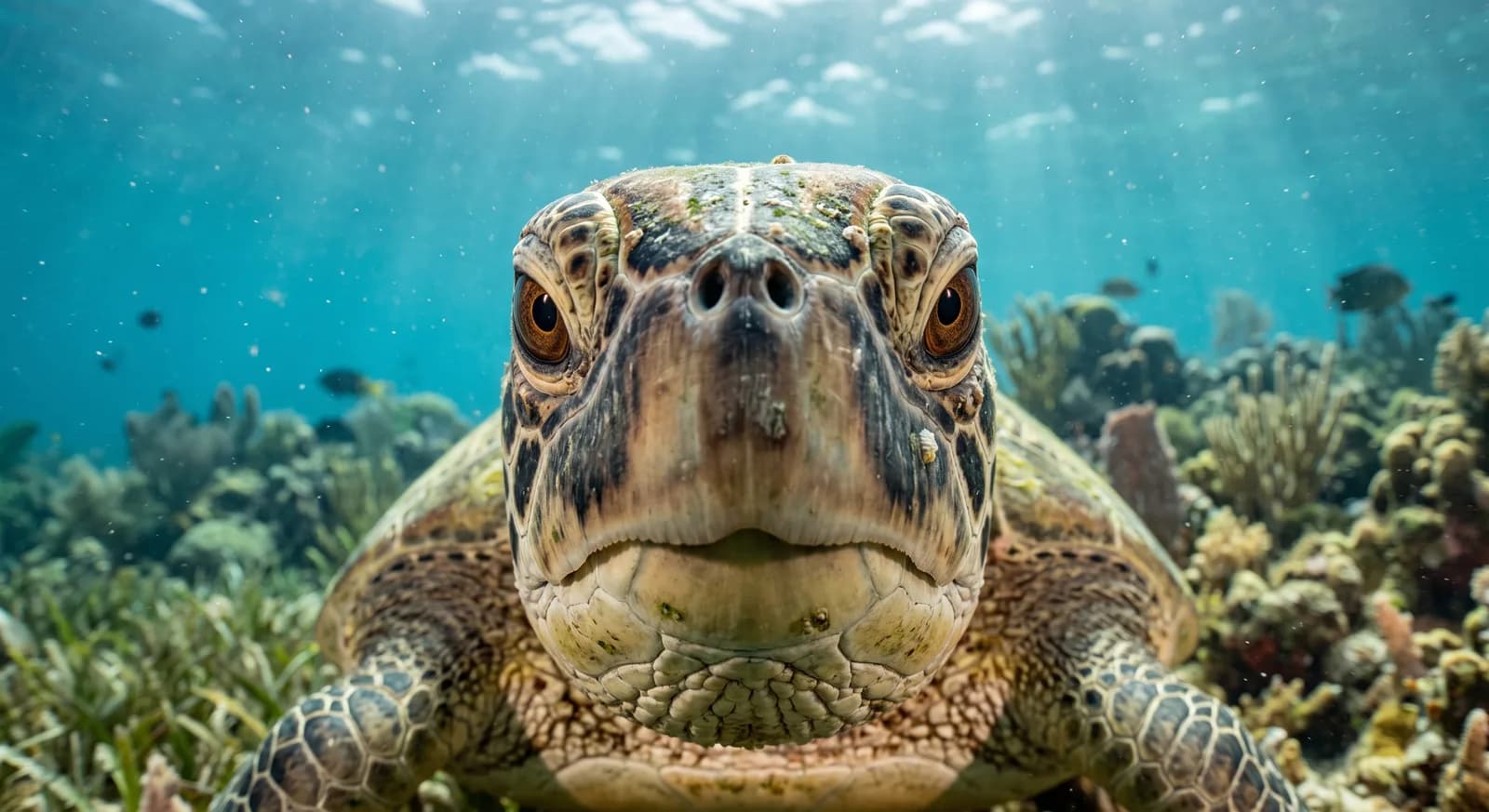
Green Turtle
Chelonia mydas
Europe
Cyprus has been isolated in the eastern Mediterranean for millions of years and was never joined to the mainland, which explains an impoverished land fauna but one with a high proportion of endemic species. The Troodos massif, formed of ocean-floor rocks lifted by tectonics, keeps forests of Cyprus cedar and black pine and is the refuge of the Cypriot mouflon. The Akamas peninsula and Lara bay are nesting grounds for green and loggerhead turtles, with beaches closed to traffic during the breeding season. The salt lakes of Larnaca and Akrotiri fill in winter and draw thousands of flamingos fleeing the cold of the Black Sea and Anatolia. The island is also a funnel for migration between Europe, Asia and Africa, with endemic birds of its own such as the Cyprus warbler and the Cyprus wheatear.
National animal: The Cypriot mouflon, an endemic species and national symbol
The Cypriot mouflon, a wild sheep exclusive to the island, was reduced in the 1930s to little more than fifteen animals cornered in the Paphos forest. The creation of a game reserve and the crackdown on poaching allowed the population to pass three thousand animals. Its recovery is so emblematic that its silhouette is struck on the Cypriot one, two and five euro cent coins.
The Cypriot griffon vulture is on the brink of local extinction through poisoning and has been reinforced with birds brought from Spain. The illegal trapping of migratory birds with nets and limesticks remains a problem of Mediterranean scale.
The salt lakes of Larnaca and Akrotiri between November and March for flamingos. The Cedar Valley at dawn for the mouflon. The Lara beaches between June and August for turtle nesting.
Where else might I want to travel?
Same region: Middle East and Western Asia
Same region: Middle East and Western Asia
Same region: Middle East and Western Asia
307 species found
Based on what we already know about Cyprus.