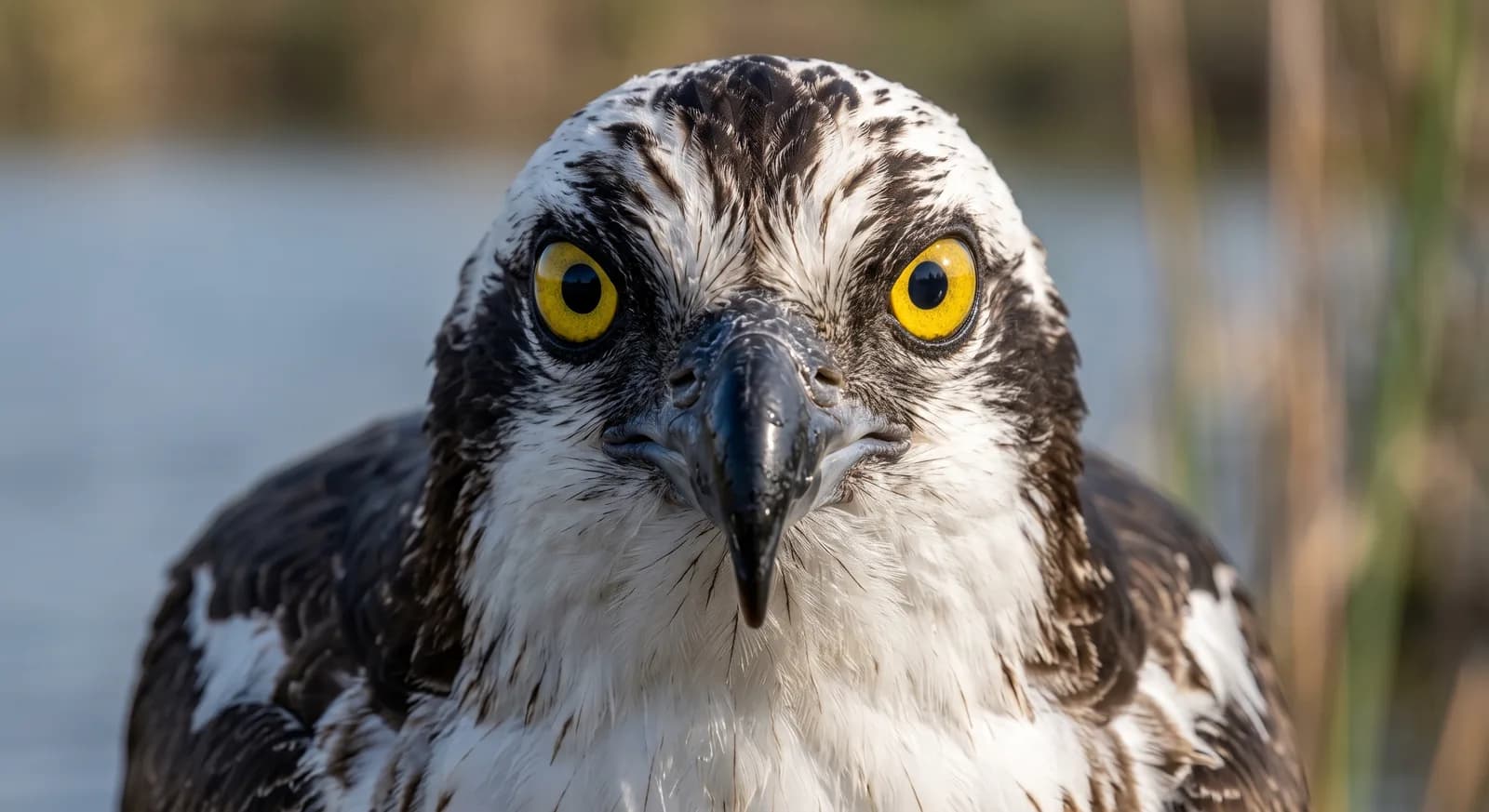
 Least Concern
Osprey
Pandion haliaetus
North America
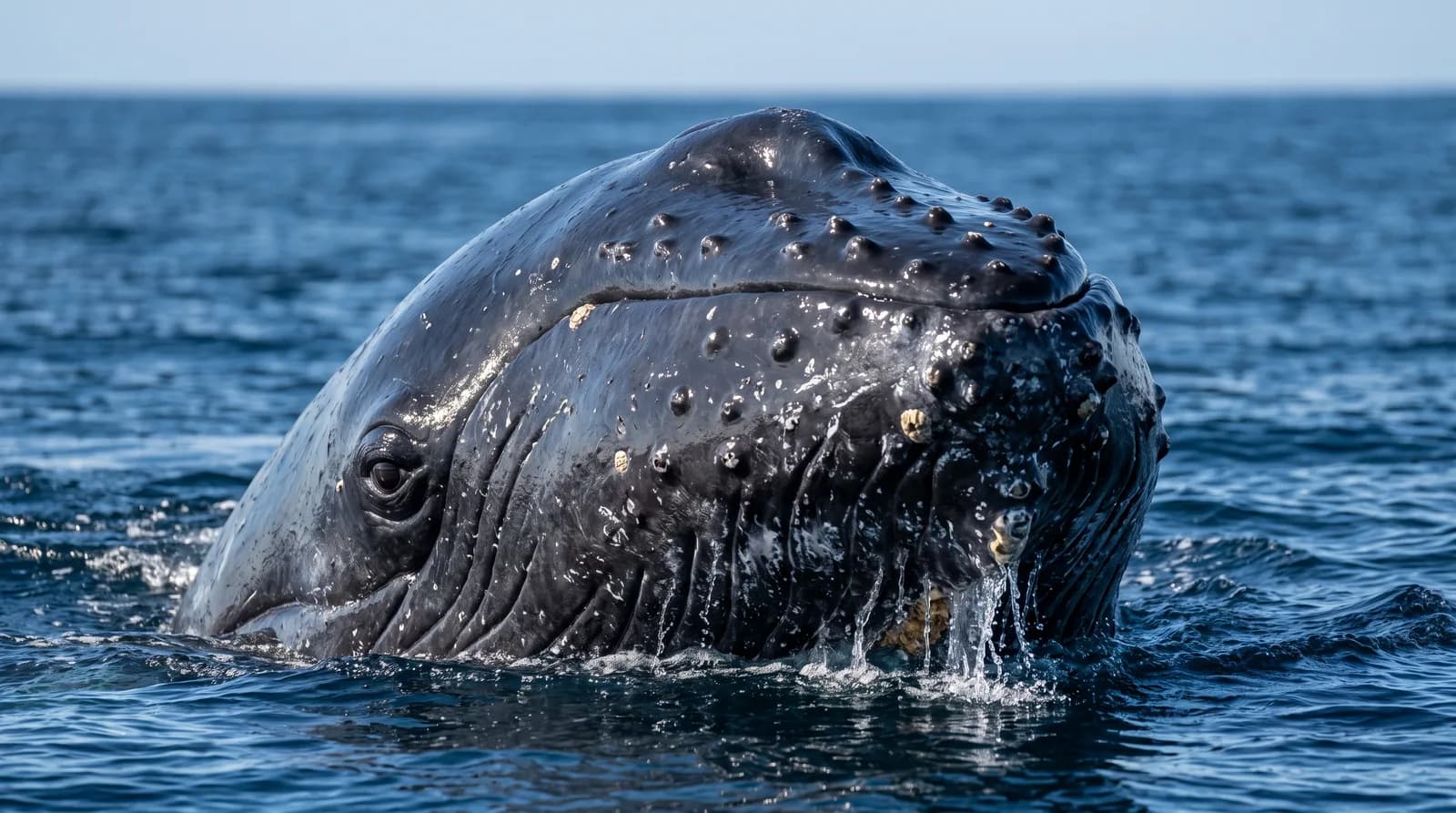
The Dominican Republic shares the island of Hispaniola with Haiti and concentrates the highest ground in the whole Caribbean in the Cordillera Central, with Pico Duarte above three thousand metres and Hispaniolan pine forests on its slopes. In the southwest, Lake Enriquillo occupies a depression below sea level, is hypersaline and holds American crocodiles and rhinoceros iguanas on its islands. The Sierra de Bahoruco, Jaragua park and the lake itself form a biosphere reserve running from cloud forest to semi-desert thorn scrub. In the north, Samaná Bay and the Silver Bank receive one of the largest humpback whale breeding concentrations in the world every winter.
National animal: The palmchat, the national bird, endemic to Hispaniola
Between January and March, between two and three thousand humpback whales gather in the warm shallow waters of the Silver Bank and Samaná Bay to mate and calve, after travelling thousands of kilometres from the North Atlantic. It is the largest breeding congregation of the species in the whole Atlantic Ocean, and one of the few places on the planet where meeting them in the water is permitted, under very limited licences.
The Silver Bank marine mammal sanctuary was one of the first in the world created specifically to protect a whale breeding ground, in 1986. The palmchat builds enormous communal stick nests that can house several pairs in separate compartments.
Samaná and the Silver Bank between January and March for humpback whales. Lake Enriquillo in the dry season for crocodiles and iguanas. Bahoruco at dawn for endemic birds.
Where else might I want to travel?
Same region: Central America and the Caribbean
Same region: Central America and the Caribbean
Same region: Central America and the Caribbean
Same region: Central America and the Caribbean
160 species found
Based on what we already know about Dominican Republic.