National Park
Los Haitises
Dominican Republic
 Dominican Republic
West Indian manatee · white-crowned pigeon
See parkCoastal dry forest, Saona Island and caves holding the largest body of Taíno rock art in the Caribbean.
Area
791 km²
Designated in
1975
Region
Caribbean
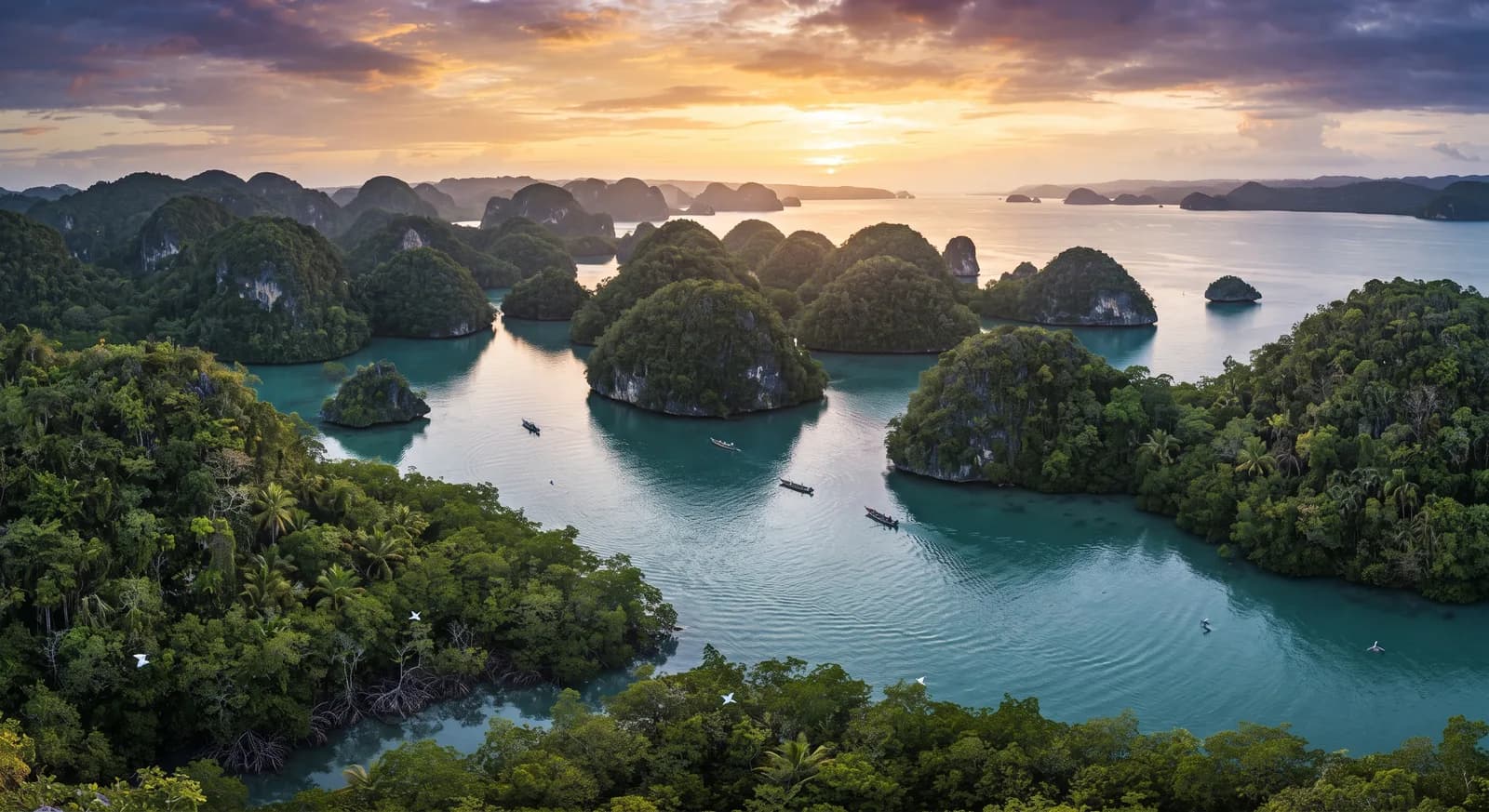
Caribbean limestone coast with Taíno rock art caves
Del Este National Park, today officially named Cotubanamá National Park, was established in 1975 at the south-eastern tip of the Dominican Republic and protects some 791 km² taking in a limestone peninsula, Saona Island and the surrounding waters.
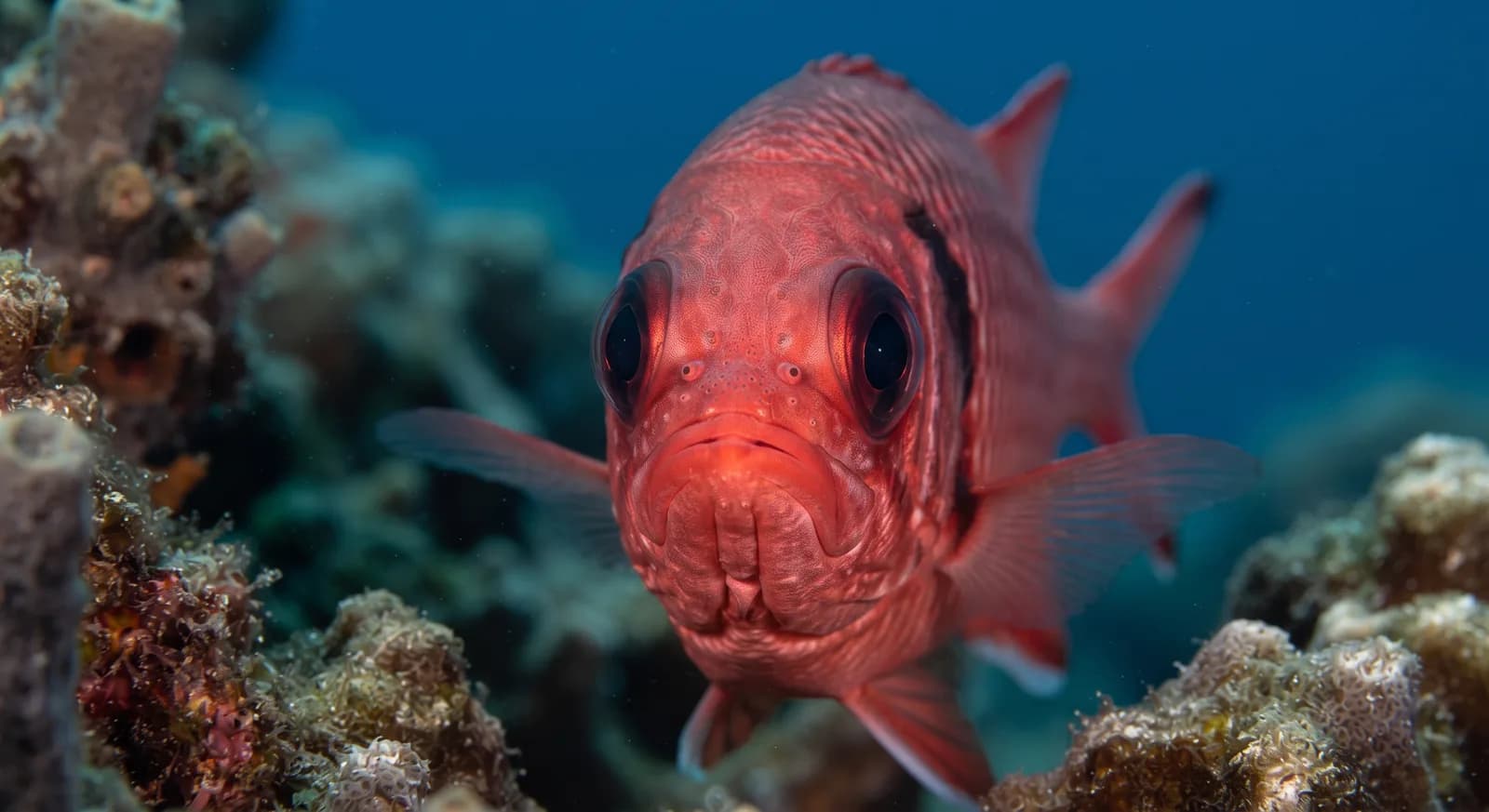
The ground is raised coralline limestone, practically without surface watercourses, covered in dry and semi-humid forest and riddled with a karst system of caves and cenotes. The coast alternates low cliffs, beaches and mangroves, and the waters hold seagrass meadows and reefs with Antillean manatee, turtles and dolphins.
Its archaeological value is of the first order. The park's caves, in particular José María and Panchito, preserve one of the most important bodies of Taíno rock art in the Caribbean, with more than one thousand two hundred pictographs depicting ritual scenes, animals and, in some cases, the arrival of the Europeans, which makes them an exceptional record of the moment of contact. The park's present name honours the cacique Cotubanamá, who led the Taíno resistance in this region and was executed in 1504.
4 dive sites within 300 km are also shown.
Ecosystems found in the Dominican Republic, where Del Este lies.
Where can I dive near here?
12 km away
22 km away
90 km away
134 km away
Which other parks are like this one?
Same country: Dominican Republic
Same country: Dominican Republic
Same type of protected area: National Park
Based on what we already know about this park.
Share your experience visiting Del Este, or a tip for other travellers.
Be the first to comment.
Climate
Tropical, Arid / desert, Temperate, Mountain
Threatened:,,,,,,,,,,,
Endemic species of the Dominican Republic:,
Same type of protected area: National Park
 South Africa

 Iceland