Skip to content
WAnimals
  • Map
  • Species
  • Parks
  • Diving
Log inCreate account
WAnimals

The guide for travellers and animal lovers: discover, plan and share your wild adventures around the world.

Discover wildlife

  • Species
  • Ecosystems
  • Glossary
  • Tags

Explore places

  • Map
  • Countries
  • Parks
  • Diving

Plan experiences

  • Guides

Learn

  • Blog

Resources

  • Help centre
  • Contact
  • Install the app

Follow us

Account

  • Log in
  • Create account

© 2026 WAnimals. All rights reserved.

About usHow we build our profilesTerms of servicePrivacyLegal notice
MapSpeciesParksDiving
  1. Home
  2. Species
  3. Great Land Crab

One of the 22 crabs on WAnimals
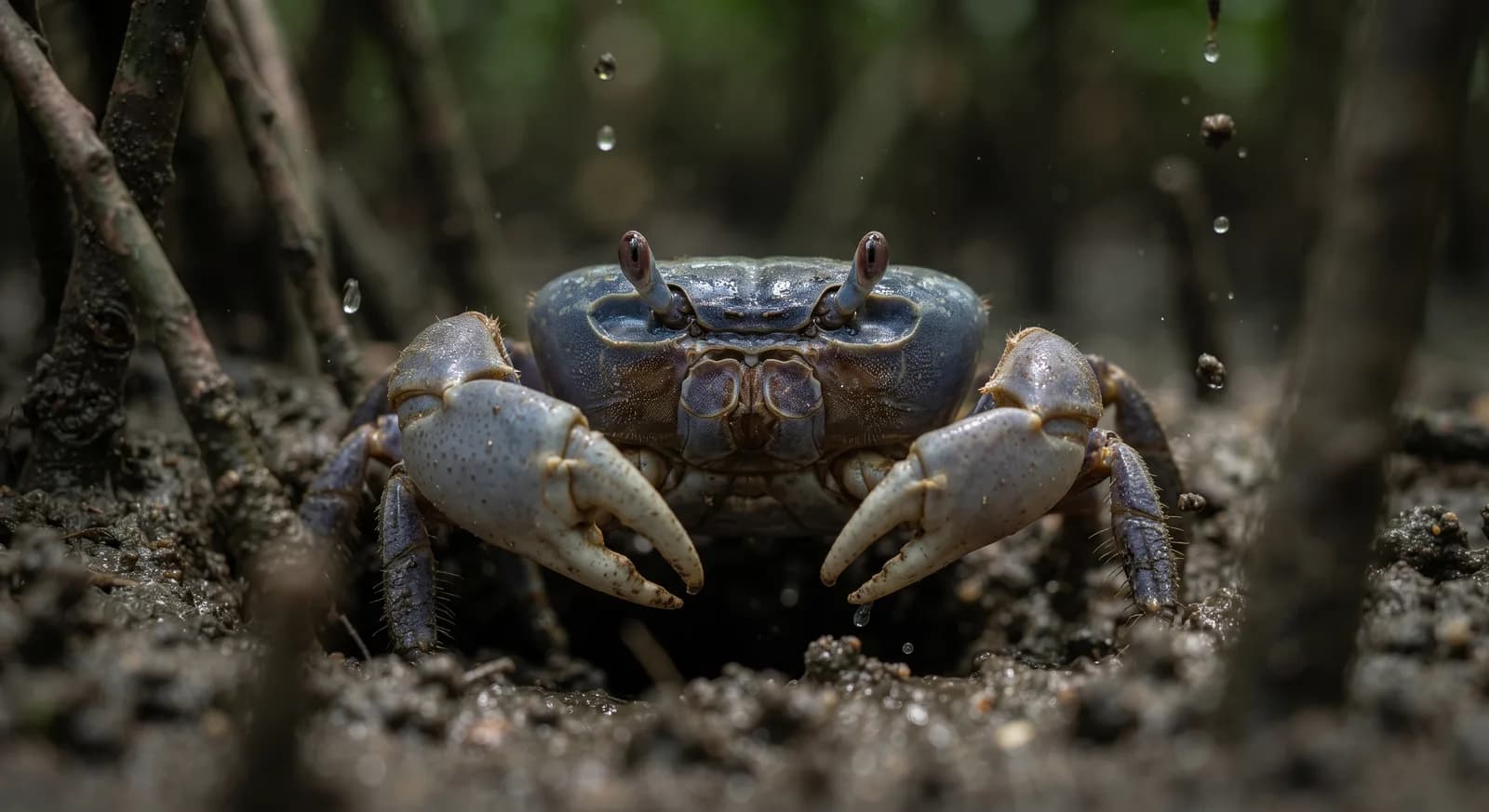
Great Land Crab (Cardisoma guanhumi)

Malacostracans · Decapoda · Gecarcinidae

Great Land Crab

Cardisoma guanhumi

Not Evaluated

It has not yet been assessed against the IUCN criteria.

Spotted something wrong?

The great land crab, or blue land crab, is a terrestrial decapod crustacean of the family Gecarcinidae. It is one of the largest crabs in its range.

Size

up to 15 cm

Life expectancy

13 years

Diet

Omnivore

Combines animal and plant food depending on availability.
Activity

Crepuscular

Active mainly at dawn and dusk.

Social structure

Solitary

Lives and hunts alone, joining others only to breed.

Sighting difficulty

Unknown

35countries25parks104dive sites2same family

AI-generated images: illustrations, not photographs.

Fun facts

  • reproducciónIt spends most of its adult life on land, away from the sea, though it has to return to salt water periodically to release its eggs.
  • It grows very slowly: it needs more than sixty moults to reach full size, some three times as many as other crabs, and that is why it lives longer than most land crabs.
  • Six to ten days before moulting it seals the burrow entrance with mud to protect itself while it is soft.
  • The bottom of the burrow holds a pool of water, and the air inside has very high concentrations of carbon dioxide.
  • It feeds mainly on mangrove leaves and fruit, but also on carrion, and is said to turn cannibal.
  • It is an important food in the Caribbean and is overexploited: Puerto Rico has brought in strict rules and Florida has considered doing the same.

Life cycle and biology

Skeleton type
Invertebrate - articulated calcareous exoskeleton (crustacean)
Habitat and environment
Estuaries, mangroves and riverbanks of the American Atlantic, always within eight kilometres of the coast; it digs burrows almost two metres deep with a pool of water at the bottom
Litter / clutch size
The laying season runs from June to December in Florida, peaking in October and November

Sources consulted: https://es.wikipedia.org/wiki/Cardisoma_guanhumi

Where to find it

Loading map…

Where to see it

Parks and dive sites where this species has been documented — showing 20 of 129.

Related species

Other species in the catalogue with the most in common with Great Land Crab — same habitat, park, country, tags or family.

Shares a park
Shares a park
Shares a park
Shares a park
Shares a park
Shares a park

Keep exploring

Based on what we already know about great land crab.

Comments

Share an experience, a fun fact or a tip for seeing the great land crab.

Be the first to comment.

See full glossary
This page in other languages: Español · Deutsch · Français · Português · Italiano

The pins mark the parks and dive sites where its presence is documented.

See its range on the interactive map→
EvergladesUnited States
Sian Ka'anMexico
TortugueroCosta Rica
Bacalar ChicoBelize
GuanicaPuerto Rico
JaraguaDominican Republic
Virgin Islands (St John)U.S. Virgin Islands
Tobago Main RidgeTrinidad and Tobago
Exuma Cays Land and Sea ParkBahamas
TayronaColombia
Great Blue HoleBelize
Half Moon Caye WallBelize
Turneffe AtollBelize
Palancar ReefMexico
Isla Mujeres (whale shark)Mexico
Bloody Bay WallCayman Islands
USS Kittiwake wreckCayman Islands
Stingray CityCayman Islands
Tiger BeachBahamas
Jardines de la ReinaCuba
See all 25 parks
See all 104 dive sites
Blue CrabNot Evaluated

Blue Crab

Callinectes sapidus

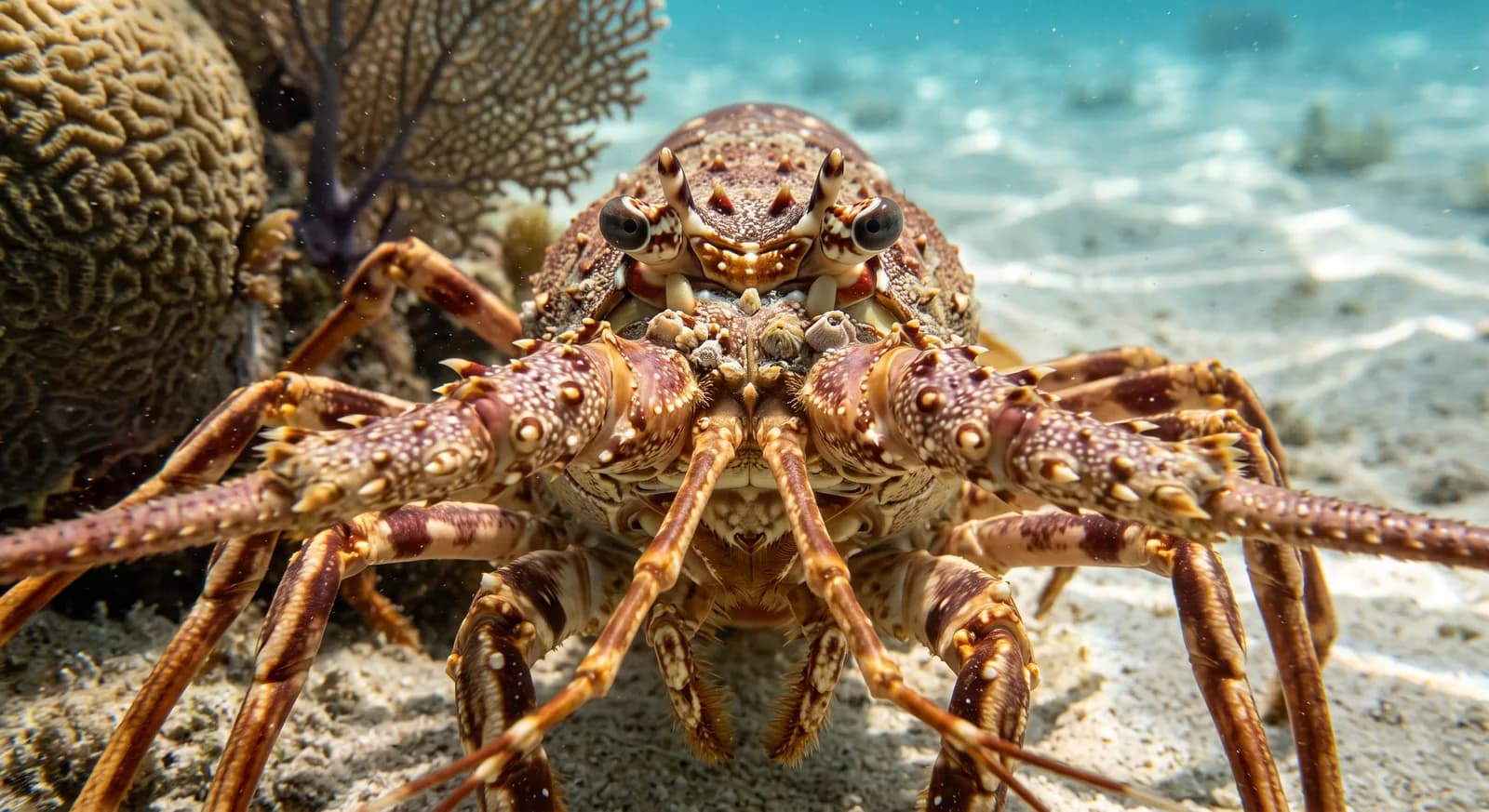
Caribbean Spiny LobsterData Deficient

Caribbean Spiny Lobster

Panulirus argus

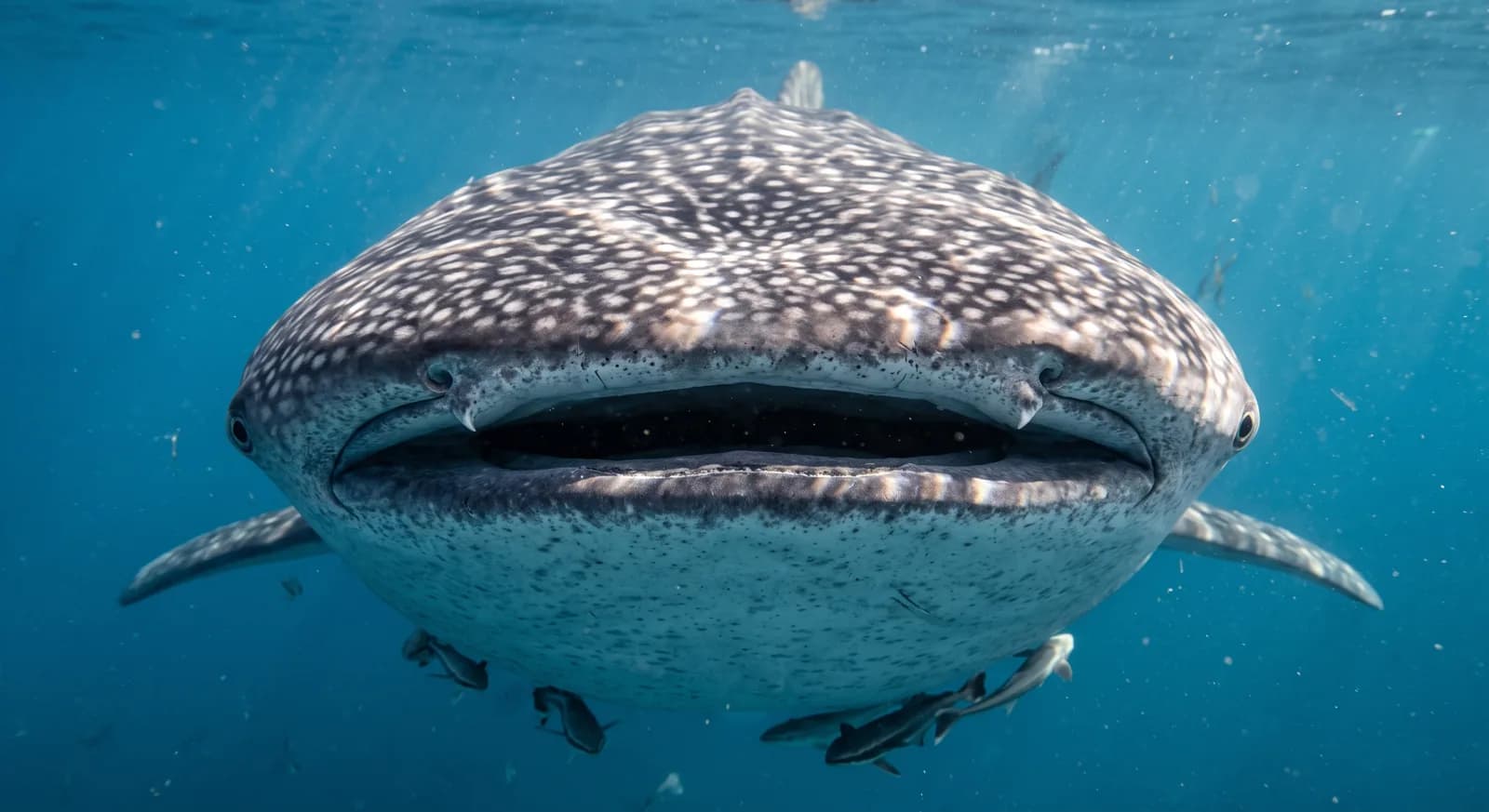
Whale SharkEndangered

Whale Shark

Rhincodon typus

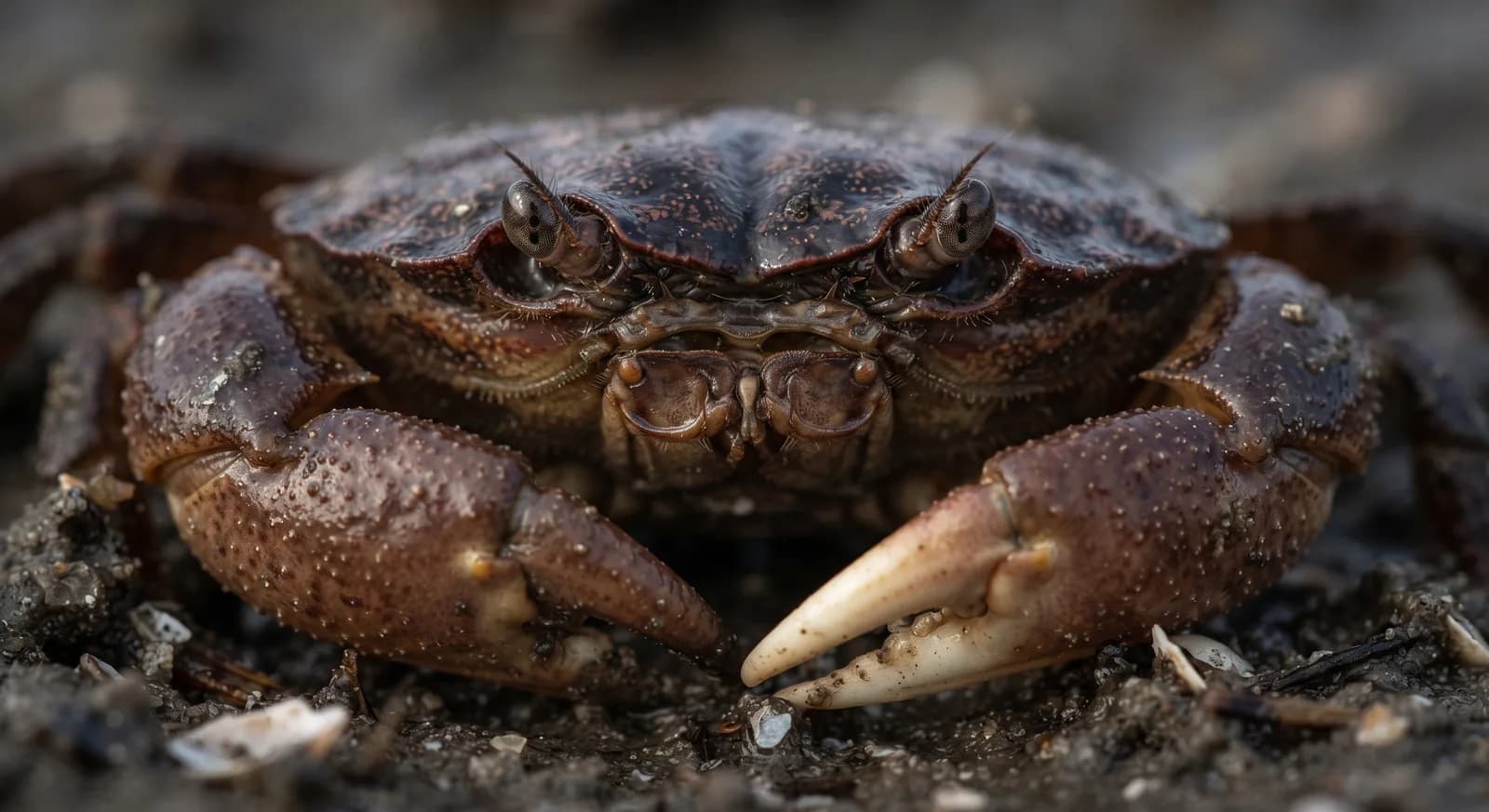
Florida Stone CrabNot Evaluated

Florida Stone Crab

Menippe mercenaria

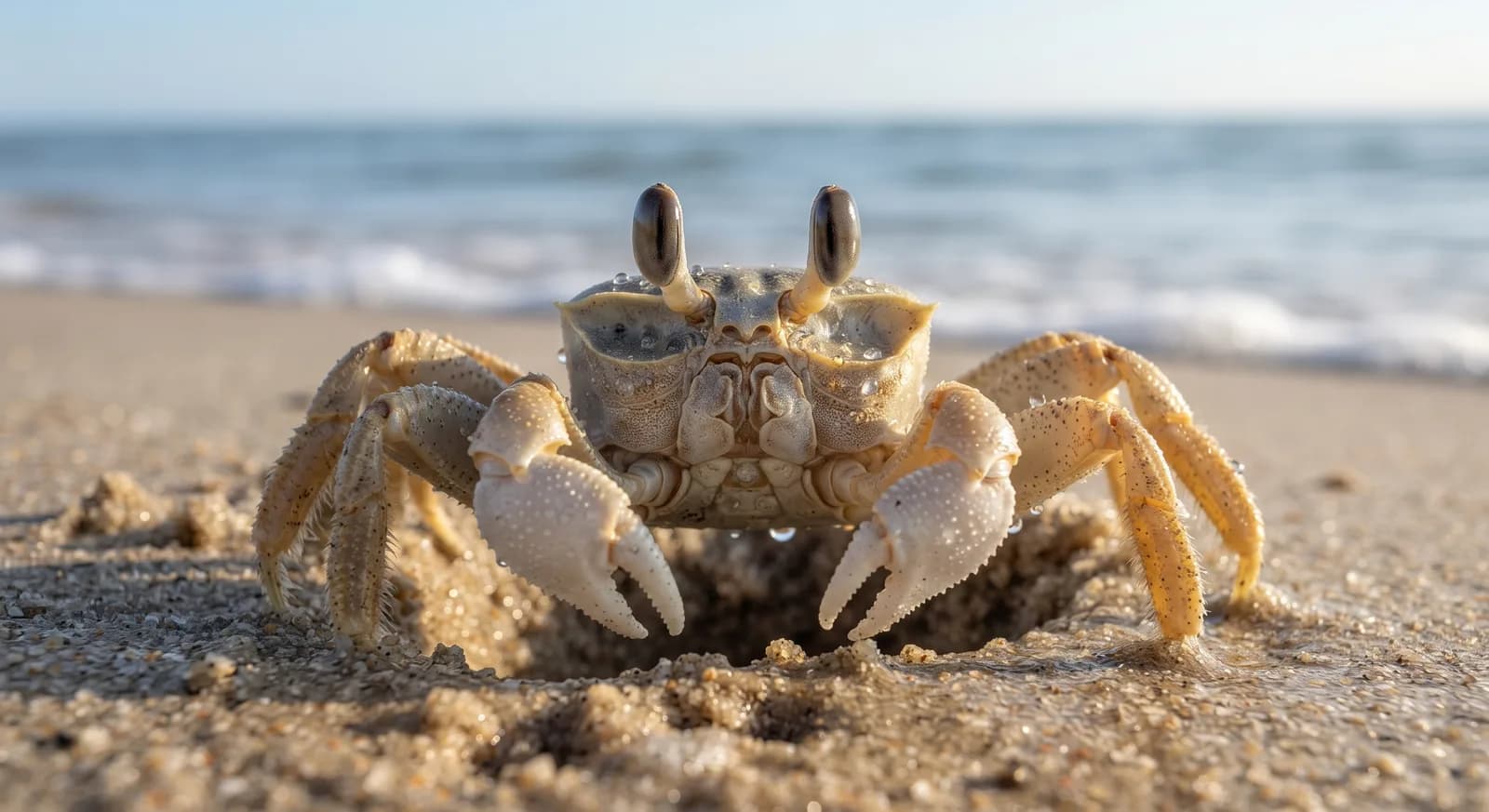
Atlantic Ghost CrabNot Evaluated

Atlantic Ghost Crab

Ocypode quadrata

Azure Vase SpongeNot Evaluated

Azure Vase Sponge

Callyspongia plicifera

CountriesUnited States
ParksEvergladesUnited States
TagsOmnivore
Omnivore
Crepuscular
Solitary
Crustacean

North America32

South America3

United States
Mexico
Belize
Cayman Islands
Bahamas
Brazil
Anguilla
Antigua and Barbuda
Aruba
Bahamas
Barbados
Belize
Bermuda
British Virgin Islands
Cayman Islands
Costa Rica
Cuba
Curaçao
Dominica
Dominican Republic
Grenada
Guadeloupe
Guatemala
Haiti
Honduras
Jamaica
Martinique
Mexico
Nicaragua
Panama
Puerto Rico
Saint Kitts and Nevis
Saint Lucia
Saint Vincent and Grenadines
Trinidad and Tobago
Turks and Caicos Islands
U.S. Virgin Islands
United States
Brazil
Colombia
Venezuela