Skip to content
WAnimals
  • Map
  • Species
  • Parks
  • Diving
Log inCreate account
WAnimals

The guide for travellers and animal lovers: discover, plan and share your wild adventures around the world.

Discover wildlife

  • Species
  • Ecosystems
  • Glossary
  • Tags

Explore places

  • Map
  • Countries
  • Parks
  • Diving

Plan experiences

  • Guides

Learn

  • Blog

Resources

  • About us
  • How we build our profiles
  • Help centre
  • Contact
  • Install the app

Follow us

Account

  • Log in
  • Create account

© 2026 WAnimals. All rights reserved.

Terms of servicePrivacyCookiesLegal notice
MapSpeciesParksDiving
  1. Home
  2. Species
  3. Florida Stone Crab

One of the 22 crabs on WAnimals
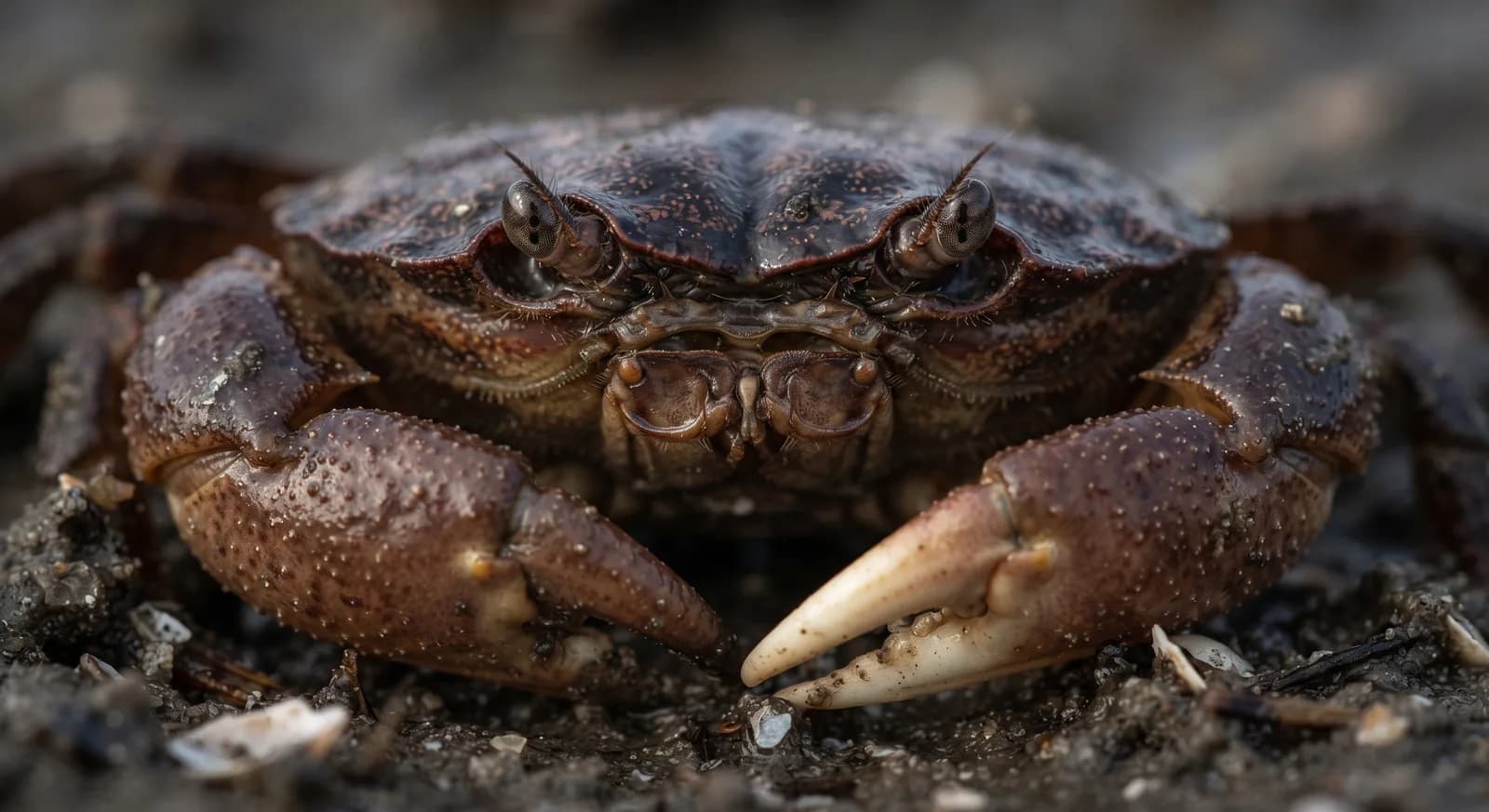
Florida Stone Crab (Menippe mercenaria)

Malacostracans · Decapoda · Xanthidae

Florida Stone Crab

Menippe mercenaria

Not Evaluated

It has not yet been assessed against the IUCN criteria.

Spotted something wrong?

The Florida stone crab is a crustacean belonging to the order Decapoda. It is distributed along the coasts of the western North Atlantic, from Connecticut to Belize, including the Gulf of Mexico, the Bahamas and the east coast of the United States. It can also be found in the salt marshes of South Carolina and Georgia. It is a species of gastronomic interest, frequently caught for food.

Size

8 cm – 13 cm

Life expectancy

7 years

Diet

Carnivore

Feeds mainly on other animals.
Activity

Nocturnal

Active mainly at night.

Social structure

Solitary

Lives and hunts alone, joining others only to breed.

Ocean
33countries5parks22dive sites

AI-generated images: illustrations, not photographs.

Fun facts

  • Its fishery is unique in the world: only one of the claws is taken and the animal is returned alive to the sea, where it regrows it over several moults.
  • Its claws are among the most powerful in the crustacean world and allow it to crack thick oyster shells.
  • Juveniles and individuals that have lost a claw switch diet until they have regrown it.
  • Its fishery is unique in the world: the animal is not taken — one claw is removed and the crab is returned to the sea alive, because it can regenerate it over successive moults.
  • Florida's regulations set a minimum claw size and allow at most both claws to be taken, though the recommended practice is to leave it one.
  • The sustainability of that system has been studied and qualified: mortality after the mutilation is high, above all if both claws are removed, and regeneration takes several moults to restore the original size.
  • Its claw is extraordinarily powerful: it can exert several hundred newtons and is adapted to crushing oyster and snail shells.
  • The two claws are asymmetrical: one, slimmer, for holding, and the other, massive, for crushing.
  • It lives in burrows that it defends aggressively, and the big males monopolise the best refuges.

Life cycle and biology

Skeleton type
Invertebrate - chitin exoskeleton (crustacean)
Habitat and environment
Hard bottoms, seagrass beds and crevices of the south-eastern United States and the Caribbean

Sources consulted: Wikipedia (es): Menippe mercenaria

Where to find it

Loading map…

Where to see it

Parks and dive sites where this species has been documented — showing 15 of 27.

Related species

Other species in the catalogue with the most in common with Florida Stone Crab — same habitat, park, country, tags or family.

Shares a park
Shares a park
Shares a park
Shares a park
Shares a park
Shares a park

Keep exploring

Based on what we already know about florida stone crab.

Share an experience, a fun fact or a tip for seeing the florida stone crab.
See full glossary
This page in other languages: Español · Deutsch · Français · Português · Italiano

The pins mark the parks and dive sites where its presence is documented.

See its range on the interactive map→
EvergladesUnited States
Ciénaga de ZapataCuba
BiscayneUnited States
Dry TortugasUnited States
GuanahacabibesCuba
Tiger BeachBahamas
Molasses ReefUnited States
USS Spiegel GroveUnited States
Blue Heron BridgeUnited States
Flower Garden BanksUnited States
USS OriskanyUnited States
Banco ChinchorroMexico
Contoy IslandMexico
Nassau (shark diving)Bahamas
Andros Barrier ReefBahamas
See all 22 dive sites
American CrocodileVulnerable

American Crocodile

Crocodylus acutus

Near Threatened

Southern Stingray

Hypanus americanus

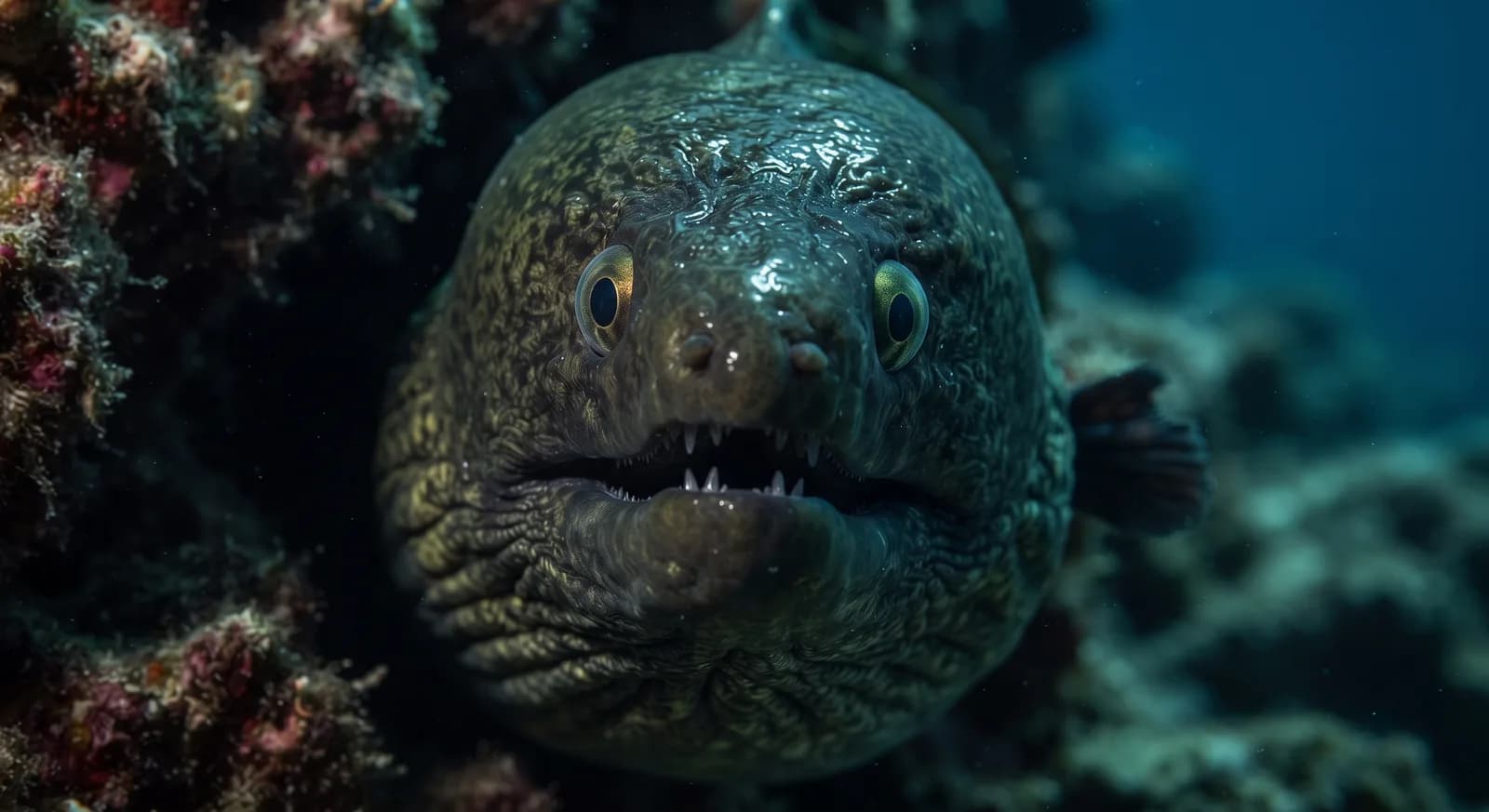
Green MorayLeast Concern

Green Moray

Gymnothorax funebris

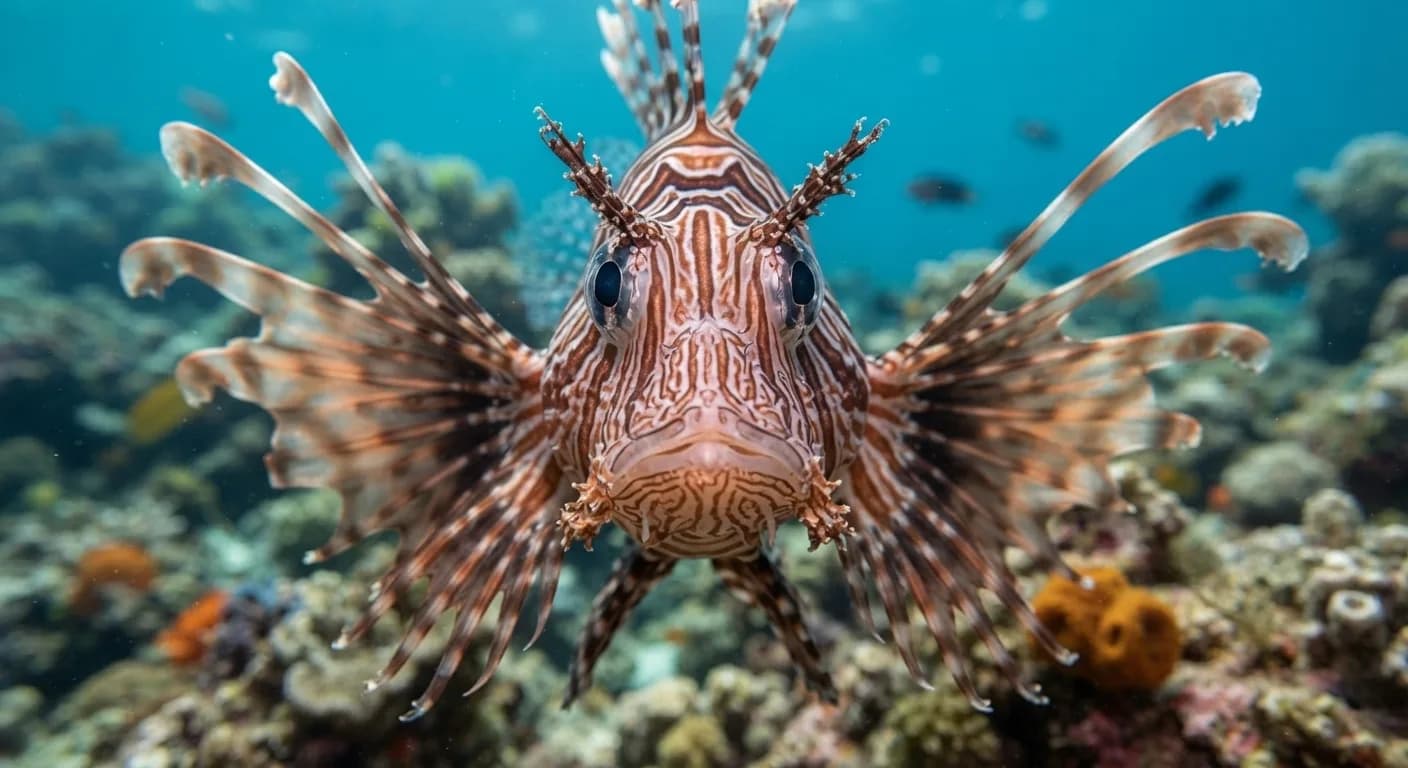
Red LionfishLeast Concern

Red Lionfish

Pterois volitans

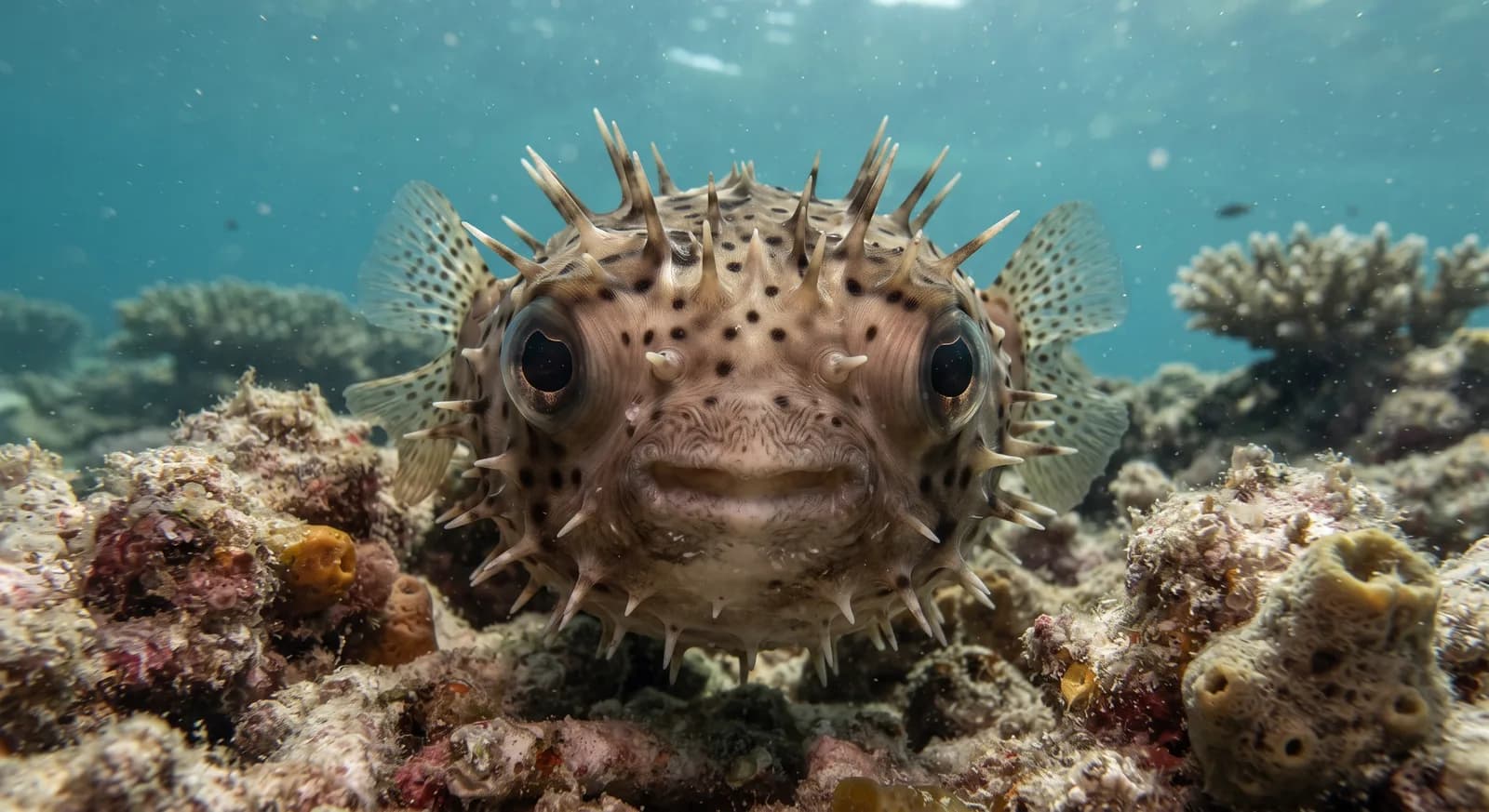
Spot-fin PorcupinefishLeast Concern

Spot-fin Porcupinefish

Diodon hystrix

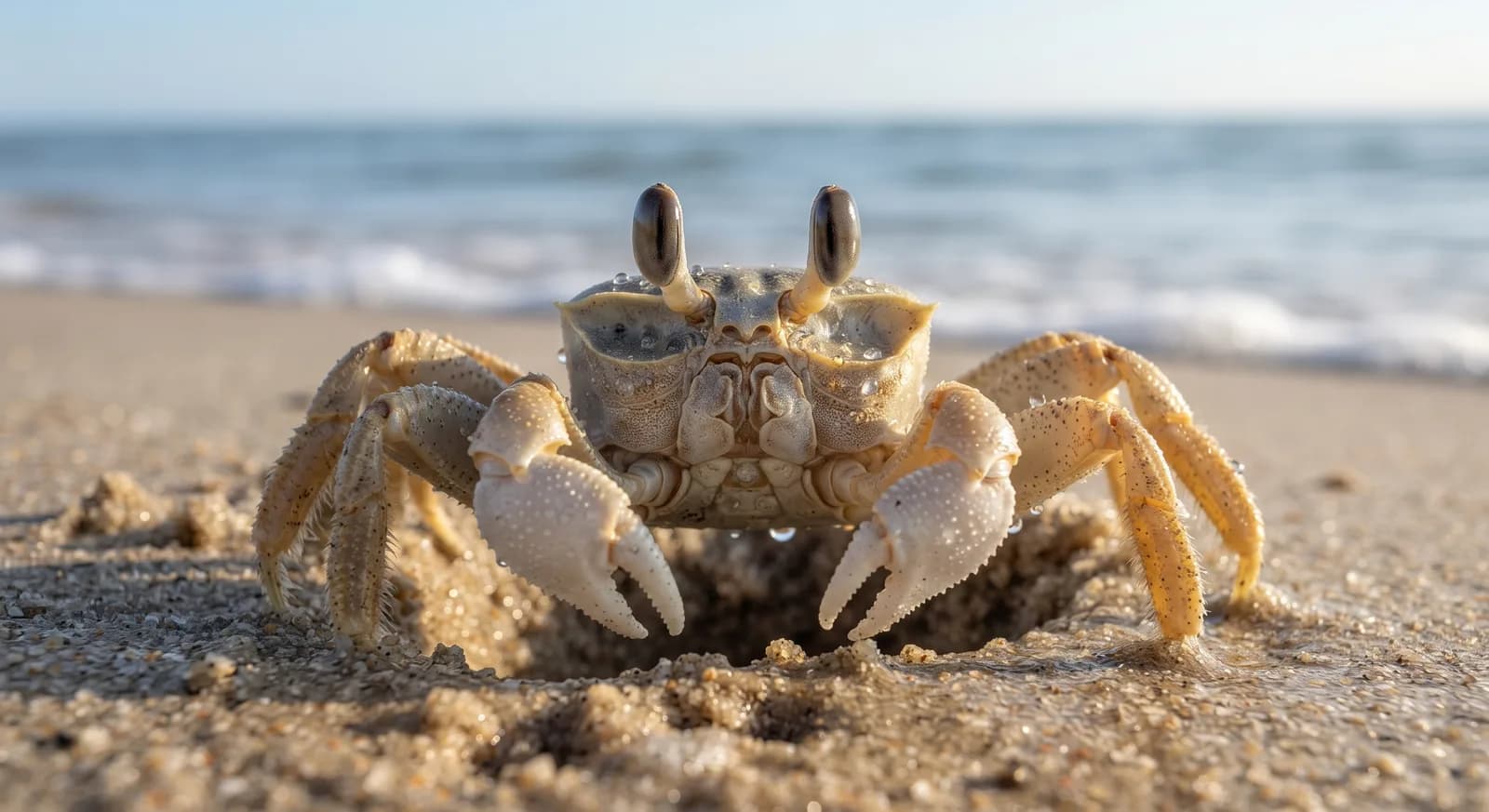
Atlantic Ghost CrabNot Evaluated

Atlantic Ghost Crab

Ocypode quadrata

CountriesUnited States
ParksEvergladesUnited States
TagsCarnivore
Carnivore
Nocturnal
Solitary
Ocean
Crustacean

North America31

South America2

United States
Bahamas
Mexico
Cuba
Anguilla
Antigua and Barbuda
Anguilla
Antigua and Barbuda
Aruba
Bahamas
Barbados
Belize
Bermuda
British Virgin Islands
Cayman Islands
Costa Rica
Cuba
Curaçao
Dominica
Dominican Republic
Grenada
Guadeloupe
Haiti
Honduras
Jamaica
Martinique
Mexico
Nicaragua
Panama
Puerto Rico
Saint Kitts and Nevis
Saint Lucia
Saint Vincent and Grenadines
Trinidad and Tobago
Turks and Caicos Islands
U.S. Virgin Islands
United States
Colombia
Venezuela