Skip to content
WAnimals
  • Map
  • Species
  • Parks
  • Diving
Log inCreate account
WAnimals

The guide for travellers and animal lovers: discover, plan and share your wild adventures around the world.

Discover wildlife

  • Species
  • Ecosystems
  • Glossary
  • Tags

Explore places

  • Map
  • Countries
  • Parks
  • Diving

Plan experiences

  • Guides

Learn

  • Blog

Resources

  • About us
  • How we build our profiles
  • Help centre
  • Contact
  • Install the app

Follow us

Account

  • Log in
  • Create account

© 2026 WAnimals. All rights reserved.

Terms of servicePrivacyCookiesLegal notice
MapSpeciesParksDiving
  1. Home
  2. Species
  3. Azure Vase Sponge
Azure Vase Sponge (Callyspongia plicifera)

Sponges · Haplosclerida · Callyspongiidae

Azure Vase Sponge

Callyspongia plicifera

Not Evaluated

It has not yet been assessed against the IUCN criteria.

Spotted something wrong?

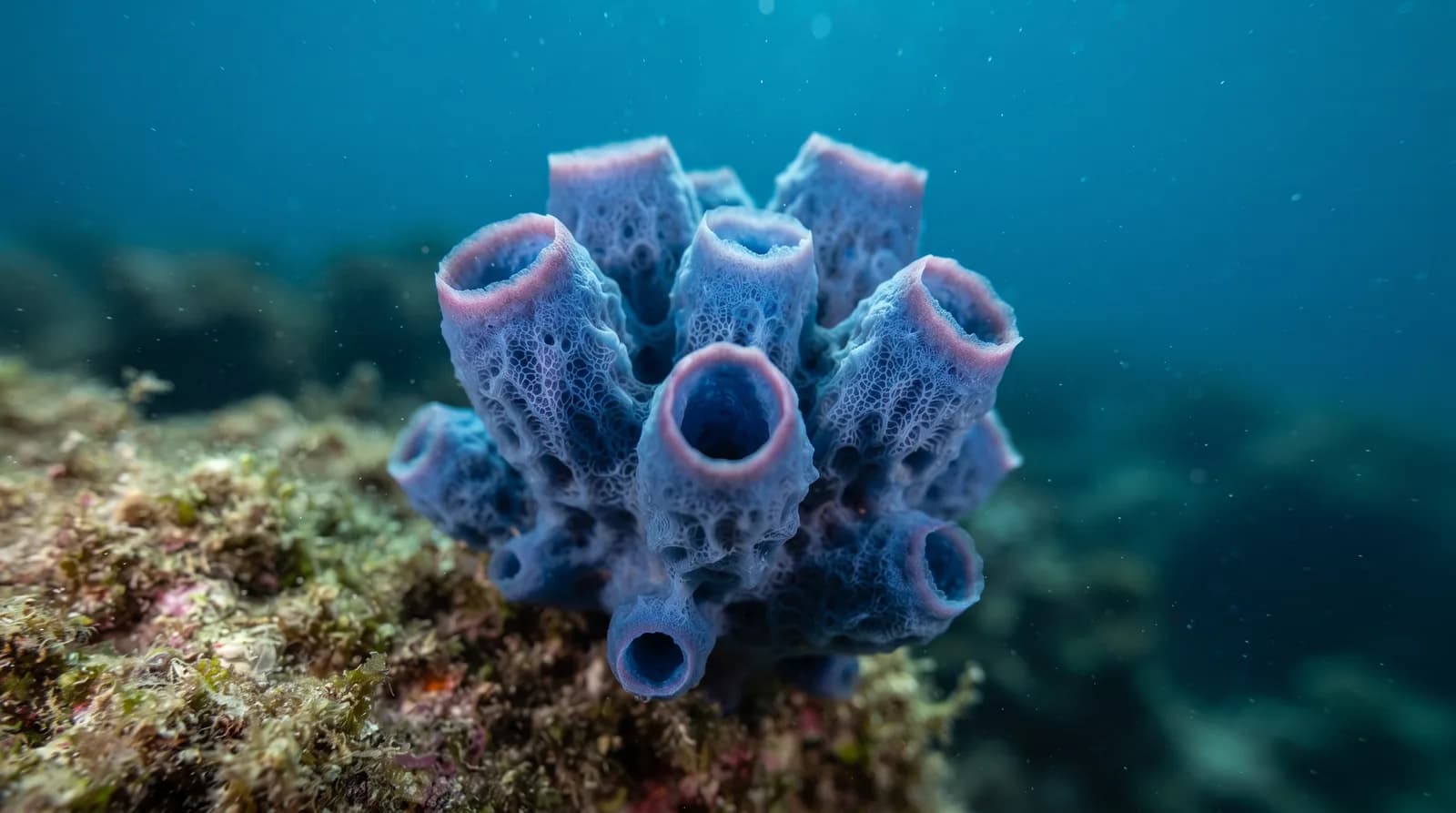
The azure vase sponge is shaped like a vase or a thick-walled, deeply folded bowl, violet-pink but throwing off electric blue reflections under the light of the water. It filters the water entering through thousands of tiny pores and expels it through the large opening at the top.

Size

15 cm – 45 cm

Diet

Omnivore

Combines animal and plant food depending on availability.

Social structure

Solitary

Lives and hunts alone, joining others only to breed.
Ocean
33countries24parks98dive sites

AI-generated images: illustrations, not photographs.

Fun facts

  • Its iridescent blue is not a pigment but an optical effect of the structure of its surface, and it vanishes the moment the animal is taken out of the water.
  • A sponge of this size filters several thousand litres of water a day, which makes it an essential purifier of the reef.
  • Its body hosts enormous communities of symbiotic bacteria, which can account for a good part of its mass and from which compounds of pharmacological interest are extracted.
  • Its electric blue underwater is not pigment but fluorescence: it absorbs short-wavelength light and re-emits it as blue and green, which makes it stand out in the dimness of the reef.
  • It filters enormous volumes of water. A sponge this size can process thousands of litres a day, capturing bacteria and particles that no other animal on the reef makes use of.
  • That role is central to the so-called sponge loop: it turns dissolved organic matter, useless to almost everything, into detritus that does feed other reef animals.
  • It has no true organs or tissues. Water enters through minute pores, passes through chambers lined with flagellated cells and leaves by the opening at the top, the osculum.

Life cycle and biology

Habitat and environment
Caribbean reefs and walls, from 3 to 50 m

Sources consulted: Lamarck (1814) · de Goeij et al. (2013), Science · Smithsonian Marine Station

Where to find it

Loading map…

Where to see it

Parks and dive sites where this species has been documented — showing 20 of 122.

Related species

Other species in the catalogue with the most in common with Azure Vase Sponge — same habitat, park, country, tags or family.

Shares a park
Shares a park
Shares a park
Shares a park
Shares a park
Shares a park

Keep exploring

Based on what we already know about azure vase sponge.

Share an experience, a fun fact or a tip for seeing the azure vase sponge.
See full glossary
This page in other languages: Español · Deutsch · Français · Português · Italiano

The pins mark the parks and dive sites where its presence is documented.

See its range on the interactive map→
EvergladesUnited States
Sian Ka'anMexico
Bacalar ChicoBelize
GuanicaPuerto Rico
JaraguaDominican Republic
Virgin Islands (St John)U.S. Virgin Islands
Tobago Main RidgeTrinidad and Tobago
Exuma Cays Land and Sea ParkBahamas
TayronaColombia
Los RoquesVenezuela
Great Blue HoleBelize
Half Moon Caye WallBelize
Turneffe AtollBelize
Palancar ReefMexico
Isla Mujeres (whale shark)Mexico
Bloody Bay WallCayman Islands
USS Kittiwake wreckCayman Islands
Stingray CityCayman Islands
Tiger BeachBahamas
Jardines de la ReinaCuba
See all 24 parks
See all 98 dive sites
Whale SharkEndangered

Whale Shark

Rhincodon typus

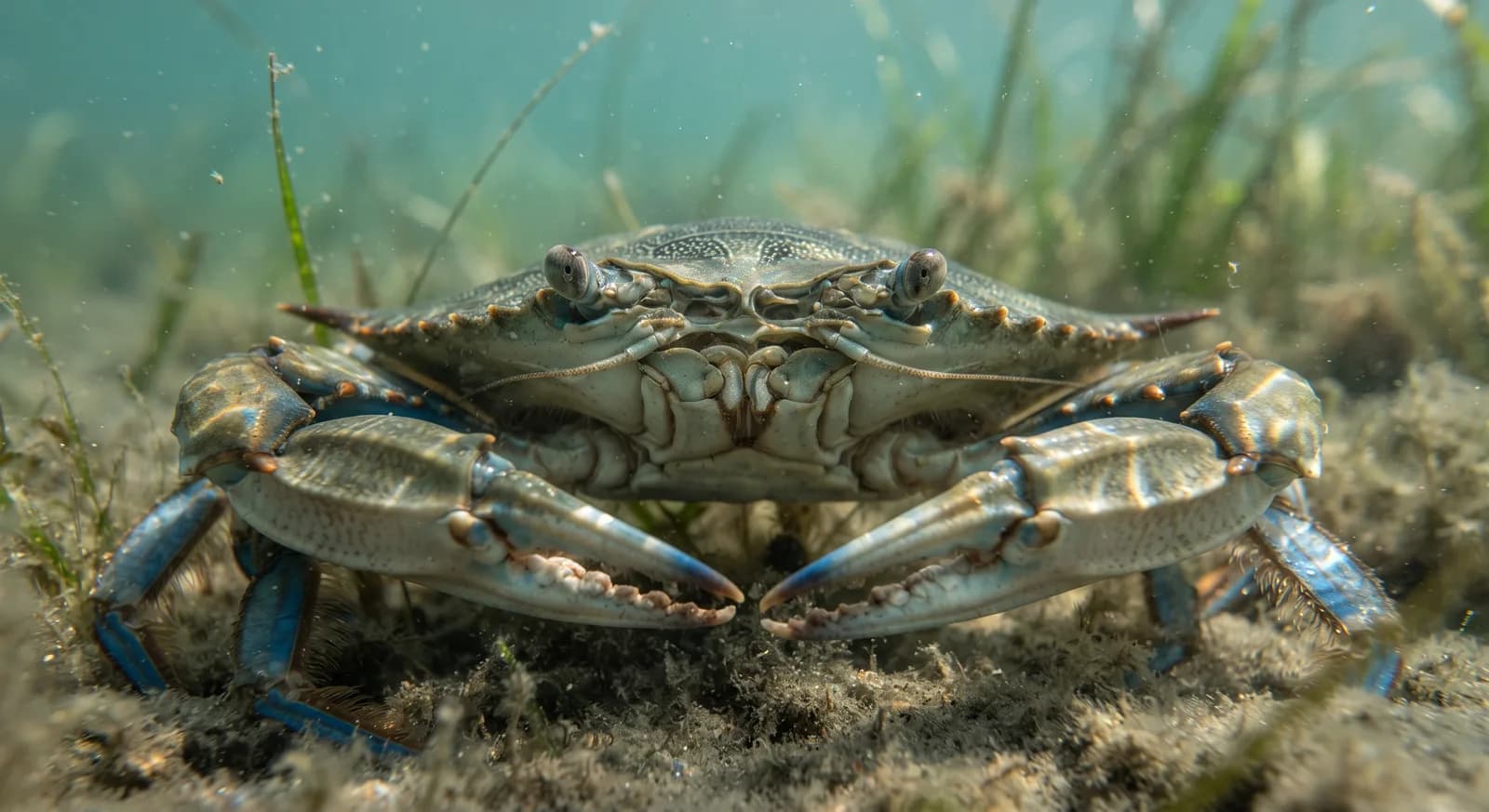
Blue CrabNot Evaluated

Blue Crab

Callinectes sapidus

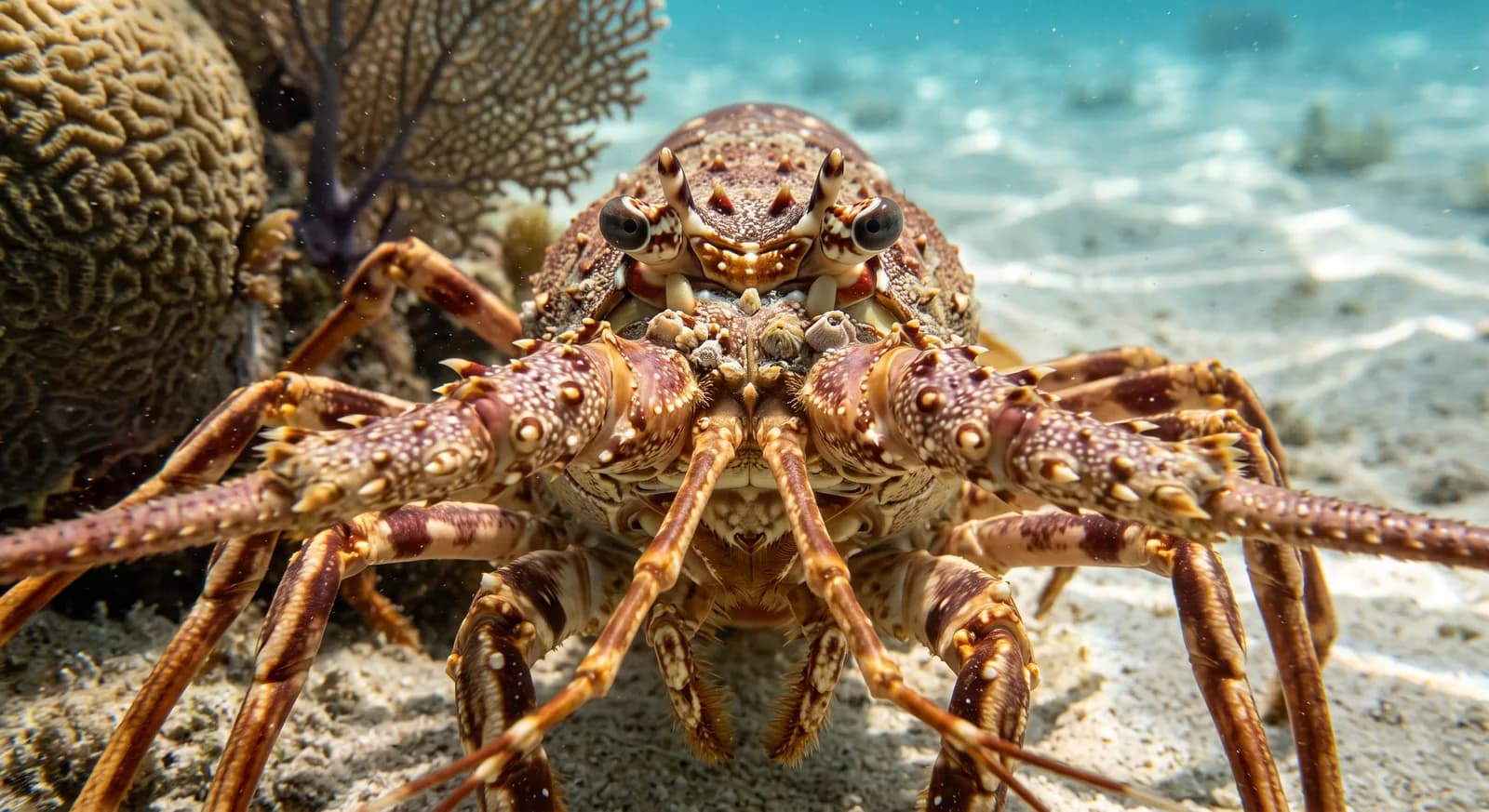
Caribbean Spiny LobsterData Deficient

Caribbean Spiny Lobster

Panulirus argus

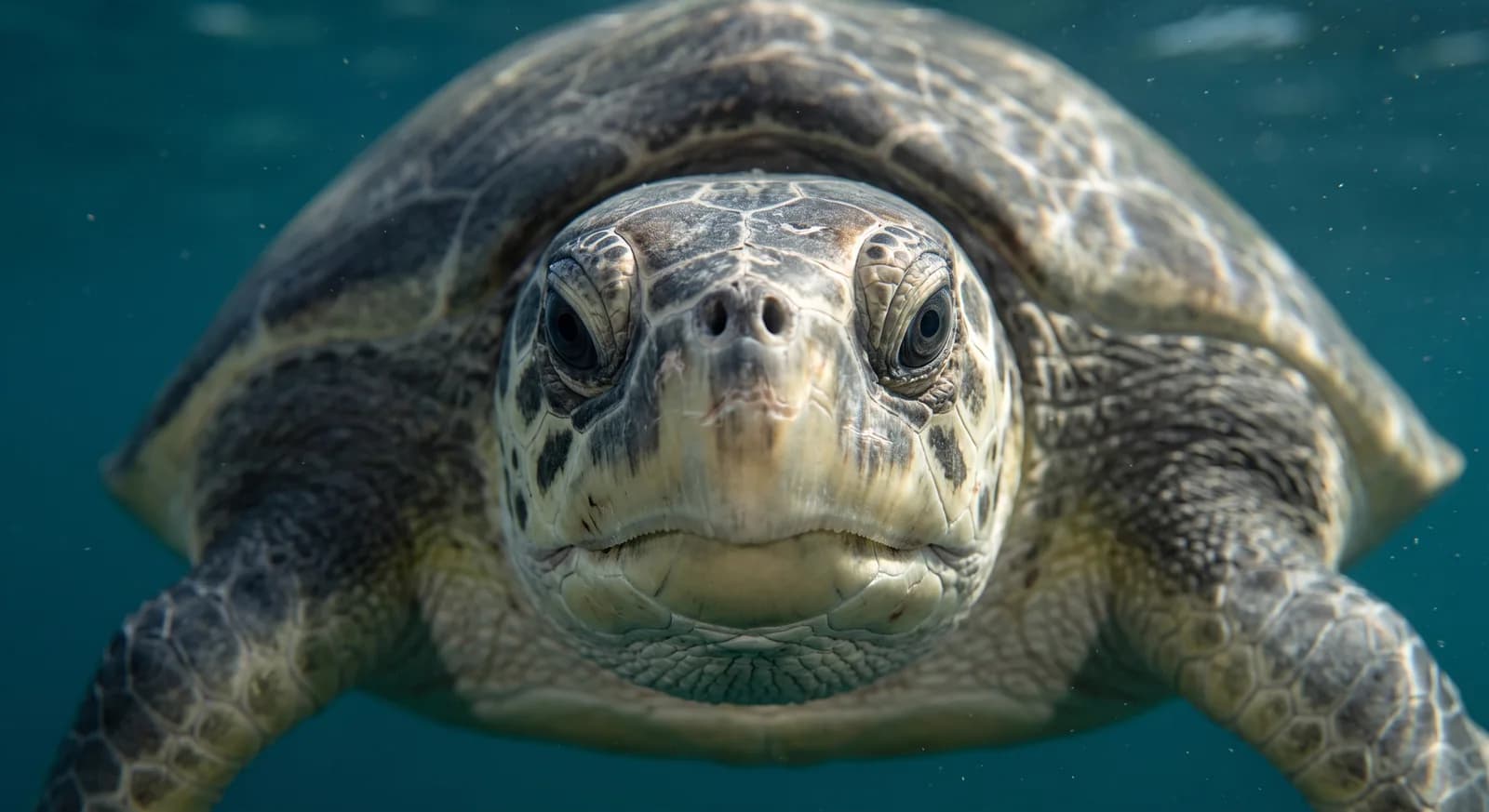
Kemp's RidleyCritically Endangered

Kemp's Ridley

Lepidochelys kempii

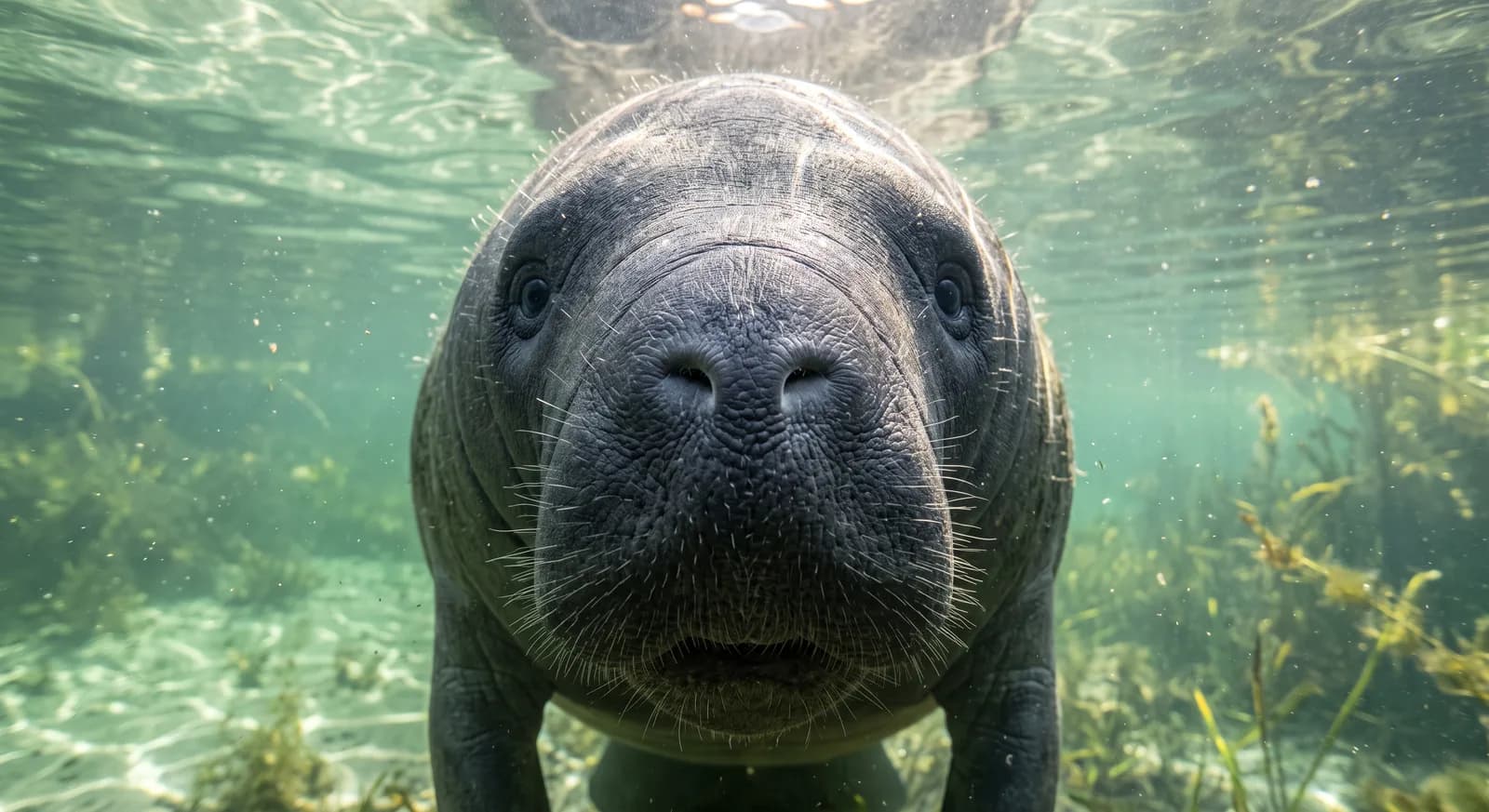
West Indian ManateeVulnerable

West Indian Manatee

Trichechus manatus

Green TurtleEndangered

Green Turtle

Chelonia mydas

CountriesUnited States
ParksEvergladesUnited States
TagsOmnivore
Omnivore
Solitary
Ocean
Sponge

North America31

South America2

United States
Mexico
Belize
Cayman Islands
Bahamas
Colombia
Anguilla
Antigua and Barbuda
Aruba
Bahamas
Barbados
Belize
Bermuda
British Virgin Islands
Cayman Islands
Costa Rica
Cuba
Curaçao
Dominica
Dominican Republic
Grenada
Guadeloupe
Haiti
Honduras
Jamaica
Martinique
Mexico
Nicaragua
Panama
Puerto Rico
Saint Kitts and Nevis
Saint Lucia
Saint Vincent and Grenadines
Trinidad and Tobago
Turks and Caicos Islands
U.S. Virgin Islands
United States
Colombia
Venezuela