Skip to content
WAnimals
  • Map
  • Species
  • Parks
  • Diving
Log inCreate account
WAnimals

The guide for travellers and animal lovers: discover, plan and share your wild adventures around the world.

Discover wildlife

  • Species
  • Ecosystems
  • Glossary
  • Tags

Explore places

  • Map
  • Countries
  • Parks
  • Diving

Plan experiences

  • Guides

Learn

  • Blog

Resources

  • About us
  • How we build our profiles
  • Help centre
  • Contact
  • Install the app

Follow us

Account

  • Log in
  • Create account

© 2026 WAnimals. All rights reserved.

Terms of servicePrivacyCookiesLegal notice
MapSpeciesParksDiving
  1. Home
  2. Species
  3. Queen Conch
Queen Conch (Lobatus gigas)

Gastropods · Littorinimorpha · Strombidae

Queen Conch

Lobatus gigas

Not Evaluated

It has not yet been assessed against the IUCN criteria.

Spotted something wrong?

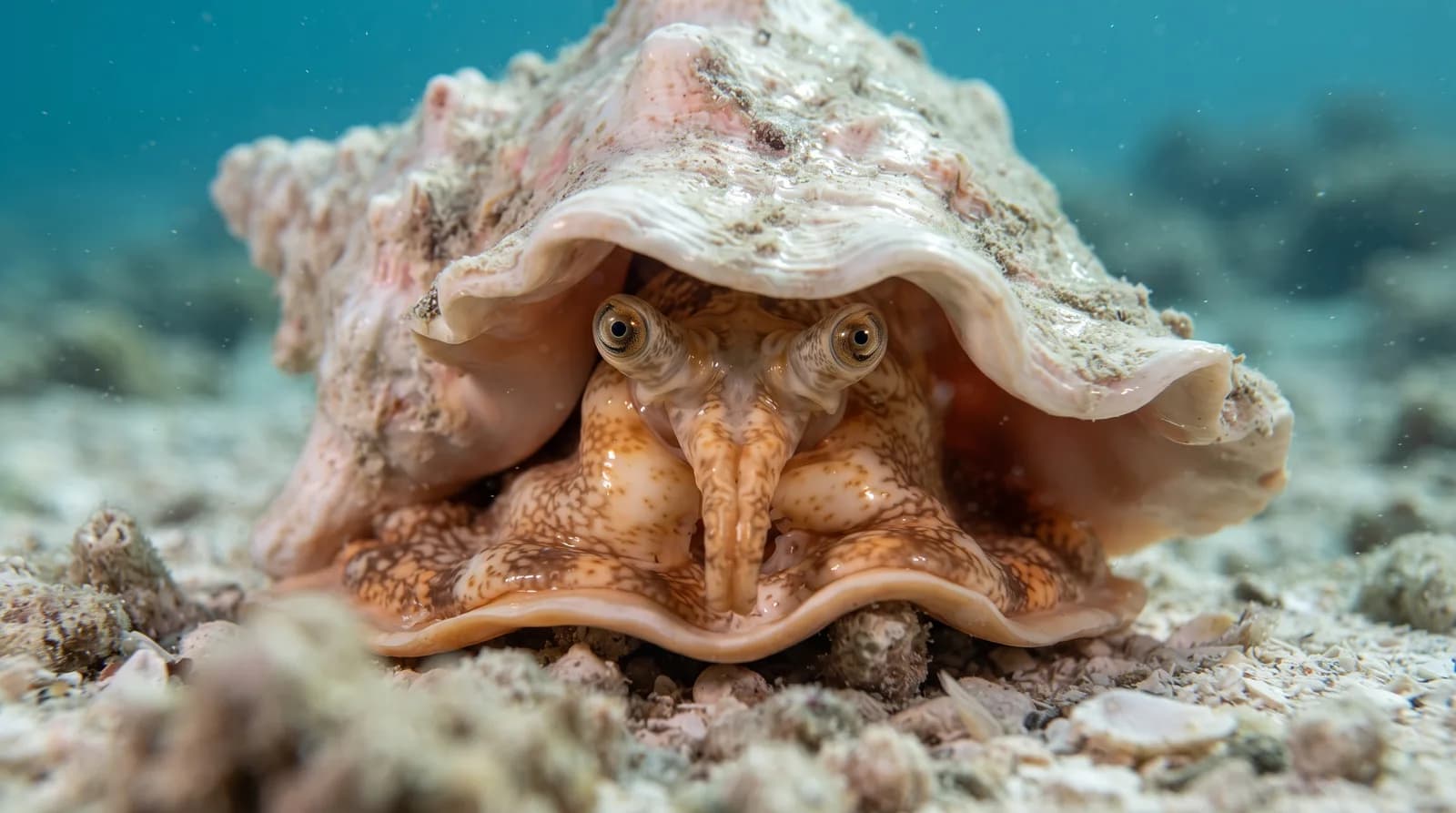
A large Caribbean sea snail with a massive shell bearing short spines and an unmistakable pearly pink aperture. It grazes algae, epiphytes and plant debris in shallow seagrass beds. It is one of the most important fishery resources in the region, and overfishing has driven many populations to collapse despite international regulation. Its current scientific name is Aliger gigas.

Size

15 cm – 35 cm

Life expectancy

25 years

Diet

Omnivore

Combines animal and plant food depending on availability.
Social structure

Colony

Lives in large concentrations, often for breeding reasons.

Ocean
33countries24parks98dive sites

AI-generated images: illustrations, not photographs.

Fun facts

  • It has been listed in CITES Appendix II since 1992, and exporting it requires non-detriment findings.
  • It is not considered adult until the lip of the shell thickens: animals with a thin lip have not yet bred, and taking them is one of the causes of the fishery's collapse.
  • It moves in hops, driving its operculum into the sand like a walking stick, instead of crawling like most snails.
  • Its shell has been used for centuries as a ceremonial trumpet in the Caribbean.
  • It is the most emblematic marine snail of the Caribbean, and also a fishery resource of the first order: its meat sustains fisheries in more than twenty countries and its shell is a classic souvenir.
  • That pressure has kept it on Appendix II of CITES since 1992, and several countries have closed or restricted the fishery because the stocks have been depleted.
  • It does not crawl like other snails: it uses its claw-shaped operculum as a pole, digging it into the sand and propelling itself in leaps, which lets it escape from predatory snails.
  • It has sophisticated eyes at the tips of two stalks, with a lens and a retina, capable of forming an image — something exceptional in a gastropod.
  • Its reproduction depends on density: if individuals are left too far apart they never find one another, and depleted populations stop reproducing even though specimens remain. It is a documented Allee effect.
  • The shell only develops its thick, curved lip on maturing, which is why catches of thin-lipped young individuals are especially damaging.

Life cycle and biology

Skeleton type
Invertebrate - external calcareous shell (mollusc)
Habitat and environment
Seagrass beds and sandy bottoms of the Caribbean, from 0 to 30 m
Sexual maturity
3-4 years

Sources consulted: Wikipedia (es): Lobatus gigas

Where to find it

Loading map…

Where to see it

Parks and dive sites where this species has been documented — showing 20 of 122.

Related species

Other species in the catalogue with the most in common with Queen Conch — same habitat, park, country, tags or family.

Shares a park
Shares a park
Shares a park
Shares a park
Shares a park
Shares a park

Keep exploring

Based on what we already know about queen conch.

Share an experience, a fun fact or a tip for seeing the queen conch.
See full glossary
This page in other languages: Español · Deutsch · Français · Português · Italiano

The pins mark the parks and dive sites where its presence is documented.

See its range on the interactive map→
EvergladesUnited States
Sian Ka'anMexico
Bacalar ChicoBelize
GuanicaPuerto Rico
JaraguaDominican Republic
Virgin Islands (St John)U.S. Virgin Islands
Tobago Main RidgeTrinidad and Tobago
Exuma Cays Land and Sea ParkBahamas
TayronaColombia
Los RoquesVenezuela
Great Blue HoleBelize
Half Moon Caye WallBelize
Turneffe AtollBelize
Palancar ReefMexico
Isla Mujeres (whale shark)Mexico
Bloody Bay WallCayman Islands
USS Kittiwake wreckCayman Islands
Stingray CityCayman Islands
Tiger BeachBahamas
Jardines de la ReinaCuba
See all 24 parks
See all 98 dive sites
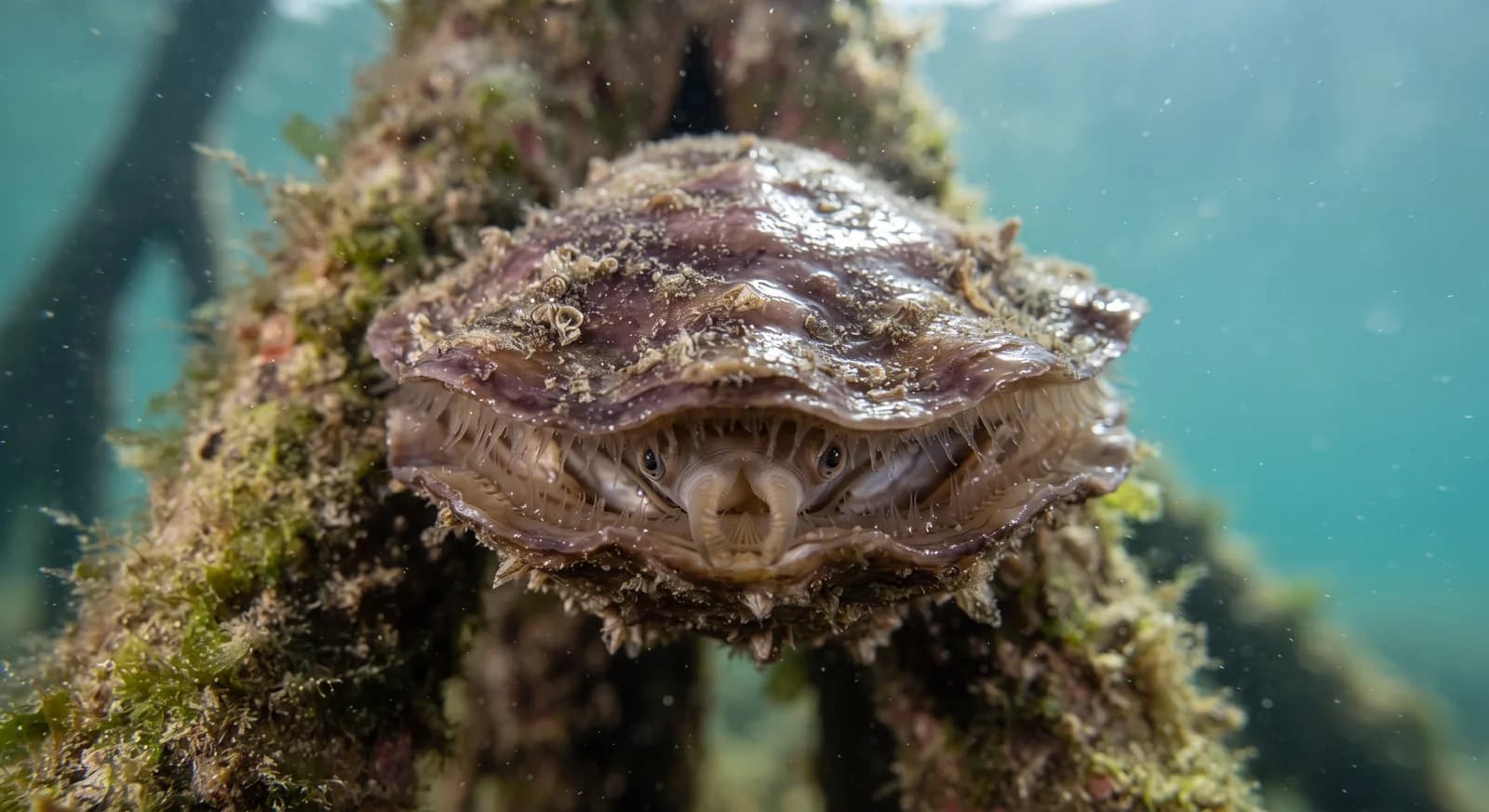
Flat Tree OysterNot Evaluated

Flat Tree Oyster

Isognomon alatus

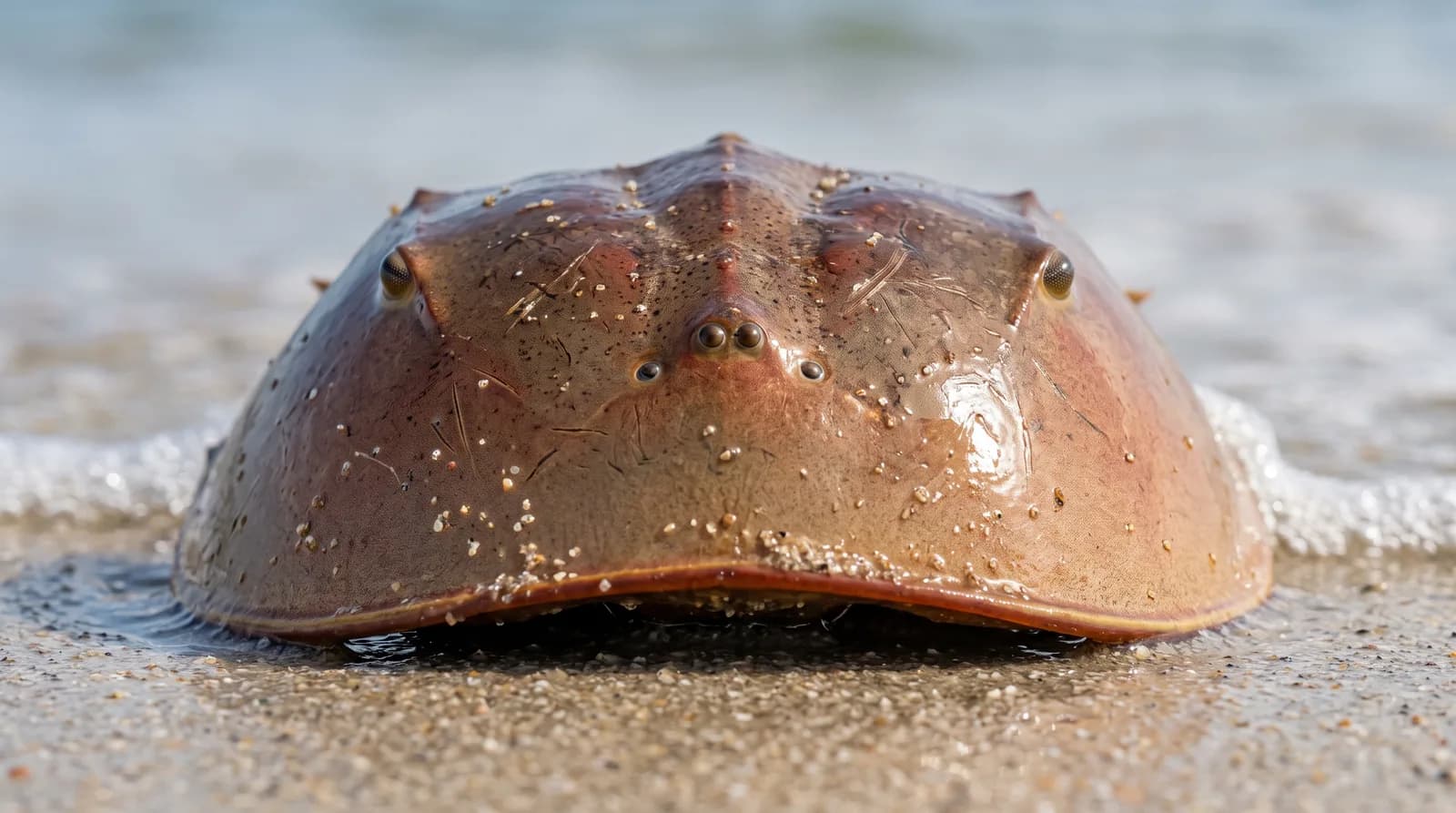
American Horseshoe CrabVulnerable

American Horseshoe Crab

Limulus polyphemus

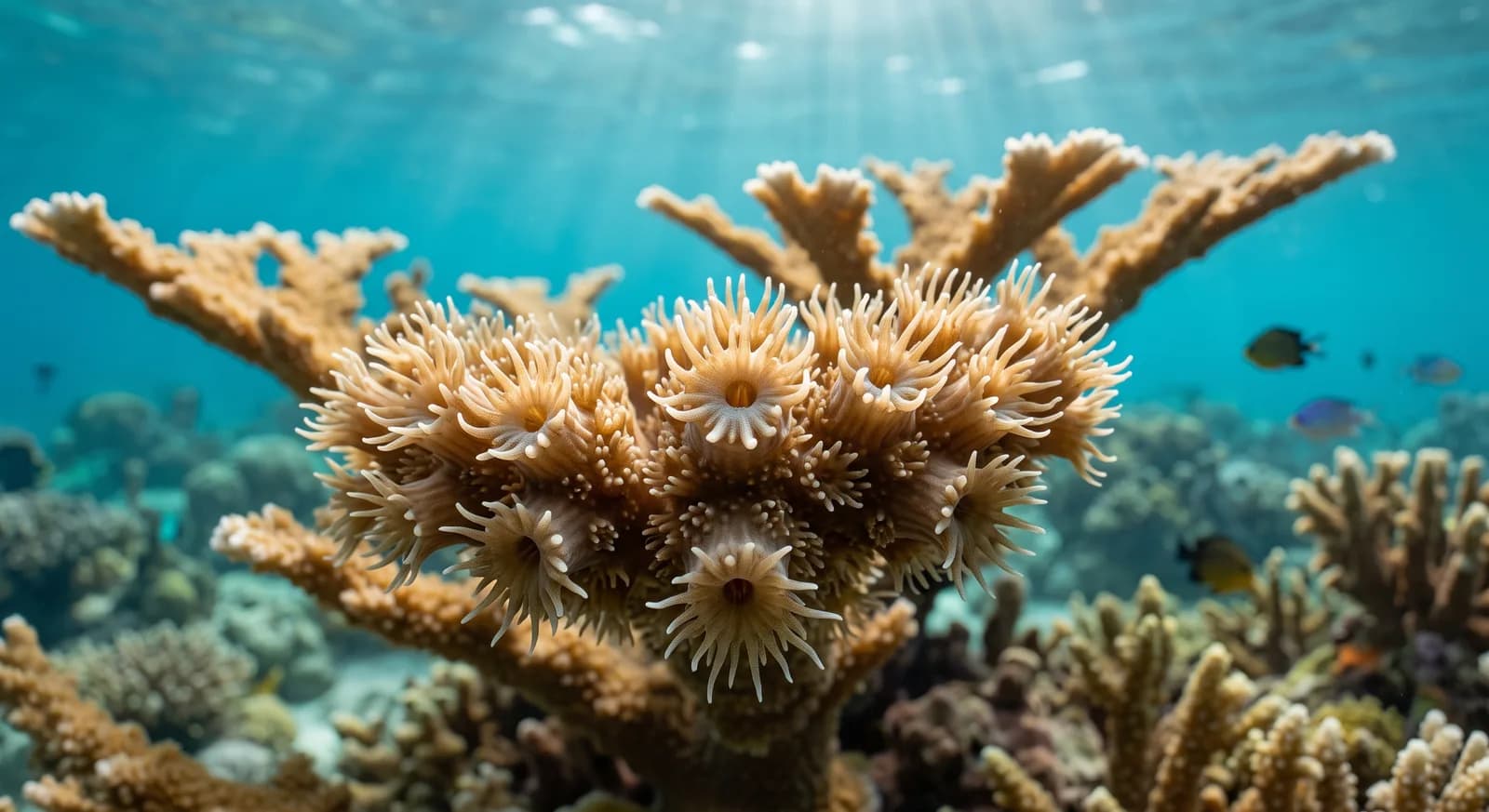
Elkhorn CoralCritically Endangered

Elkhorn Coral

Acropora palmata

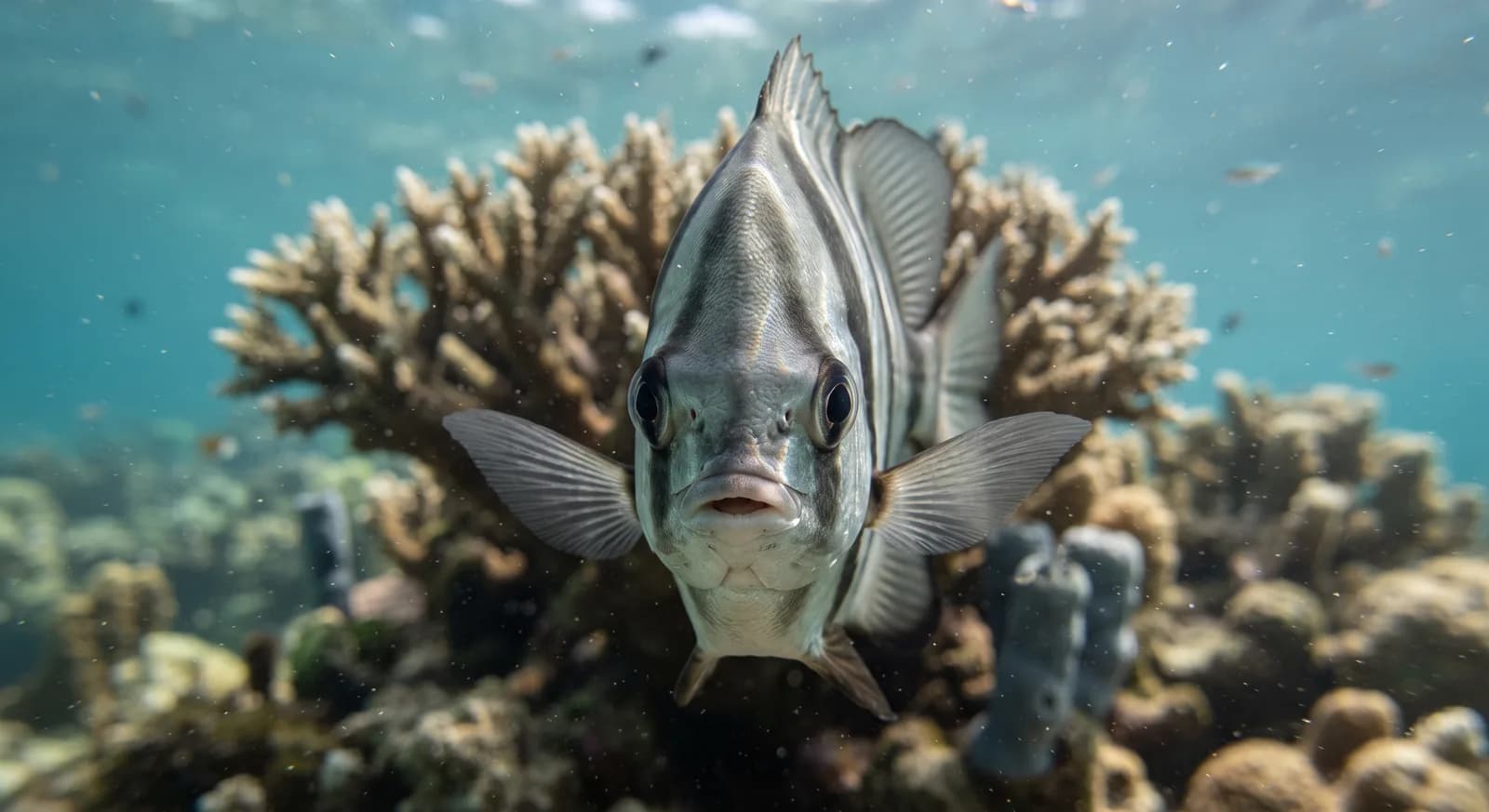
Atlantic SpadefishLeast Concern

Atlantic Spadefish

Chaetodipterus faber

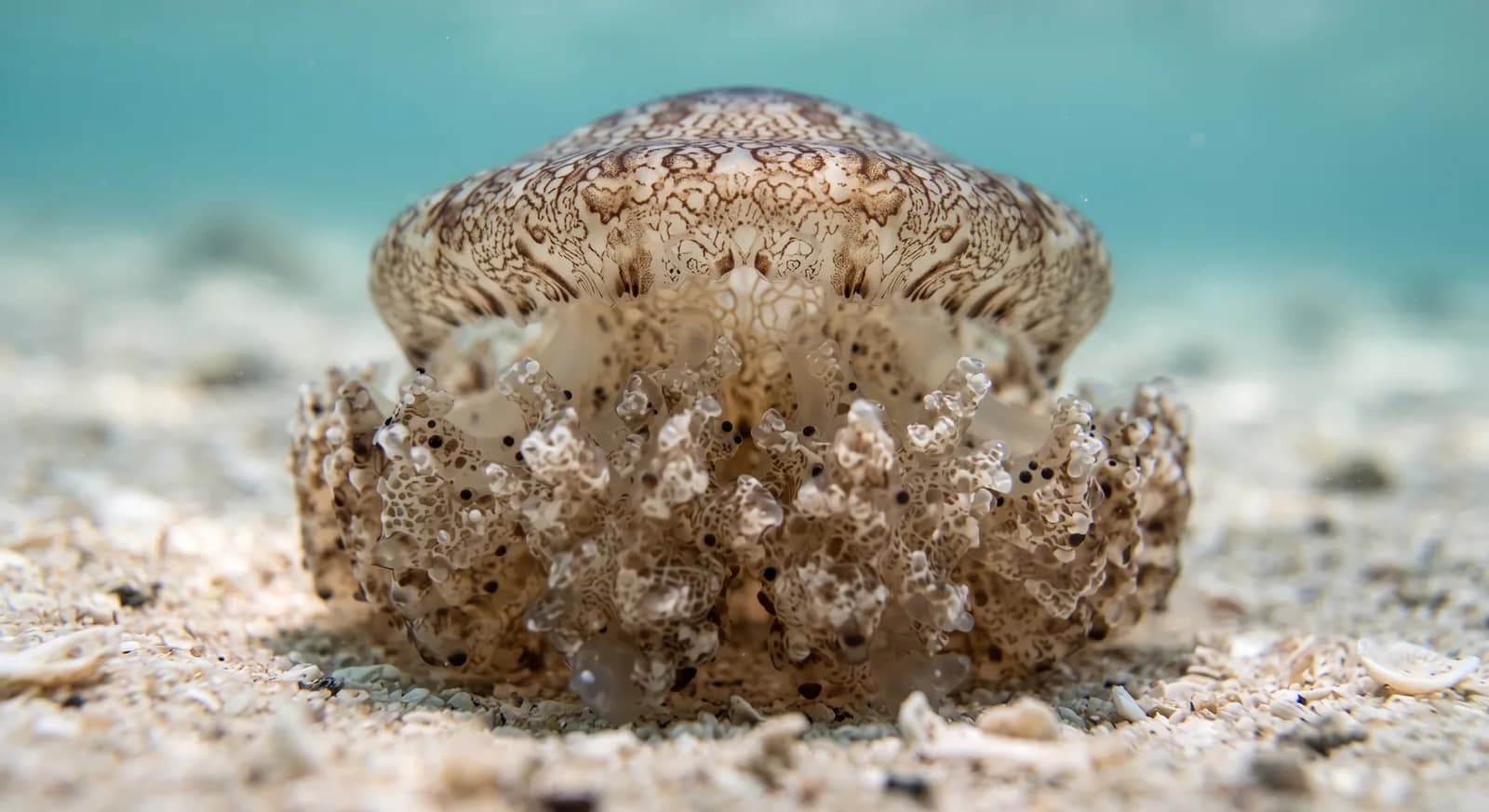
Upside-down JellyfishNot Evaluated

Upside-down Jellyfish

Cassiopea andromeda

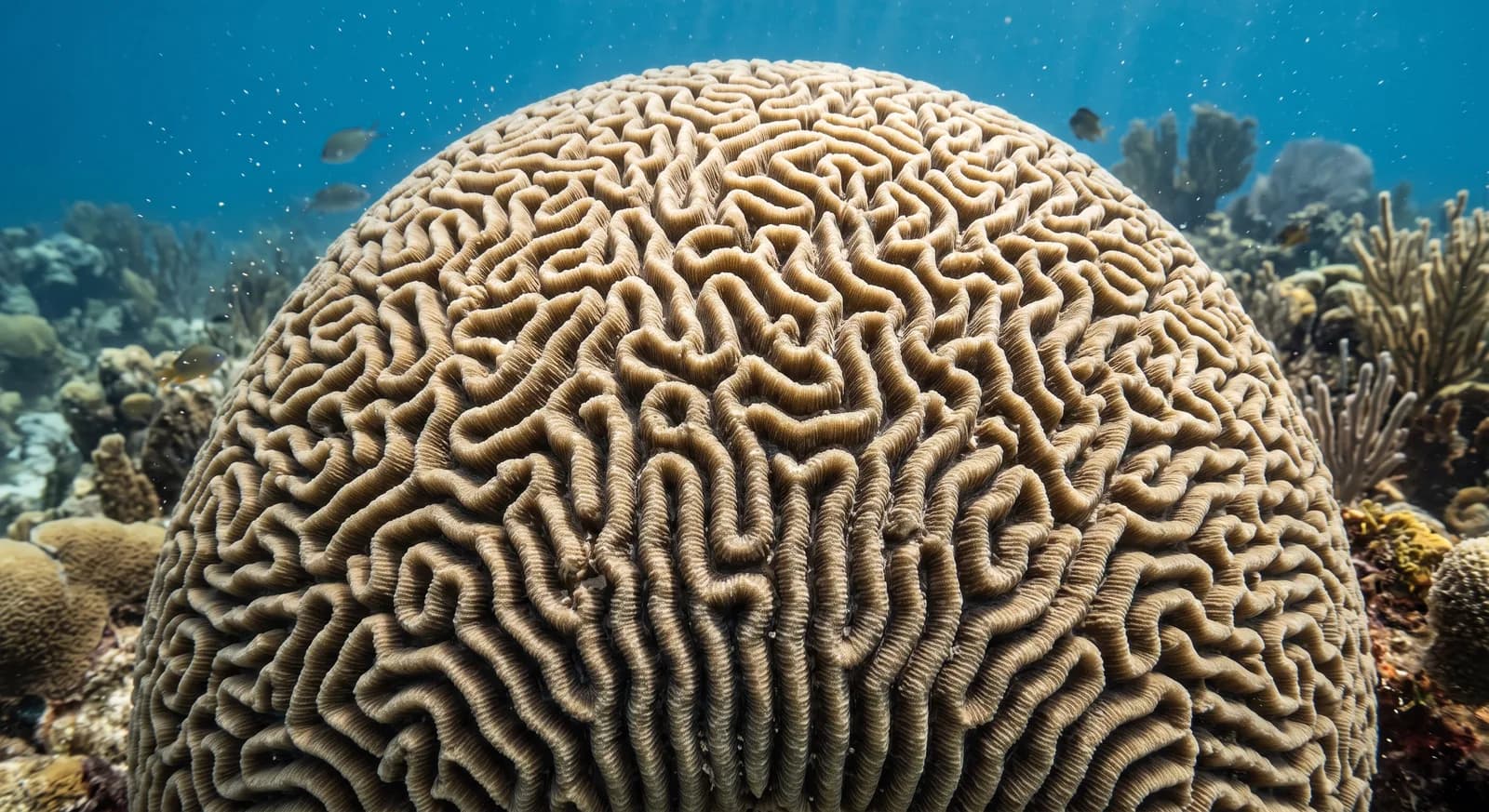
Grooved Brain CoralCritically Endangered

Grooved Brain Coral

Diploria labyrinthiformis

CountriesUnited States
ParksEvergladesUnited States
TagsOmnivore
Omnivore
Colonial
Ocean
Mollusc

North America31

South America2

United States
Mexico
Belize
Cayman Islands
Bahamas
Colombia
Anguilla
Antigua and Barbuda
Aruba
Bahamas
Barbados
Belize
Bermuda
British Virgin Islands
Cayman Islands
Costa Rica
Cuba
Curaçao
Dominica
Dominican Republic
Grenada
Guadeloupe
Haiti
Honduras
Jamaica
Martinique
Mexico
Nicaragua
Panama
Puerto Rico
Saint Kitts and Nevis
Saint Lucia
Saint Vincent and Grenadines
Trinidad and Tobago
Turks and Caicos Islands
U.S. Virgin Islands
United States
Colombia
Venezuela