 Vulnerable
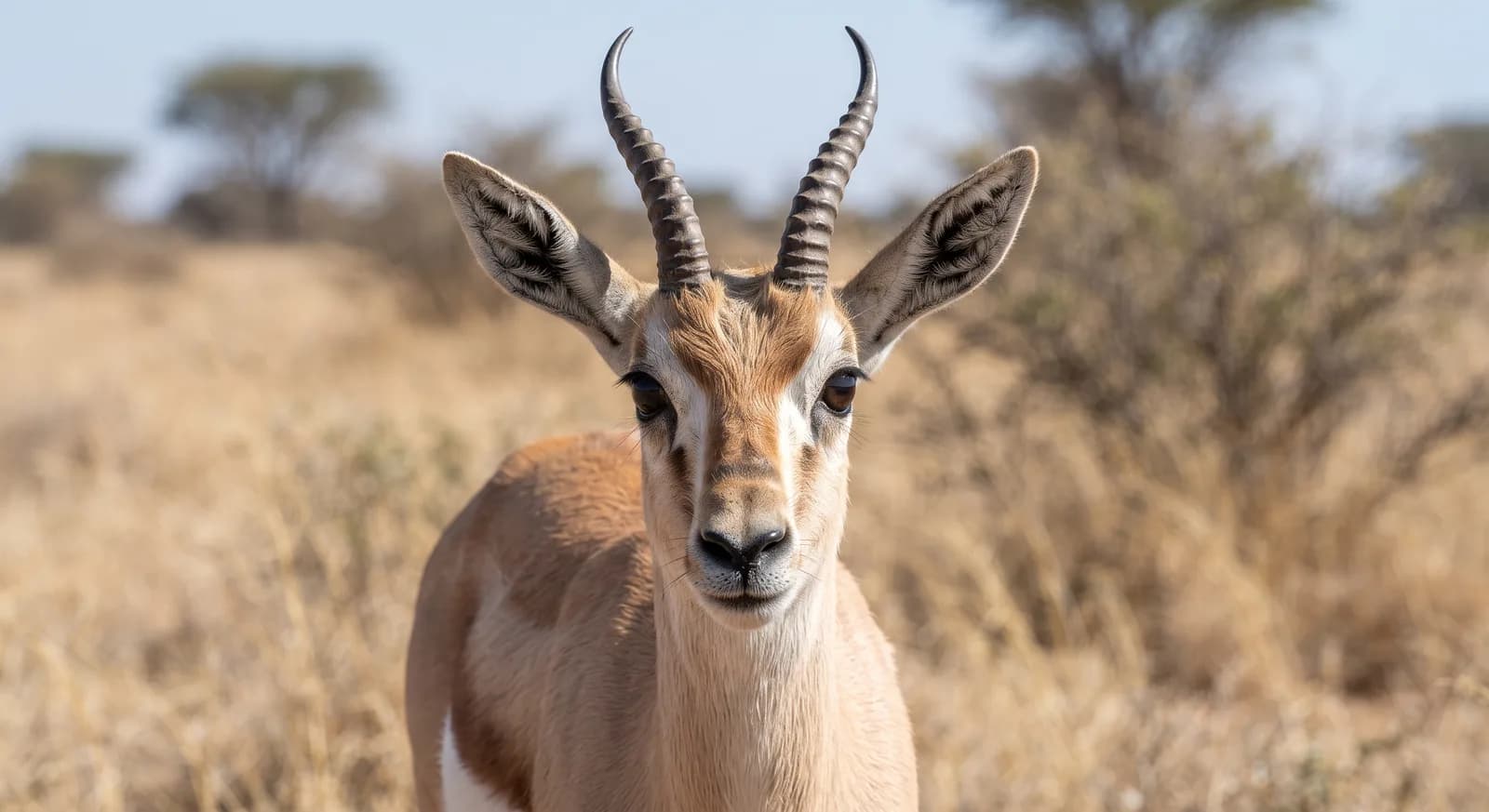
Dorcas Gazelle
Gazella dorcas
Asia
Kuwait occupies the northwestern corner of the Persian Gulf, where the Shatt al-Arab flows out and where the fresh water of Mesopotamia mixes with that of the Gulf, generating very productive muddy bottoms. Its interior plains are gravel desert with sparse vegetation of salt-tolerant shrubs that turns green briefly after the winter rains, when ephemeral plants and desert fungi appear. Kuwait Bay and the tidal marshes of the north are critical areas for migratory waders travelling between Siberia and East Africa. The islands of Bubiyan and Warba, uninhabited and with restricted access, keep salt marshes and colonies of coastal birds. The Al Jahra pools, fed by treated water, have become the most productive birdwatching site in the country.
National animal: No official national animal; the falcon is the emblem of the state and the country's cultural symbol
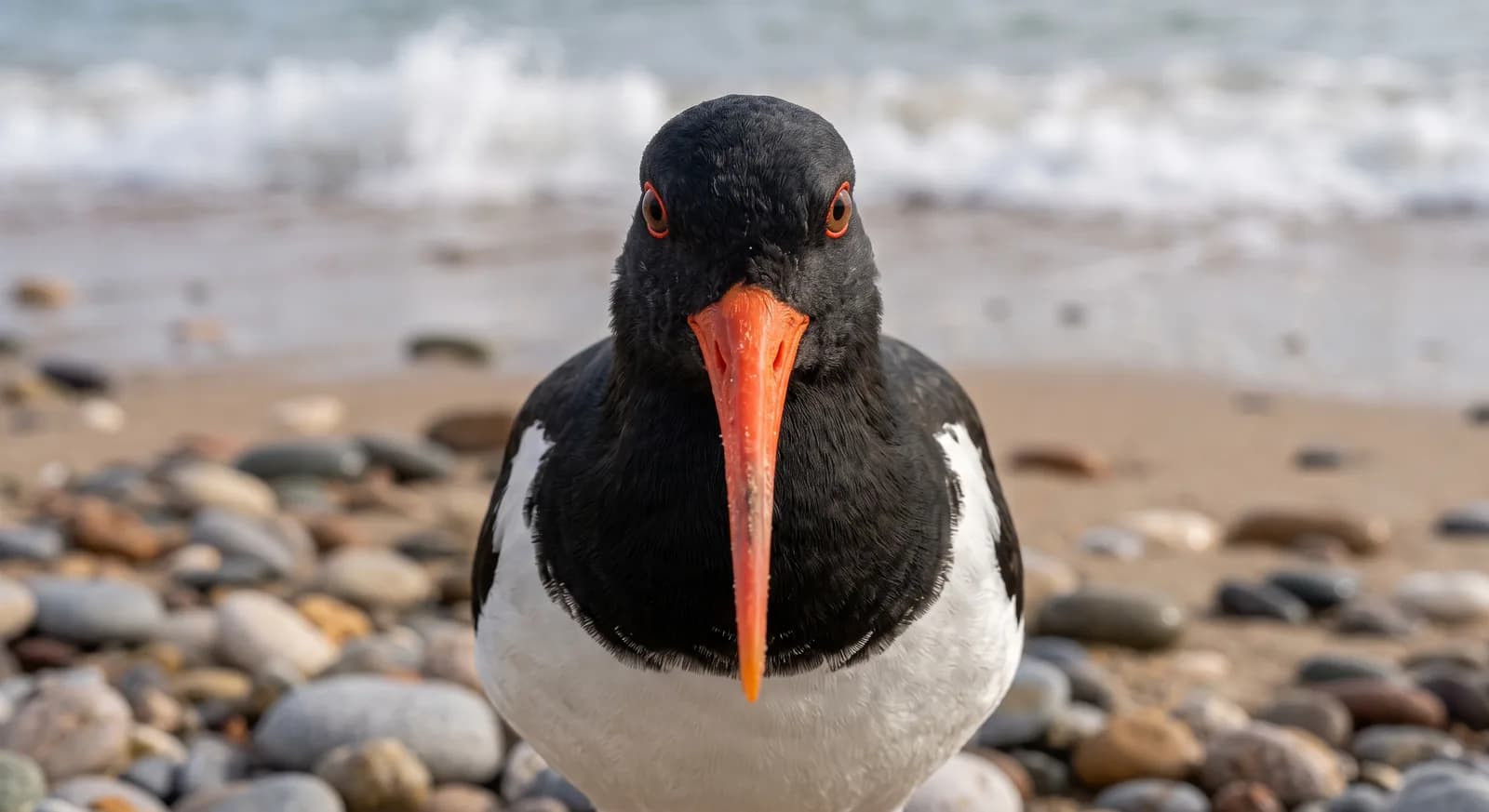
The crab-plover, a black-and-white wader with a robust bill, is the only wader in the world that nests underground: it digs burrows more than a metre long in sandbanks and leaves its eggs in the dark, where the heat of the sand helps with incubation. The islands and shallows of northern Kuwait hold colonies of this species, which feeds almost exclusively on crabs.
The oil well fires and crude oil lakes of 1991 left a crust of contaminated soil whose restoration is still under way decades later. Fencing off reserves has made it possible to see how quickly desert vegetation recovers once grazing stops.
The Al Jahra pools between September and April for waders and waterbirds. Kuwait Bay at low tide for the migration passage. The northern islands in spring for crab-plovers and terns.
Where else might I want to travel?
Same region: Middle East and Western Asia
Same region: Middle East and Western Asia
Same region: Middle East and Western Asia
121 species found
Based on what we already know about Kuwait.