One of the 5 oystercatchers on WAnimals
Birds · Charadriiformes · Haematopodidae
Haematopus ostralegus
It could become threatened in the near future if current threats go unchecked.
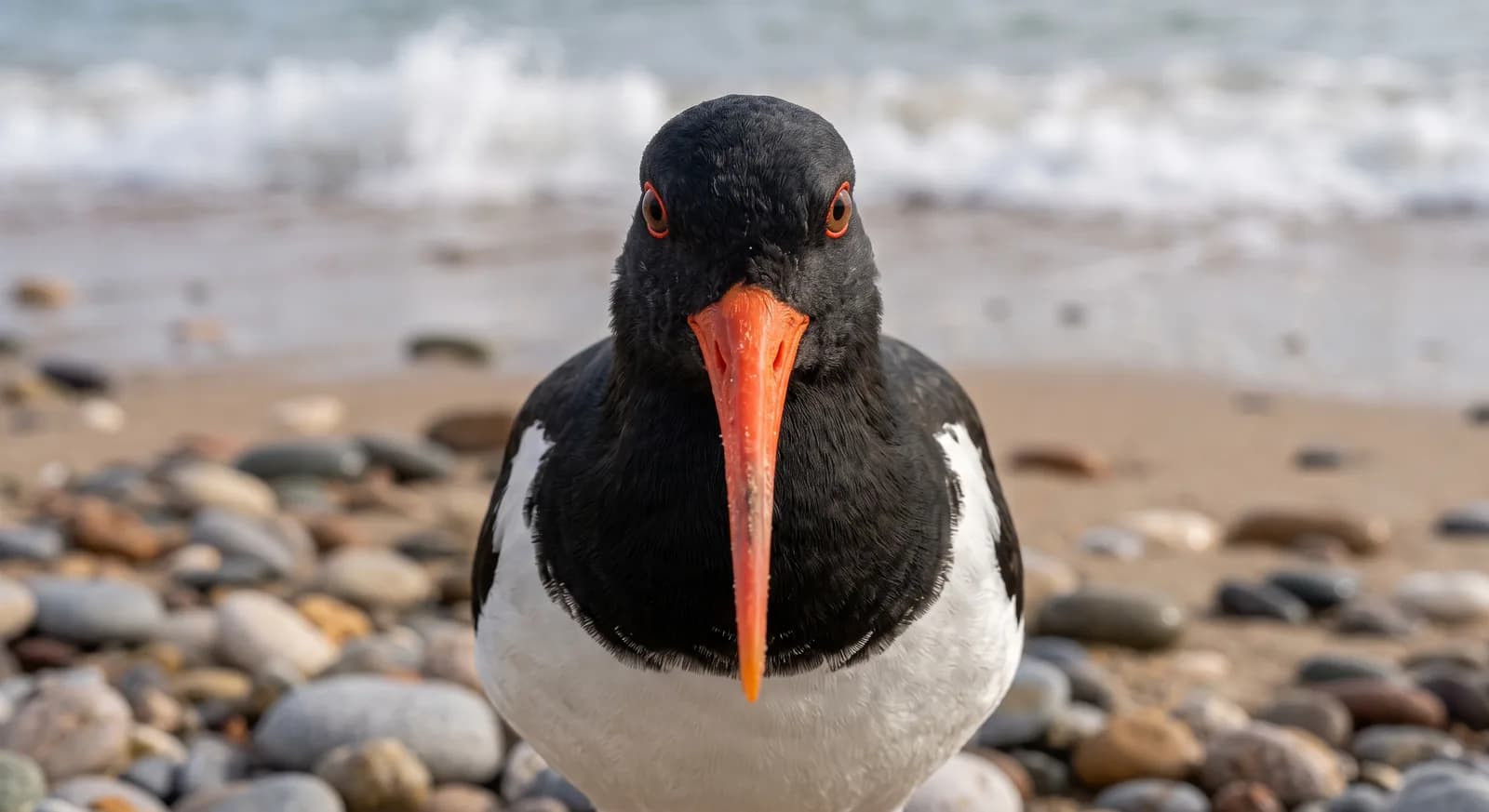
One of the largest and most striking waders in Europe, boldly plumaged in black and white: head, breast and upperparts black, underparts white. Its legs are red and its long, straight, sturdy bill, also red, accounts for 8 to 9 cm of its total length and is flattened at the sides.
Weight
480 g on average
Size
40 cm – 45 cm
Diet
Carnivore
Feeds mainly on other animals.
Activity
Diurnal
Active mainly during the day.
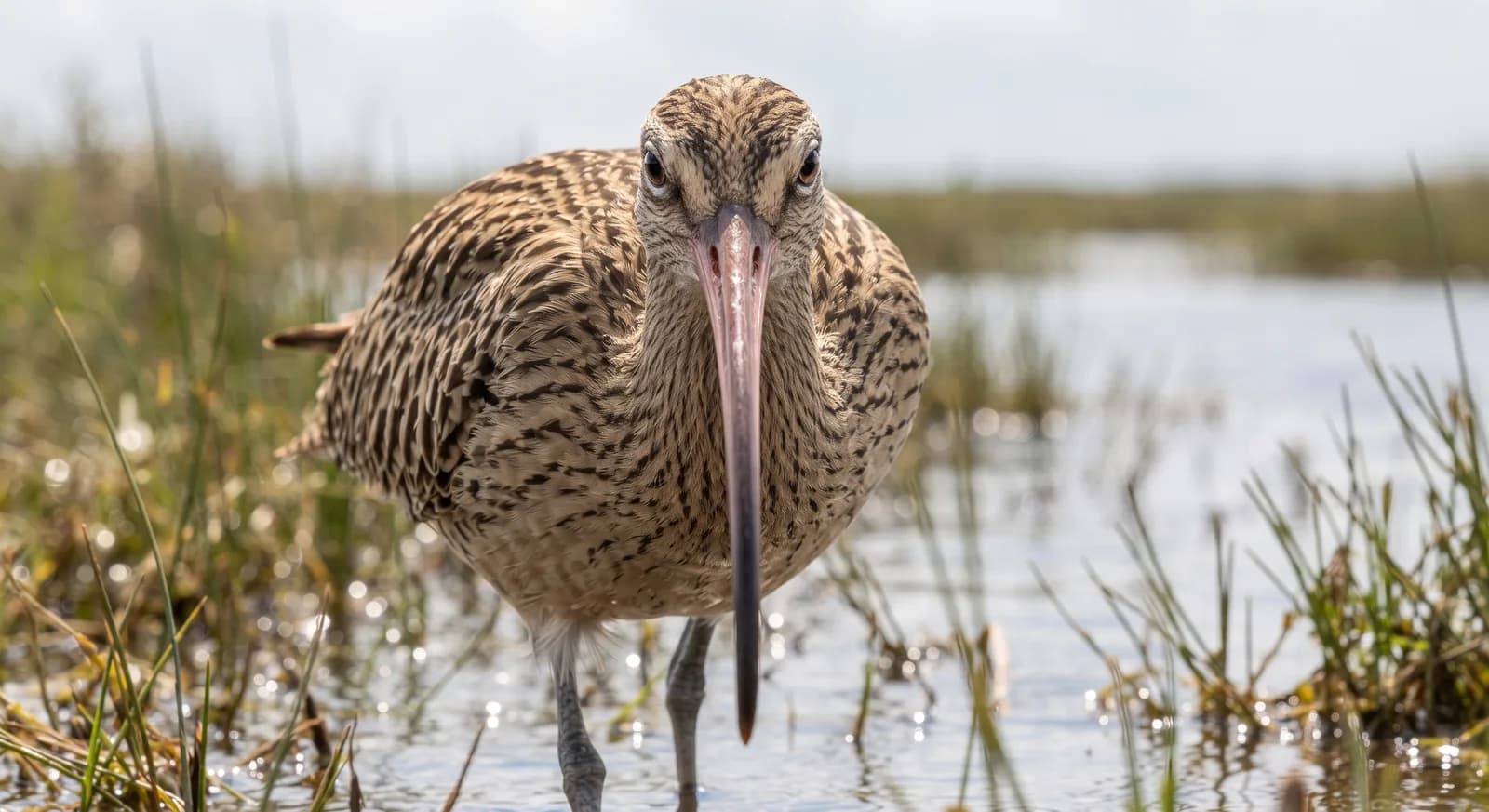
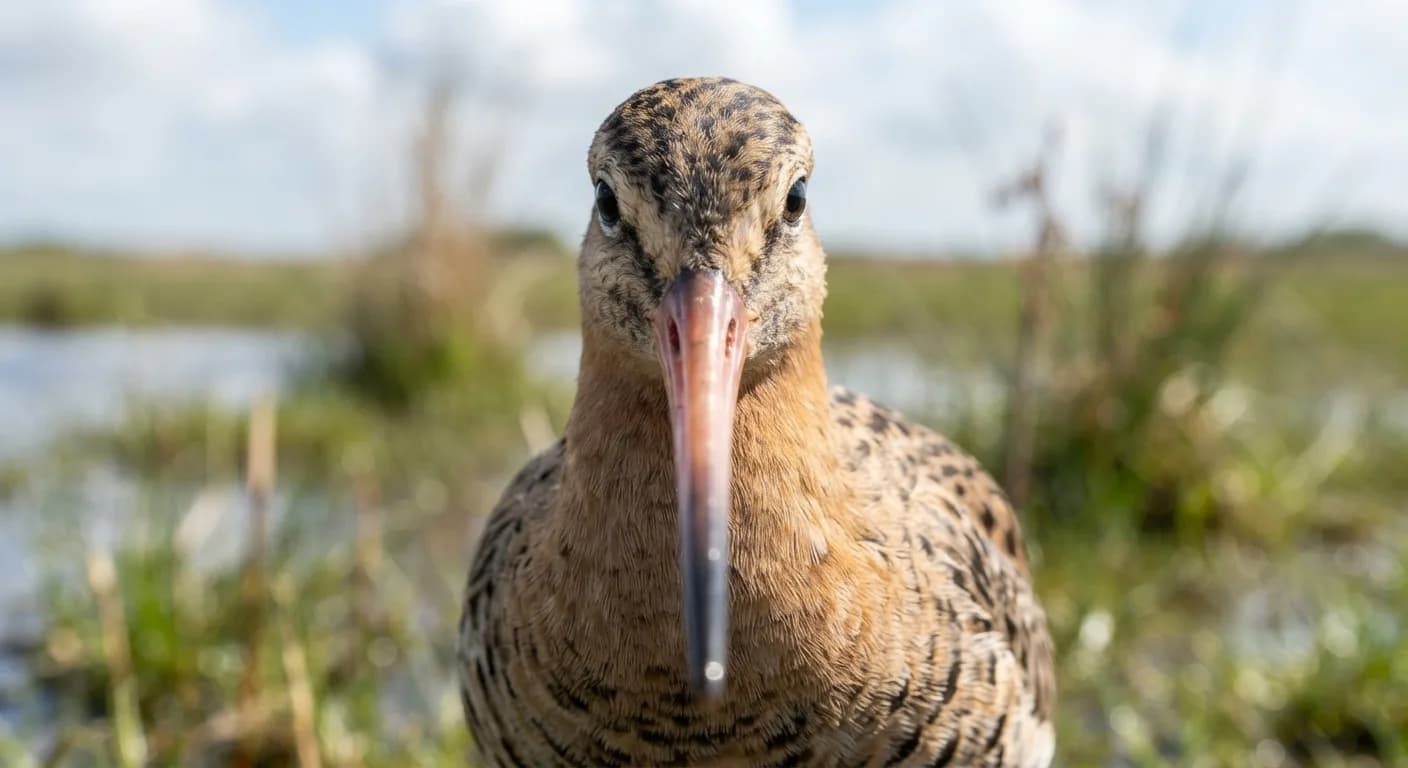
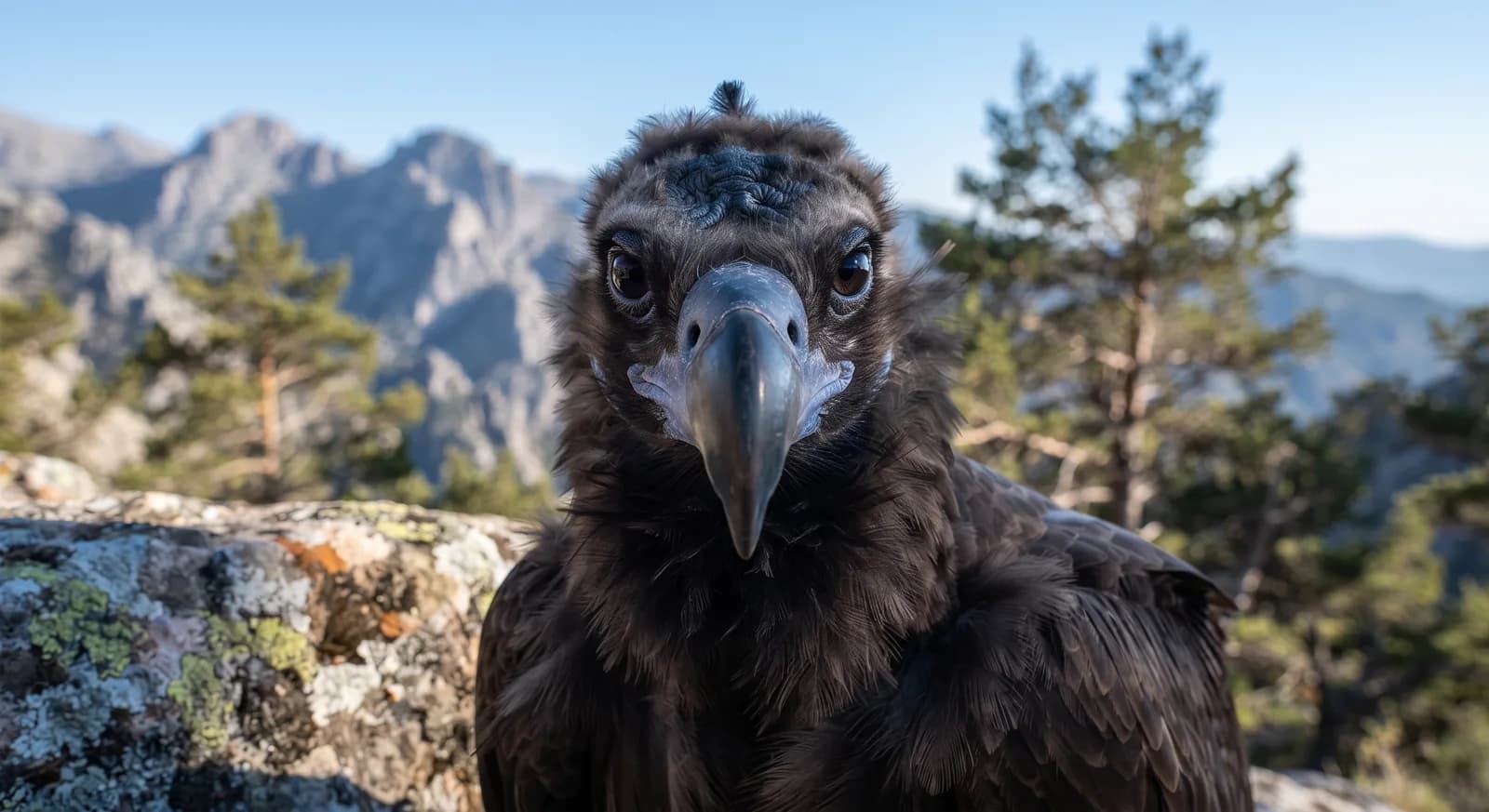
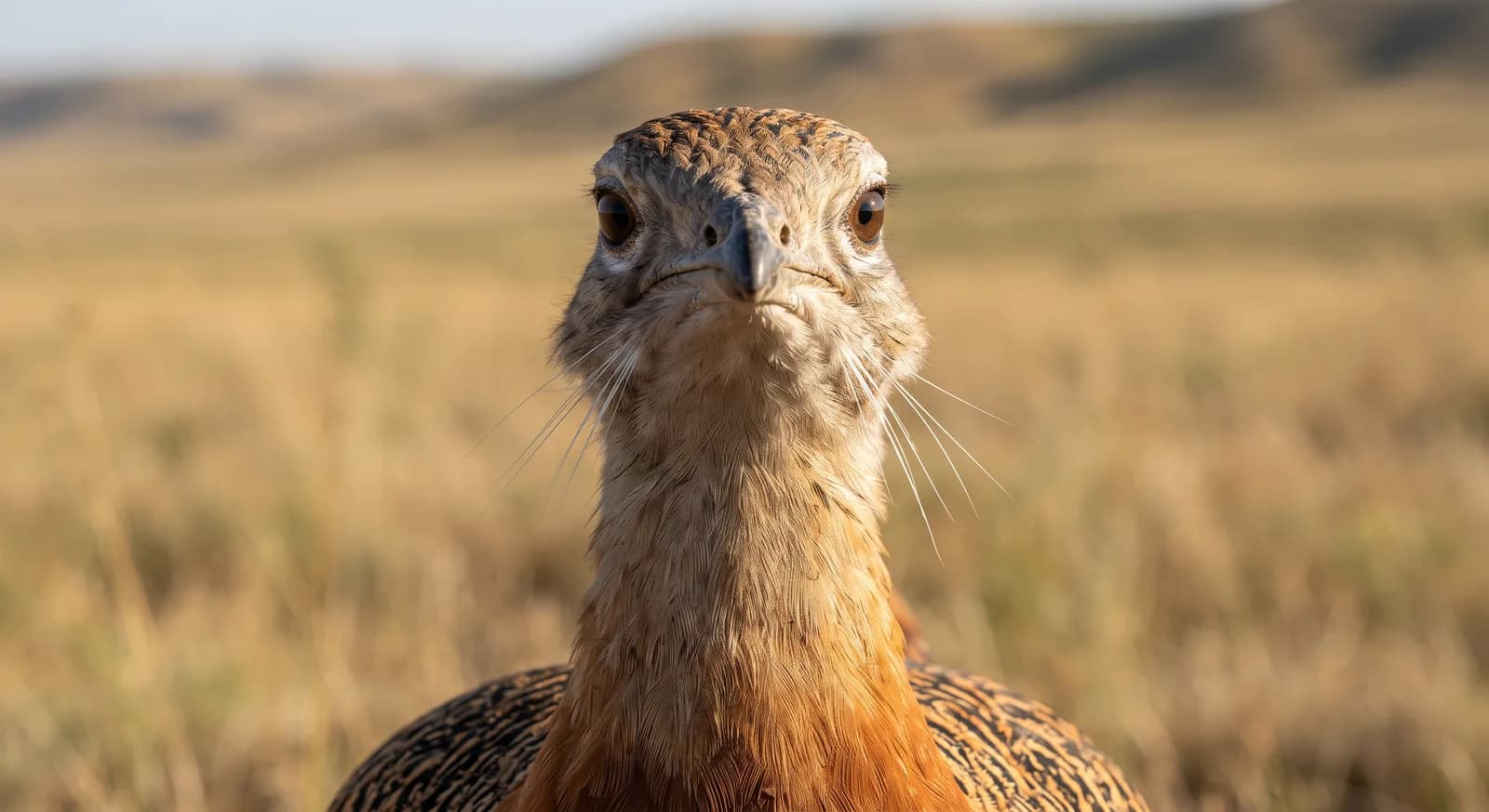
AI-generated images: illustrations, not photographs.
Sources consulted: IUCN Red List · Asturnatura · Wikipedia (Haematopus ostralegus) · Lee et al. 2017, Mitochondrial DNA Part B (genoma mitocondrial completo) · Linnaeus 1758
Best time: All year round on sandy and muddy coasts; in Spain mainly on passage and in winter
Parks and dive sites where this species has been documented — showing 10 of 71.
Other species in the catalogue with the most in common with Eurasian Oystercatcher — same habitat, park, country, tags or family.
Based on what we already know about eurasian oystercatcher.
The pins mark the parks where its presence is documented.