Vulnerable
Yellow-casqued Hornbill
Ceratogymna elata
Africa
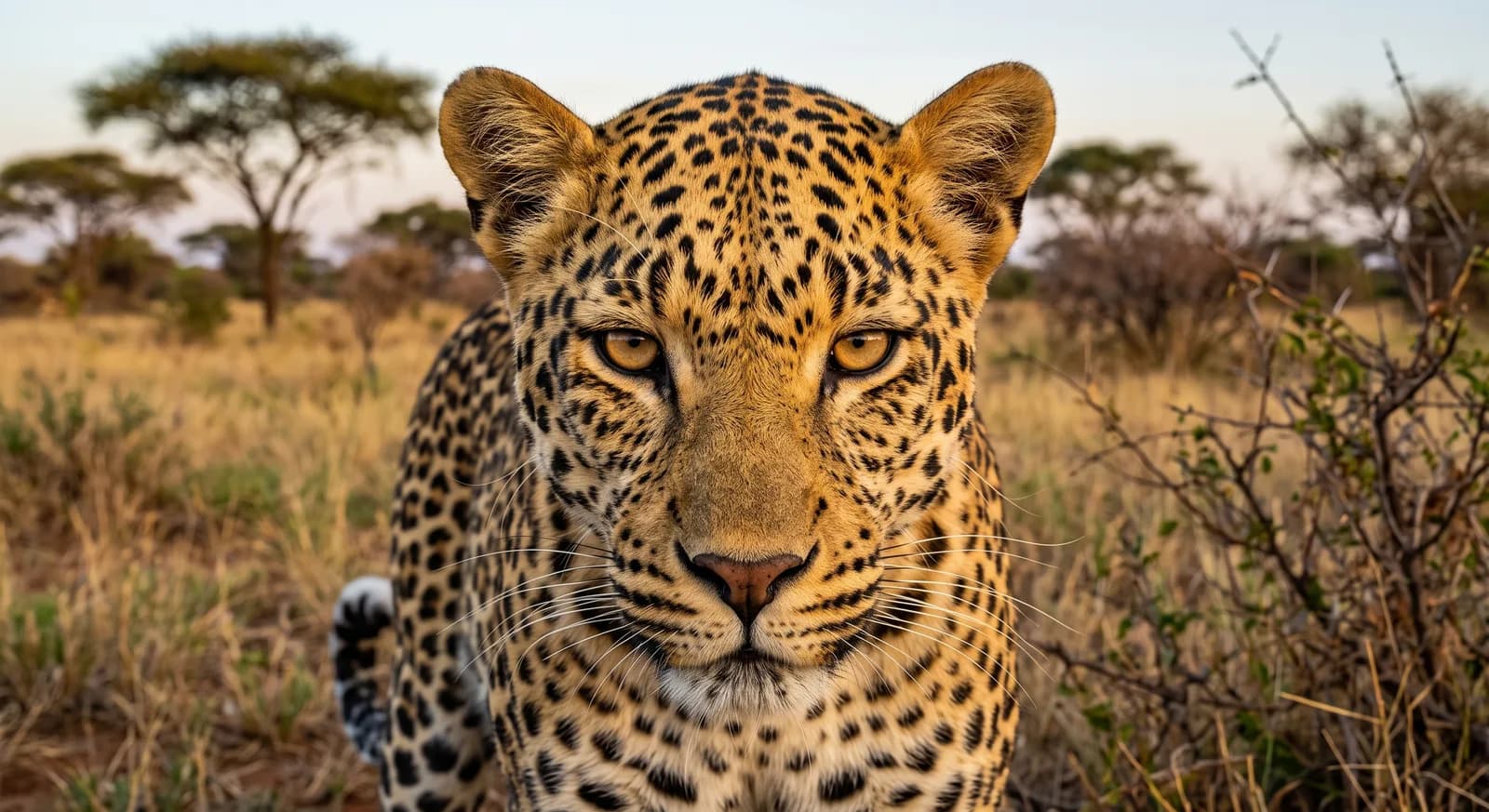
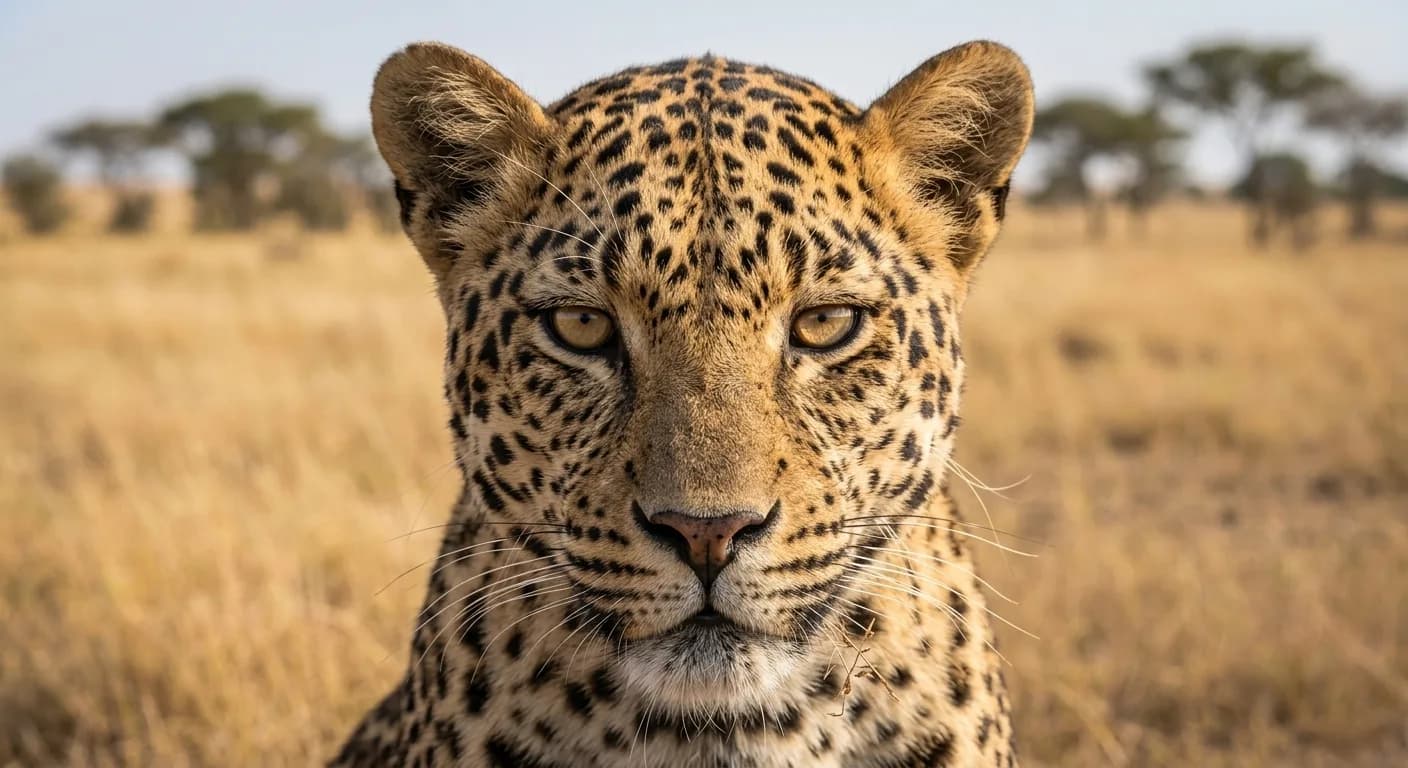
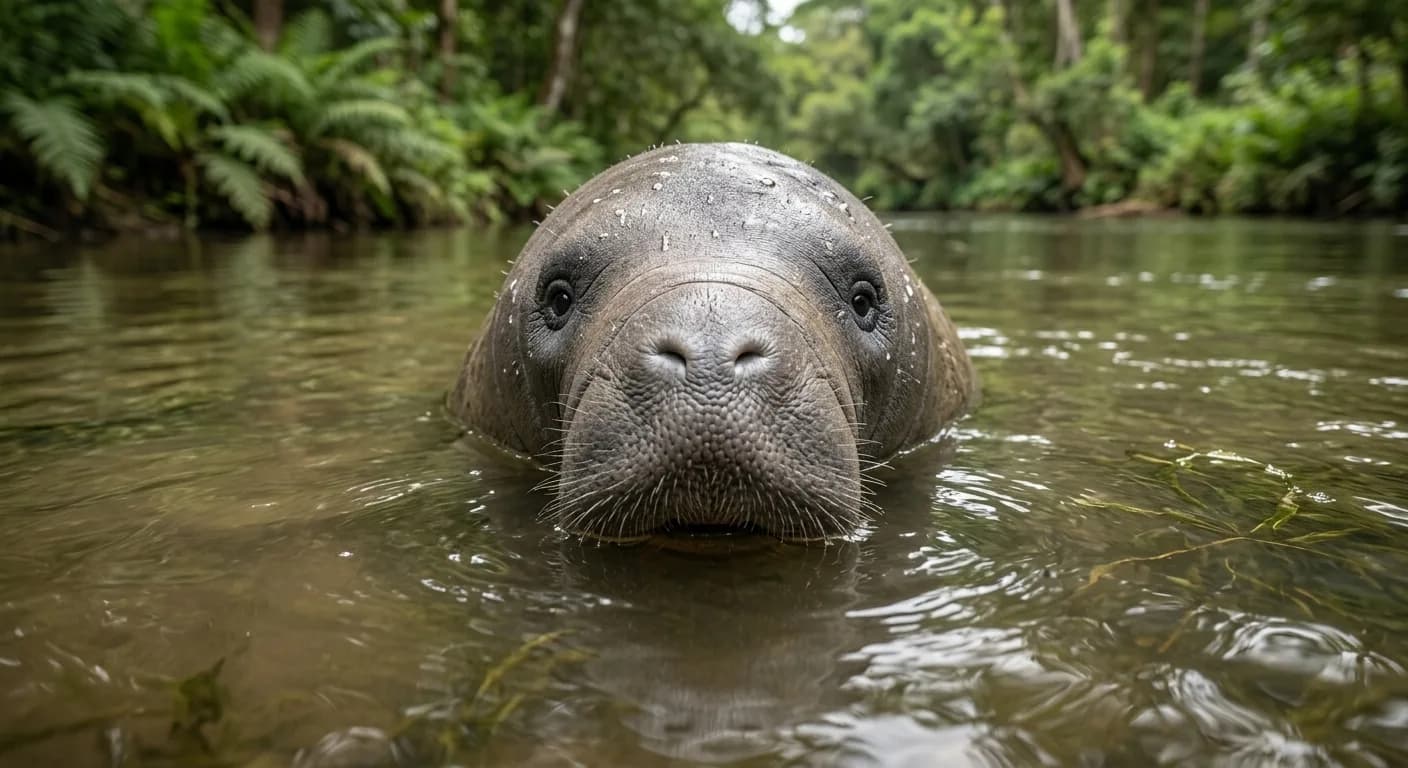
Nigeria is the most populous country in Africa and brings together a range of environments running from the semi-arid Sahel of the far north, with a shrinking Lake Chad, to the rainforests of the southeast on the Cameroonian border, by way of the Guinean savannahs of the centre and the Jos plateau. The Niger delta contains the largest mangrove forest in Africa and one of the largest in the world, a maze of channels and flooded forest where manatees, dwarf crocodiles and the delta's white-nosed monkey live. In the southeast, Cross River National Park protects montane rainforest of exceptional biodiversity, and in the east the Gashaka-Gumti massif combines gallery forest, savannah and high-altitude grassland in the country's largest park. Yankari and Kainji keep Nigeria's last elephant and lion populations.
National animal: The eagle, present on the national coat of arms
The Cross River gorilla is the rarest of all gorillas: fewer than three hundred individuals remain, spread across a handful of groups in the steep mountains on the Nigeria-Cameroon border. They are so elusive and their terrain so rugged that almost everything known about them comes from camera traps and from counting the nests they build each night, because direct sightings are exceptional.
Oil spills in the Niger delta have degraded great expanses of mangrove and fisheries. Sclater's guenon, endemic to the southeast, survives largely thanks to communities that regard it as sacred and protect it in their forests.
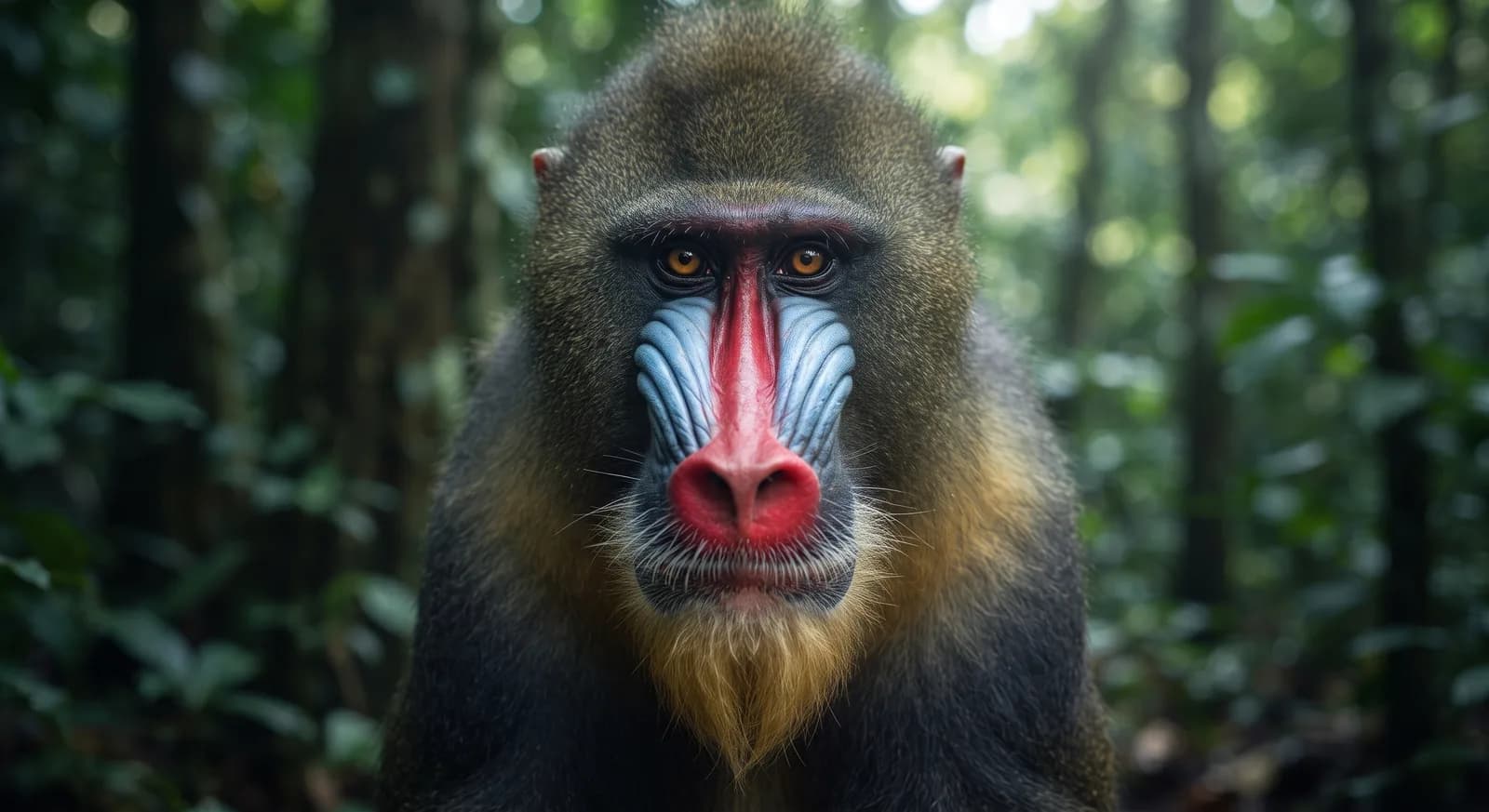
Yankari in the dry season for elephants at the Wikki spring. Afi and Cross River for drills and forest primates. Gashaka-Gumti between November and April for chimpanzees and birds.
Where else might I want to travel?
Same region: West Africa
Same region: West Africa
Same region: West Africa
Same region: West Africa
284 species found
Based on what we already know about Nigeria.