 Endangered
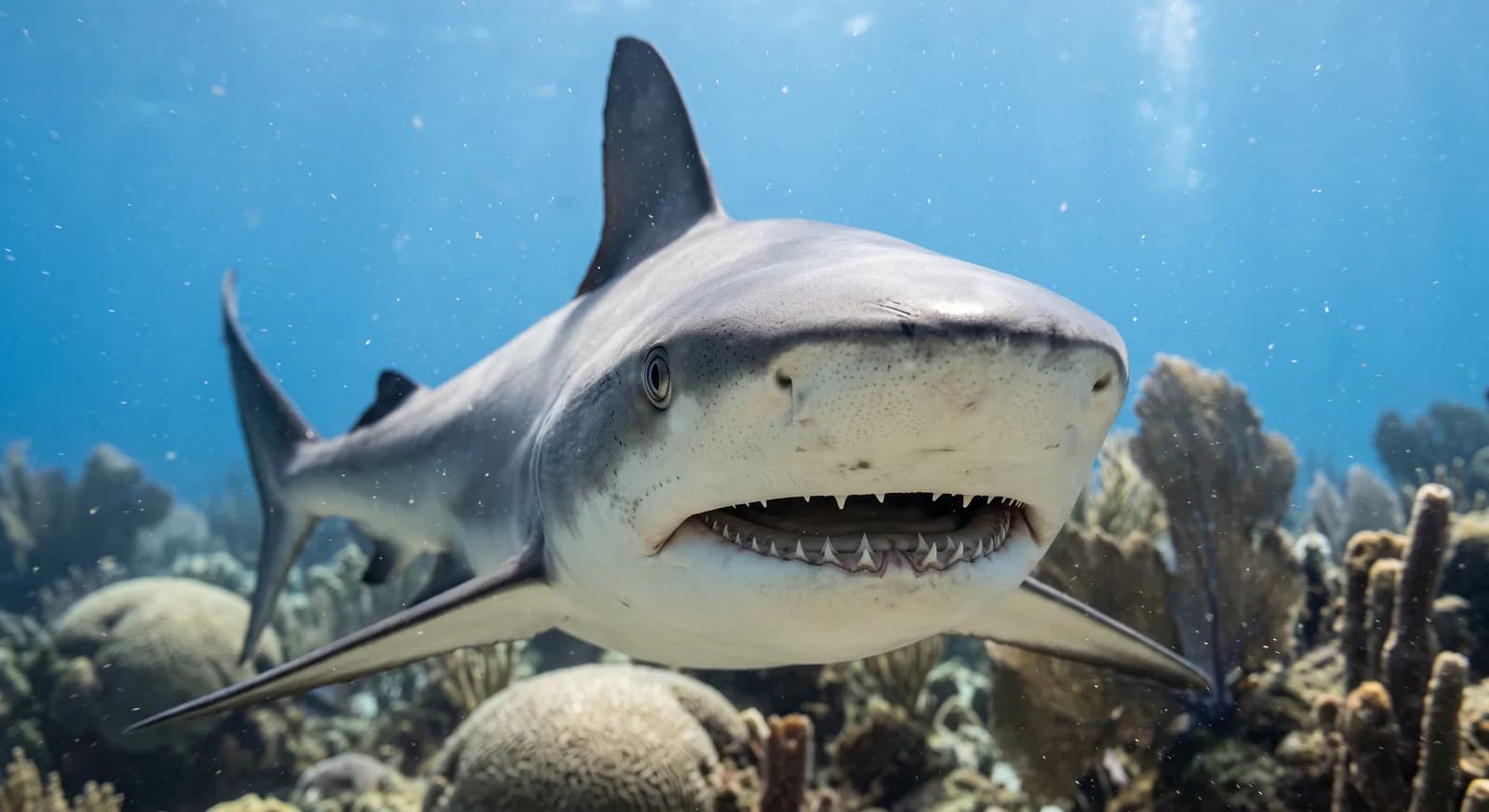
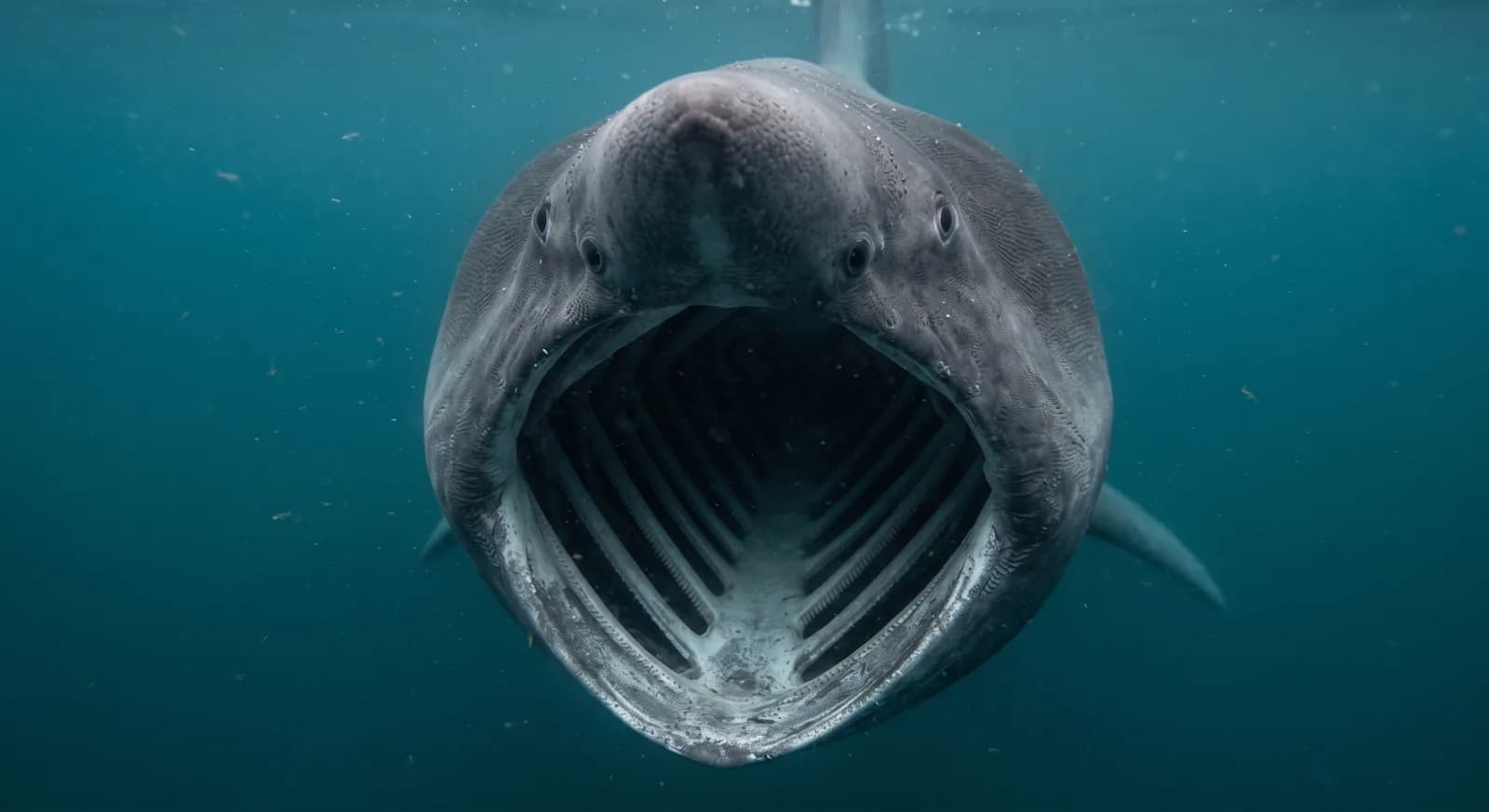
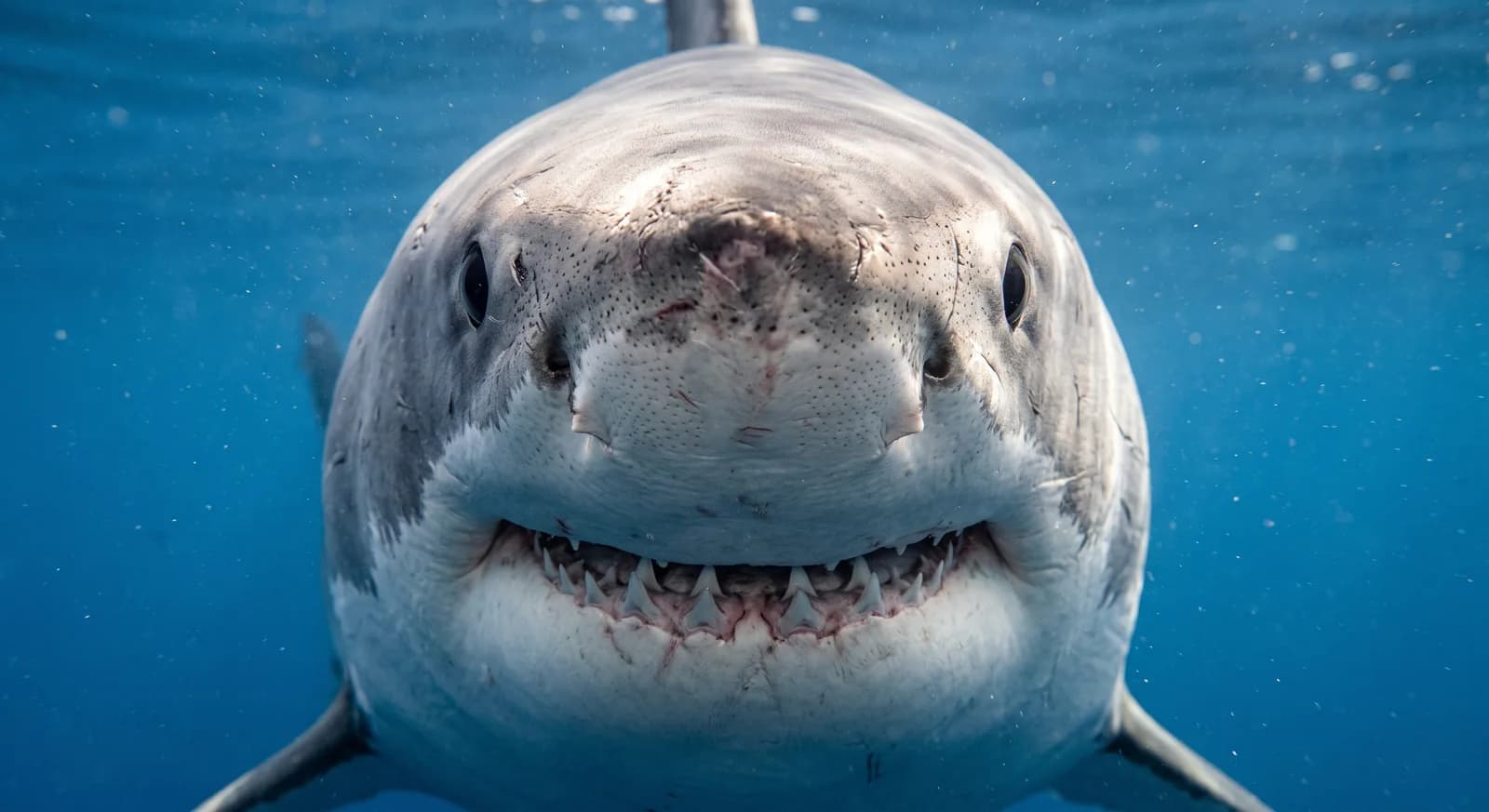
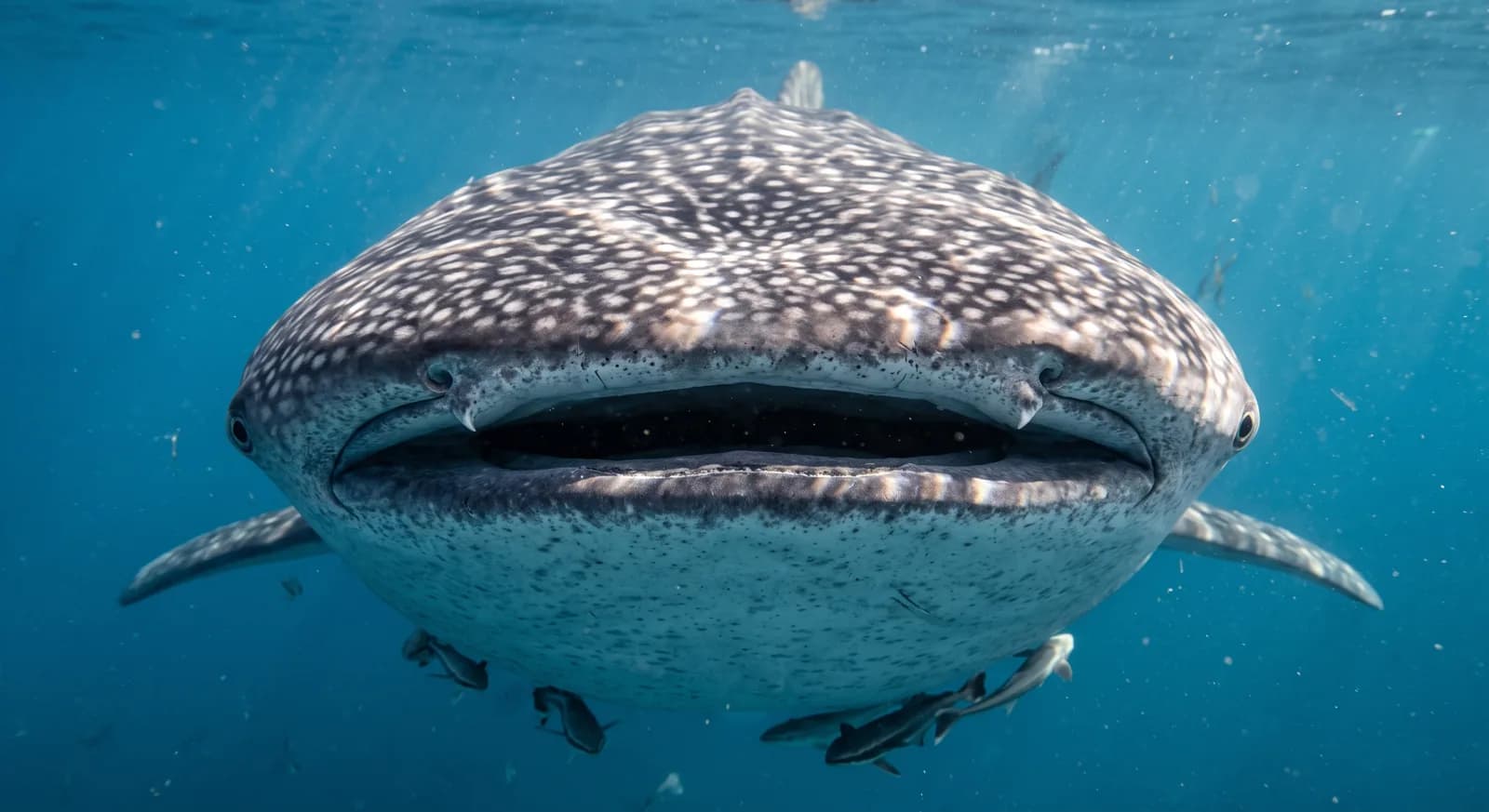
Whale Shark
Rhincodon typus
Oceania
Papua New Guinea keeps the third largest block of tropical rainforest in the world, after Amazonia and the Congo basin, and one of the greatest concentrations of species found nowhere else on the planet. Its central range exceeds four thousand metres and strings together lowland rainforest, cloud forest, alpine grassland and even small residual glaciers, while the lowlands of the Sepik and the Fly form immense wetlands. Sitting on the edge of the Coral Triangle, its reefs are among the richest in the world. The fauna is of Australian origin, with marsupials that climbed into the trees and became tree kangaroos, long-beaked echidnas and cassowaries, alongside the most spectacular bird family on the planet.
National animal: The Raggiana bird-of-paradise, the national bird, present on the country's flag
Queen Alexandra's birdwing is the largest butterfly in the world, with females exceeding twenty-five centimetres in wingspan. When it was discovered in 1906, the naturalist who found it could not net it because it flew too high in the canopy, so he brought it down with a shotgun. It still lives only in a few forests of Oro province.
The hooded pitohui was the first poisonous bird described for science, in 1990: it accumulates in its skin and feathers the same toxin as the American poison dart frogs, obtained from the beetles it eats. Industrial logging and mining are the greatest threats to its forests.
The highlands between June and September for birds-of-paradise at their leks. Kimbe Bay year-round for reefs. Varirata at dawn for forest birds.
Where else might I want to travel?
Same region: Oceania
Same region: Oceania
Same region: Oceania
Same region: Oceania
216 species found
Based on what we already know about Papua New Guinea.