Skip to content
WAnimals
  • Map
  • Species
  • Parks
  • Diving
Log inCreate account
WAnimals

The guide for travellers and animal lovers: discover, plan and share your wild adventures around the world.

Discover wildlife

  • Species
  • Ecosystems
  • Glossary
  • Tags

Explore places

  • Map
  • Countries
  • Parks
  • Diving

Plan experiences

  • Guides

Learn

  • Blog

Resources

  • About us
  • How we build our profiles
  • Help centre
  • Contact
  • Install the app

Follow us

Account

  • Log in
  • Create account

© 2026 WAnimals. All rights reserved.

Terms of servicePrivacyCookiesLegal notice
MapSpeciesParksDiving
  1. Home
  2. countries
  3. São Tomé and Príncipe

São Tomé and Príncipe

Africa

73

Documented species

1

Parks and reserves

São Tomé and Príncipe is a volcanic archipelago in the Gulf of Guinea that was never joined to the continent, which has made its two main islands one of the places in the world with the highest proportion of species found nowhere else per unit of area. Its mountains, covered in cloud forest and pierced by volcanic spires such as Pico Cão Grande, keep the native forest known as obô, dense, humid and with a flora full of endemics. The islands hold close to thirty bird species that exist nowhere else, as well as frogs, bats, snails and reptiles of their own. The southern beaches receive the nesting of five species of sea turtle, and the surrounding waters are a humpback whale breeding area between July and October.

Nature in São Tomé and Príncipe

National animal: No official national animal; the grey parrot is the archipelago's emblematic bird

Did you know?

The São Tomé grosbeak, the largest finch in the world, was known only from three specimens collected in 1888 and was given up for extinct for more than a century. In 1991 it was rediscovered in a remote valley in the southwest of the island, and it has been known since then to survive in a tiny area of primary forest with a population of barely a few dozen birds, which makes it one of the rarest birds on the planet.

Biodiversity profile

Conservation

The island of Príncipe has been a biosphere reserve since 2012 and has markedly reduced the hunting of endemic birds. Invasive species, especially rats, cats and introduced mona monkeys, are the main threat to the islands' wildlife.

Where and when to watch wildlife

The obô forest between June and September for endemic birds. The southern beaches between November and February for turtle nesting. The waters of the archipelago between July and October for humpback whales.

Parks and reserves

Nature Park

Obô de São Tomé

The rainforest of an oceanic island with one of the highest densities of endemic birds on the planet.

See park

Similar countries

Where else might I want to travel?

Republic of the Congo

Same region: Central Africa

Cameroon

Same region: Central Africa

Gabon

Same region: Central Africa

Equatorial Guinea

Same region: Central Africa

Species documented in São Tomé and Príncipe

Filter
Class
Family
Habitat
Diet
Conservation

73 species found

Related guides

  • Threatened species of São Tomé and Príncipe17 species
  • Threatened fish of São Tomé and Príncipe8 species

Keep exploring

Based on what we already know about São Tomé and Príncipe.
ParkObô de São Tomé

Explore on the map

Interactive map

This page in other languages: Español · Deutsch · Français · Português · Italiano
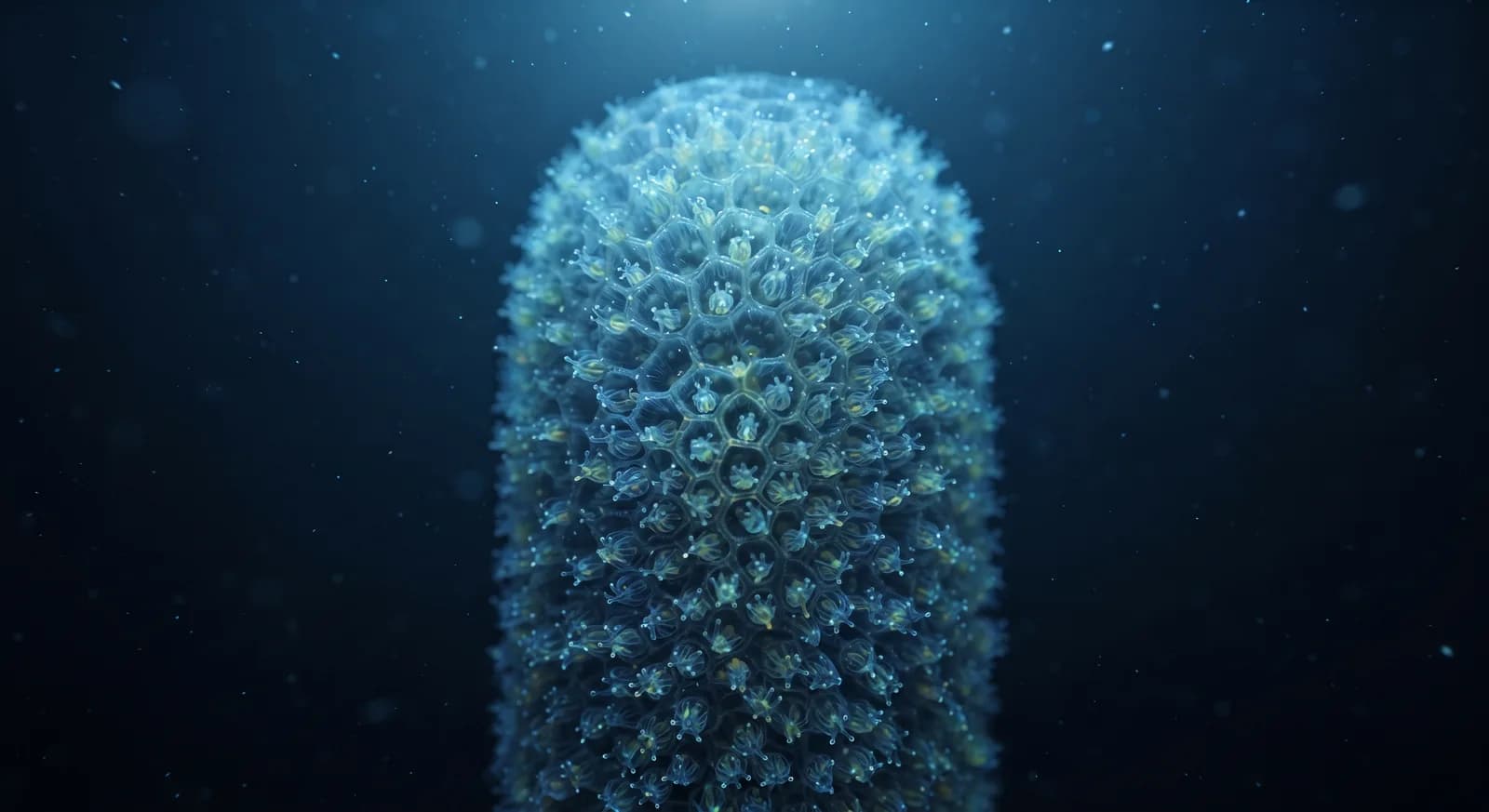
Atlantic PyrosomeNot Evaluated

Atlantic Pyrosome

Pyrosoma atlanticum

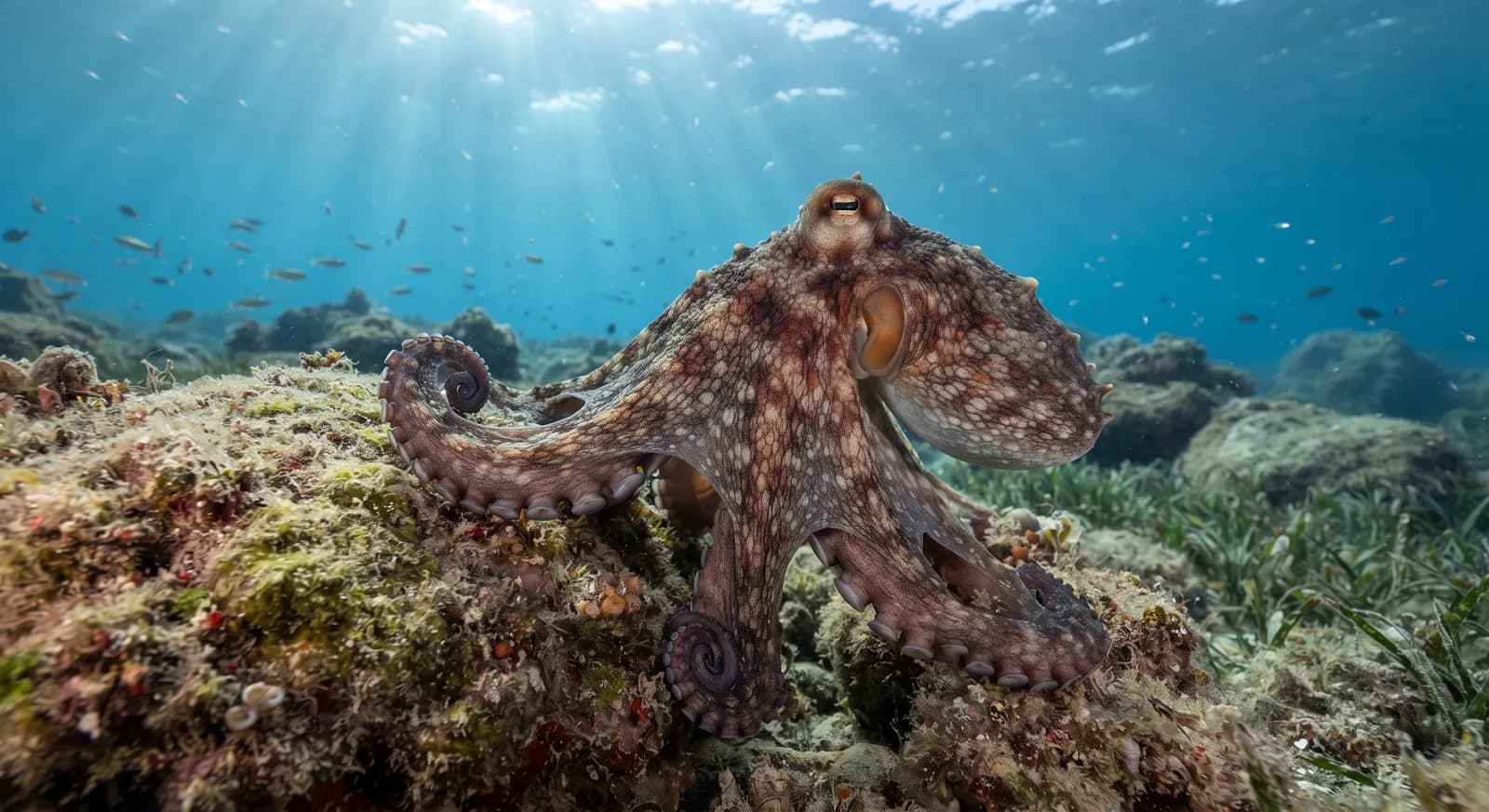
Common OctopusNot Evaluated

Common Octopus

Octopus vulgaris

Near Threatened

False Killer Whale

Pseudorca crassidens

Least Concern

Dwarf Sperm Whale

Kogia sima

Least Concern

Cattle Egret

Bubulcus ibis

Least Concern

Fangtooth

Anoplogaster cornuta

Least Concern

Live Sharksucker

Echeneis naucrates

Least Concern

Sloane's Viperfish

Chauliodus sloani

Least Concern

Telescope Octopus

Amphitretus pelagicus

Least Concern

Humpback Anglerfish

Melanocetus johnsonii

Least Concern

Ruddy Turnstone

Arenaria interpres

Not Evaluated

Pram Bug

Phronima sedentaria

Page 6 of 7
Rainforest
Mountain
Ocean