 Not Evaluated
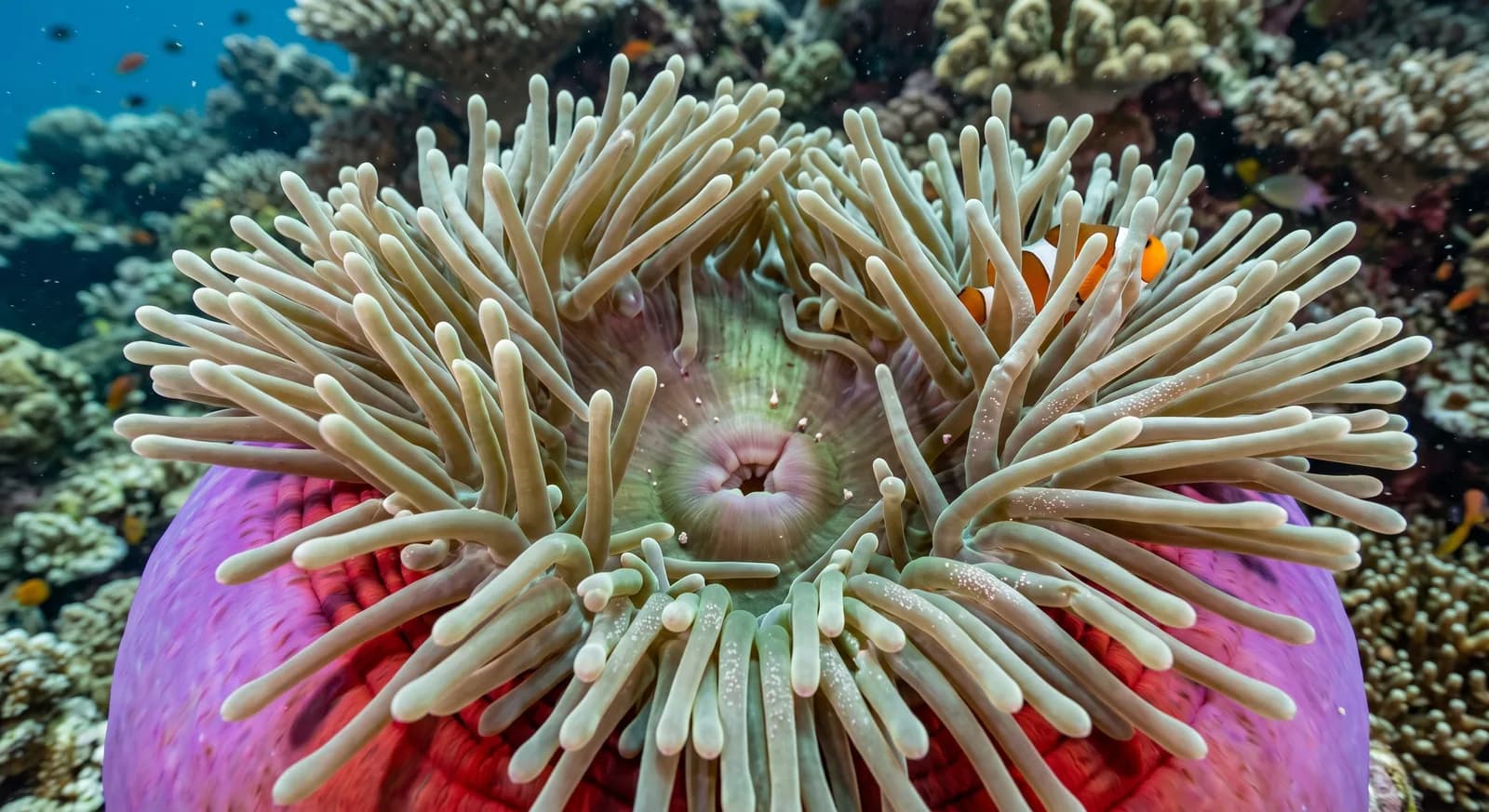
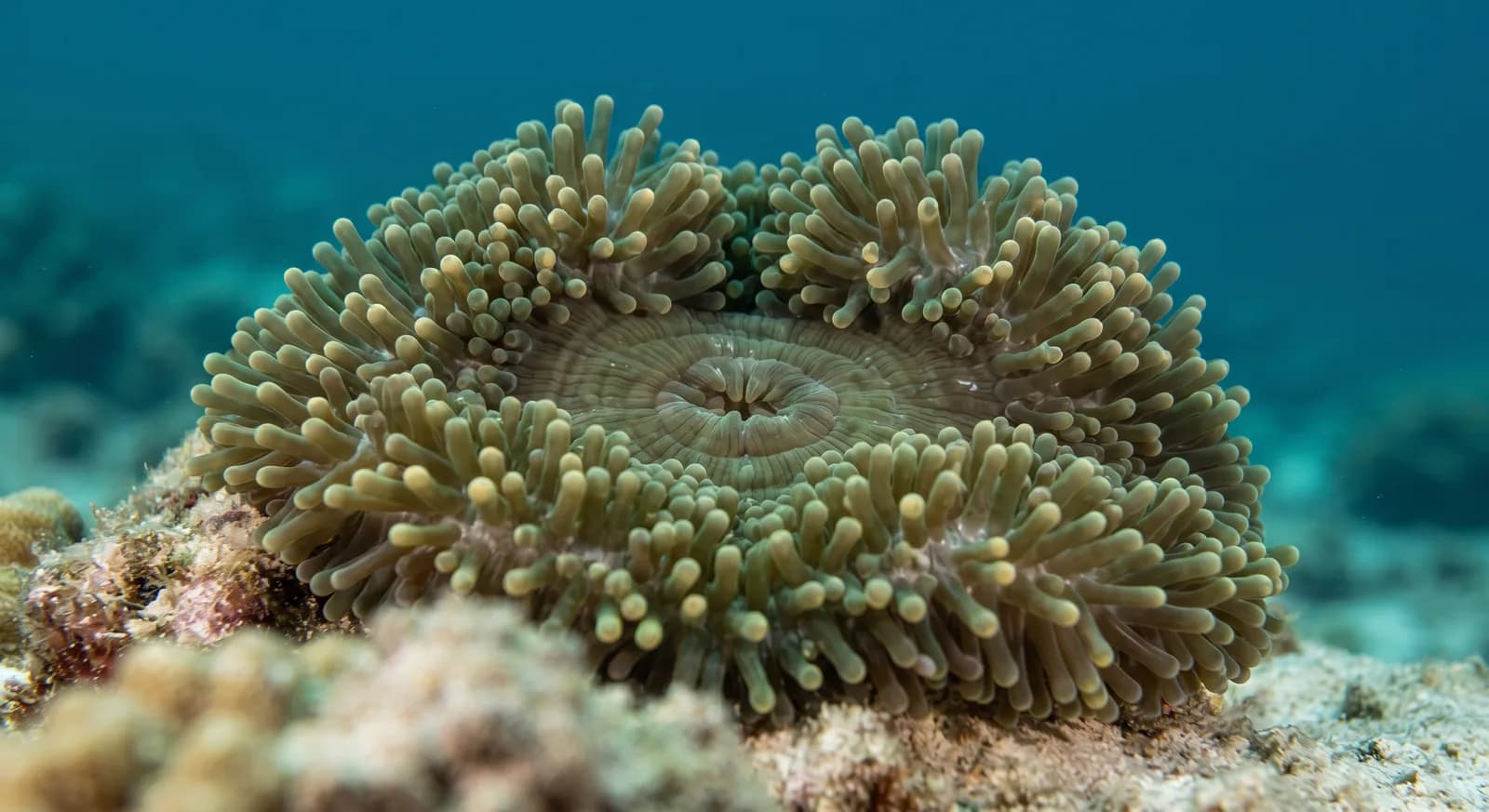
Giant Carpet Anemone
Stichodactyla gigantea
Oceania
The Solomon Islands form a double chain of volcanic islands and atolls in the middle of the Coral Triangle, covered by dense tropical rainforest and ringed by reefs that are among the most diverse on the planet. Marovo lagoon, closed off by a barrier of elongated islands, is the largest saltwater lagoon in the world. The isolation of each island has generated an extremely high level of endemism, above all in birds, bats and reptiles, with species that exist on a single island of the archipelago. The lowland forests are being felled at speed for timber export, which makes community land conservation, in a country where the land belongs almost entirely to the clans, the decisive tool.
National animal: No official national animal; the frigatebird appears on the state coat of arms
The Solomon Islands prehensile-tailed skink is the largest lizard in its family and breaks almost every rule of its group: it is entirely herbivorous, climbs trees gripping with its tail like a monkey, lays no eggs but gives birth to live and very well-developed young, and lives in stable family groups that defend their territory together, a social behaviour extremely rare among reptiles.
East Rennell, with the largest island lake in the Pacific, is a World Heritage Site and is on the list of sites in danger because of logging and mining. The Vangunu giant rat, described in 2017 from a single specimen, was not photographed alive until 2023.
Marovo year-round for reefs and coastal birds. Arnavon between June and October for hawksbill turtle nesting. Tetepare at nightfall for forest wildlife and megapodes.
Where else might I want to travel?
Same region: Oceania
Same region: Oceania
Same region: Oceania
Same region: Oceania
144 species found
Based on what we already know about Solomon Islands.