 Vulnerable
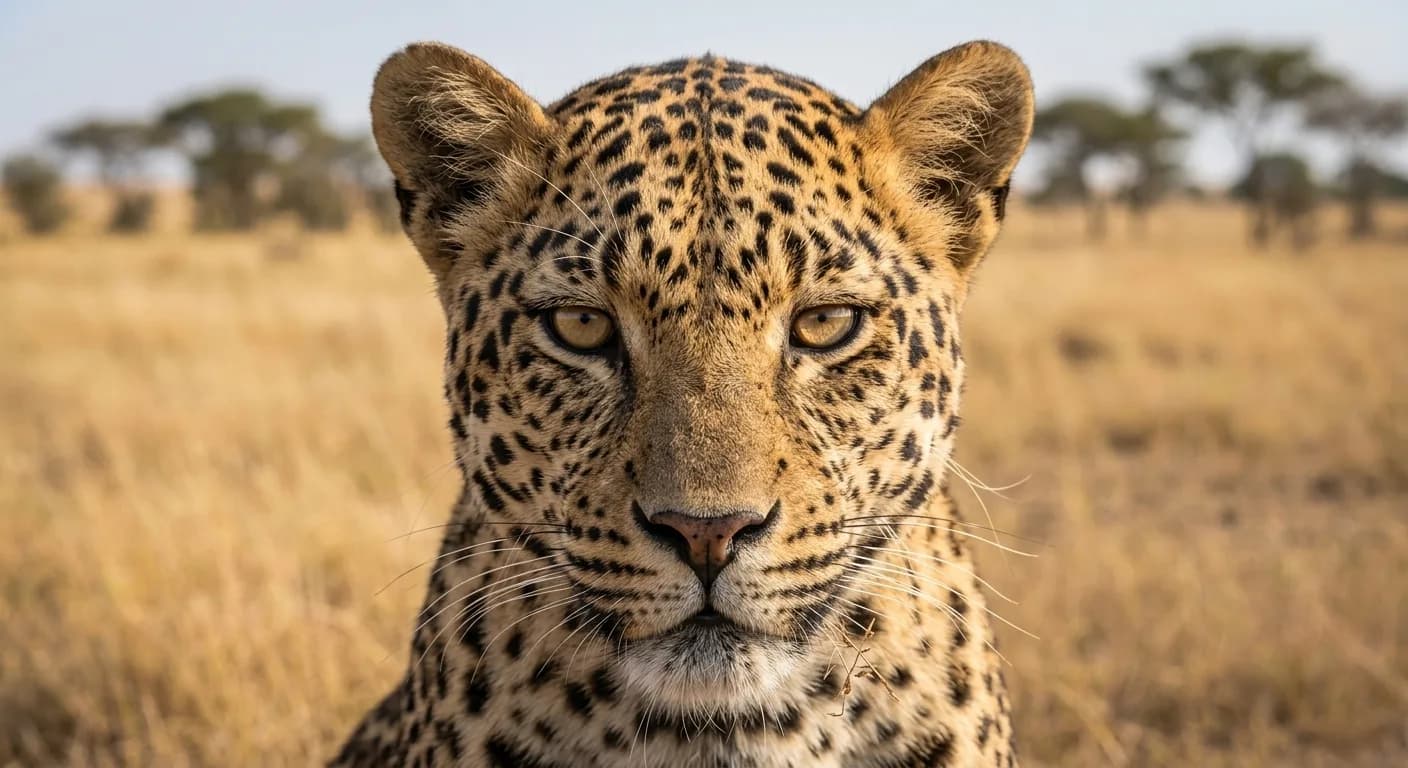
African Leopard
Panthera pardus pardus
Africa
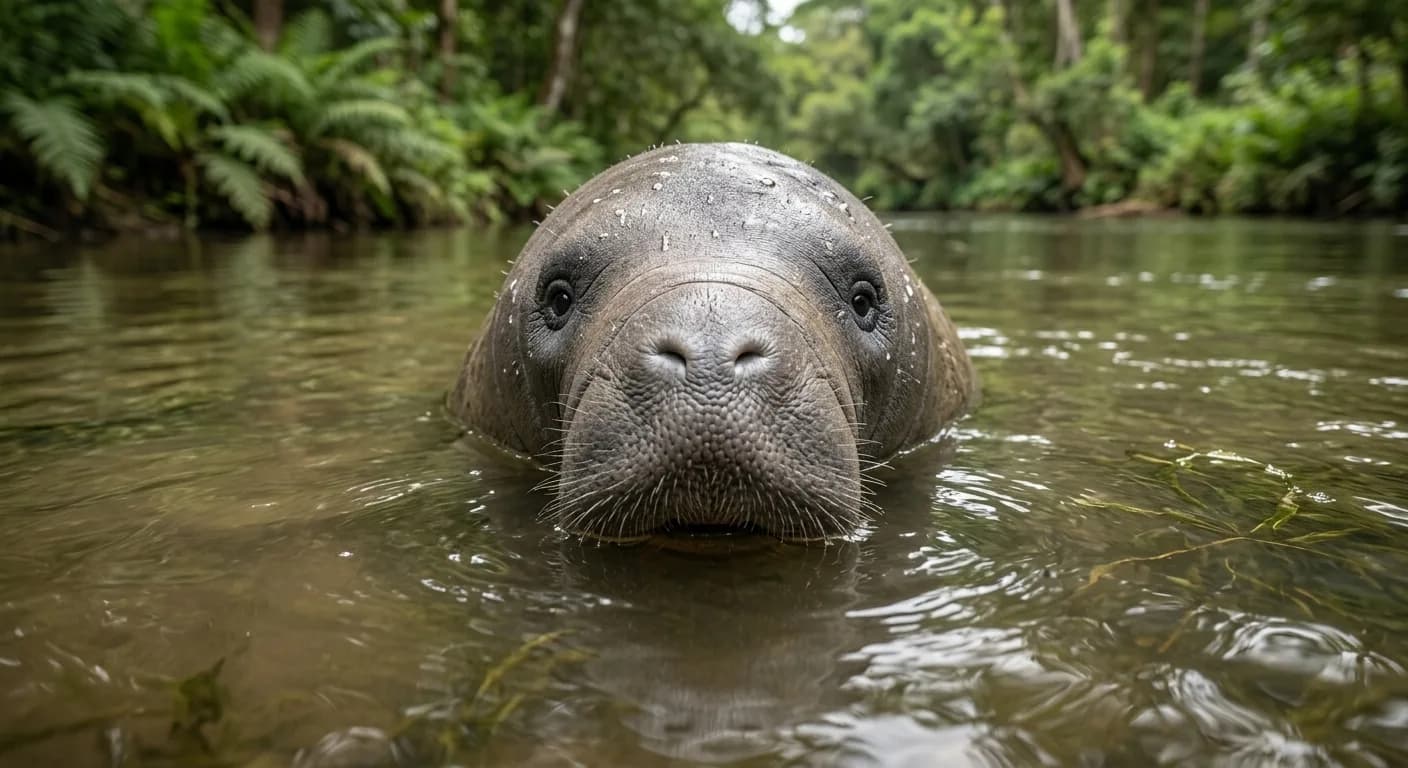
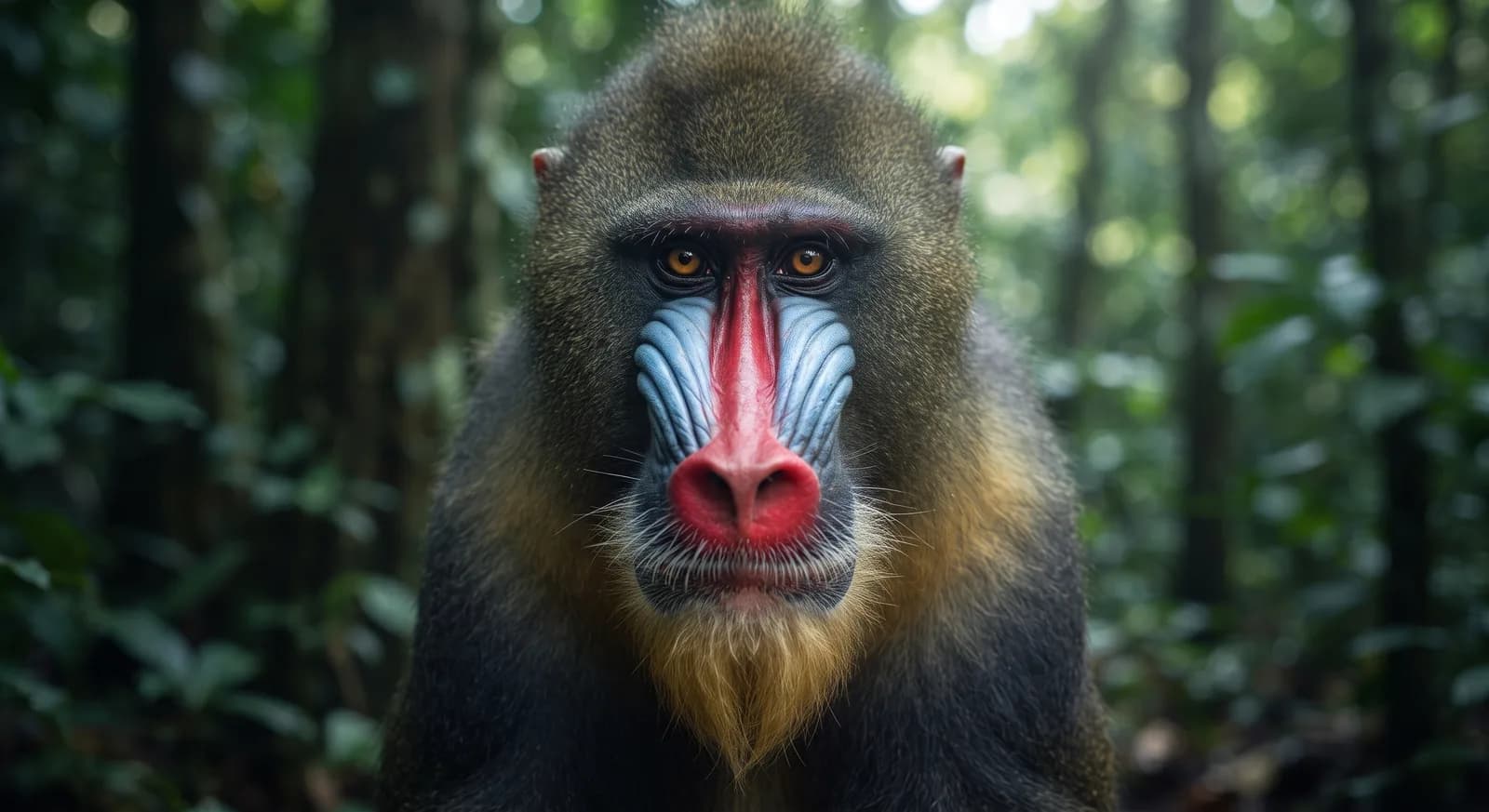
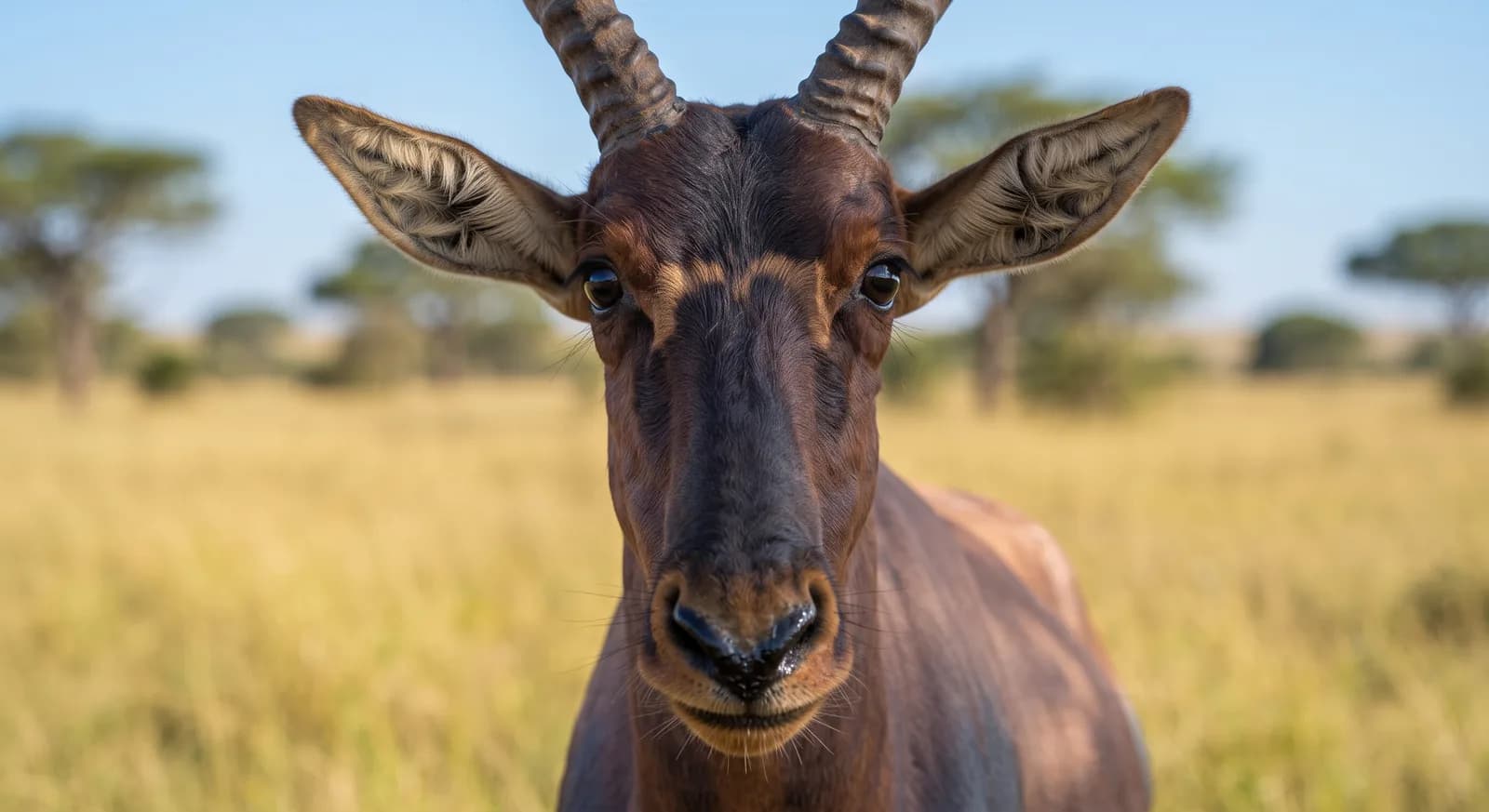
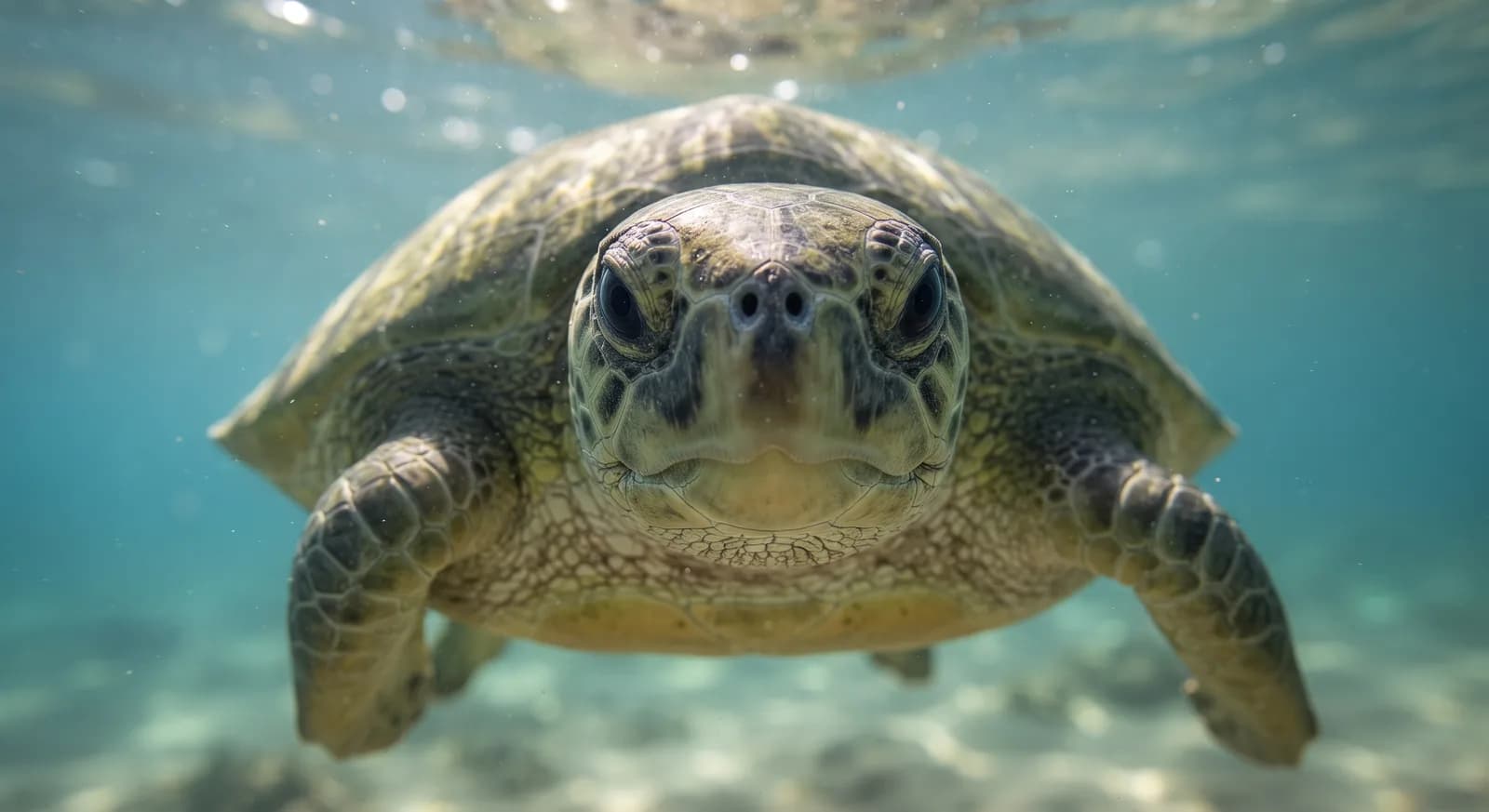
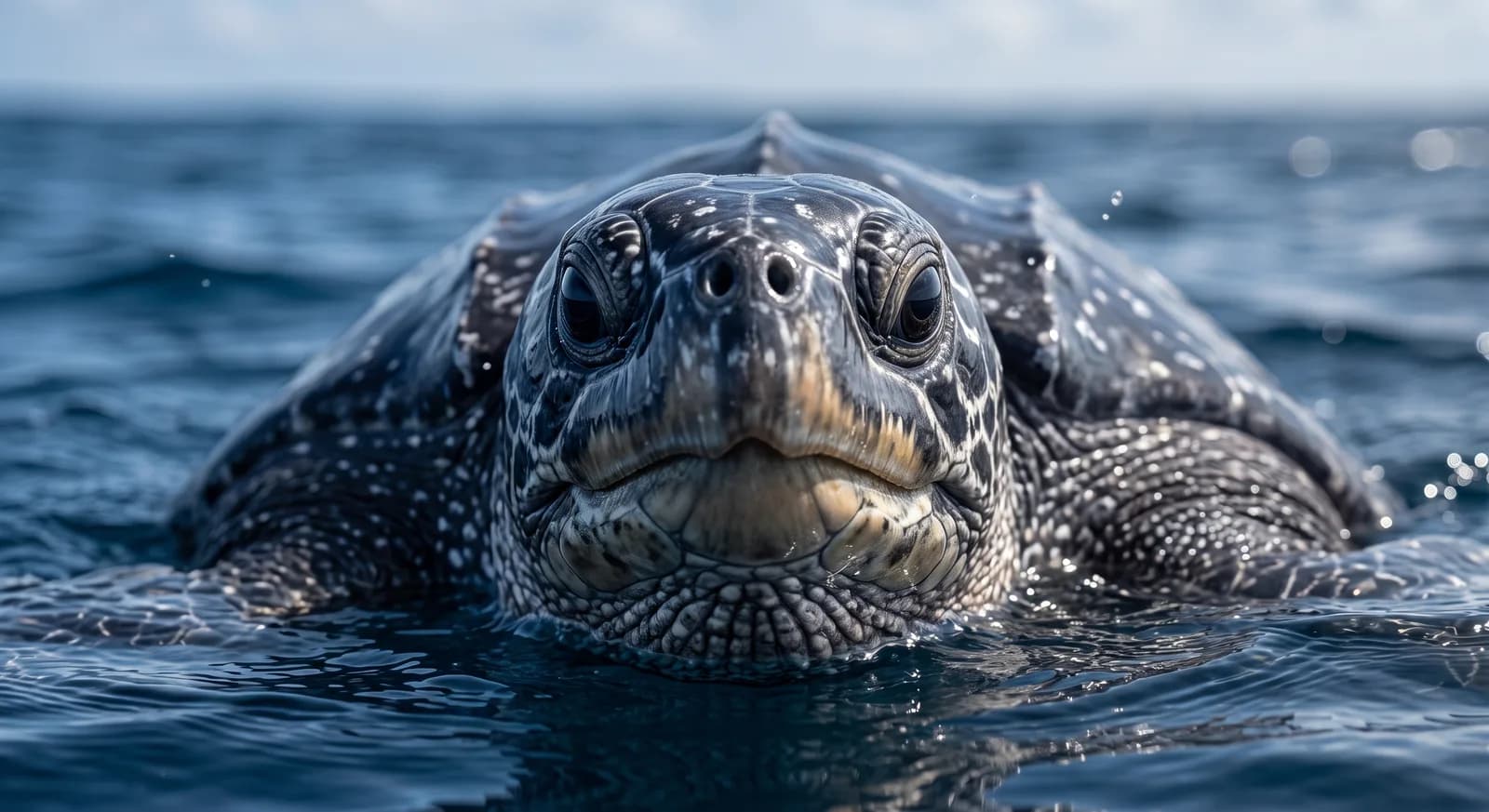
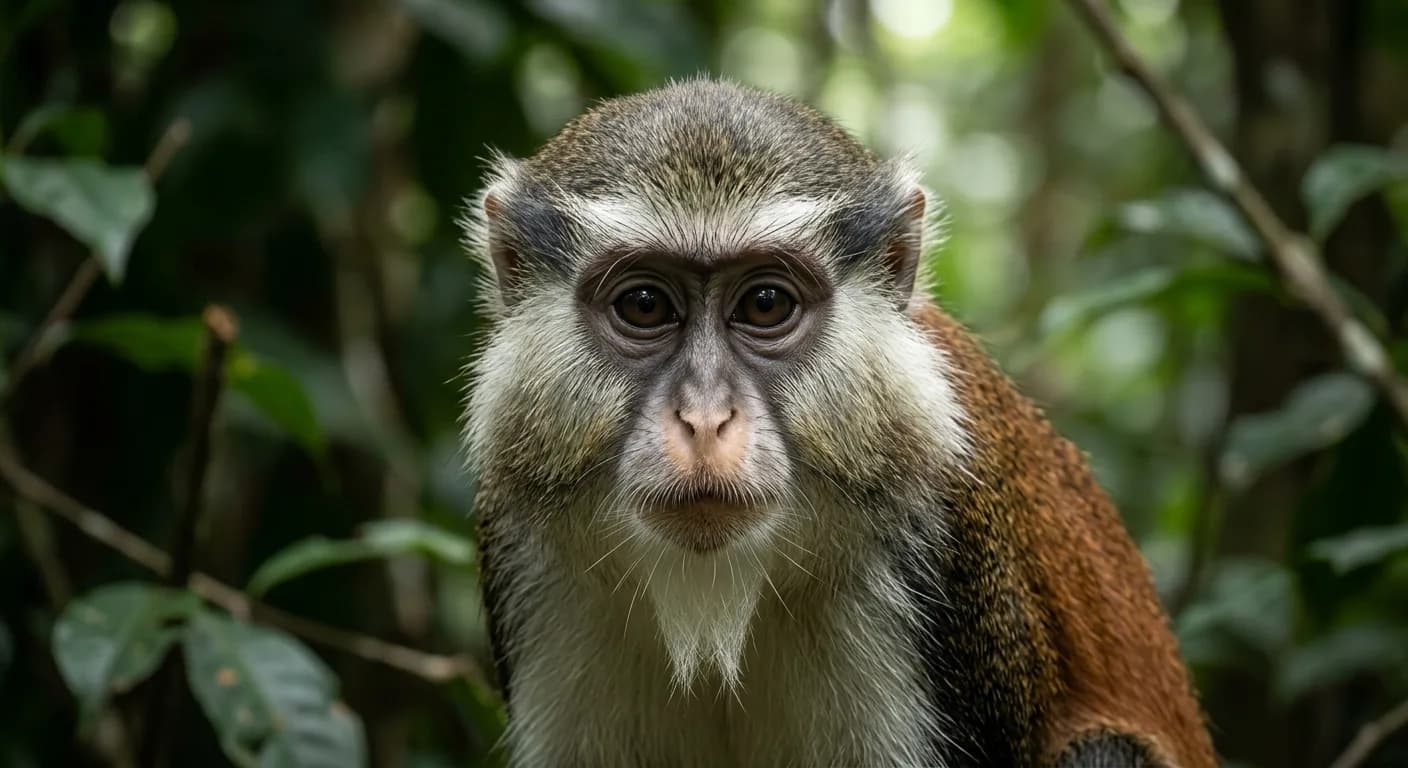
Togo is a narrow strip running from an Atlantic coast of barely fifty kilometres to the Sudanian savannah of the far north, crossed diagonally by the Togo mountains, a line of wooded hills that culminates in Mount Agou. That range holds back the moisture and supports semi-humid forests with primates, pangolins, tree hyraxes and a notable forest birdlife, protected in Fazao-Malfakassa park. To the north, Kéran park and the Oti-Kéran reserve keep wooded savannahs where elephants, hippopotamuses and antelopes are still recorded. In the south, Lake Togo and the Aného lagoon form coastal wetlands with remnant mangroves, crocodiles and waterbirds, and several sea turtle species nest on the beaches of the Gulf of Guinea.
National animal: No official national animal; lions appear as the supporters of the state coat of arms
Togo keeps hundreds of sacred groves, small patches of woodland protected by religious rules tied to Vodun and to local cults, where felling trees or hunting is forbidden. In a heavily deforested country, those green islands work as genuine refuges of biodiversity: in them survive colonies of fruit bats, monkeys, pangolins and forest birds that have vanished from the surrounding farmland.
Farming pressure and firewood cutting have drastically reduced the forest cover. The sacred groves and the community reserves are the main conservation tool outside the national parks.
Fazao-Malfakassa in the dry season for primates and forest birds. Lake Togo and Togodo in winter for waterbirds. The coastal beaches between November and March for turtles.
Where else might I want to travel?
Same region: West Africa
Same region: West Africa
Same region: West Africa
Same region: West Africa
202 species found
Based on what we already know about Togo.