 Endangered
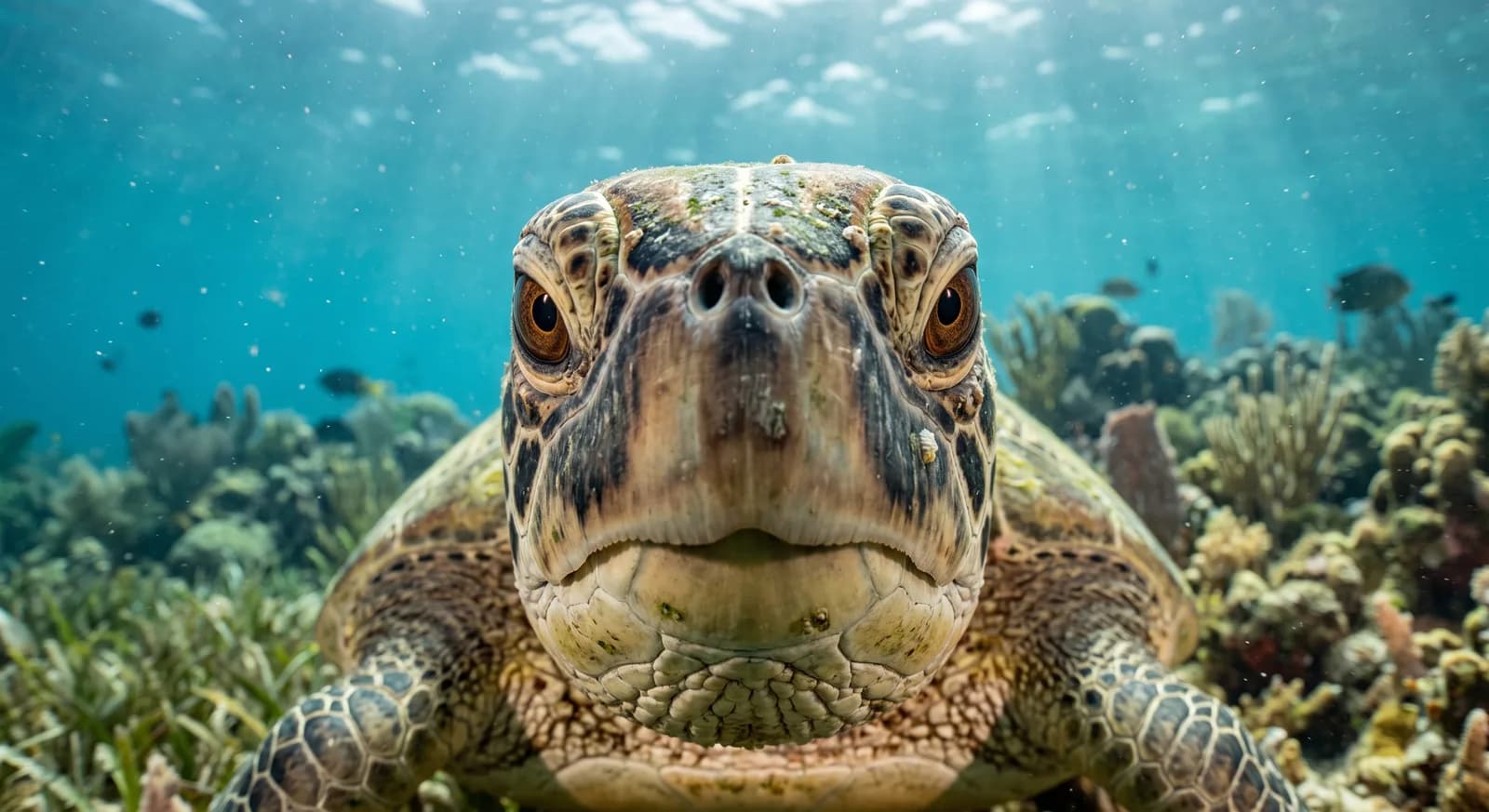
Green Turtle
Chelonia mydas
Asia
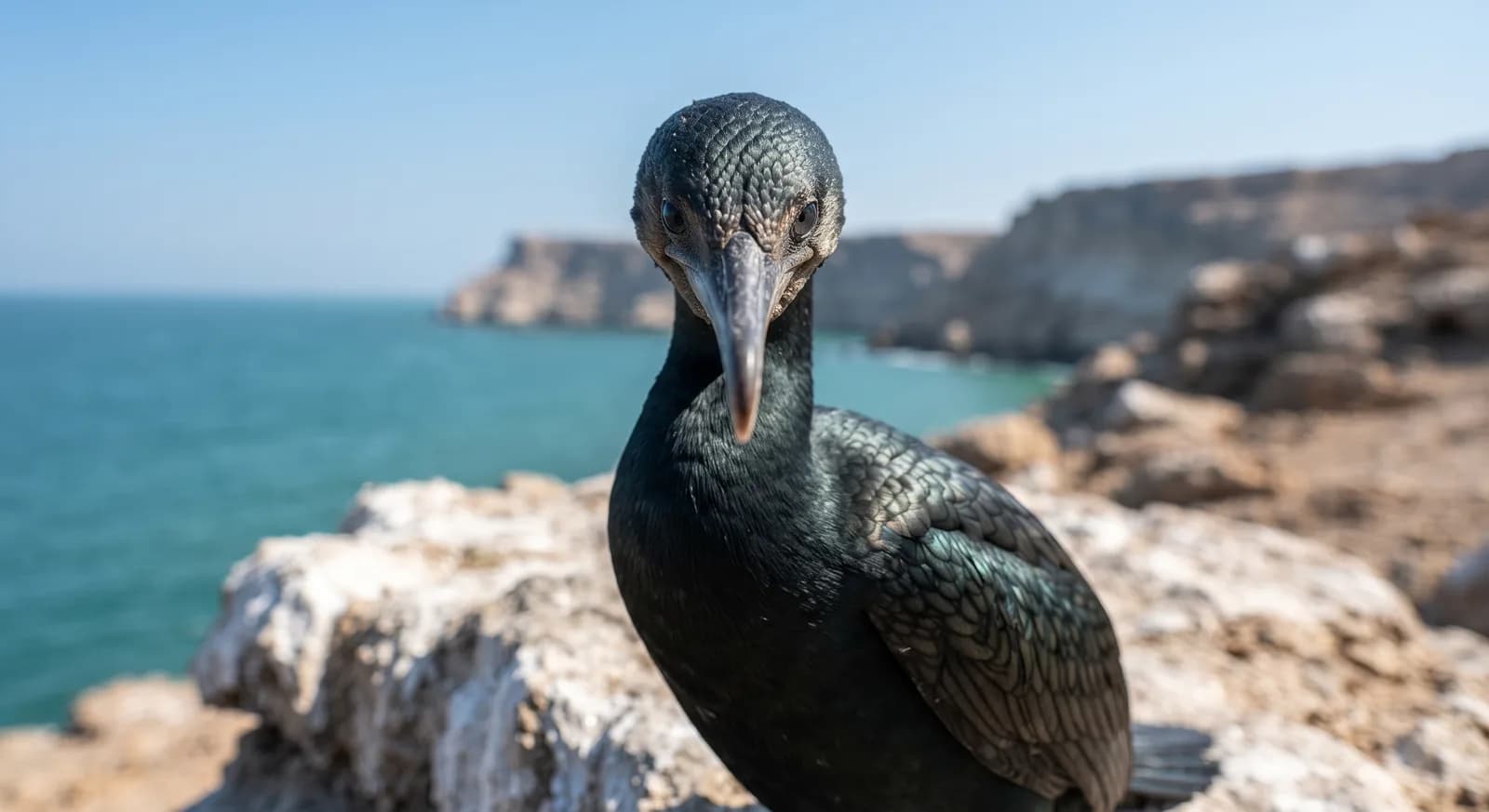
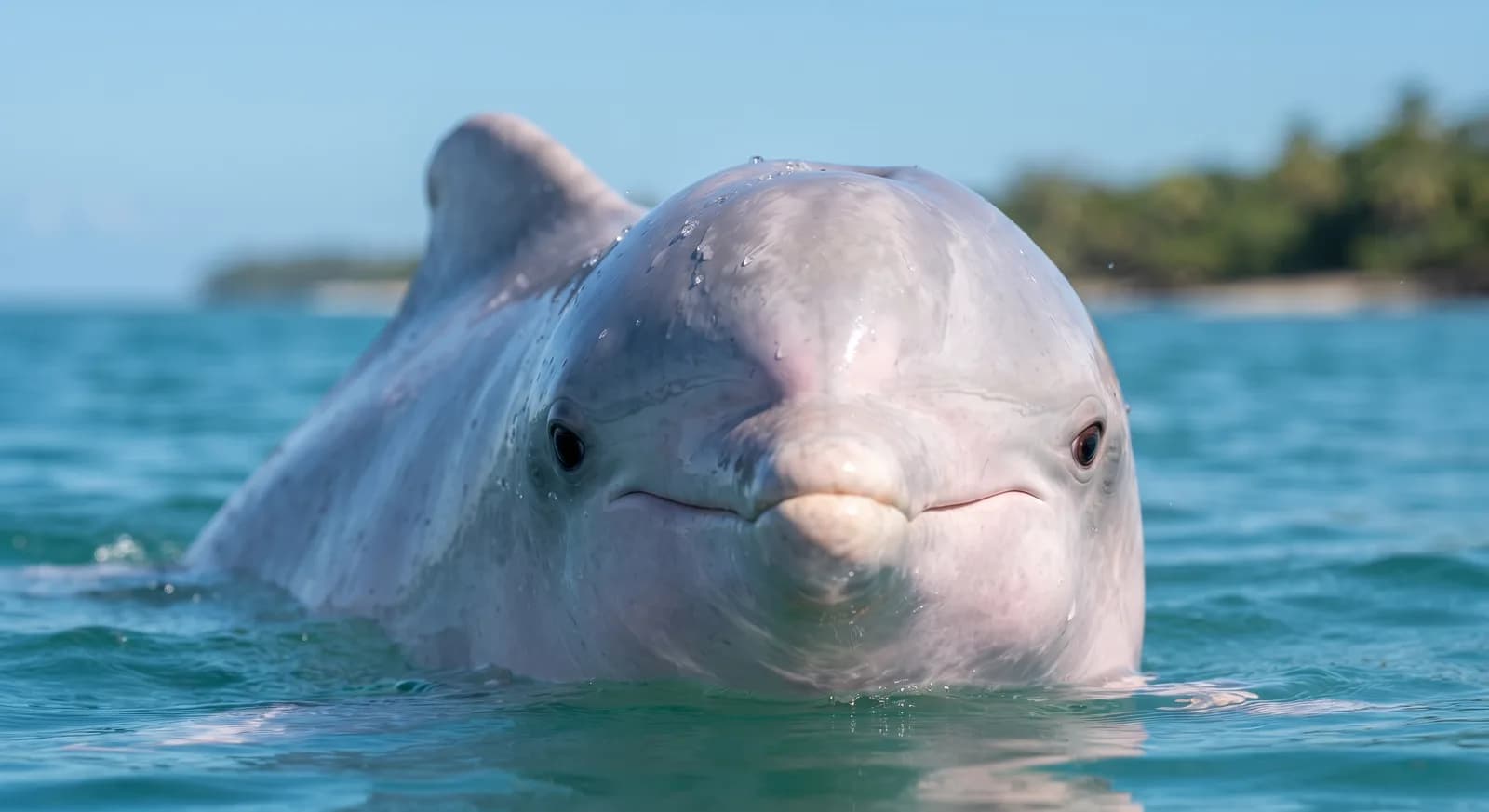
The Emirates combine the sandy desert of the interior, with red dunes that reach great height at Liwa, the Hajar mountains in the east, shared with Oman, and a Persian Gulf coast of shallow, warm, hypersaline water. That apparently inhospitable shoreline hides extensive seagrass meadows and grey mangrove stands that work as fish nurseries and bird refuges. The gulf islands hold colonies of terns and Socotra cormorants, and hawksbill turtle nesting beaches. Inland, the oases of Al Ain, watered by the traditional falaj system, keep palm groves thousands of years old, and the wadis of the Hajar hold pools where fish and amphibians adapted to extreme aridity survive. In the middle of Dubai, the Ras Al Khor wetland supports flamingos in full view of the skyscrapers.
National animal: The Arabian oryx is the national animal; the falcon is the country's cultural emblem, tied to falconry
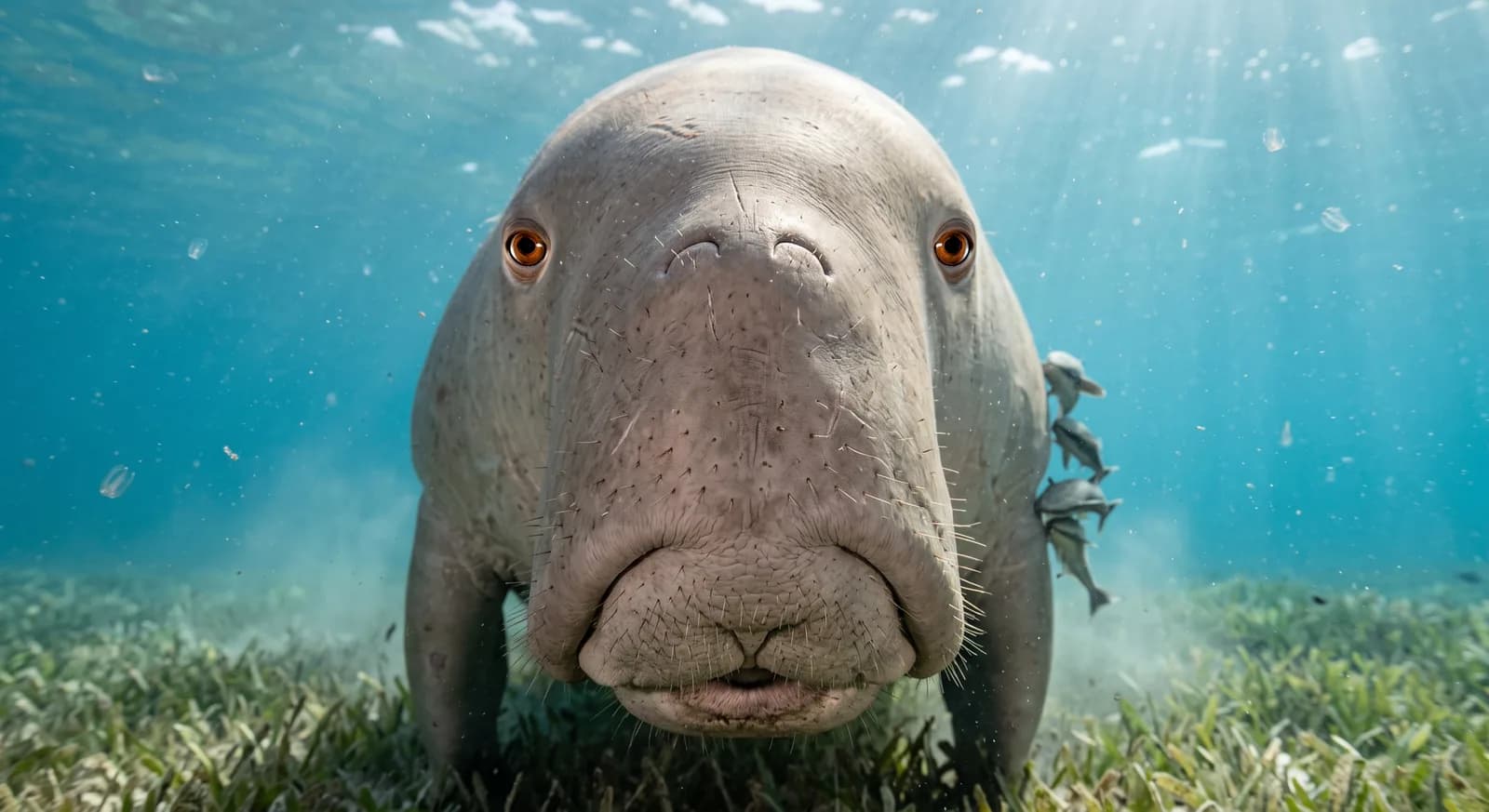
The waters of Abu Dhabi hold the second largest dugong population in the world, behind only Australia, with several thousand animals grazing the seagrass meadows of the gulf. This mammal, a relative of the manatee and the probable origin of the mermaid legends, can live for seventy years and depends entirely on underwater meadows that are highly sensitive to dredging and to coastal land reclamation.
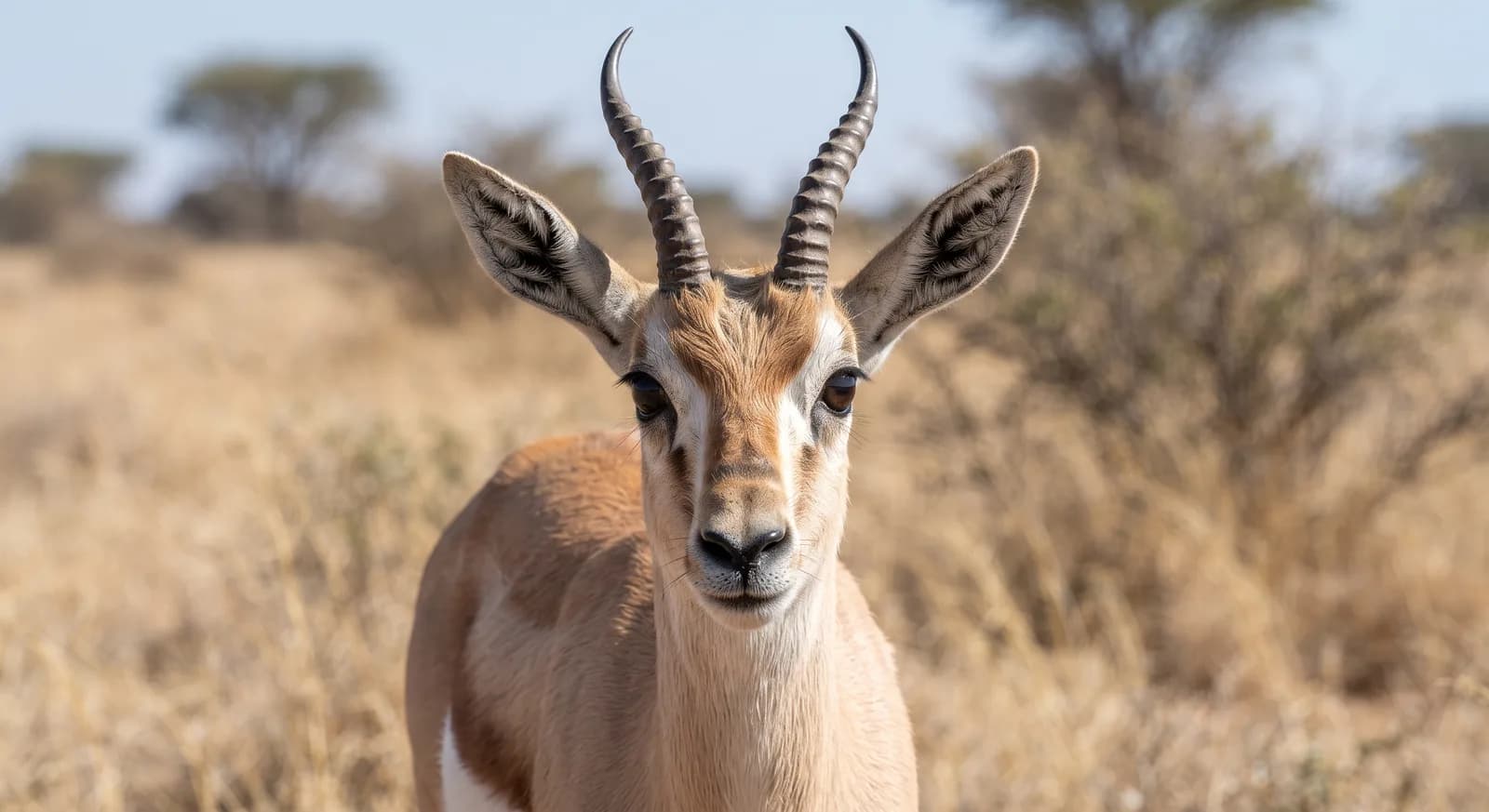
Sir Bani Yas was turned into a breeding reserve for Arabian oryx and gazelles from the 1970s and has supplied animals for reintroductions across the region. Land reclamation and dredging for coastal construction are the greatest threat to seagrass meadows and mangroves.
Ras Al Khor between November and March for flamingos. Marawah and the Abu Dhabi islands for dugongs and turtles. Wadi Wurayah in winter for mountain wildlife and pools.
164 species found
Based on what we already know about United Arab Emirates.