One of the 7 starfish on WAnimals
Starfish · Paxillosida · Astropectinidae
Red Comb Star
Astropecten aranciacus
It has not yet been assessed against the IUCN criteria. See full glossary
A large orange-red sand star with five stiff arms edged by two rows of plates and spines that give it a comb-like profile. It spends the day buried in the sand and roams the bottom by night hunting molluscs.
Size
20 cm – 60 cm
Diet
Carnivore
Feeds mainly on other animals.
Activity
Nocturnal
Active mainly at night.
Social structure
Solitary
Lives and hunts alone, joining others only to breed.
Sighting difficulty
Unknown
Fun facts
- Unlike the sea stars that evert their stomach over their prey, this one swallows its victims whole and afterwards expels the empty shells through its mouth.
- Its tube feet end in a point rather than a sucker: they are adapted for digging in sand, not for gripping rock.
- It is one of the largest sea stars in the Mediterranean and can exceed half a metre across.
- It is one of the largest starfish in the Mediterranean, at up to 60 cm from tip to tip.
- Its tube feet have no suckers, unlike those of the common starfish: they end in a point, and serve for digging and moving over the sand, not for gripping rock.
- That shapes the way it feeds: since it cannot pull open the valves of a bivalve, it swallows the prey whole, digests it inside its stomach and then expels the empty shell.
- Its large, spiny marginal plates give it a very pronounced edge that identifies it at a glance.
- It travels along buried just beneath the surface of the sand, leaving a visible trail.
- It is an important predator of the soft-bottom bivalves of the Mediterranean.
Life cycle & biology
- Skeleton type
- Invertebrate - endoskeleton of calcareous plates (echinoderm)
- Habitat & environment
- Sandy bottoms of the Mediterranean and the nearby Atlantic, from 1 to 180 m
Sources consulted: Marine Life Information Network; Ribi et al., trabajos sobre alimentación en Astropecten; Fauna Ibérica
Where to find it
See its range on the interactive mapWhere to watch it
Parques y spots de buceo donde se ha documentado esta especie — se muestran 10 de 70 documentados.
Related species
Other species in the catalogue with the most in common with Red Comb Star — same habitat, park, country, tags or family.
Bluntnose Sixgill Shark
Hexanchus griseus
 Critically Endangered
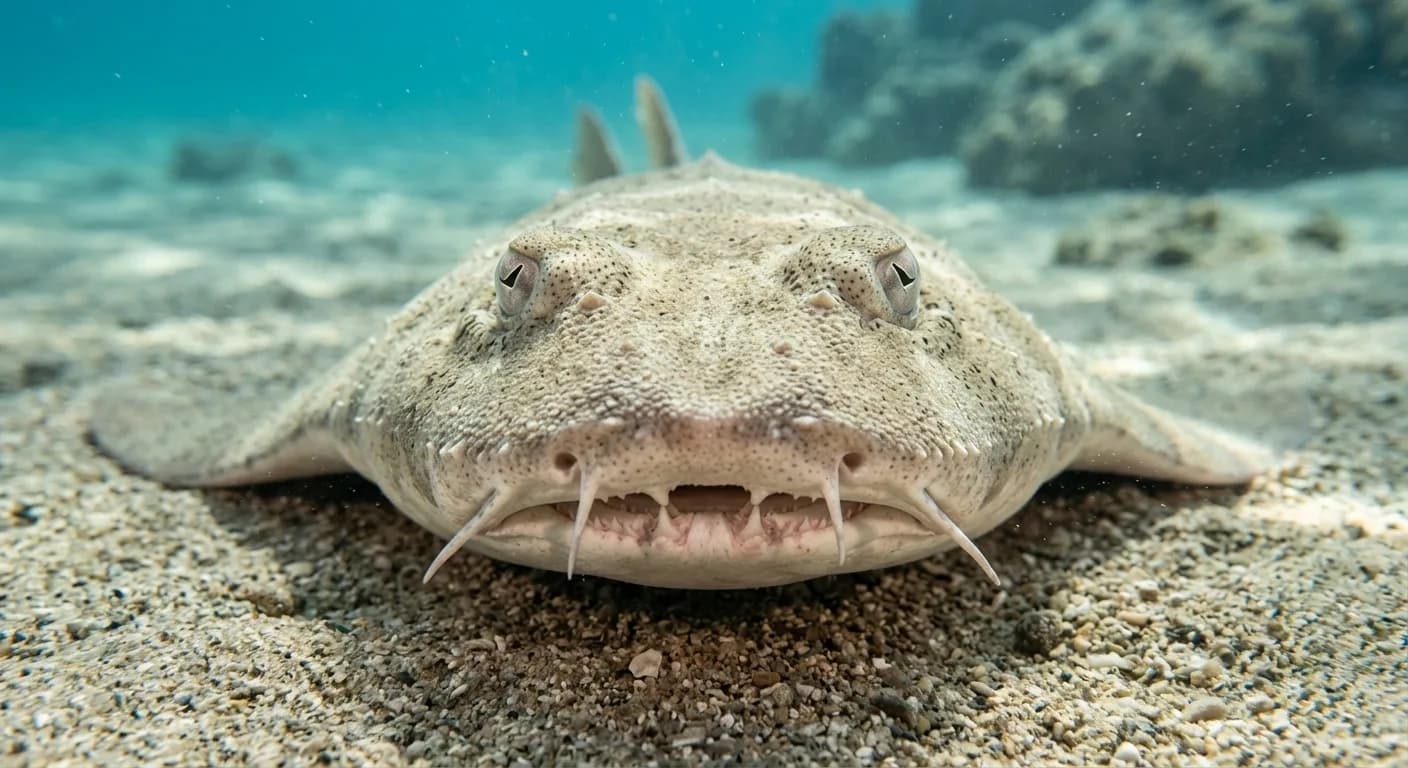
Angelshark
Squatina squatina
Thornback Ray
Raja clavata
Common Stingray
Dasyatis pastinaca
Ocellate Torpedo
Torpedo torpedo
 Least Concern
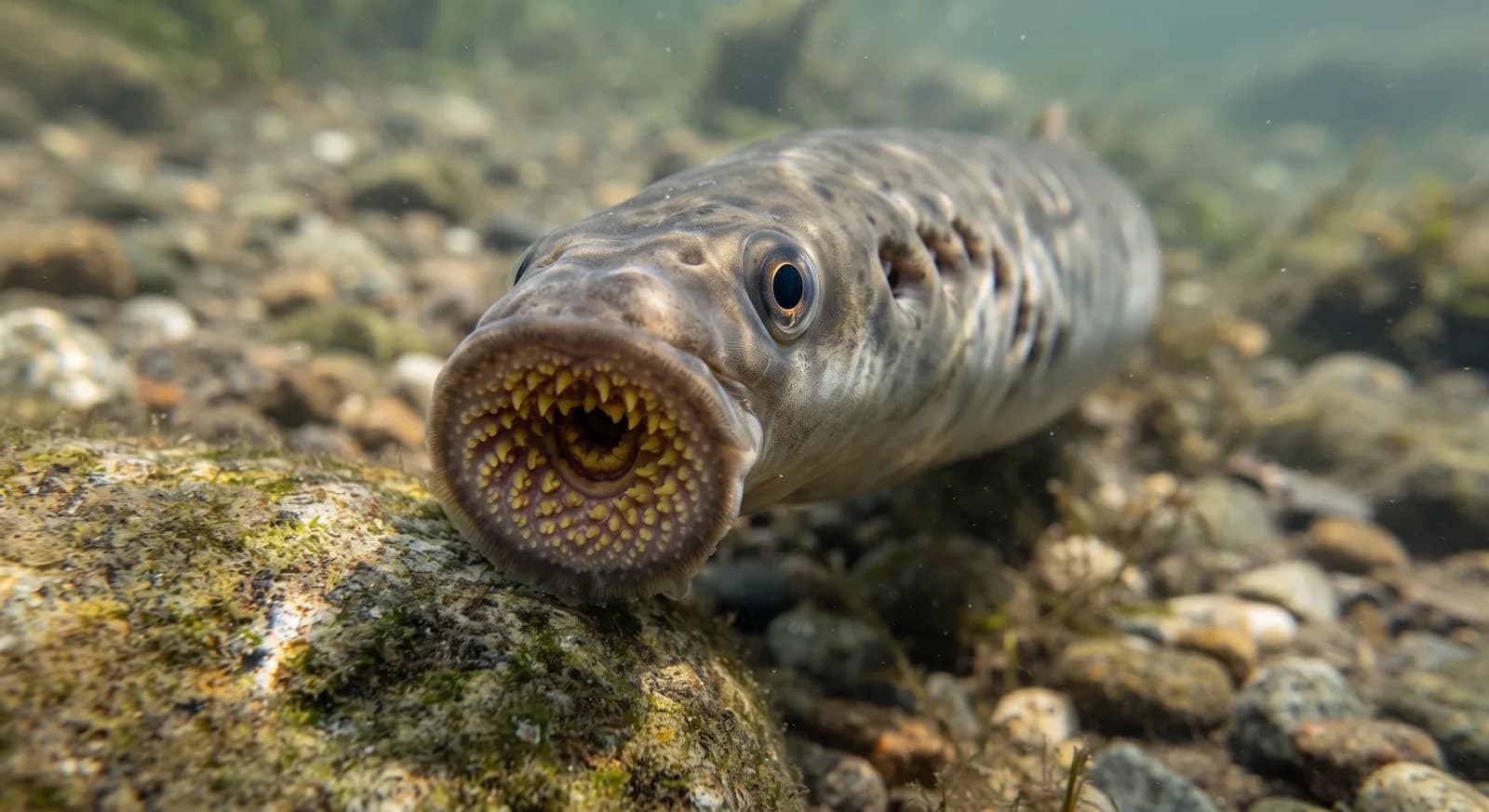
Sea Lamprey
Petromyzon marinus
Keep exploring
Based on what we already know about red comb star.
Comments
Share an experience, a fun fact or a tip for seeing the red comb star.
Be the first to comment.