Mammals · Artiodactyla · Bovidae
Southern Lechwe
Kobus leche
It could become endangered in the near future if current threats go unchecked. See full glossary
The lechwe is an antelope entirely adapted to living with its legs in water. Its hooves are long, pointed and widely splayed, and its legs are coated in a water-repellent substance that lets it run at speed through shallow water, something no land predator can follow. It lives on the floodplains of the Okavango, the Kafue and the Bangweulu, in herds that move with the pulse of the floods. Dams and the draining of wetlands are its chief threat.
Weight
60 kg – 130 kg
Size
1.3 m – 1.8 m
Lifespan
15 years
Diet
Herbivore
Feeds mainly on plants.
Activity
Diurnal
Active mainly during the day.
Social structure
Herd
Lives in large groups as a strategy against predators.
Sighting difficulty
Moderate
Fun facts
- GeneralIts long hooves and water-repellent legs let it run through water.
- It flees towards the water rather than onto dry land: its long, water-repellent legs let it run through marshes where lions and African wild dogs bog down and fall behind.
- Its populations depend on the annual flood pulse: when a dam disrupts that cycle, as happened on the Zambian Kafue, the herd collapses within a few years even though the wetland is still there.
Life cycle & biology
- Skeleton type
- Vertebrate - internal bony skeleton (mammal)
- Habitat & environment
- Seasonal floodplains and wetlands of southern Africa, such as the Okavango Delta
- Size at birth
- Precocial: on its feet within half an hour, although it stays hidden for the first few weeks
- Sexual maturity
- 2.5 years
- Gestation / incubation
- 7.5 months
- Litter / clutch size
- 1
Sources consulted: https://es.wikipedia.org/wiki/Kobus_leche
Where to find it
See its range on the interactive mapBest time: From May to August on the floodplains of Botswana and Zambia — the Okavango, the Kafue, Bangweulu — when the flood concentrates the herds.
Where to watch it
Parks and dive sites where this species has been documented.
Related species
Other species in the catalogue with the most in common with Southern Lechwe — same habitat, park, country, tags or family.
Puku
Kobus vardonii
Waterbuck
Kobus ellipsiprymnus
Steenbok
Raphicerus campestris
 Least Concern
Oribi
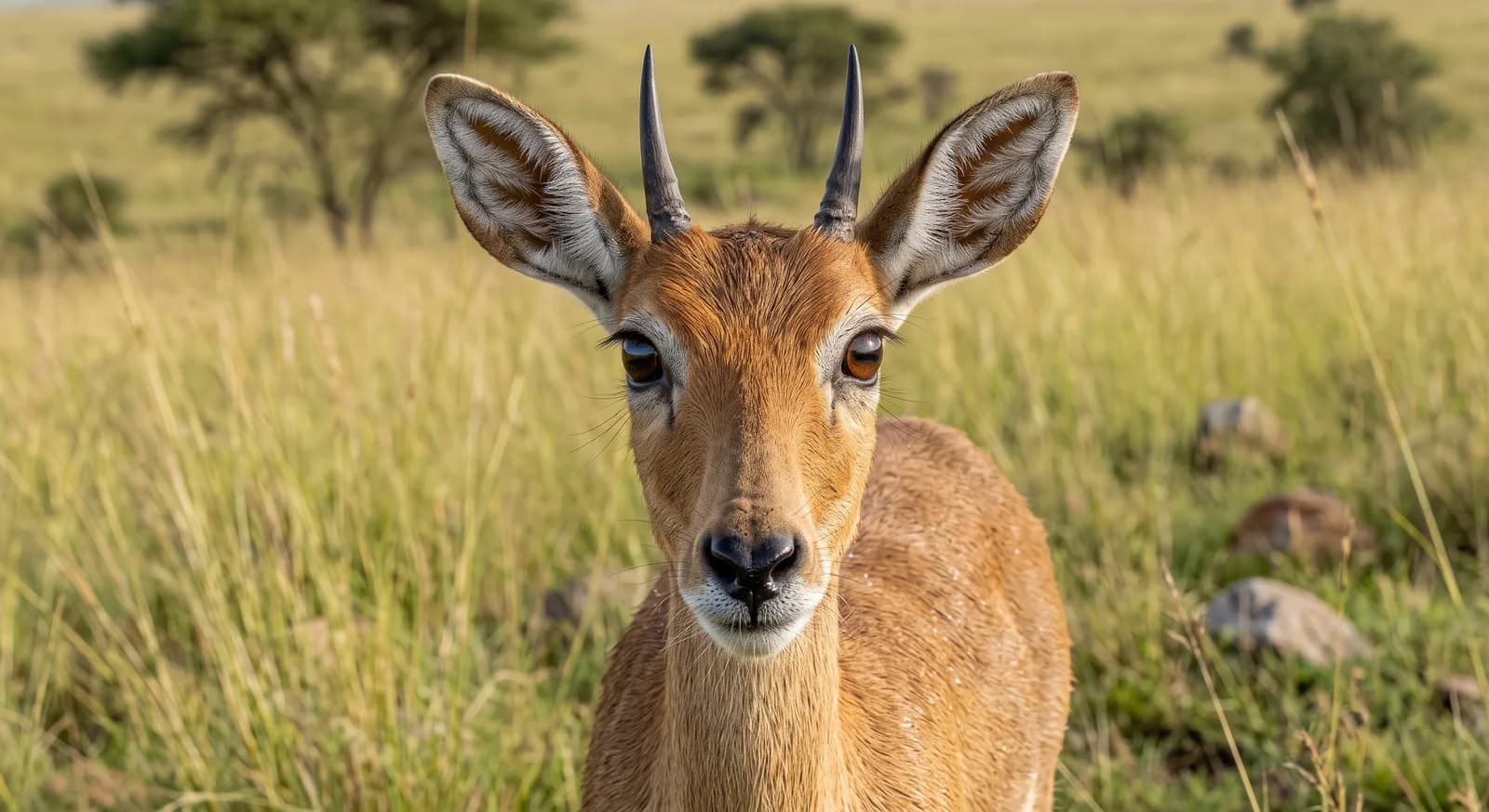
Ourebia ourebi
 Near Threatened
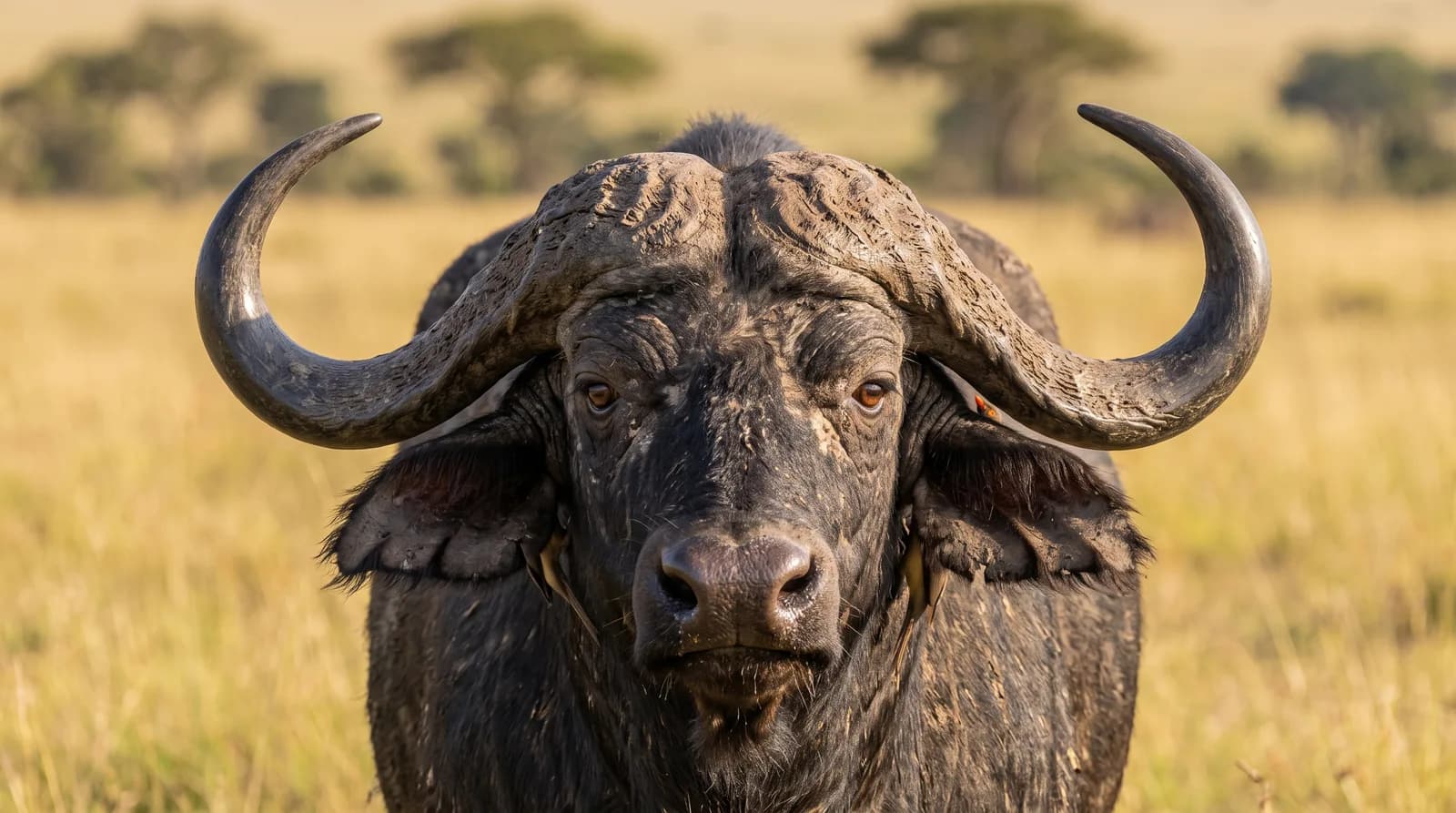
African Buffalo
Syncerus caffer
 Least Concern
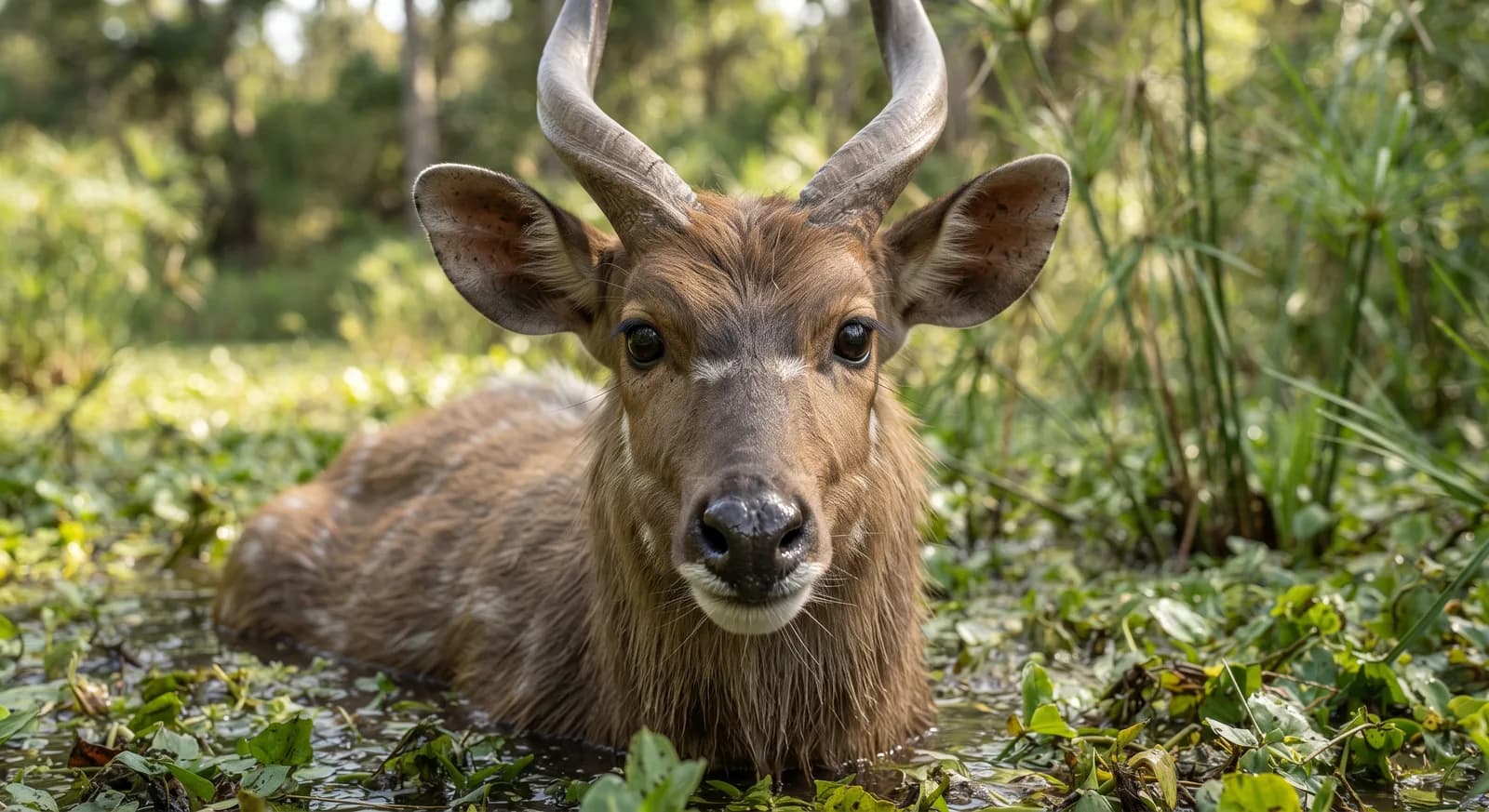
Sitatunga
Tragelaphus spekii
Keep exploring
Based on what we already know about southern lechwe.
Comments
Share an experience, a fun fact or a tip for seeing the southern lechwe.
Be the first to comment.