One of the 3 fireflies on WAnimals
Insects · Coleoptera · Lampyridae
Big Dipper Firefly
Photinus pyralis
The species is abundant and widely distributed; it faces no significant short-term risk. See full glossary
Fun facts
- comportamientoIn some populations it synchronises its flashes with nearby males, producing coordinated collective displays whose exact purpose is still under study.
- As it flies, the male traces a luminous J every five to seven seconds: hence its name, the big dipper firefly, after the constellation.
- It gives off light at all four stages of its life, the egg included, and not only for mating: it advertises that it carries lucibufagins, steroids that make it inedible.
- Females of the genus Photuris mimic this species' flash to lure the males in and eat them, thereby stealing the lucibufagins they cannot make themselves.
- The larva is a predator: it hunts snails, slugs and earthworms, injecting digestive enzymes through hollow jaws, and takes one or two years to develop.
- The adult barely feeds, and lives from a few days to two months. Light pollution interferes directly with its courtship signals.
Life cycle & biology
- Skeleton type
- Invertebrate - chitin exoskeleton (insect)
- Habitat & environment
- Damp meadows, woodland edges, gardens and the margins of lakes and streams in the eastern and central United States; the larvae live buried in moist soil and leaf litter
- Litter / clutch size
- About 500 eggs per female
Sources consulted: https://en.wikipedia.org/wiki/Photinus_pyralis
Where to watch it
Parques y spots de buceo donde se ha documentado esta especie — se muestran 10 de 27 documentados.
Related species
Other species in the catalogue with the most in common with Big Dipper Firefly — same habitat, park, country, tags or family.
Northern Leopard Frog
Lithobates pipiens
 Least Concern
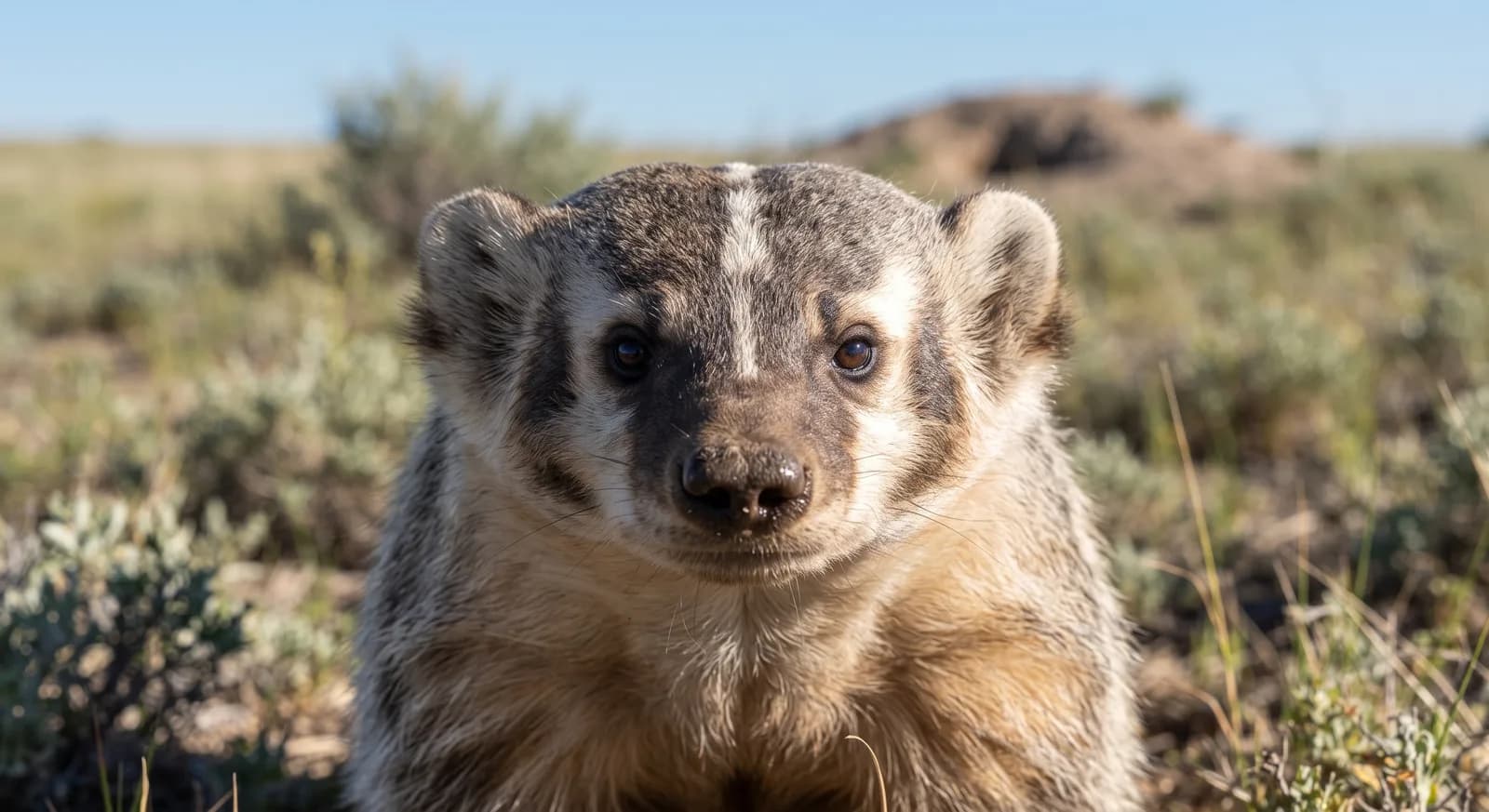
American Badger
Taxidea taxus
Swift Fox
Vulpes velox
Eastern Milksnake
Lampropeltis triangulum
Big Brown Bat
Eptesicus fuscus
Mexican Free-tailed Bat
Tadarida brasiliensis
Keep exploring
Based on what we already know about big dipper firefly.
Comments
Share an experience, a fun fact or a tip for seeing the big dipper firefly.
Be the first to comment.