One of the 29 bats on WAnimals
Mammals · Chiroptera · Molossidae
Mexican Free-tailed Bat
Tadarida brasiliensis
The species is abundant and widely distributed; it faces no significant short-term risk. See full glossary
It can reach horizontal flight speeds of up to 160 km/h, the fastest level flight documented in any mammal. Its colonies can number 10 to 20 million.
Weight
7 g – 15 g
Size
8 cm – 10 cm
Lifespan
8 years
Diet
Insectivore
Feeds mainly on insects and other invertebrates.
Activity
Nocturnal
Active mainly at night.
Social structure
Colony
Lives in large concentrations, often for breeding reasons.
Sighting difficulty
Easy
Fun facts
- It can fly at up to 160 km/h, the fastest level flight documented in any mammal.
- Its colonies can reach 20 million, as at Bracken Cave in Texas.
- It leaves its pups in communal crèches while the mother forages.
Life cycle & biology
- Skeleton type
- Vertebrate - internal bony skeleton (mammal)
- Habitat & environment
- A wide range of habitats in North, Central and South America, forming some of the largest mammal colonies in the world in caves and under bridges
- Birth weight
- 2.8 grams
- Size at birth
- The young naked at birth, left in communal crèches while its mother forages
- Sexual maturity
- Female: 9 months | Male: 18 months
- Gestation / incubation
- 78 days (with delayed implantation in some populations)
- Litter / clutch size
- 1 young per litter
Sources consulted: AnAge (genomics.senescence.info); Natural History Museum of Utah fact sheet; Nevada Dept. of Wildlife; A-Z Animals; Animal Diversity Web; Bat Conservation International; Wikipedia (Mexican free-tailed bat)
Where to find it
See its range on the interactive mapBest time: From May to September in Texas and northern Mexico, at dusk, when millions of bats stream out in a column from caves and from city bridges.
Where to watch it
Parques y spots de buceo donde se ha documentado esta especie — se muestran 10 de 17 documentados.
Related species
Other species in the catalogue with the most in common with Mexican Free-tailed Bat — same habitat, park, country, tags or family.
Pallas's Mastiff Bat
Molossus molossus
 Least Concern
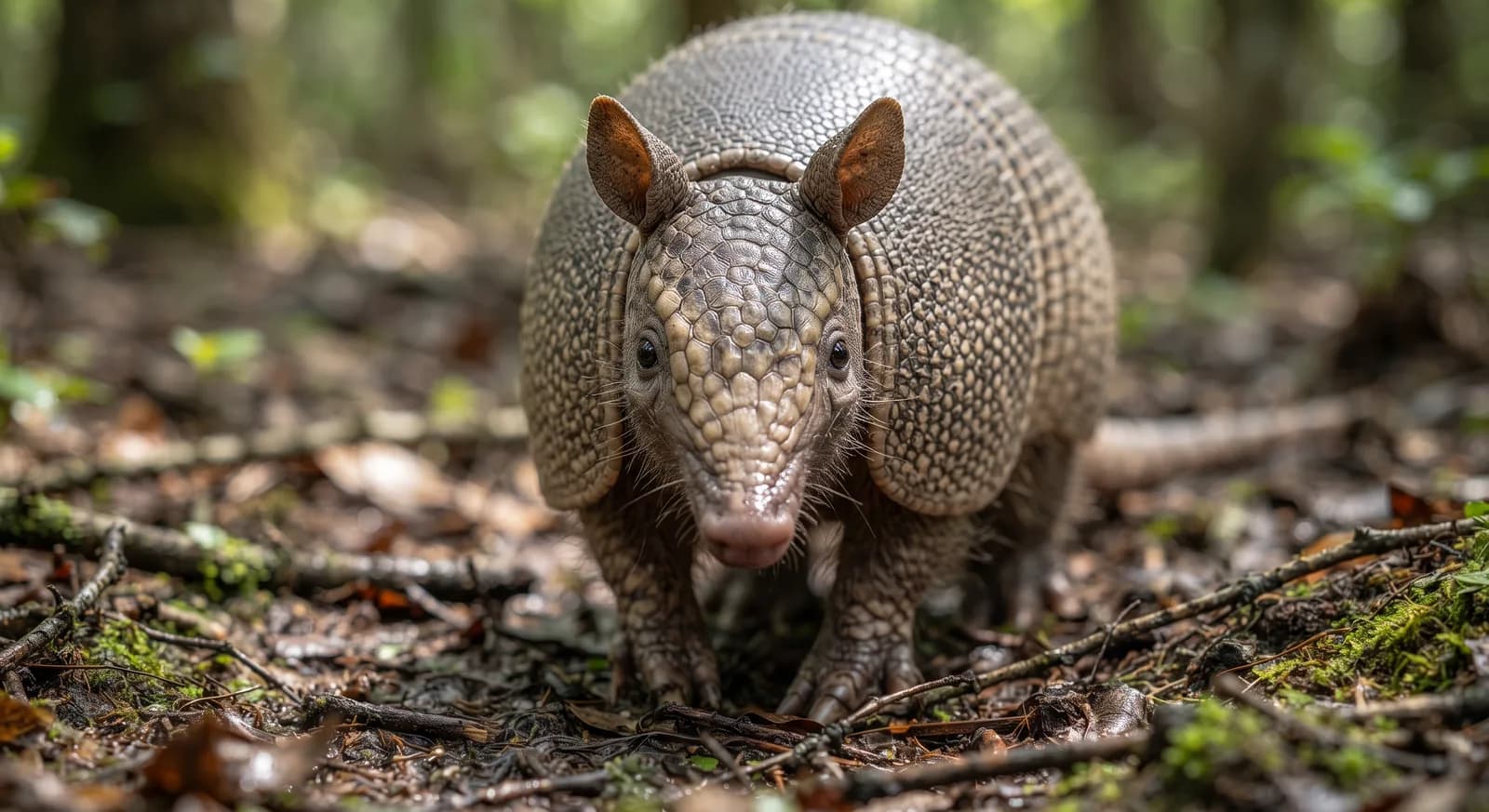
Nine-banded Armadillo
Dasypus novemcinctus
Big Brown Bat
Eptesicus fuscus
Pallas's Long-Tongued Bat
Glossophaga soricina
Ord's Kangaroo Rat
Dipodomys ordii
 Least Concern
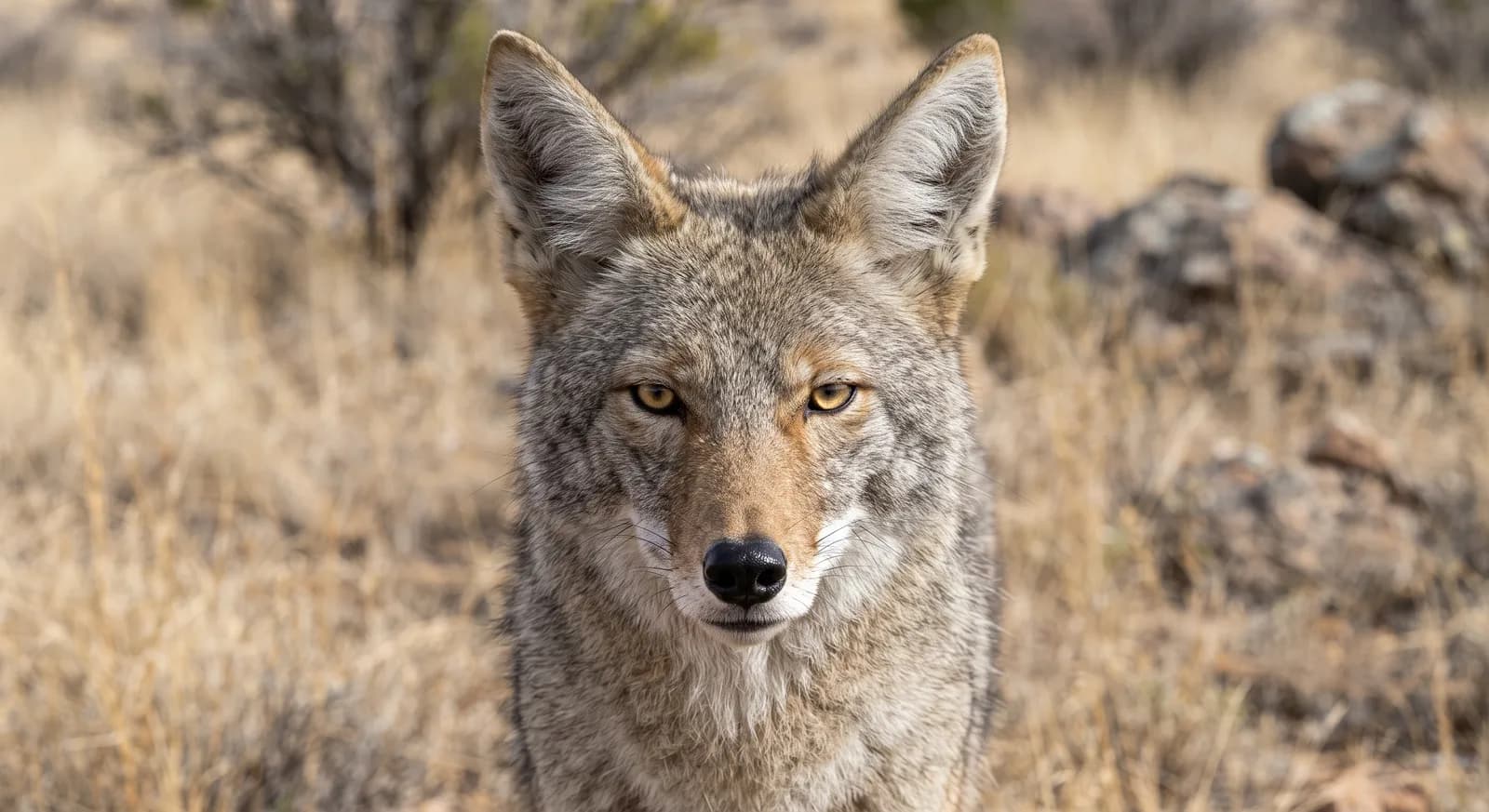
Coyote
Canis latrans
Keep exploring
Based on what we already know about mexican free-tailed bat.
Comments
Share an experience, a fun fact or a tip for seeing the mexican free-tailed bat.
Be the first to comment.