Birds · Passeriformes · Maluridae
Superb Fairywren
Malurus cyaneus
The species is abundant and widely distributed; it faces no significant short-term risk. See full glossary
The superb fairywren — known in Spanish as malurus superbo or ratona azul — is a tiny bird, very common in the gardens of south-eastern Australia. The breeding male in season wears a dazzling cobalt and turquoise blue with a black mask; the rest of the year he turns brown like the females. It lives in family groups with cooperative breeding. Its mating system has made it one of the most studied birds in the world in reproductive biology.
Weight
8 g – 13 g
Size
13 cm – 14 cm
Lifespan
10 years
Diet
Insectivore
Feeds mainly on insects and other invertebrates.
Activity
Diurnal
Active mainly during the day.
Social structure
Family group
Lives in small family groups with close bonds.
Sighting difficulty
Easy
Fun facts
- It is socially monogamous and sexually promiscuous to an extreme degree: as many as three quarters of the chicks in a nest may be fathered by males from outside the group, one of the highest proportions documented in any bird.
- The males court carrying a yellow or pink petal in the bill, contrasting with their blue plumage, and present it to females from other groups.
- The female sings to the eggs before they hatch and teaches them a password note: the chicks that reproduce it when begging get fed, and parasitic chicks that fail to learn it end up rejected.
Life cycle & biology
- Skeleton type
- Vertebrate - internal bony skeleton (bird)
- Habitat & environment
- Dense scrub, understorey, hedgerows and gardens of south-eastern Australia and Tasmania
- Birth weight
- Altricial: born blind, naked or with sparse down and entirely dependent
- Size at birth
- Altricial: born blind, naked or with sparse down and entirely dependent
- Sexual maturity
- 12 months
- Gestation / incubation
- 14 days of incubation
- Litter / clutch size
- 3 eggs
Sources consulted: https://es.wikipedia.org/wiki/Malurus_cyaneus
Where to find it
See its range on the interactive mapBest time: All year in south-eastern Australia, by day; the male wears his blue breeding plumage mainly between September and January.
Where to watch it
Parques y spots de buceo donde se ha documentado esta especie — se muestran 10 de 26 documentados.
Related species
Other species in the catalogue with the most in common with Superb Fairywren — same habitat, park, country, tags or family.
Laughing Kookaburra
Dacelo novaeguineae
Sulphur-crested Cockatoo
Cacatua galerita
 Least Concern
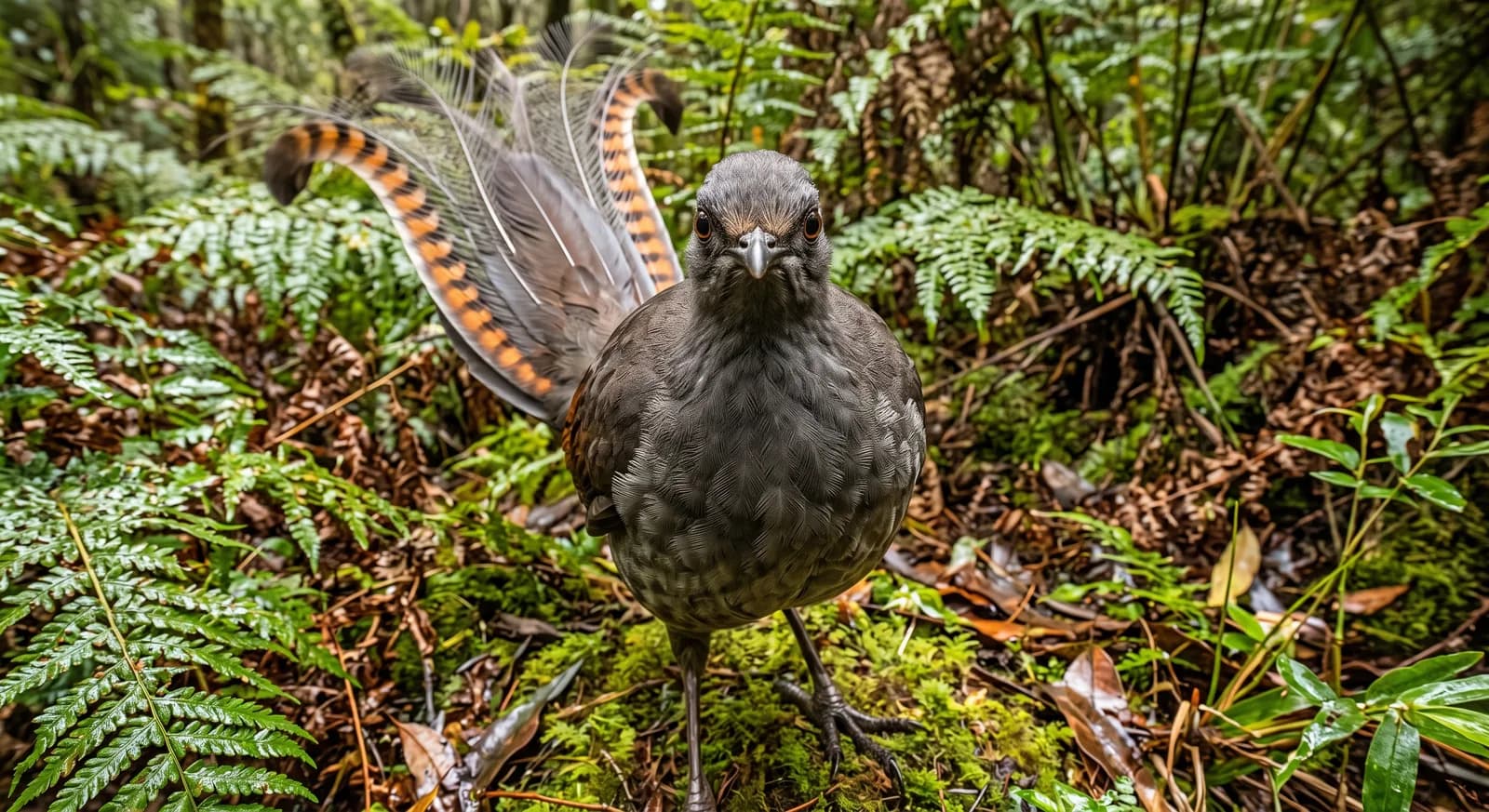
Superb Lyrebird
Menura novaehollandiae
 Least Concern
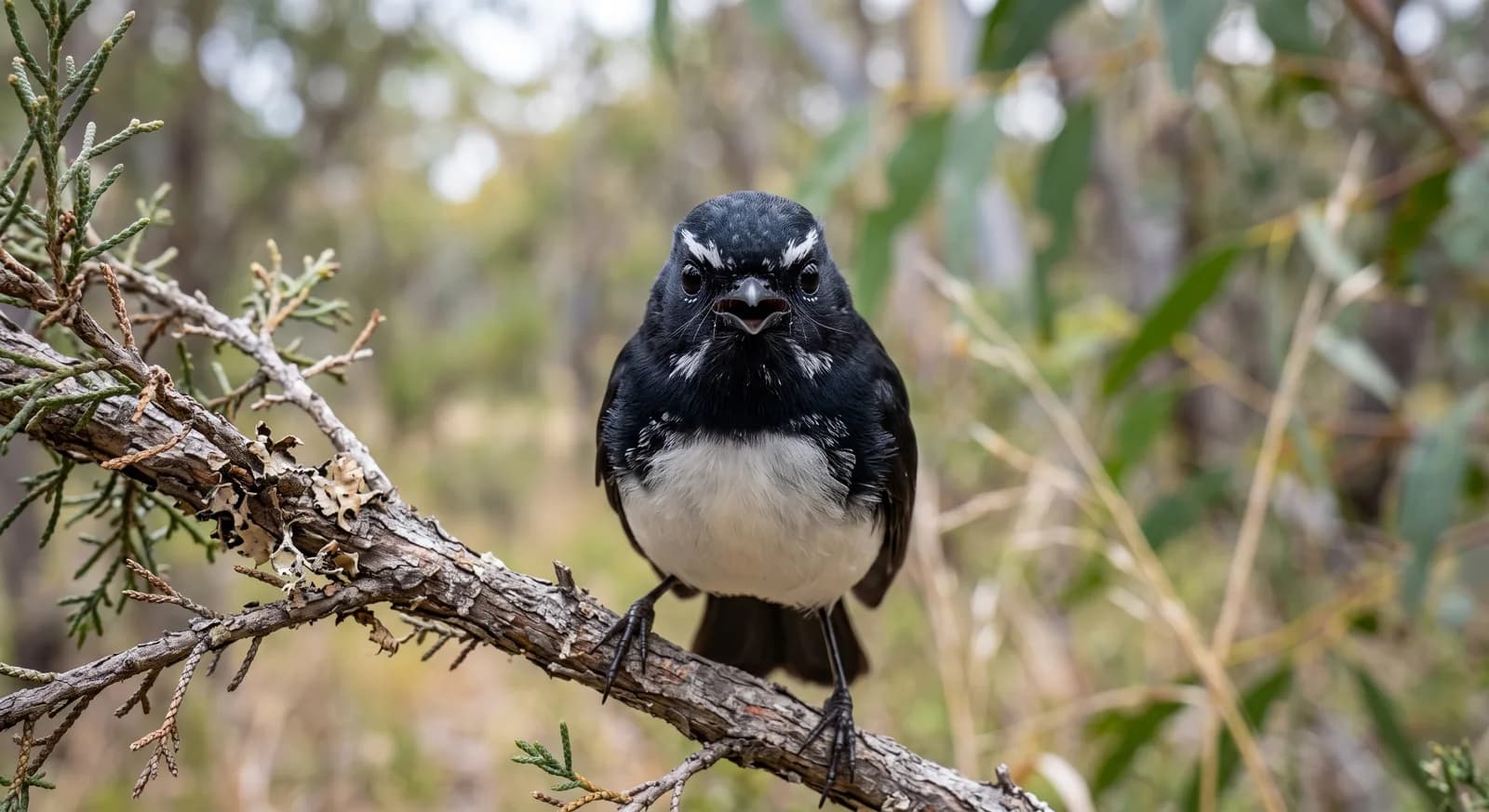
Willie Wagtail
Rhipidura leucophrys
Spotted Pardalote
Pardalotus punctatus
Keep exploring
Based on what we already know about superb fairywren.
Comments
Share an experience, a fun fact or a tip for seeing the superb fairywren.
Be the first to comment.