The largest body of Aboriginal rock art in Victoria; its indigenous name, Gariwerd, has regained joint official recognition
Area
1,672 km²
Declared in
1984
Region
Victoria
Climate
Tropical, Árido / desértico, Templado, Mediterráneo
Best time
March to May
Highlight
The largest body of Aboriginal rock art in Victoria; its indigenous name, Gariwerd, has regained joint official recognition
Declared in 1984, the Grampians — also known by their indigenous name Gariwerd, in joint official recognition since the 1990s — protect a range of sedimentary sandstone folded millions of years ago, celebrated both for its panoramic viewpoints and for holding the largest body of Aboriginal rock art in the state of Victoria, with more than 90% of the region's known painting sites concentrated within its boundaries, created by the Jardwadjali and Djab Wurrung peoples over thousands of years.
Location
See on the interactive map1 dive site within 300 km is also shown.
40 species documented in Grampians (Gariwerd)
At conservation risk:Koala,Ualabi de rocas de cola cepillada
Endemic to Australia:Koala,Ornitorrinco
Canguro gris occidental
Macropus fuliginosus
Águila audaz
Aquila audax
 Least Concern
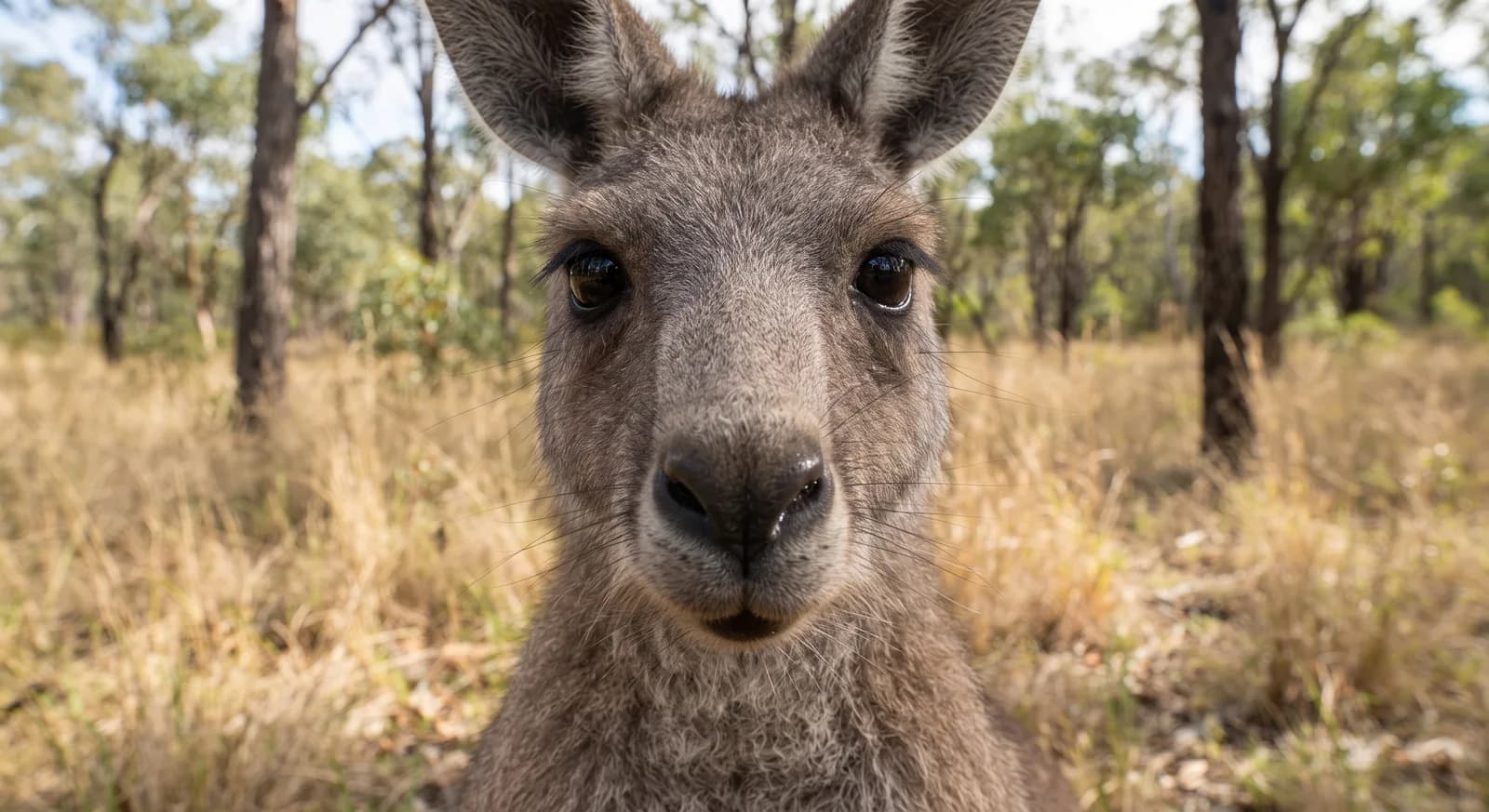
Canguro gris oriental
Macropus giganteus
 Least Concern
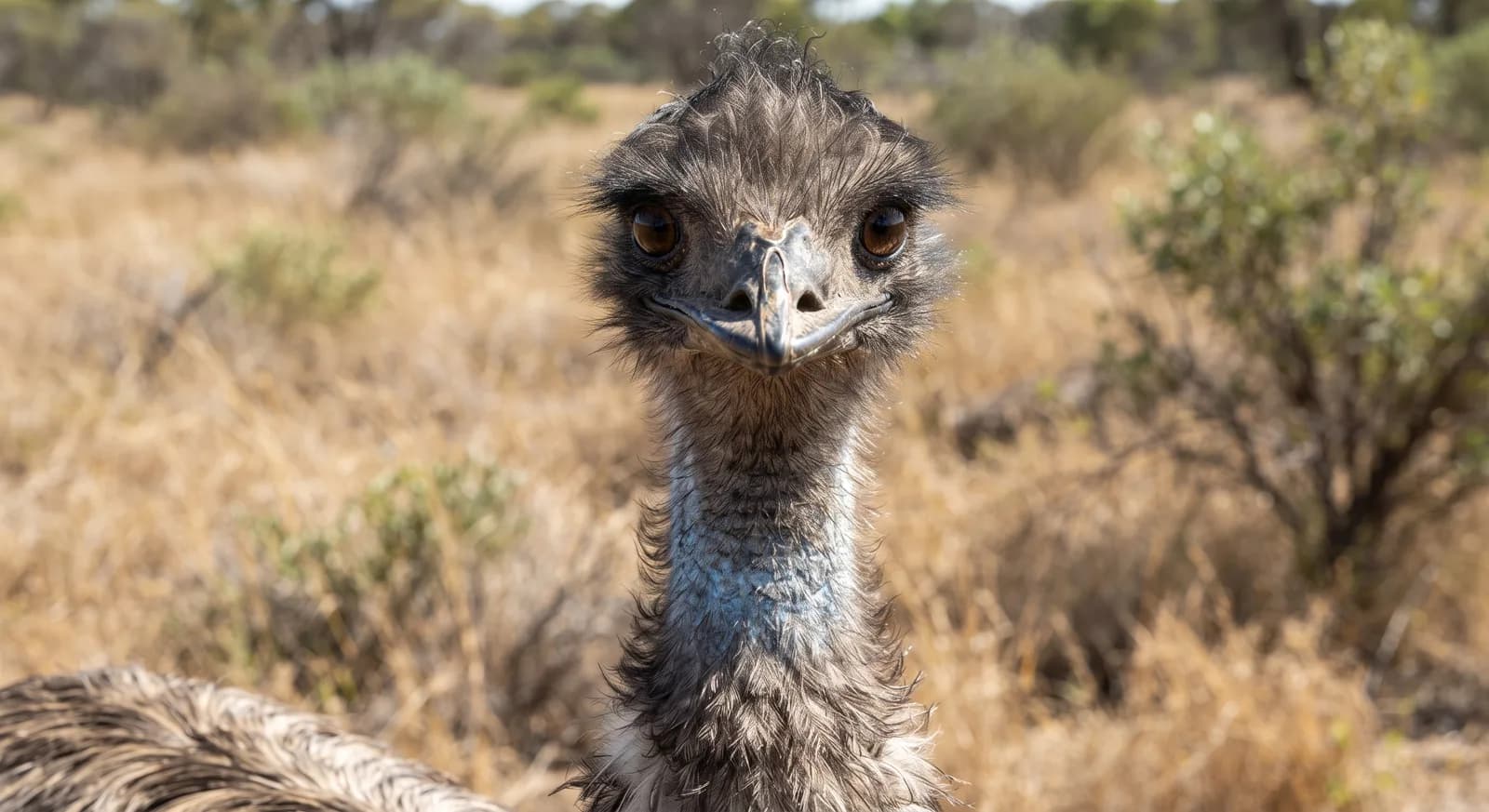
Emú
Dromaius novaehollandiae
 Vulnerable
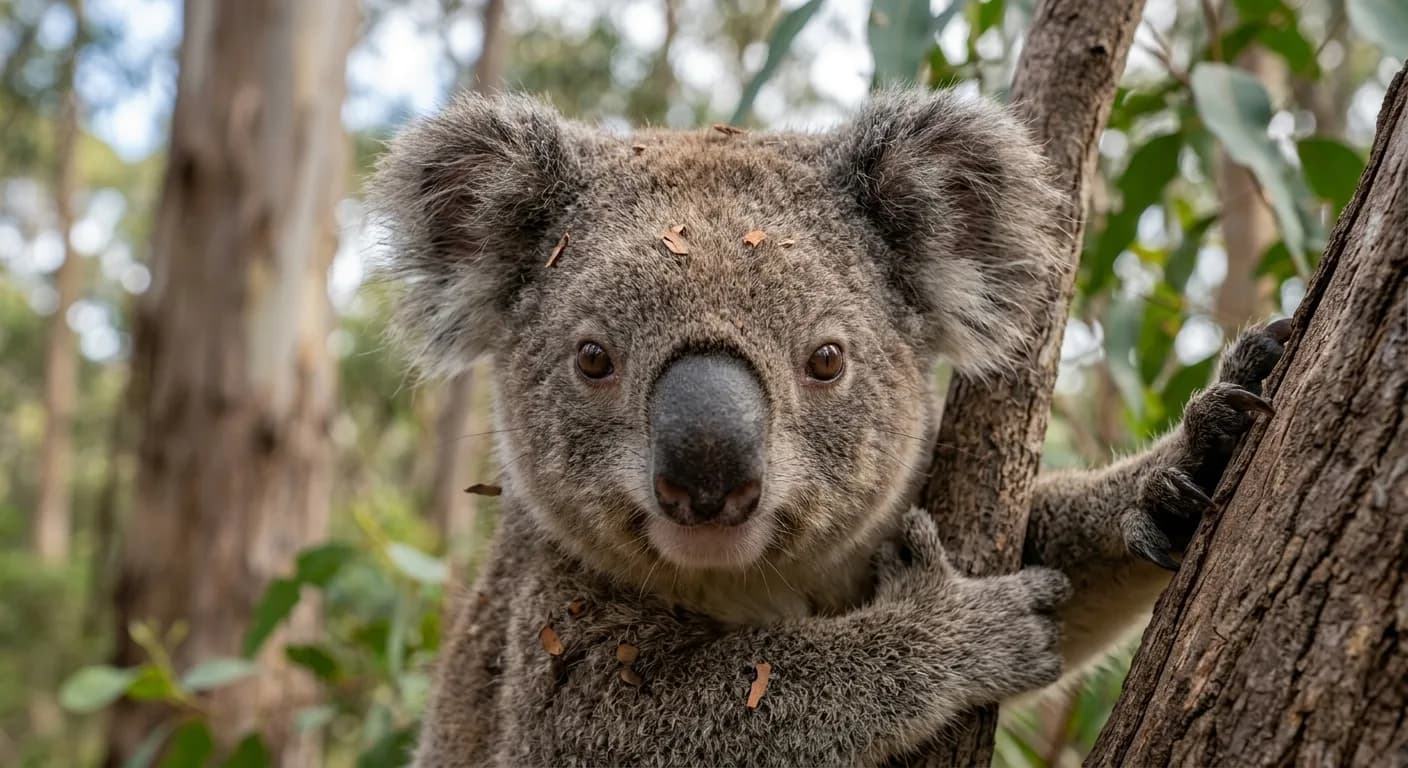
Koala
Phascolarctos cinereus
 Near Threatened
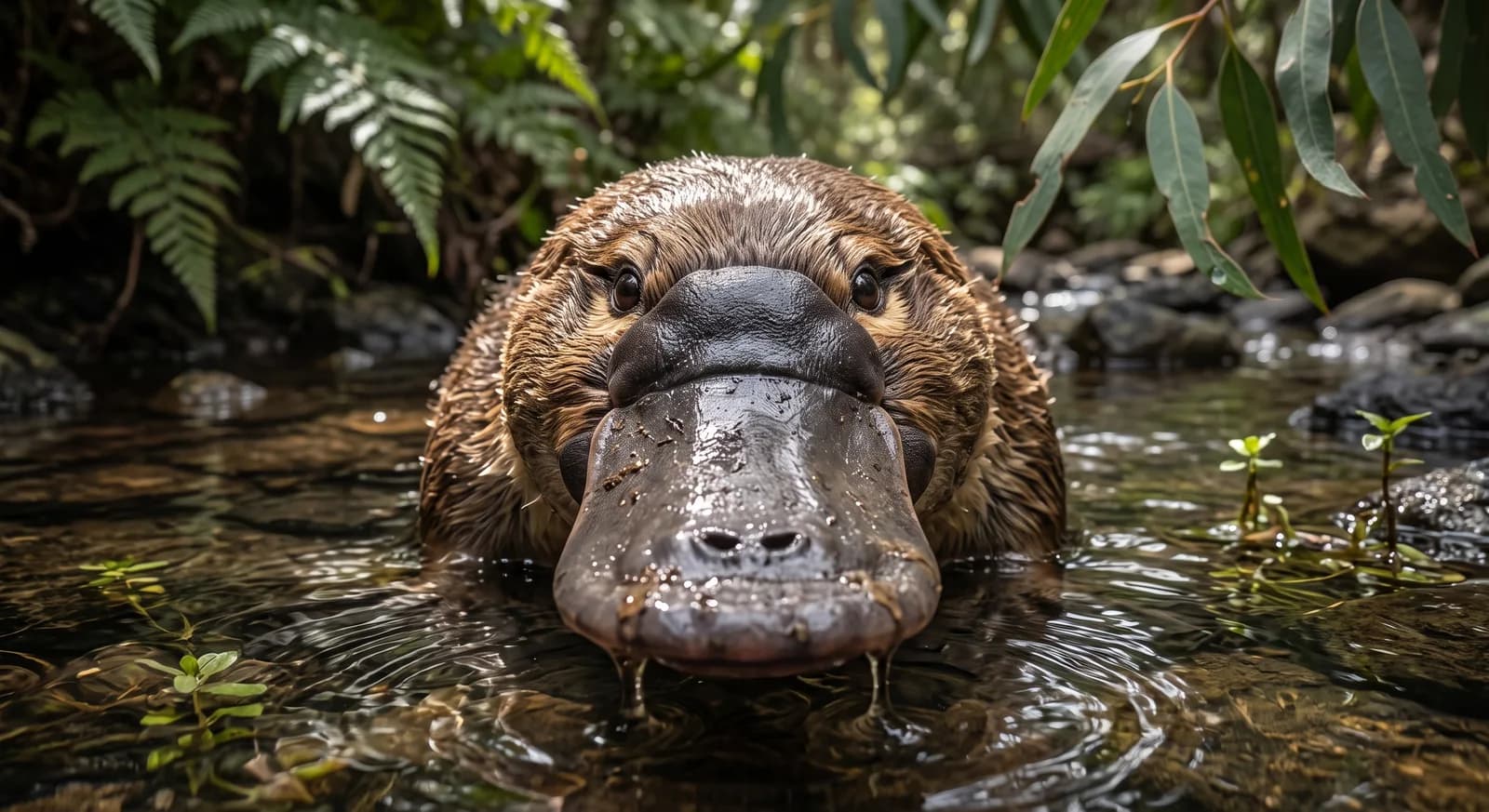
Ornitorrinco
Ornithorhynchus anatinus
 Least Concern
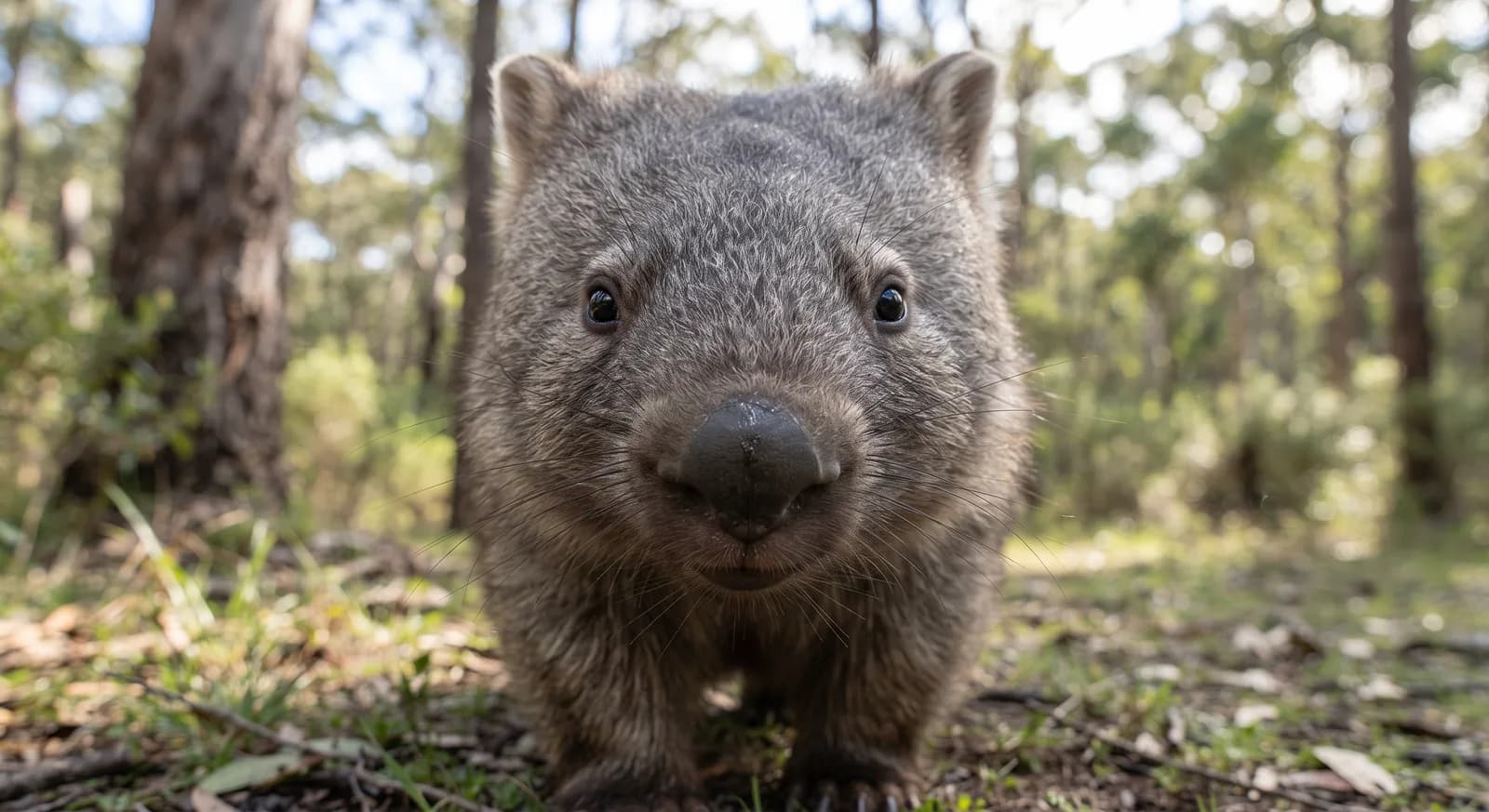
Wombat común
Vombatus ursinus
 Least Concern
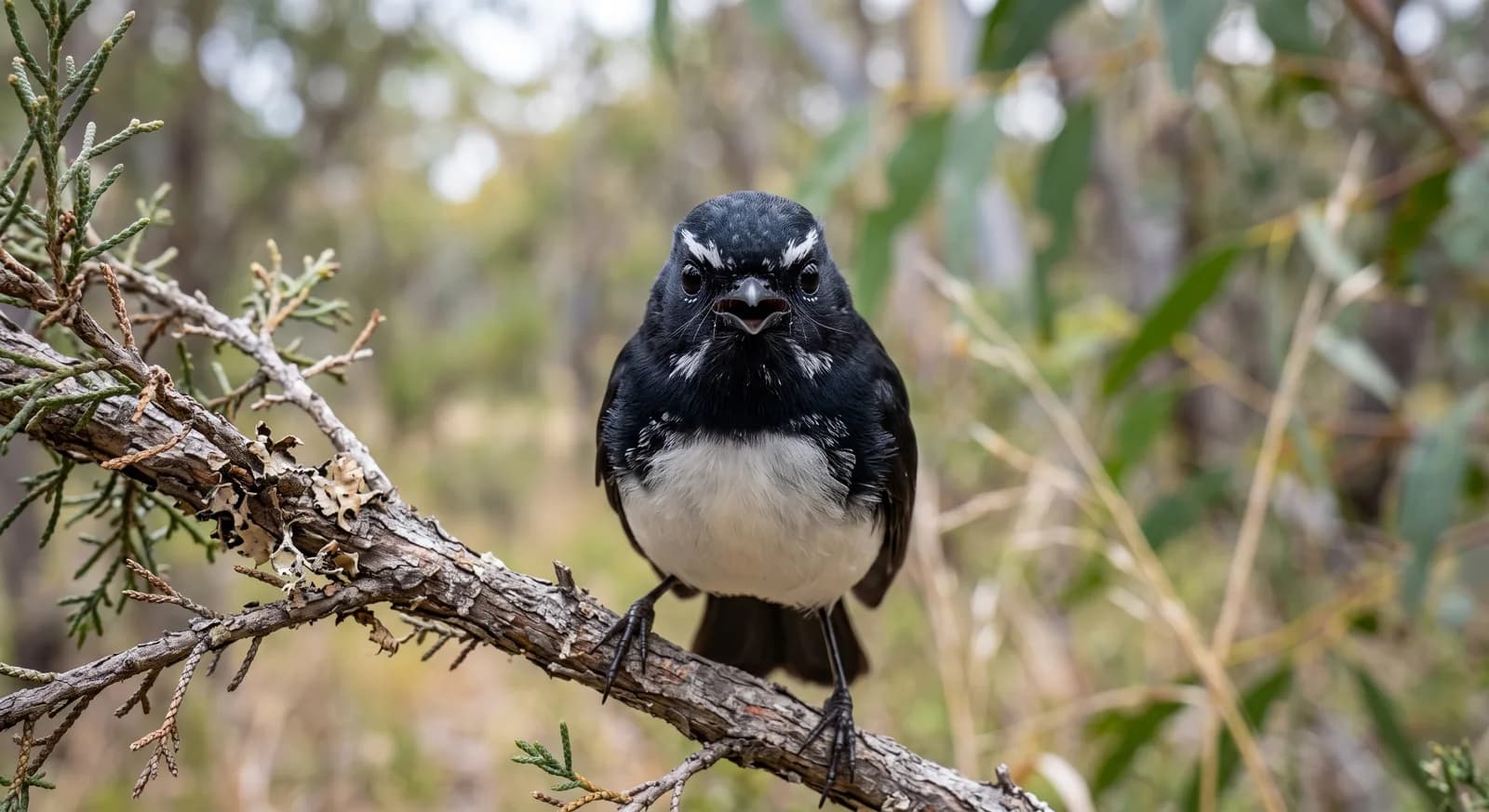
Abanico australiano
Rhipidura leucophrys
Araña cara de ogro
Deinopis spinosa
Araña de espalda roja
Latrodectus hasselti
Araña saltarina pavo real
Maratus volans
Bandicoot meridional de nariz corta
Isoodon obesulus
Flora and ecosystems
Ecosystems found in Australia, where Grampians (Gariwerd) lies.
Experiences in this park
Nearby dive sites
Where can I dive near here?
Port Phillip Bay (dragón de mar frondoso)
218 km away
Similar parks
Which other parks are like this one?
Maria Island
Australia
Bare-nosed Wombat · Cape Barren Goose
Marzo a mayo
View parkMismo país: Australia
Nitmiluk
Australia
Freshwater Crocodile · Rock-wallaroo
Marzo a mayo
View parkMismo país: Australia
Keep exploring
Based on what we already know about Grampians (Gariwerd).
Your rating
How many stars would you give Grampians (Gariwerd)?
Comments
Share your experience visiting Grampians (Gariwerd), or a tip for other travellers.
Be the first to comment.