One of the 26 spiders on WAnimals
Arachnids · Araneae · Deinopidae
Ogrefaced Spider
Deinopis spinosa
It has not yet been assessed against the IUCN criteria. See full glossary
A spider with a body as elongated as a twig and two enormous central eyes, which hunts in a way all its own: it weaves a small rectangular net of cribellate silk, holds it with its four front legs and waits hanging upside down. When an insect passes, it stretches the net and throws it over the prey like a gladiator with his net.
Size
1 cm – 2.5 cm
Diet
Carnivore
Feeds mainly on other animals.
Activity
Nocturnal
Active mainly at night.
Social structure
Solitary
Lives and hunts alone, joining others only to breed.
Sighting difficulty
Unknown
Fun facts
- comportamientoIt weaves a small net, holds it in its front legs and throws it over passing prey, rather than waiting for anything to blunder into a fixed web.
- Its two posterior median eyes are the largest simple eyes of any arthropod and let it hunt in light hundreds of times dimmer than a cat needs.
- Every night it builds a light-sensitive membrane that gives it that extreme night vision, and every dawn it destroys it.
- It has been shown experimentally to hear: it detects the hum of insects approaching from behind with its legs and casts the net backwards without seeing them.
- It fishes with a net. It weaves a small, highly elastic rectangular web, holds it with its four front legs and waits hanging upside down; when prey passes, it stretches the net out in a flash and wraps it up.
- It has the largest eyes of any spider in proportion to its body: two enormous rear eyes that give it a sensitivity to light greater than that of cats and owls, and that let it hunt in near-total darkness. Hence the name ogre-faced spider.
- Those eyes are so sensitive that they degrade in daylight: at each dawn it breaks down part of the photosensitive membrane and regenerates it at the following dusk.
- It also hunts backwards: it detects insects flying behind it with the sensory hairs on its legs and casts the net upwards without seeing them.
- A 2020 study showed that it can hear: it responds to low-frequency airborne sounds, something thought impossible in a spider without eardrums.
- By day it stretches out against a branch, and its elongated brown body makes it indistinguishable from a dry twig.
Life cycle & biology
- Skeleton type
- Invertebrate - chitin exoskeleton (arachnid)
- Habitat & environment
- Understorey and low vegetation of warm forests in the south-eastern United States and tropical America
Sources consulted: Stafstrom y Hebets (2016), Biology Letters; Stafstrom et al. (2020), Current Biology; Universidad de Florida, Featured Creatures
Where to find it
See its range on the interactive mapWhere to watch it
Parques y spots de buceo donde se ha documentado esta especie — se muestran 10 de 109 documentados.
Related species
Other species in the catalogue with the most in common with Ogrefaced Spider — same habitat, park, country, tags or family.
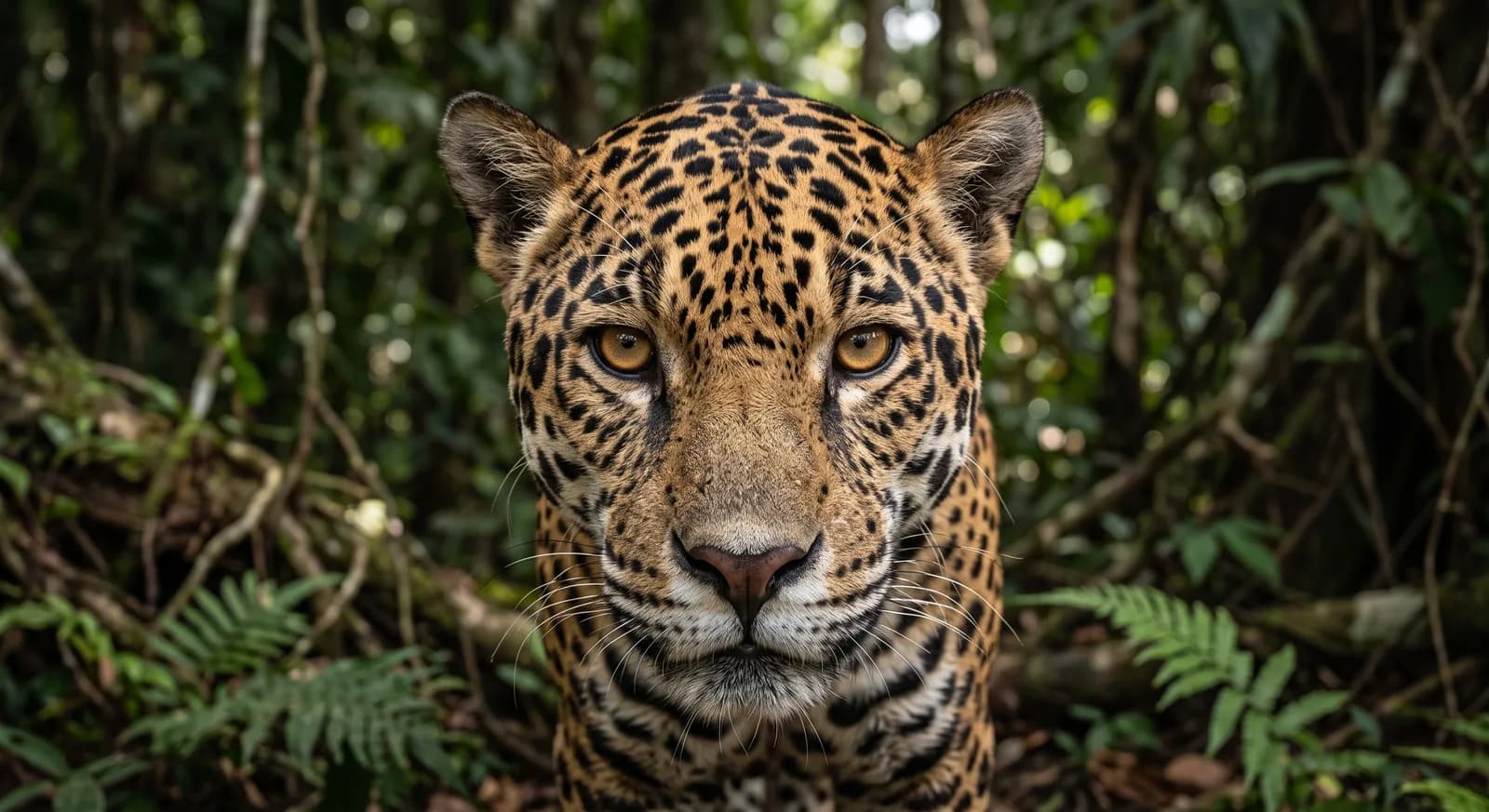 Near Threatened
Jaguar
Panthera onca
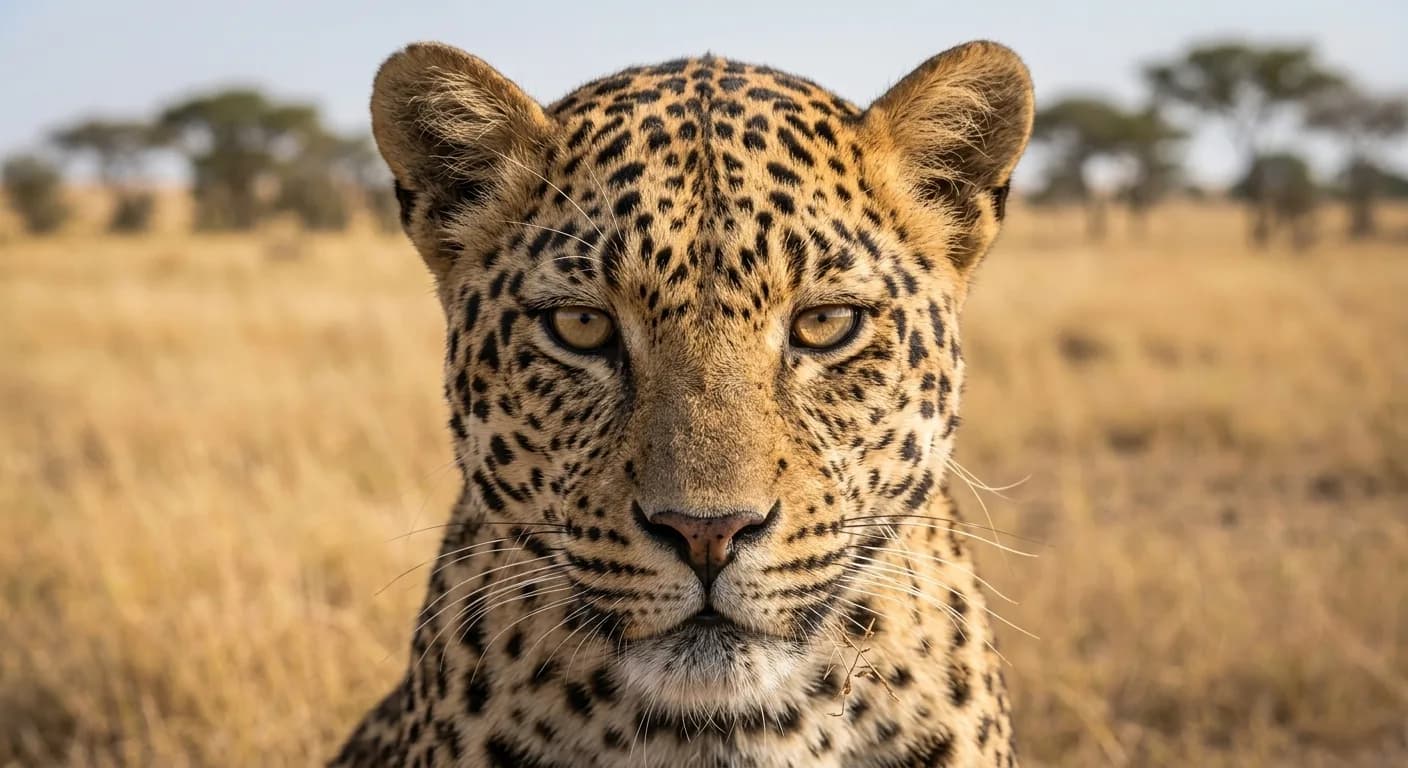 Vulnerable
African Leopard
Panthera pardus pardus
Water Opossum
Chironectes minimus
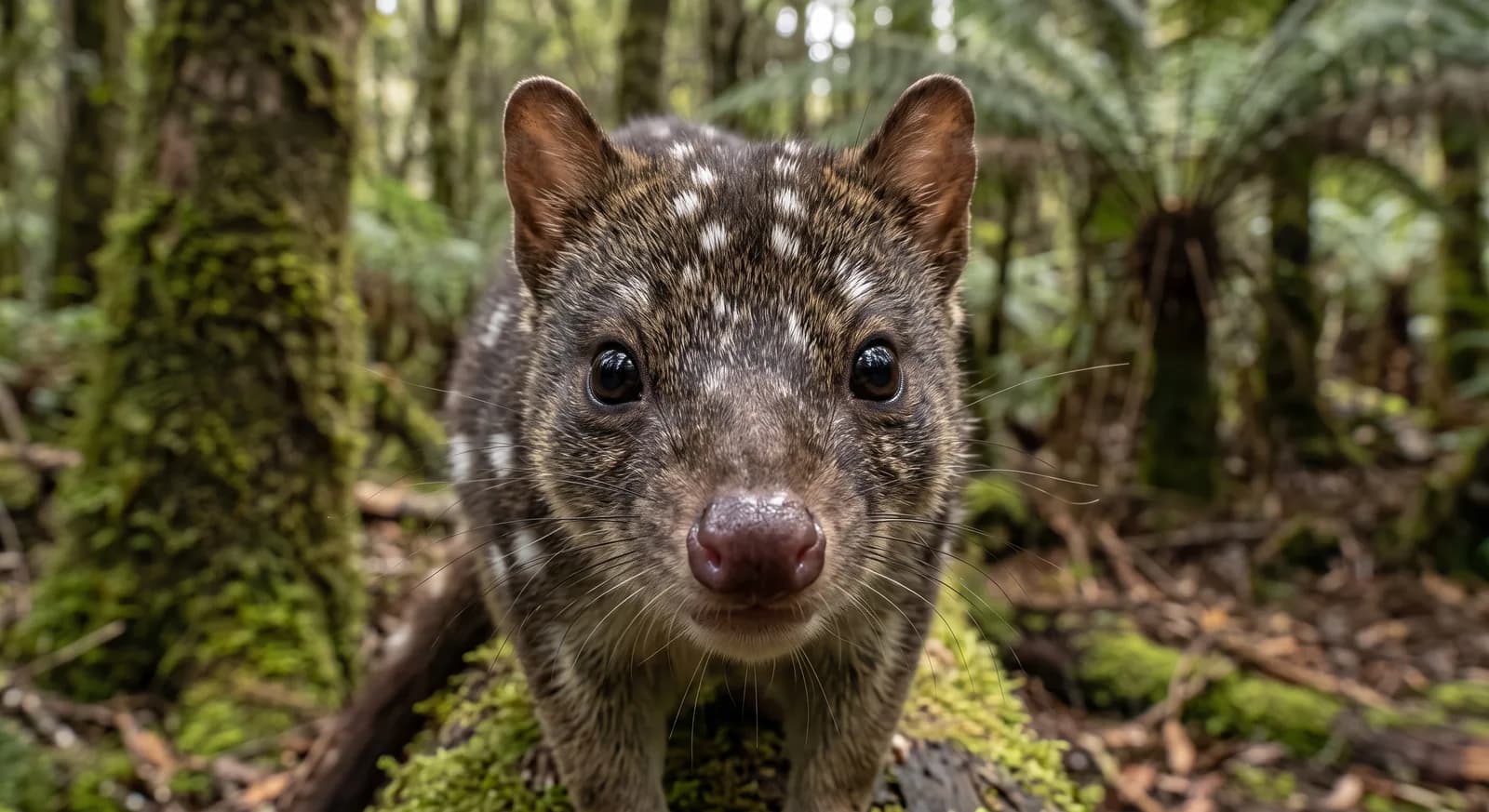 Near Threatened
Spotted-tailed Quoll
Dasyurus maculatus
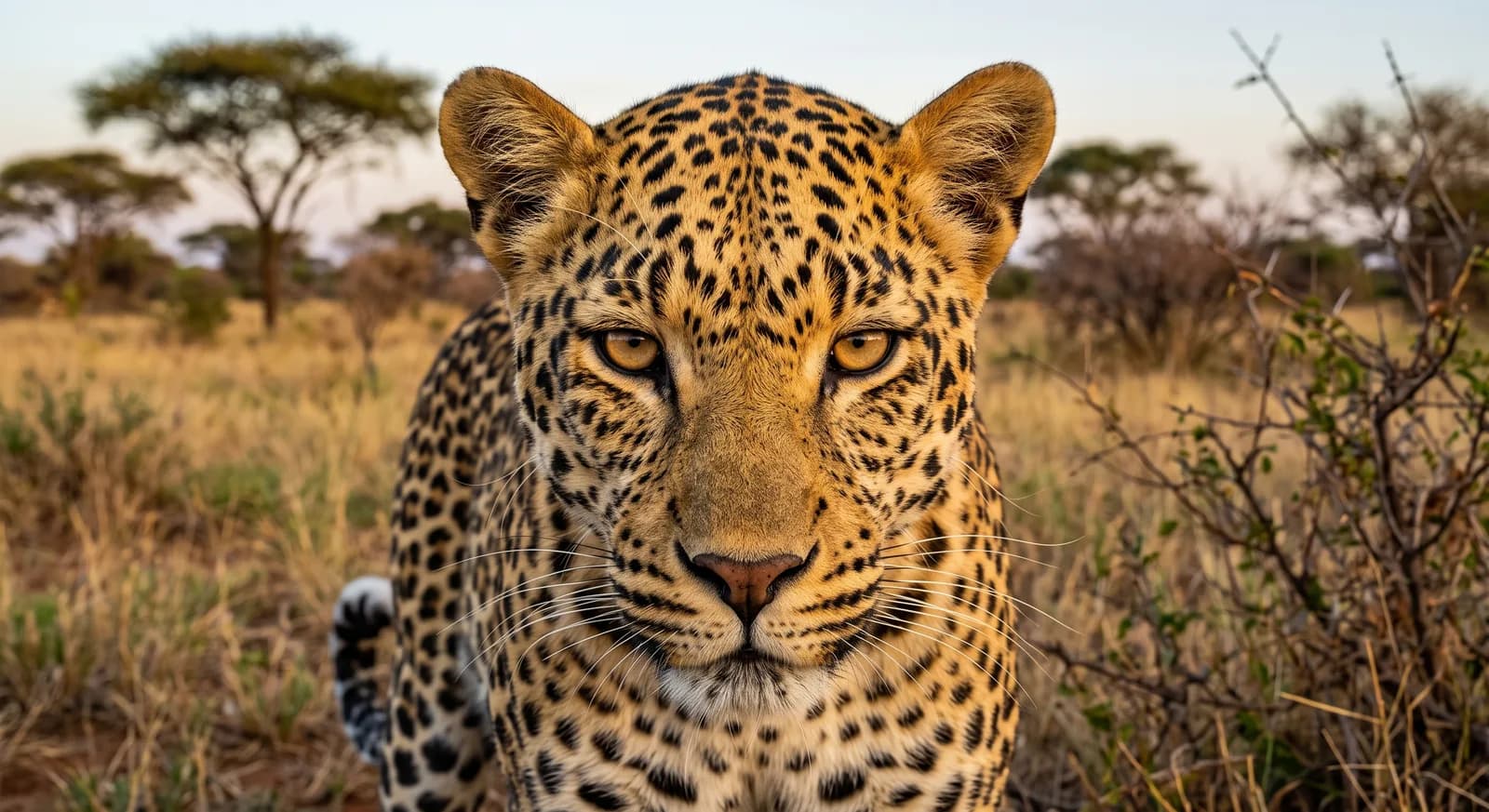 Vulnerable
Leopard
Panthera pardus
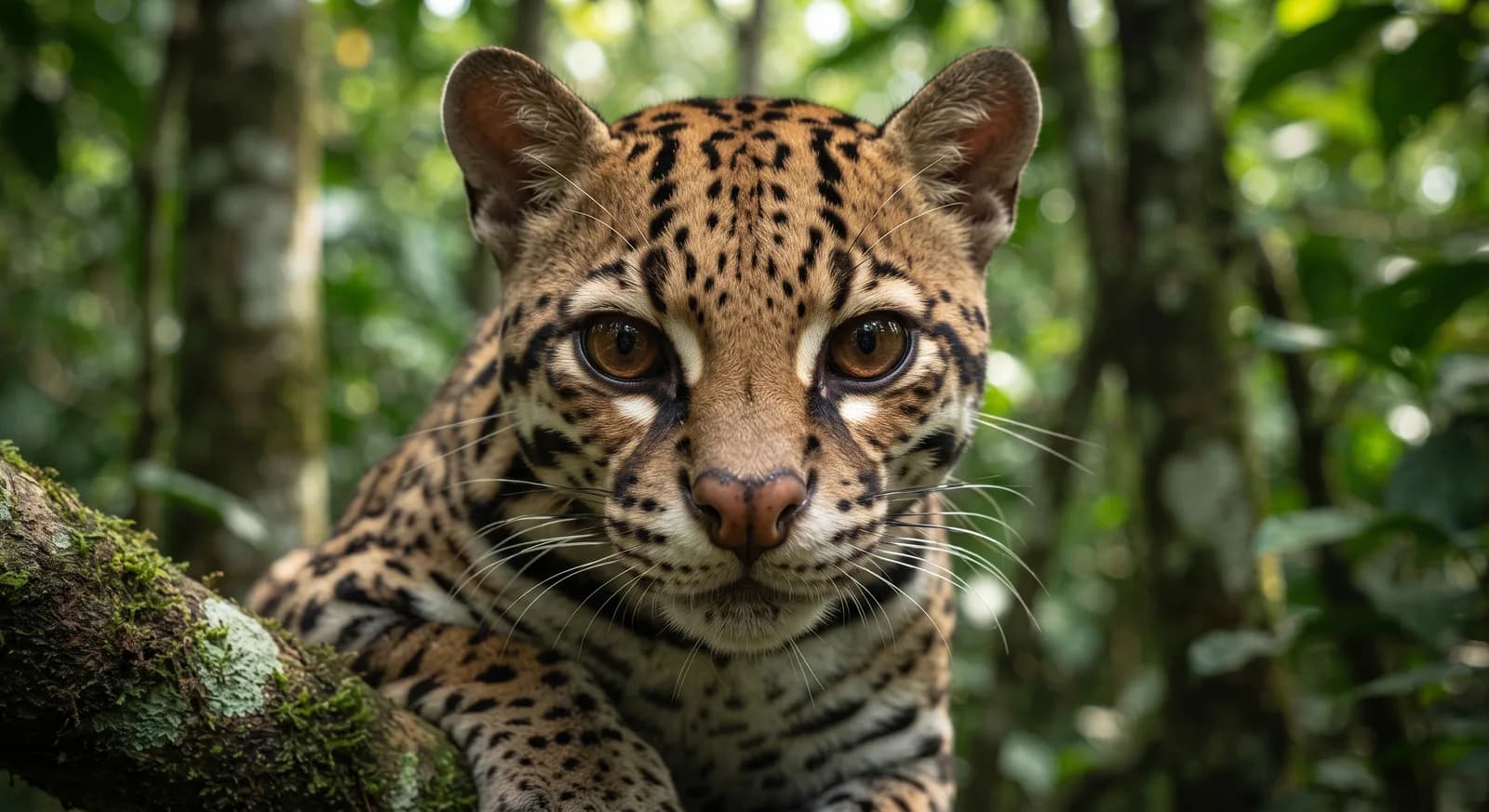 Least Concern
Ocelot
Leopardus pardalis
Keep exploring
Based on what we already know about ogrefaced spider.
Comments
Share an experience, a fun fact or a tip for seeing the ogrefaced spider.
Be the first to comment.