Mammals · Primates · Atelidae
Southern Muriqui
Brachyteles arachnoides
It faces an extremely high risk of imminent extinction in the wild. See full glossary
The southern muriqui or woolly spider monkey is the largest primate in the Americas and one of the most threatened. It lives only in the remnants of the Brazilian Atlantic Forest, of which less than a tenth of the original area survives. It has long arms, a prehensile tail and dense yellowish-brown fur. It is mainly folivorous, which lets it survive in fragments where fruit is seasonal, and it moves in large groups that split and regroup.
Weight
9 kg – 15 kg
Size
55 cm – 78 cm
Lifespan
30 years
Diet
Herbivore
Feeds mainly on plants.
Activity
Diurnal
Active mainly during the day.
Sighting difficulty
Very hard
Fun facts
- Its society is remarkably peaceful: the males do not compete through physical aggression, they embrace as a greeting and tolerate their rivals close by even in the presence of receptive females.
- Competition between males is settled not by fighting but at the level of sperm: they have enormous testes in proportion to their body, a textbook case of post-copulatory selection.
Life cycle & biology
- Skeleton type
- Vertebrate - internal bony skeleton (mammal)
- Habitat & environment
- Fragments of montane Atlantic Forest in south-eastern Brazil
- Sexual maturity
- 7.5 years
- Gestation / incubation
- 7.6 months
- Litter / clutch size
- 1
Sources consulted: https://es.wikipedia.org/wiki/Brachyteles_arachnoides
Where to watch it
Parks and dive sites where this species has been documented.
Related species
Other species in the catalogue with the most in common with Southern Muriqui — same habitat, park, country, tags or family.
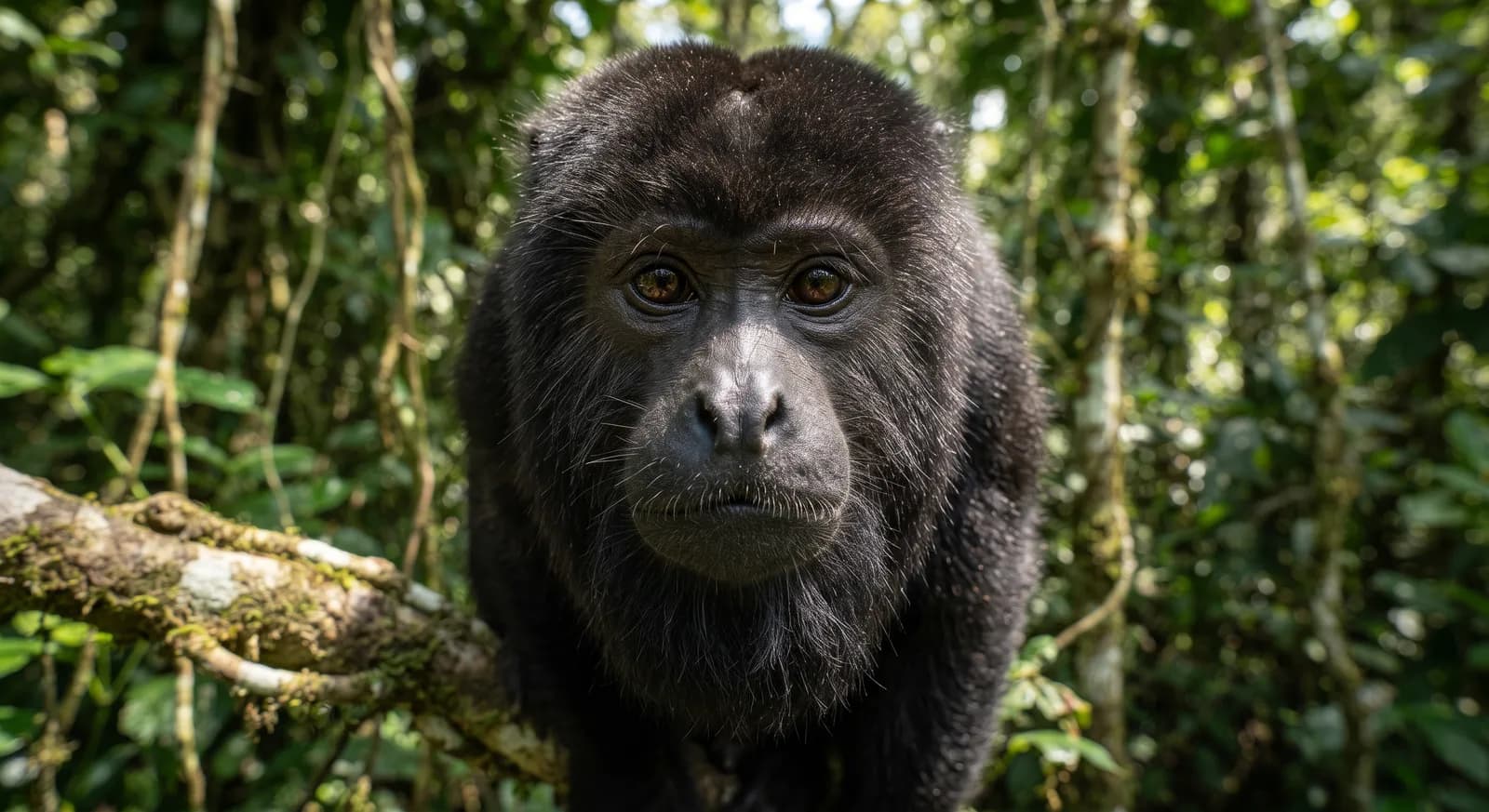 Least Concern
Black and Gold Howler Monkey
Alouatta caraya
Black Spider Monkey
Ateles chamek
Common Woolly Monkey
Lagothrix lagothricha
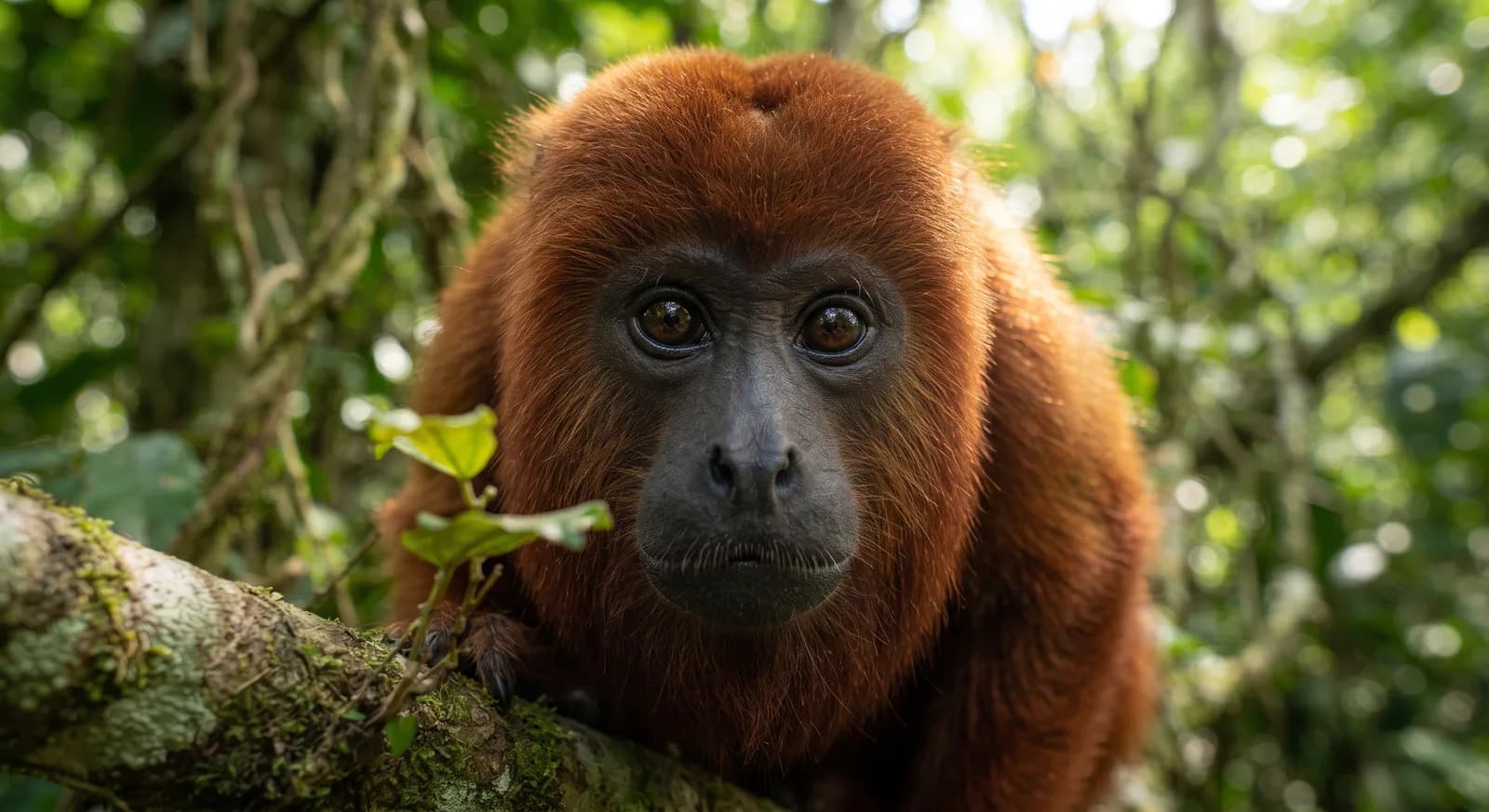 Least Concern
Colombian Red Howler Monkey
Alouatta seniculus
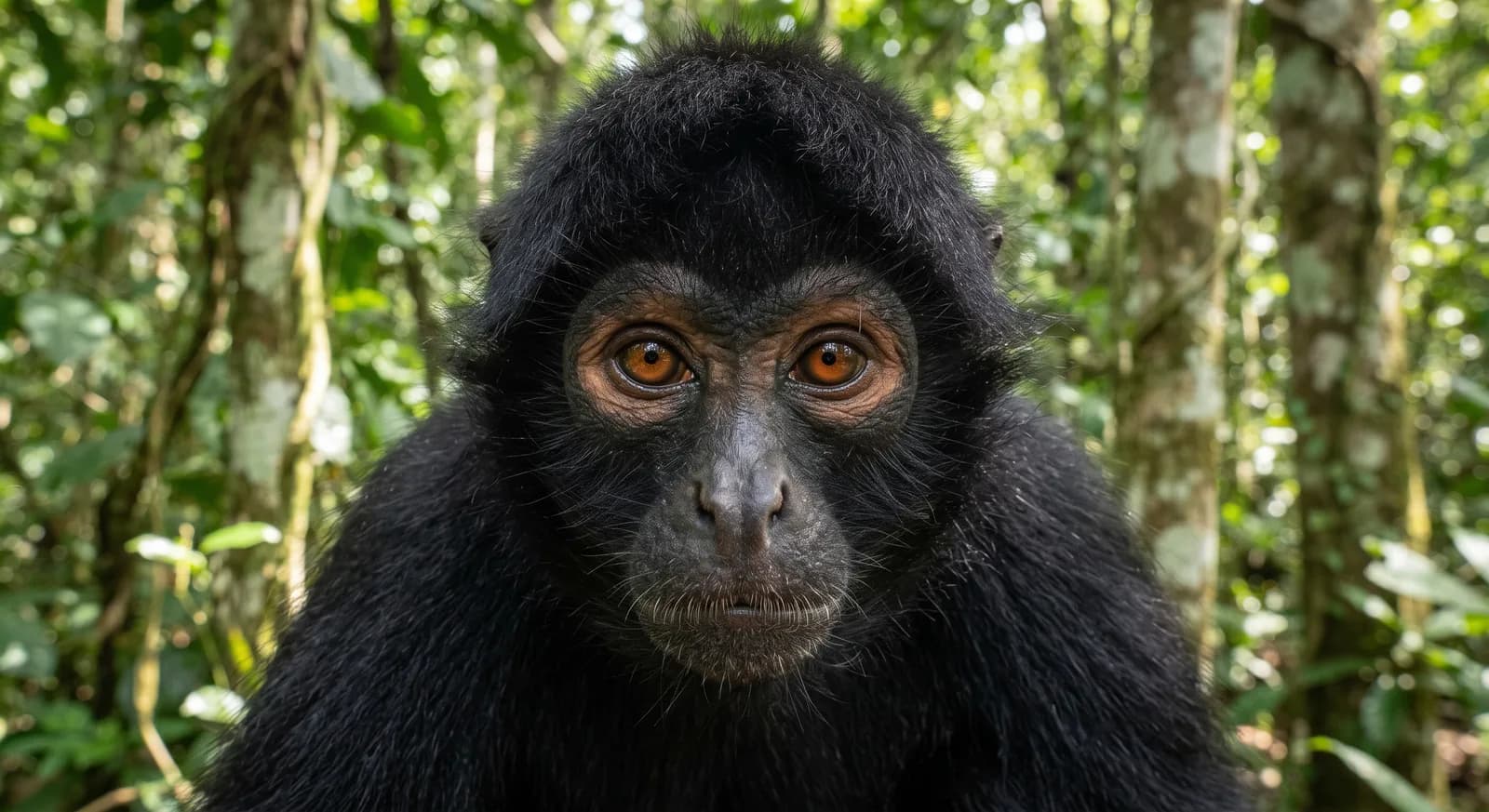 Vulnerable
Red-faced Black Spider Monkey
Ateles paniscus
Peruvian Yellow-tailed Woolly Monkey
Lagothrix flavicauda
How to help
The southern muriqui is classified as critically endangered. Organizations such as UICN, WWF y Wildlife Conservation Society work specifically on its conservation and that of its habitat; looking into their programs is a good starting point if you want to get involved.
It's documented in 5 real protected areas — part of why protecting these places matters for its conservation.
Keep exploring
Based on what we already know about southern muriqui.
Comments
Share an experience, a fun fact or a tip for seeing the southern muriqui.
Be the first to comment.