Rio de Janeiro's urban forest, replanted by hand in the nineteenth century, with Corcovado inside it.
Area
40 km²
Declared in
1961
Region
Southern Cone and Brazil
Climate
Tropical, Árido / desértico, Templado
Best time
June to October
Highlight
Replanted urban Atlantic Forest on the Tijuca massif
Tijuca National Park was created in 1961 and protects some 40 km² of the Tijuca massif, within the municipal boundary of Rio de Janeiro. It is one of the largest urban forests in the world, and its history is what makes it exceptional: it is not a remnant of primary rainforest but a replanted one.
During the eighteenth and nineteenth centuries the slopes of the massif were cleared almost entirely to plant coffee and sugar cane and to obtain firewood and charcoal. The deforestation caused the collapse of the city's water supply, which depended on the springs of those slopes. Faced with the crisis, the Crown ordered in 1861 that the estates be expropriated and the area reforested; the task fell to Major Manuel Gomes Archer, who with a handful of enslaved workers planted tens of thousands of trees by hand in little more than a decade, laying the foundations of the present forest. It is one of the earliest and largest documented forest restoration projects in the world.
Today the park preserves a mature secondary Atlantic Forest, with reintroduced native species and others exotic, from those plantations, and it supports a fauna surprising for so urban a setting: capuchin monkeys, marmosets, sloths, toucans and an abundant birdlife, as well as programmes to reintroduce species lost from the massif. Within its boundaries are Corcovado with Christ the Redeemer, the Vista Chinesa, the Taunay waterfall and the Pico da Tijuca. The landscape of the massif forms part of the UNESCO property Rio de Janeiro: Carioca Landscapes between the Mountain and the Sea, inscribed in 2012 as a cultural landscape.
Location
See on the interactive map2 dive sites within 300 km are also shown.
28 species documented in Tijuca
At conservation risk:Muriquí del sur,Oncilla
Araña cazadora tropical
Heteropoda venatoria
Araña errante brasileña
Phoneutria fera
Benteveo (bichofeo)
Pitangus sulphuratus
Boa arcoíris
Epicrates cenchria
Cabasú de once bandas
Cabassous unicinctus
Caracol gigante africano
Lissachatina fulica
Coatí de nariz roja (coatí sudamericano)
Nasua nasua
Escarabajo Hércules
Dynastes hercules
Hormiga cortadora de hojas
Atta cephalotes
Hormiga legionaria
Eciton burchellii
Hornero rufo
Furnarius rufus
Mariposa búho
Caligo eurilochus
Flora and ecosystems
Ecosystems found in Brazil, where Tijuca lies.
Experiences in this park
Nearby dive sites
Where can I dive near here?
Ilha Grande
93 km away
Arraial do Cabo
129 km away
Wildlife you can see now
What is worth watching this month in Brazil?
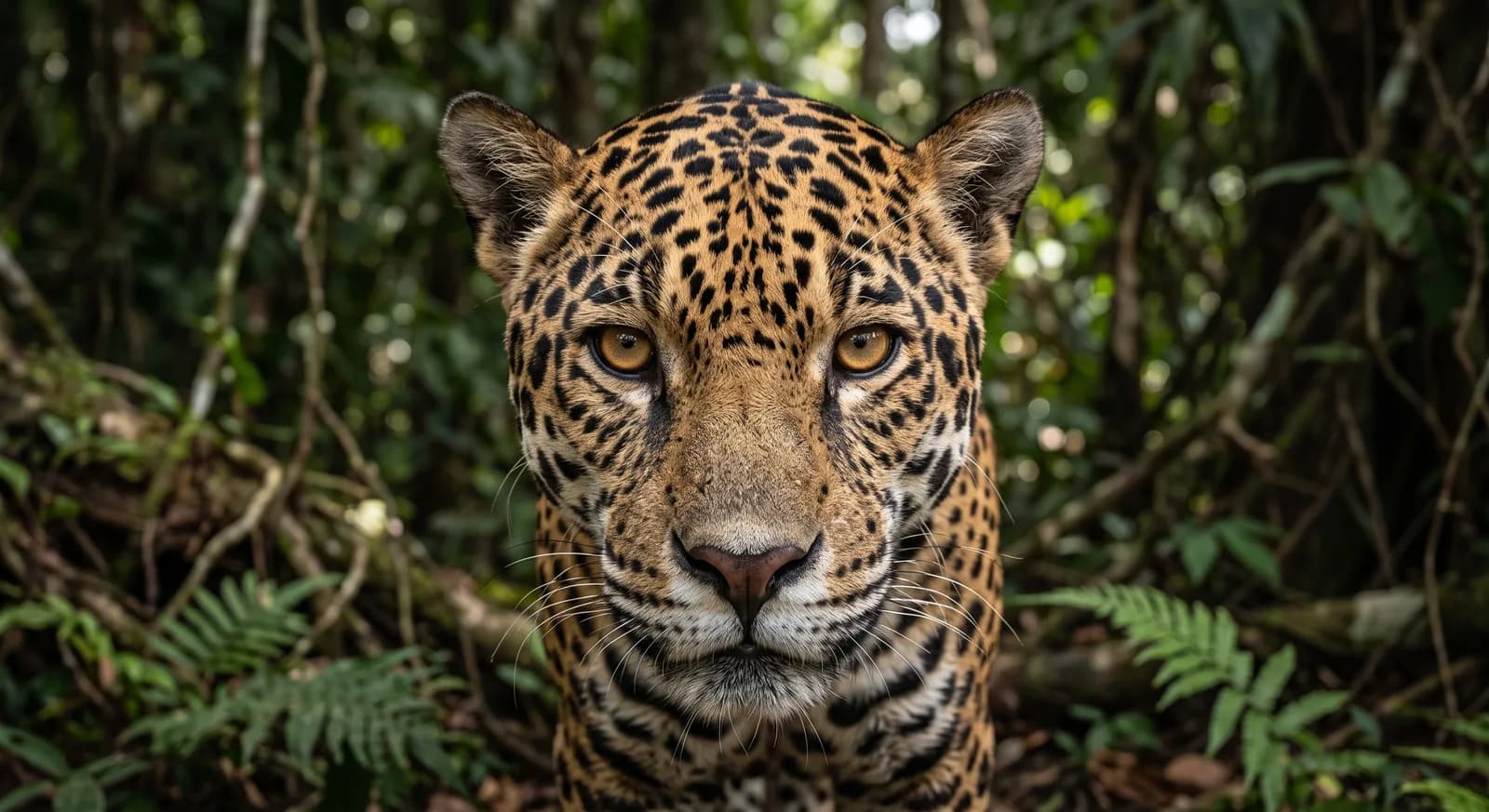 Near Threatened
Jaguar
Panthera onca
Ahora es buena época: Mejor época para avistar jaguares en el Pantanal (Junio a octubre (estación seca))
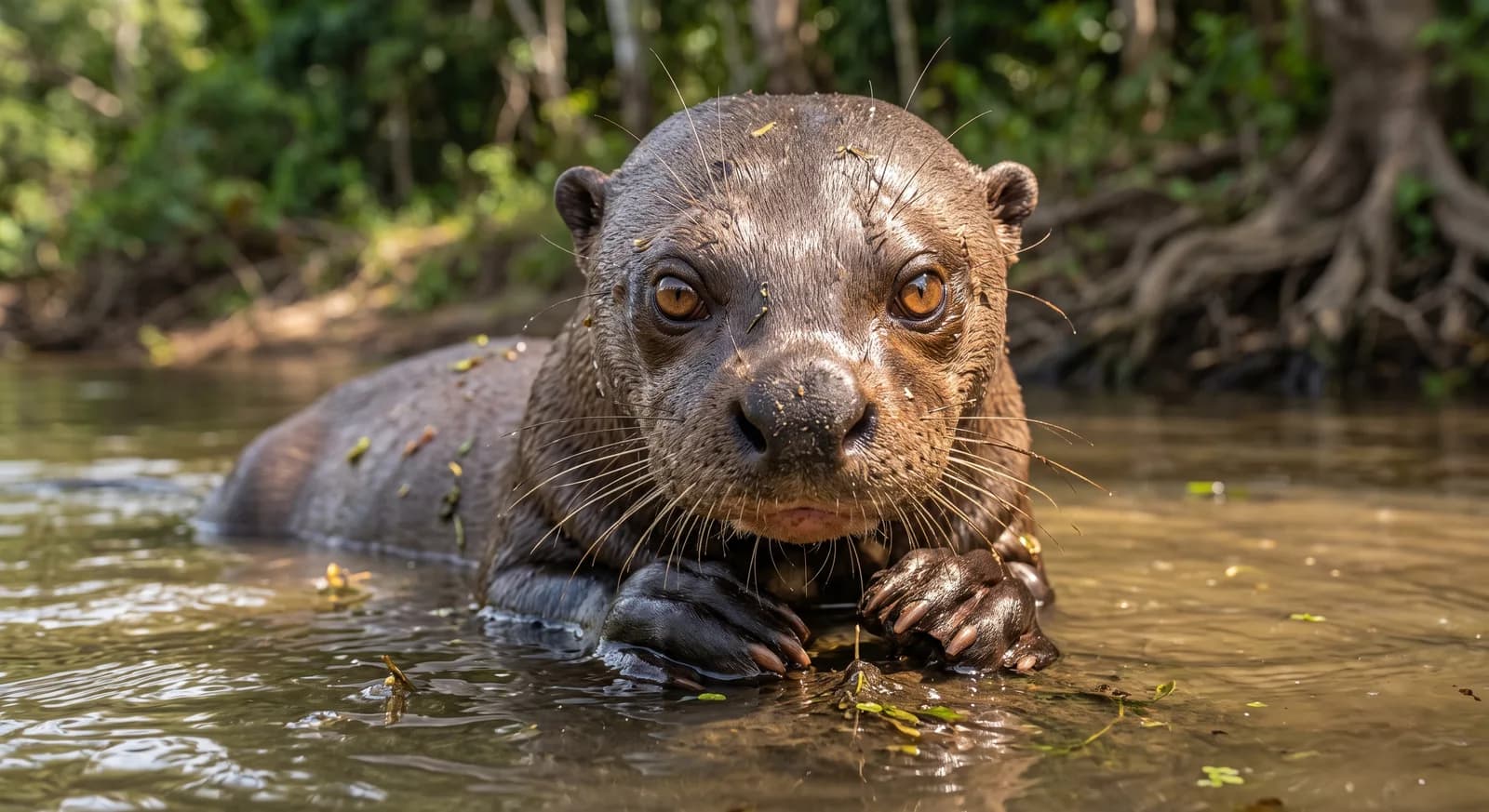 Endangered
Giant Otter
Pteronura brasiliensis
Ahora es buena época: Mejor época para avistar nutrias gigantes en el Pantanal (Junio a septiembre (estación seca))
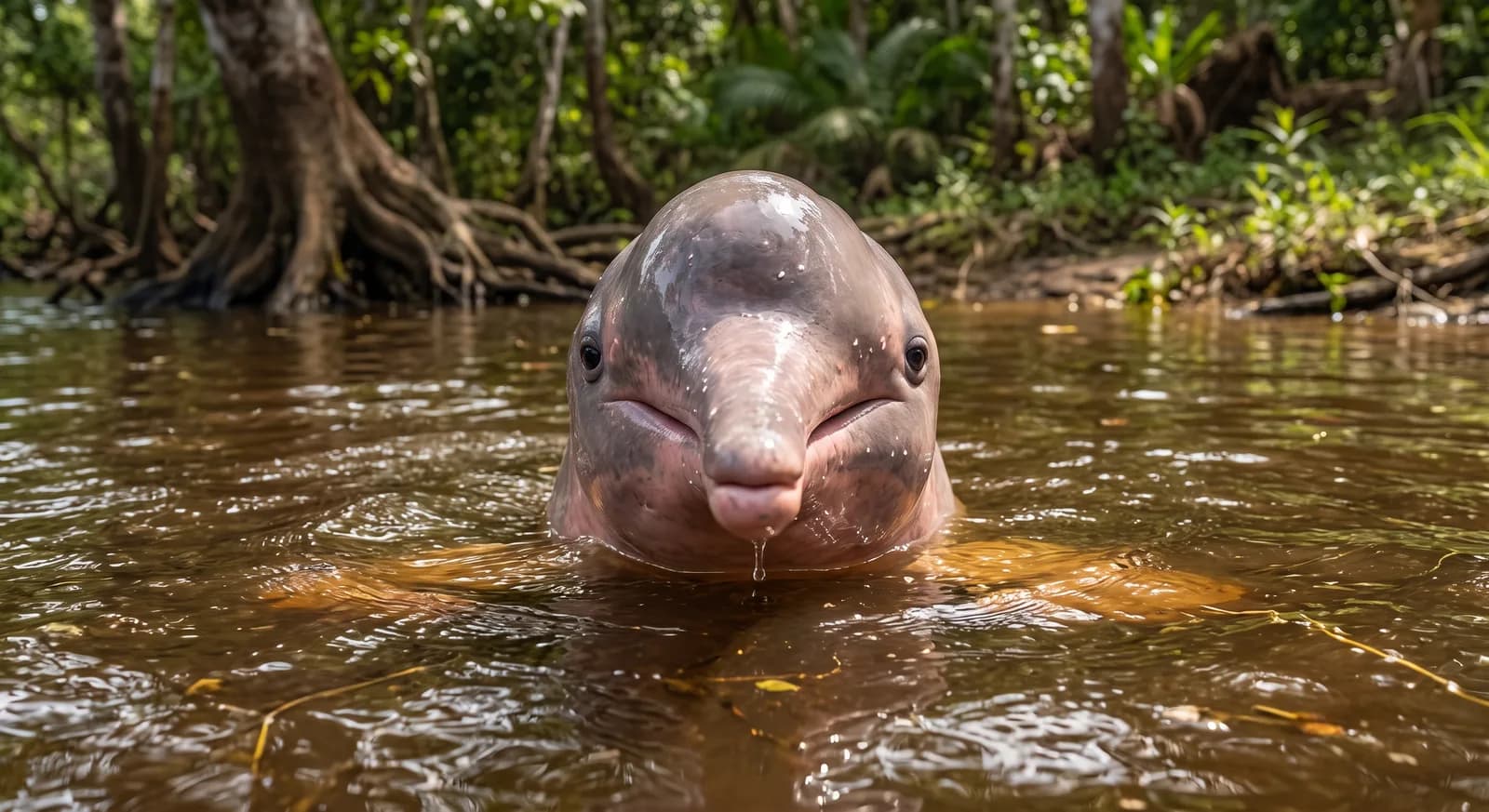 Endangered
Amazon River Dolphin
Inia geoffrensis
Ahora es buena época: Mejor época para avistar delfines rosados del Amazonas (Junio a noviembre (estación de aguas bajas))
Similar parks
Which other parks are like this one?
Chapada dos Veadeiros
Brazil
Maned Wolf · Giant Anteater
Junio a octubre
View parkMismo país: Brazil
Serra da Capivara
Brazil
Tool-using Capuchin Monkey · Giant Anteater
Junio a octubre
View parkMismo país: Brazil
Iguaçu National Park
Brazil
Jaguar · tapir
Junio a octubre
View parkMismo país: Brazil
Amazônia
Brazil
Jaguar · Tapir
Junio a octubre
View parkMismo país: Brazil
Keep exploring
Based on what we already know about Tijuca.
Your rating
How many stars would you give Tijuca?
Comments
Share your experience visiting Tijuca, or a tip for other travellers.
Be the first to comment.