One of the 24 beetles on WAnimals
Insects · Coleoptera · Scarabaeidae
Hercules Beetle
Dynastes hercules
It has not yet been assessed against the IUCN criteria. See full glossary
The Hercules beetle is a scarabaeid beetle, one of the rhinoceros beetles. It lives in the tropical forests, rainforests and equatorial forests of Central and South America. It is one of the largest beetles in existence, since males can reach a total length of more than 17 cm, including their long thoracic horn. It is the largest of the six known species of the genus Dynastes, and only two beetles are larger: Macrodontia cervicornis and Titanus giganteus.
Weight
up to 34 g
Size
up to 18 cm
Lifespan
3 years
Diet
Herbivore
Feeds mainly on plants.
Activity
Nocturnal
Active mainly at night.
Social structure
Solitary
Lives and hunts alone, joining others only to breed.
Sighting difficulty
Unknown
Fun facts
- récordIt can lift objects several times its own body weight, one of the highest strength-to-weight ratios recorded in any animal.
- It is one of the largest beetles in the world: males reach 18 cm counting the horns, while females stay at about 6 cm and have no horns.
- The elytra change colour with humidity: they are yellow or olive when it is dry and black when humidity is high, because water fills pores in the cuticle and changes the refractive index.
- The larva can reach 11 cm and weigh more than 100 g, and spends one to two years feeding on rotten wood before pupating.
- The size of the male's horn depends on how well he fed as a larva, so there are major and minor males.
- It hisses by rubbing its abdomen against the elytra to warn off predators.
Life cycle & biology
- Skeleton type
- Invertebrate - chitin exoskeleton (insect)
- Habitat & environment
- Tropical rainforest and montane forest of Central and South America; the larvae live in rotting wood and the adults shelter among fallen trunks and leaf litter
- Sexual maturity
- Between 15 and 22 months old
- Gestation / incubation
- The eggs incubate for about 28 days
- Litter / clutch size
- Up to 100 eggs per clutch
Sources consulted: https://es.wikipedia.org/wiki/Dynastes_hercules
Where to find it
See its range on the interactive mapWhere to watch it
Parques y spots de buceo donde se ha documentado esta especie — se muestran 10 de 73 documentados.
Related species
Other species in the catalogue with the most in common with Hercules Beetle — same habitat, park, country, tags or family.
Brown-throated Sloth
Bradypus variegatus
Hoffmann's Two-toed Sloth
Choloepus hoffmanni
Southern Two-toed Sloth
Choloepus didactylus
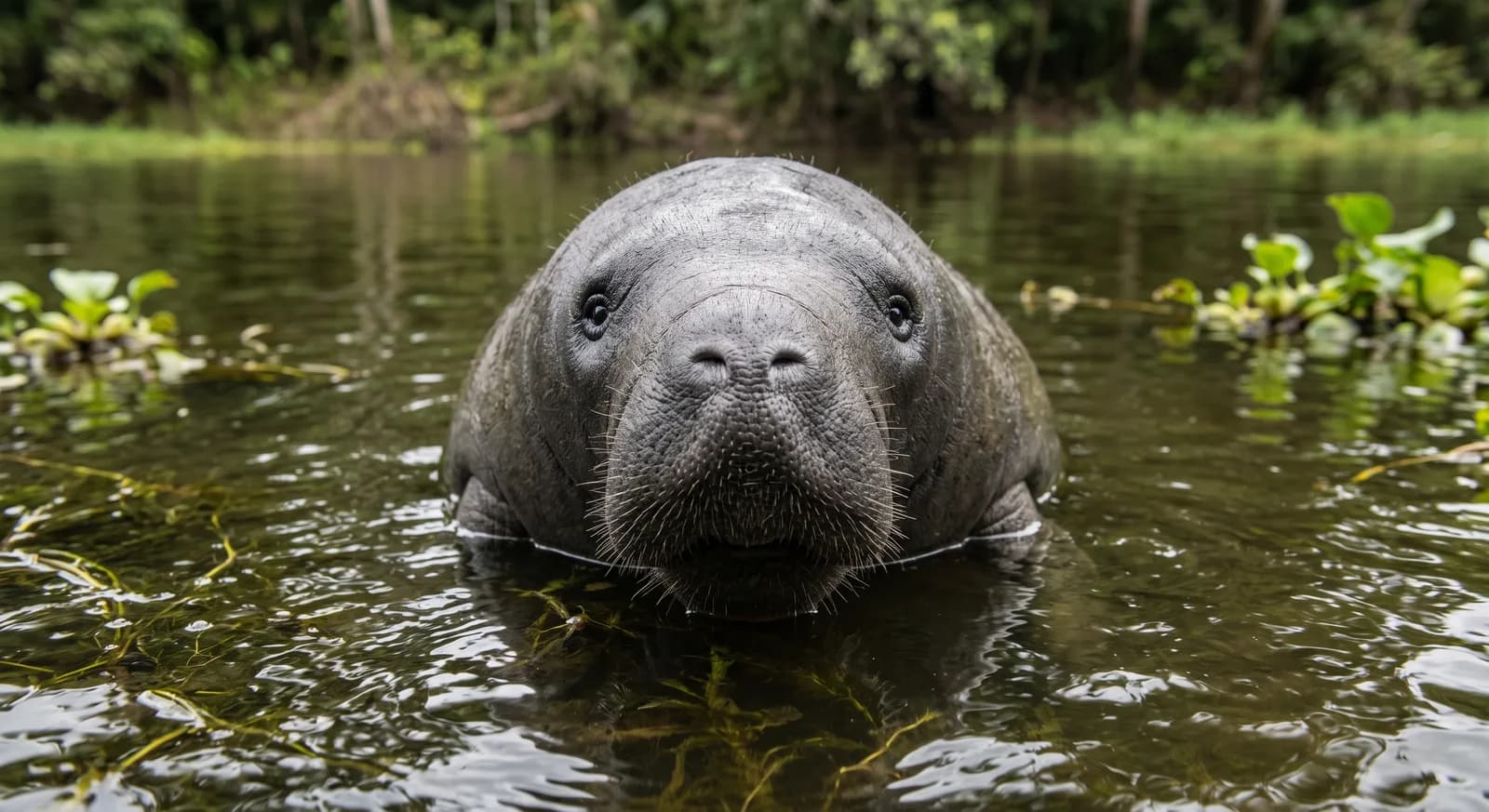 Vulnerable
Amazonian Manatee
Trichechus inunguis
Brazilian Porcupine
Coendou prehensilis
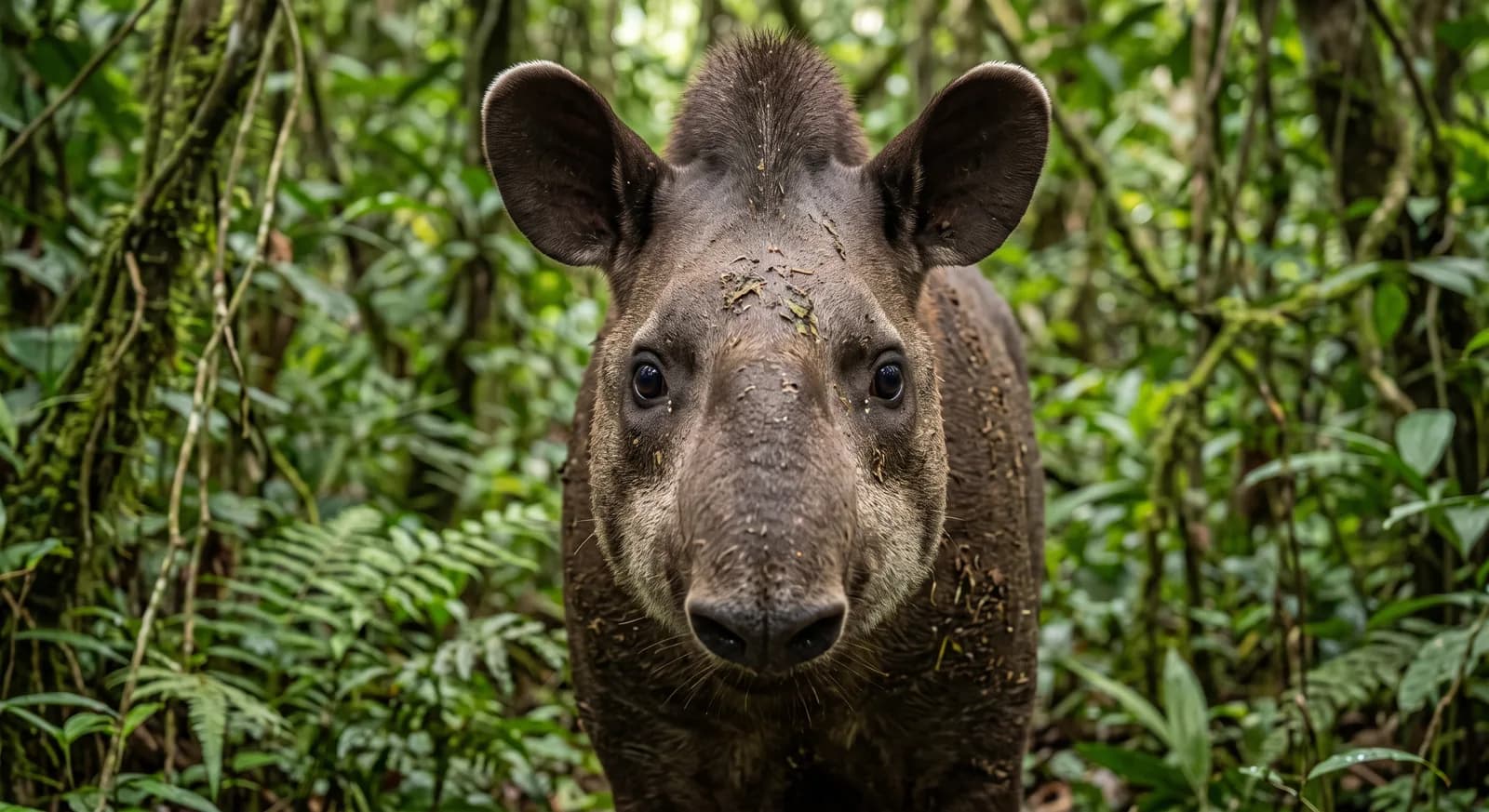 Vulnerable
Lowland Tapir
Tapirus terrestris
Keep exploring
Based on what we already know about hercules beetle.
Comments
Share an experience, a fun fact or a tip for seeing the hercules beetle.
Be the first to comment.