One of the 26 spiders on WAnimals
Arachnids · Araneae · Ctenidae
Amazonian Wandering Spider
Phoneutria fera
It has not yet been assessed against the IUCN criteria. See full glossary
Phoneutria fera is a South American spider of the family Ctenidae, regarded as the most dangerous spider in the world, characterised by the high toxicity of its venom.
Size
3 cm – 5 cm
Diet
Carnivore
Feeds mainly on other animals.
Activity
Nocturnal
Active mainly at night.
Social structure
Solitary
Lives and hunts alone, joining others only to breed.
Sighting difficulty
Unknown
Fun facts
- Faced with a threat it does not flee: it rears up on its hind legs, raises the front pair and shows their reddish inner surface in an unmistakable warning posture.
- Its venom contains peptides being investigated as painkillers and for the treatment of erectile dysfunction.
- The genus frequently stows away in bunches of bananas, which has earned it the name of banana spider and led to unexpected discoveries in greengrocers on other continents.
- It builds no hunting web: it patrols the forest floor by night, hence the name wandering spider.
- Its defensive posture is distinctive: it raises its four front legs, shows its fangs and bristles its spines, turning to keep facing the threat. And it can jump more than thirty centimetres.
- The name banana spider comes from its habit of hiding among banana leaves, which has led it to travel in fruit shipments.
- Its venom contains the neurotoxin PhTx3, a calcium channel blocker, and causes severe pain, sweating, blurred vision and prolonged, painful erections. Deaths are rare.
- That side effect has proved useful: peptides from this venom are being investigated as treatments for erectile dysfunction, and also for chronic pain, glaucoma and Huntington's disease.
Life cycle & biology
- Habitat & environment
- Understorey of the Amazon rainforest; it shelters among leaves and bromeliads
Sources consulted: https://es.wikipedia.org/wiki/Phoneutria_fera
Where to find it
See its range on the interactive mapWhere to watch it
Parques y spots de buceo donde se ha documentado esta especie — se muestran 10 de 54 documentados.
Related species
Other species in the catalogue with the most in common with Amazonian Wandering Spider — same habitat, park, country, tags or family.
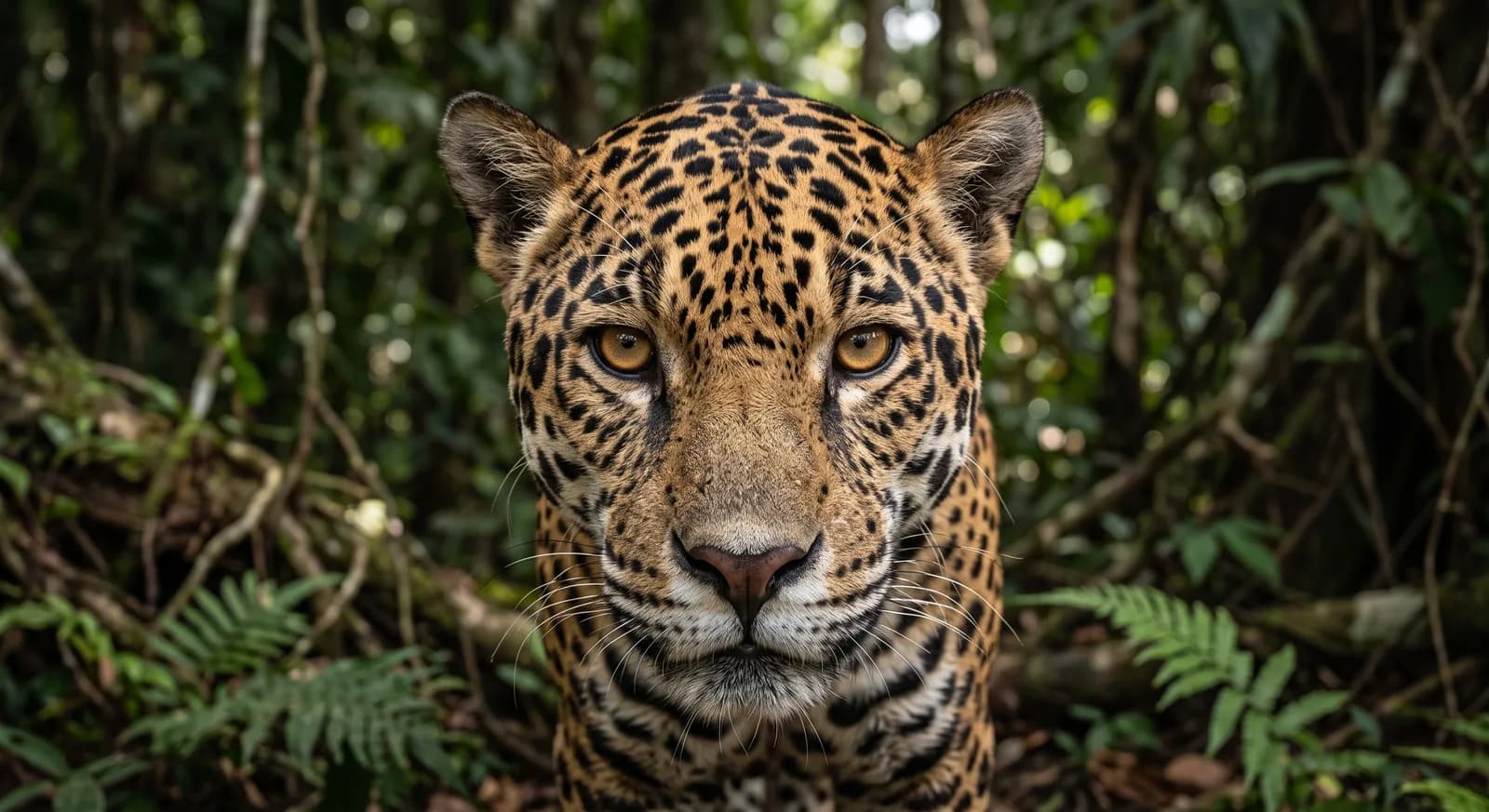 Near Threatened
Jaguar
Panthera onca
Water Opossum
Chironectes minimus
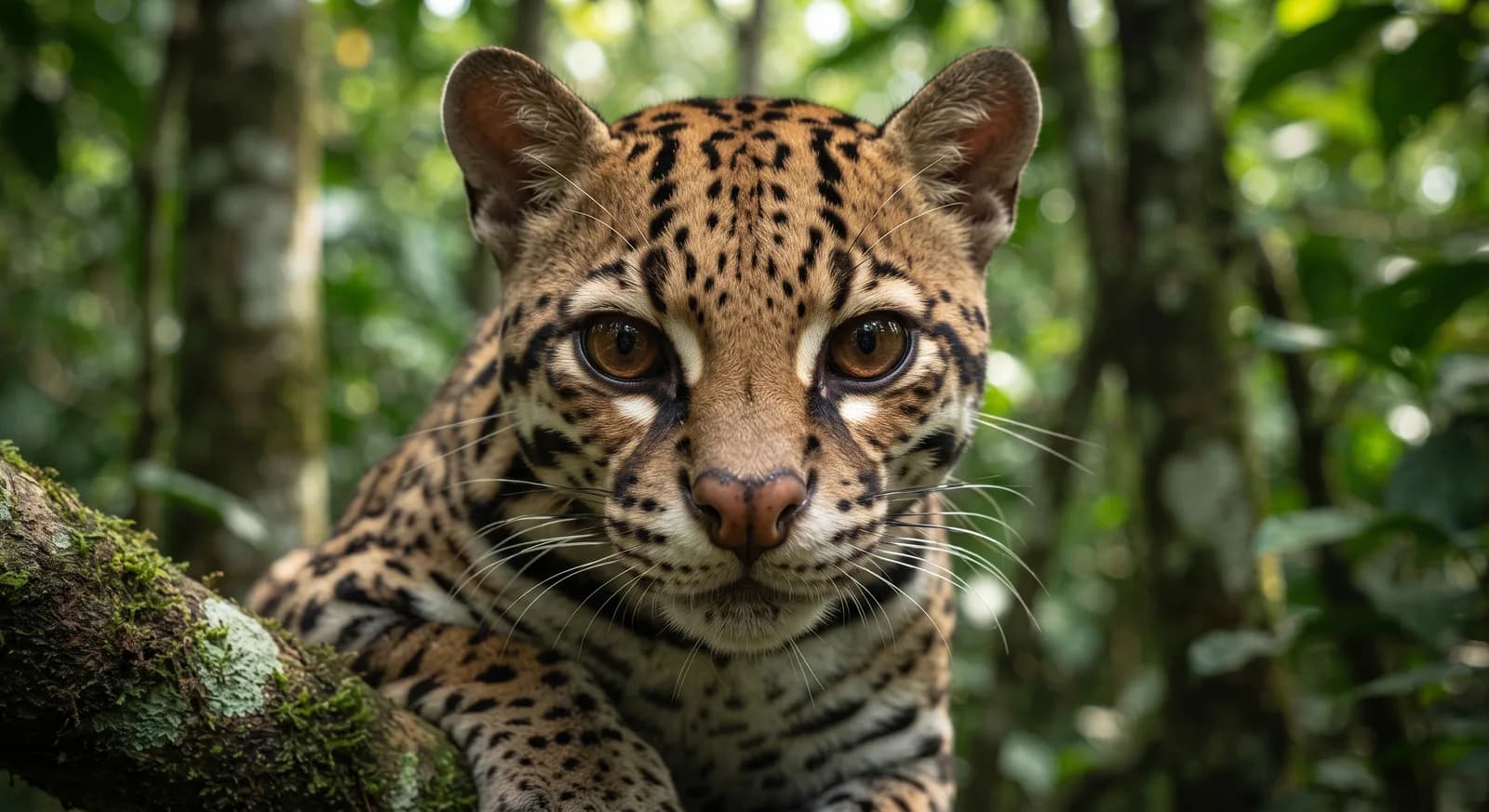 Least Concern
Ocelot
Leopardus pardalis
Dwarf Caiman
Paleosuchus palpebrosus
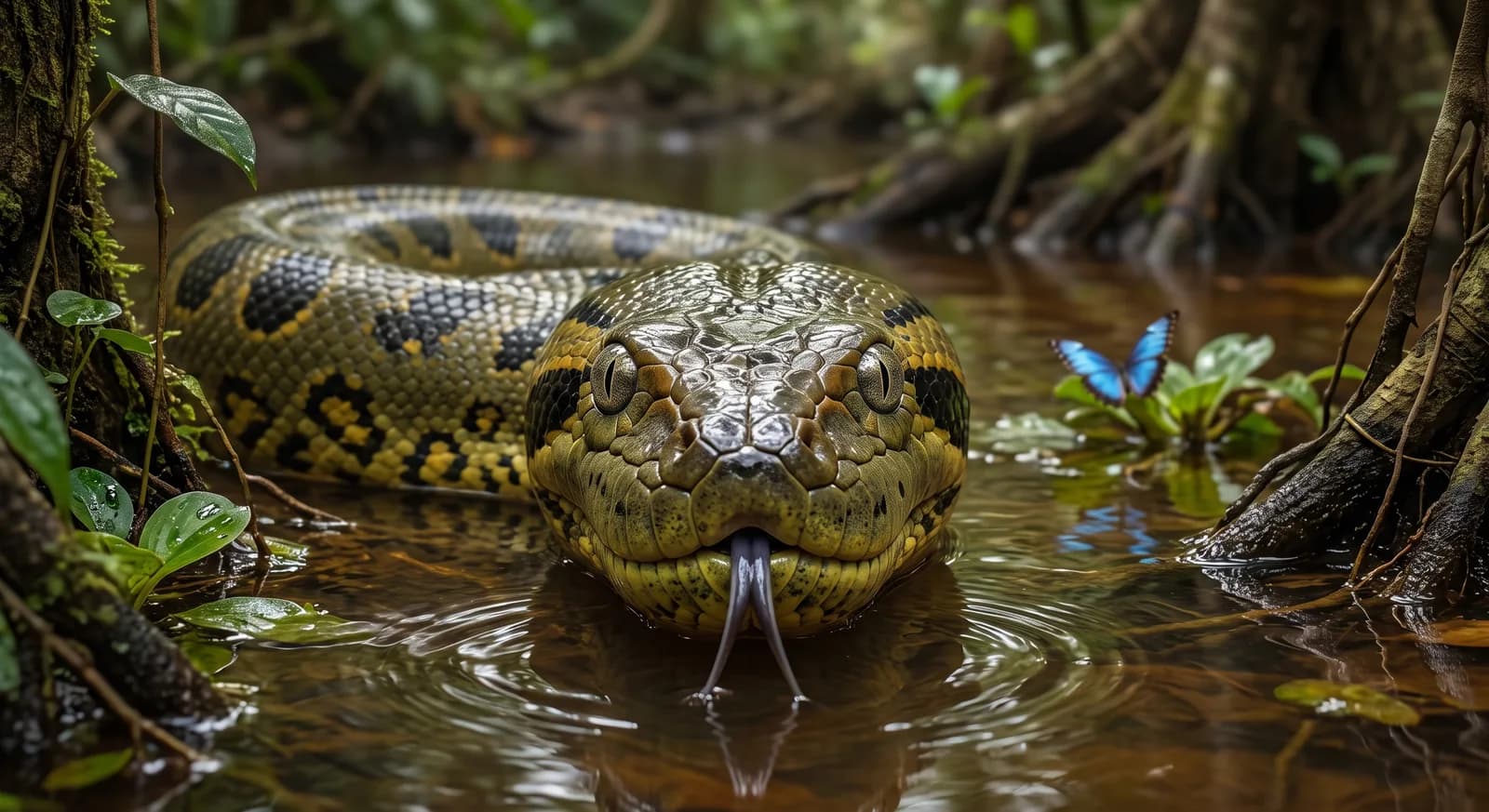 Least Concern
Green Anaconda
Eunectes murinus
Bearded Caecilia
Caecilia tentaculata
Keep exploring
Based on what we already know about amazonian wandering spider.
Comments
Share an experience, a fun fact or a tip for seeing the amazonian wandering spider.
Be the first to comment.