Lungfish · Ceratodontiformes · Ceratodontidae
Queensland Lungfish
Neoceratodus forsteri
It faces a very high risk of extinction in the wild in the near future. See full glossary
The Queensland lungfish is a lungfish of the family Ceratodontidae endemic to Australia, and considered a living fossil since fossil remains of this group from 380 million years ago have been found in the Australian region of New South Wales. It is also known as the Australian lungfish, the barramunda and the Burnett salmon.
Diet
Omnivore
Combines animal and plant food depending on availability.
Activity
Nocturnal
Active mainly at night.
Social structure
Solitary
Lives and hunts alone, joining others only to breed.
Sighting difficulty
Hard
Fun facts
- It is the most primitive lungfish still alive, and the only one that retains a single lung: the African and South American lungfishes have two and are more derived.
- Unlike the African species, it does not aestivate: it makes no mucus cocoon and cannot survive its pool drying out completely, although it can last several days out of water if its skin stays damp.
- It is protected under CITES, and only one authorised commercial operation breeds it.
- Its natural range is tiny: two river systems in south-east Queensland, which explains its Endangered status.
- The most famous individual, nicknamed Granddad, lived at the Shedd Aquarium in Chicago from 1933 to 2017 and was the oldest zoo animal in the world.
Life cycle & biology
- Habitat & environment
- Pools of the Mary and Burnett rivers, in south-east Queensland; it is sedentary and its home range rarely extends beyond a pool or two adjoining
Sources consulted: https://en.wikipedia.org/wiki/Australian_lungfish
Where to watch it
Parks and dive sites where this species has been documented.
Related species
Other species in the catalogue with the most in common with Queensland Lungfish — same habitat, park, country, tags or family.
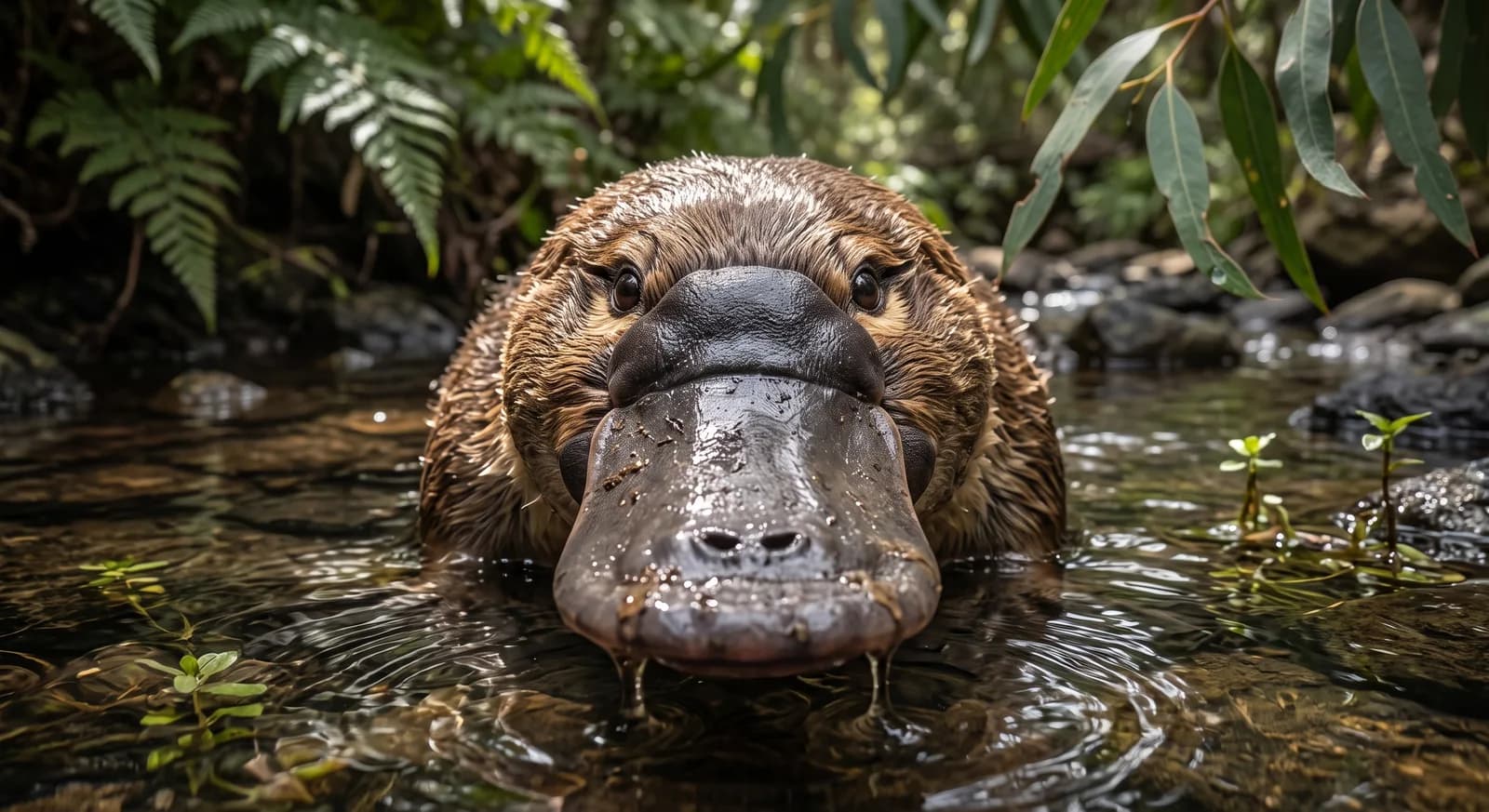 Near Threatened
Platypus
Ornithorhynchus anatinus
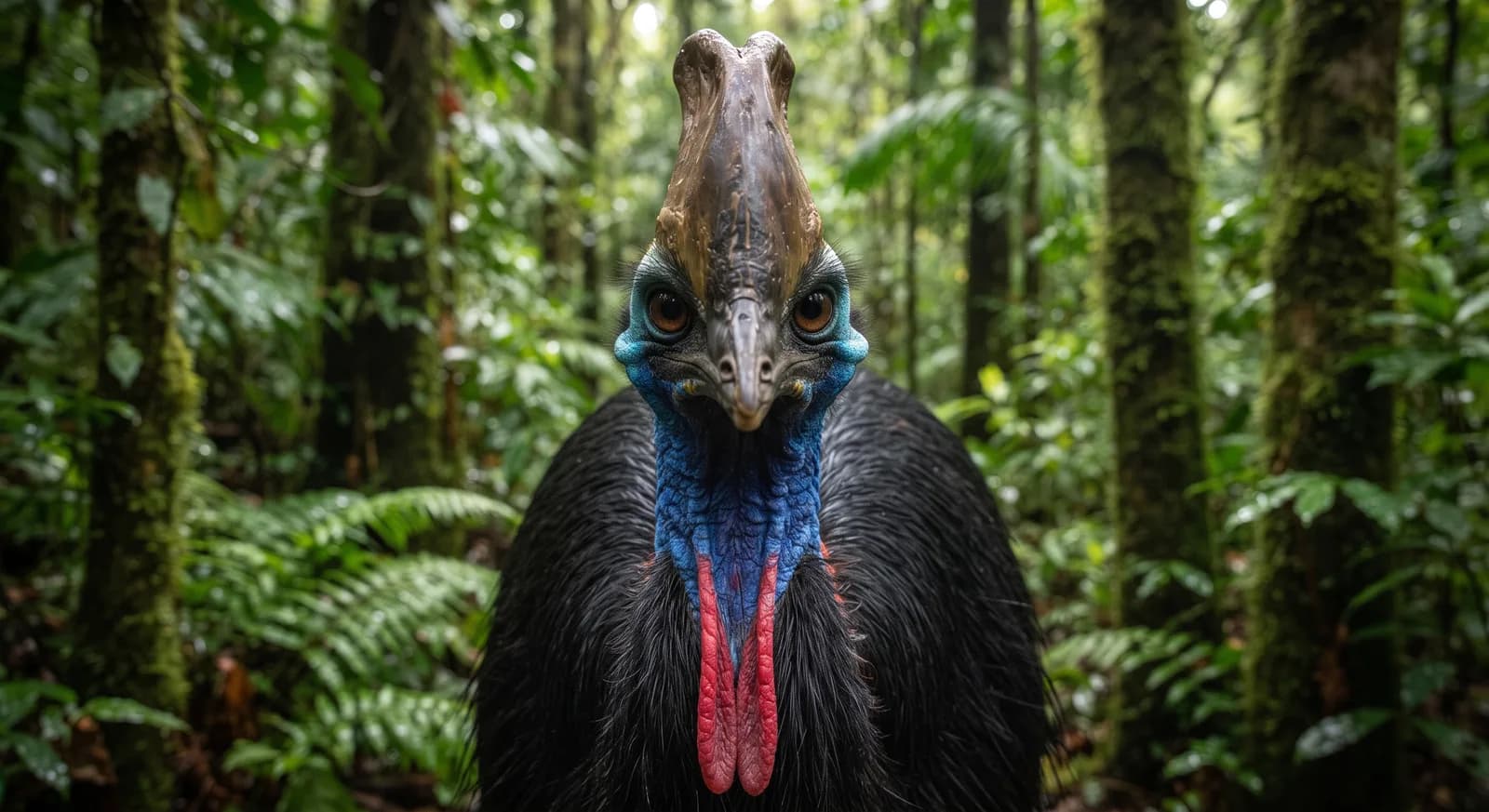 Endangered
Southern Cassowary
Casuarius casuarius
Greater Glider
Petauroides volans
Eastern Water Dragon
Intellagama lesueurii
Long-nosed Bandicoot
Perameles nasuta
Common Brush-tailed Possum
Trichosurus vulpecula
How to help
The queensland lungfish is classified as endangered. Organizations such as UICN, WWF y Wildlife Conservation Society work specifically on its conservation and that of its habitat; looking into their programs is a good starting point if you want to get involved.
It's documented in 3 real protected areas — part of why protecting these places matters for its conservation.
Keep exploring
Based on what we already know about queensland lungfish.
Comments
Share an experience, a fun fact or a tip for seeing the queensland lungfish.
Be the first to comment.