One of the 17 toads on WAnimals
Amphibians · Anura · Pipidae
Surinam Toad
Pipa pipa
The species is abundant and widely distributed; it faces no significant short-term risk. See full glossary
It has one of the most extraordinary breeding systems in the animal kingdom: the female releases eggs that become embedded in the skin of her back, where they develop until they emerge as fully formed frogs.
Weight
100 g – 160 g
Size
up to 20 cm
Lifespan
8 years
Diet
Carnivore
Feeds mainly on other animals.
Activity
Nocturnal
Active mainly at night.
Social structure
Solitary
Lives and hunts alone, joining others only to breed.
Sighting difficulty
Easy
Fun facts
- While mating, the pair turn acrobatic somersaults in the water as the eggs are fertilised.
- It never goes through a free-swimming tadpole stage: the young emerge straight from their mother's back.
- It catches small aquatic vertebrates and invertebrates by suction.
- reproducciónFemales incubate the eggs in small pockets in the skin of their backs, from which the young emerge fully formed.
Life cycle & biology
- Skeleton type
- Vertebrate - internal bony skeleton (amphibian)
- Habitat & environment
- Murky, swampy, low-oxygen fresh water of the Amazon basin and the Guianas
- Birth weight
- The larva develops entirely inside cells on the mother's back, with no free tadpole stage
- Size at birth
- Under 2 cm long as it emerges from its mother's back, already a miniature adult
- Sexual maturity
- ~3 years
- Gestation / incubation
- 80-105 days (12-20 weeks) developing embedded in the skin of the mother's back
- Litter / clutch size
- 60 to 100 eggs per clutch, each embedded in a cell in the skin of the female's back
- Lifespan in captivity
- Documented record of up to 7.7 years in captivity
Sources consulted: Flickr (CAS Docents); UWI Life Sciences (Pipa pipa profile); Animal Diversity Web; Britannica; AnAge (genomics.senescence.info); Reptile Apartment; Mary Bates Science Writer; Wikipedia (Common Surinam toad); USGS NAS Species Profile
Where to find it
See its range on the interactive mapBest time: All year round in backwaters and turbid water of Amazonia and the Guianas, at night; its dead-leaf appearance makes it almost impossible to pick out from the bottom.
Where to watch it
Parques y spots de buceo donde se ha documentado esta especie — se muestran 10 de 26 documentados.
Related species
Other species in the catalogue with the most in common with Surinam Toad — same habitat, park, country, tags or family.
Water Opossum
Chironectes minimus
 Least Concern
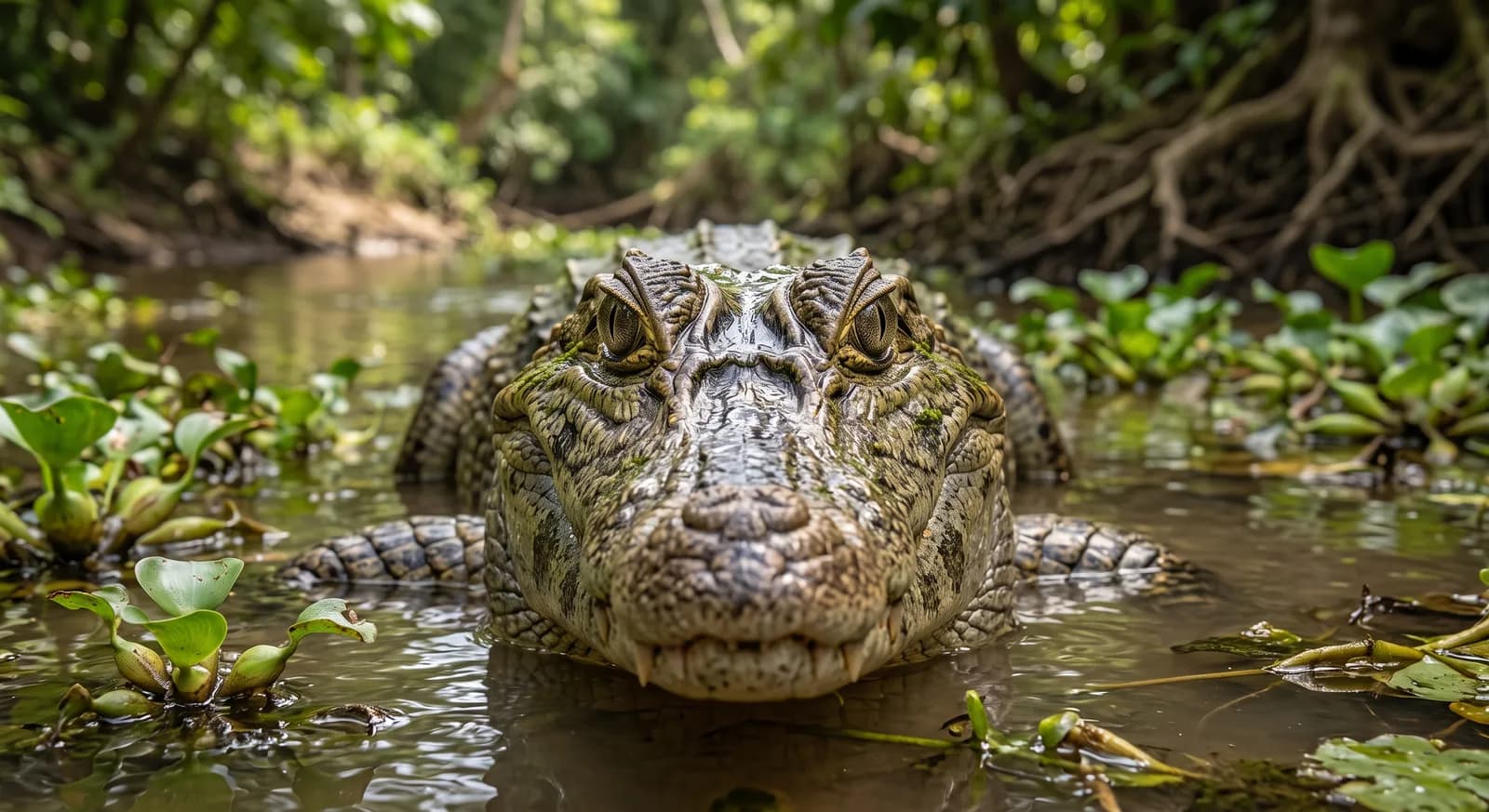
Spectacled Caiman
Caiman crocodilus
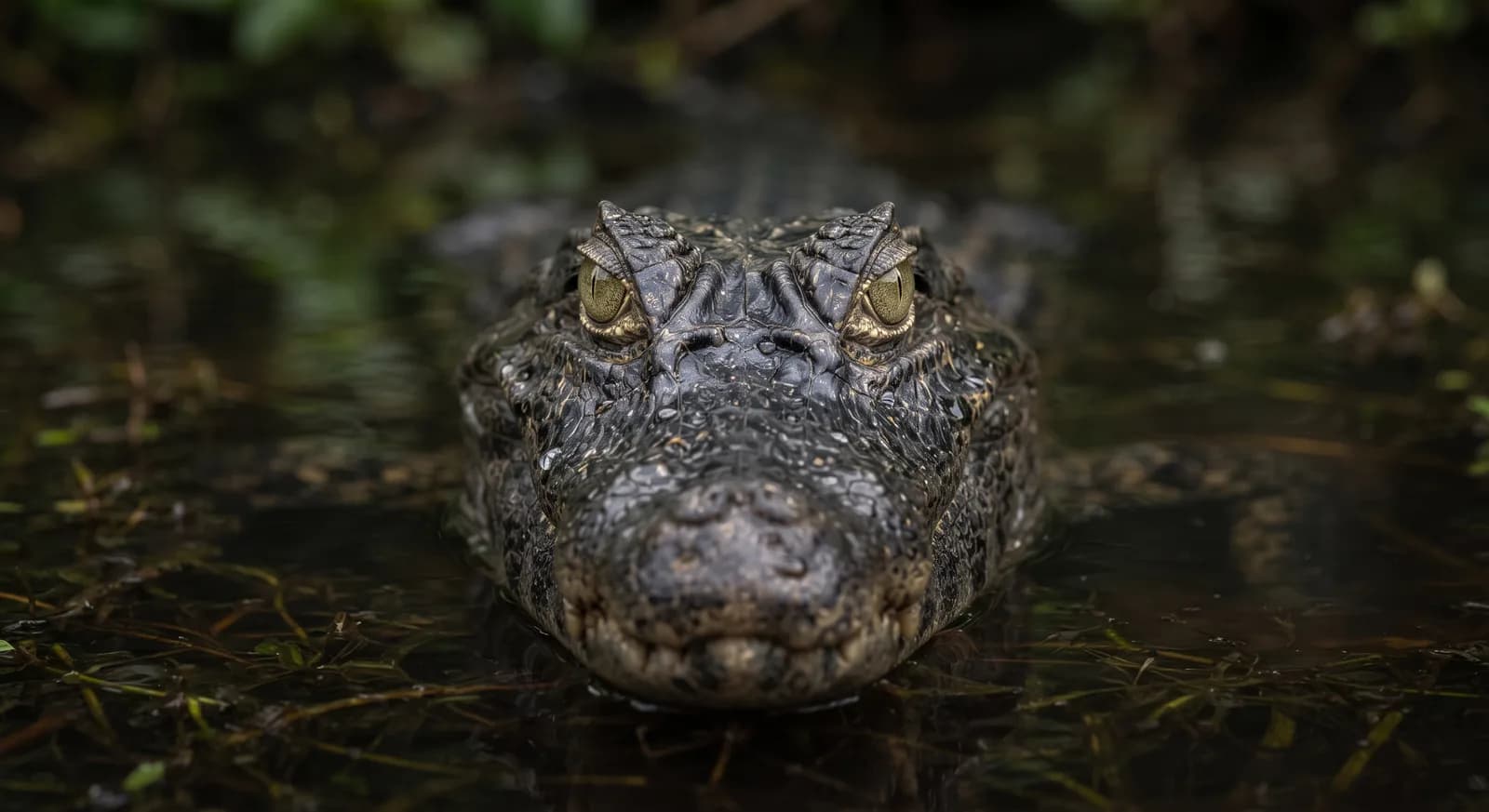 Least Concern
Black Caiman
Melanosuchus niger
Dwarf Caiman
Paleosuchus palpebrosus
 Least Concern
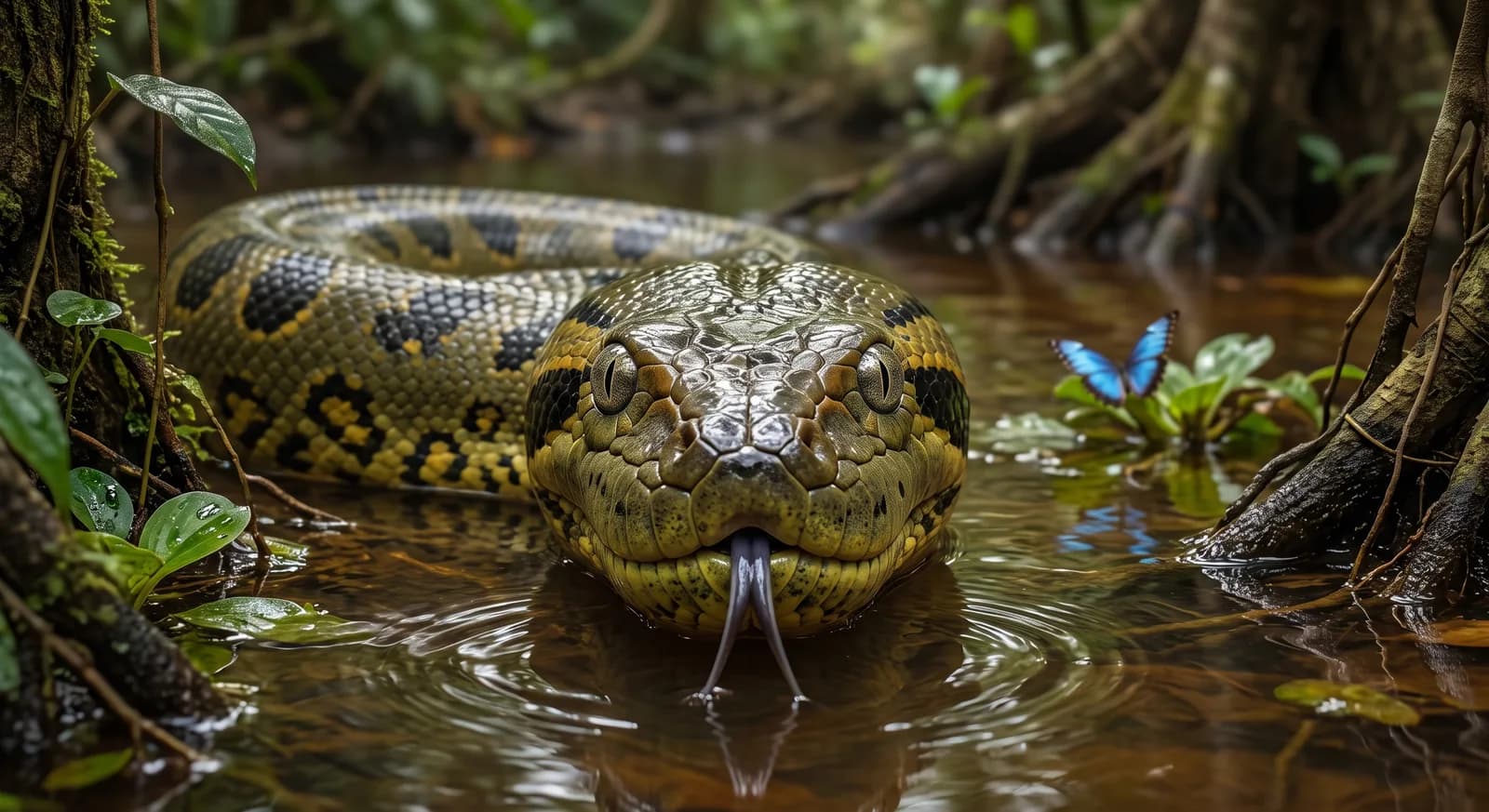
Green Anaconda
Eunectes murinus
Yellow Anaconda
Eunectes notaeus
Keep exploring
Based on what we already know about surinam toad.
Comments
Share an experience, a fun fact or a tip for seeing the surinam toad.
Be the first to comment.