One of the 5 moles on WAnimals
Mammals · Afrosoricida · Chrysochloridae
Cape Golden Mole
Chrysochloris asiatica
The species is abundant and widely distributed; it faces no significant short-term risk. See full glossary
The Cape golden mole is a small insectivorous mammal of the family Chrysochloridae, the golden moles. The species is a solitary subterranean insectivore, confined to the coastal regions of the south-western and southern Cape in South Africa. When searching for small soil invertebrates and small lizards, these golden moles dig shallow burrows using their conical nose shield and their highly modified front legs. Females are smaller than males. Golden moles have a very dense, soft, silky coat. The coats range from blackish to slate grey and from brown to pale tawny. They have also been observed venturing onto sandy beaches, presumably to feed on the amphipods and isopods found there.
Weight
30 g – 80 g
Size
9 cm – 12 cm
Lifespan
4 years
Diet
Insectivore
Feeds mainly on insects and other invertebrates.
Activity
Nocturnal
Active mainly at night.
Social structure
Solitary
Lives and hunts alone, joining others only to breed.
Sighting difficulty
Easy
Fun facts
- Its fur has a greenish or bronze metallic sheen, unique among mammals, that comes not from pigment but from the layered structure of each hair, just as in the wing cases of some beetles.
- It detects prey through vibrations in the soil thanks to an enormously enlarged malleus in the middle ear, which amplifies the rumble of termites on the move.
Life cycle & biology
- Skeleton type
- Vertebrate - internal bony skeleton (mammal)
- Habitat & environment
- Sandy soils of fynbos, coastal scrub, dunes and gardens of the Cape region
- Litter / clutch size
- 2
Sources consulted: https://es.wikipedia.org/wiki/Chrysochloris_asiatica
Where to find it
See its range on the interactive mapWhere to watch it
Parks and dive sites where this species has been documented.
Related species
Other species in the catalogue with the most in common with Cape Golden Mole — same habitat, park, country, tags or family.
 Least Concern
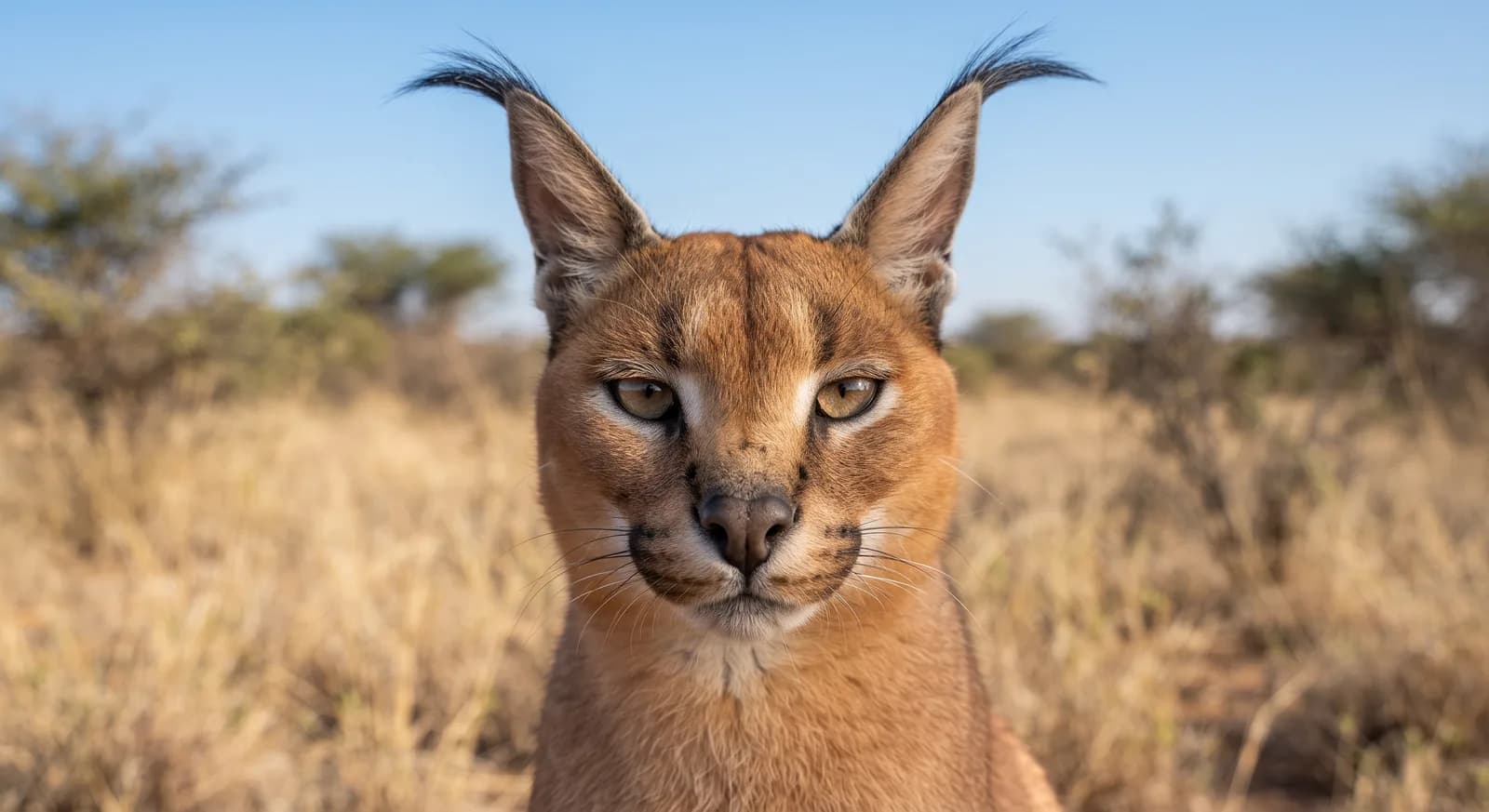
Caracal
Caracal caracal
Bushveld Rain Frog
Breviceps adspersus
Puff Adder
Bitis arietans
Rhombic Egg Eater
Dasypeltis scabra
Snoring Puddle Frog
Phrynobatrachus natalensis
Cape Cobra
Naja nivea
Keep exploring
Based on what we already know about cape golden mole.
Comments
Share an experience, a fun fact or a tip for seeing the cape golden mole.
Be the first to comment.