Birds · Galliformes · Phasianidae
Western Tragopan
Tragopan melanocephalus
It faces a high risk of extinction in the wild over the medium term. See full glossary
The western tragopan is a pheasant of the western Himalaya, black spangled with white spots ringed in red. The male has an extraordinary courtship display: he unfurls a fleshy blue and red lappet that hangs from his throat and raises two fleshy blue horns from his head, both hidden the rest of the time. It is the state bird of Himachal Pradesh and is threatened by logging and hunting.
Weight
1.3 kg – 2 kg
Size
55 cm – 73 cm
Lifespan
15 years
Diet
Herbivore
Feeds mainly on plants.
Activity
Diurnal
Active mainly during the day.
Social structure
In pairs
Usually lives in pairs, sometimes for life.
Sighting difficulty
Moderate
Estimated population
Fewer than 3,000 mature individuals
Fun facts
- The male conceals two fleshy blue horns on his head and an unfurling blue and scarlet lappet at his throat: both appear suddenly in courtship and vanish completely for the rest of the year.
- It is the state bird of Himachal Pradesh, and in local culture its plumage has traditionally been used in ceremonial headdresses, a practice that now contributes to its decline.
- Unlike almost all pheasants it nests in trees: it takes over the abandoned nests of other birds instead of laying on the ground.
Life cycle & biology
- Skeleton type
- Vertebrate - internal bony skeleton (bird)
- Habitat & environment
- Temperate coniferous and broadleaf forest of the western Himalaya, between 2,400 and 3,600 metres
- Sexual maturity
- 2 years
- Gestation / incubation
- 28 days of incubation
- Litter / clutch size
- 4 eggs
Sources consulted: https://es.wikipedia.org/wiki/Tragopan_melanocephalus
Where to find it
See its range on the interactive mapWhere to watch it
Parks and dive sites where this species has been documented.
Related species
Other species in the catalogue with the most in common with Western Tragopan — same habitat, park, country, tags or family.
Black Grouse
Lyrurus tetrix
Golden Pheasant
Chrysolophus pictus
 Least Concern
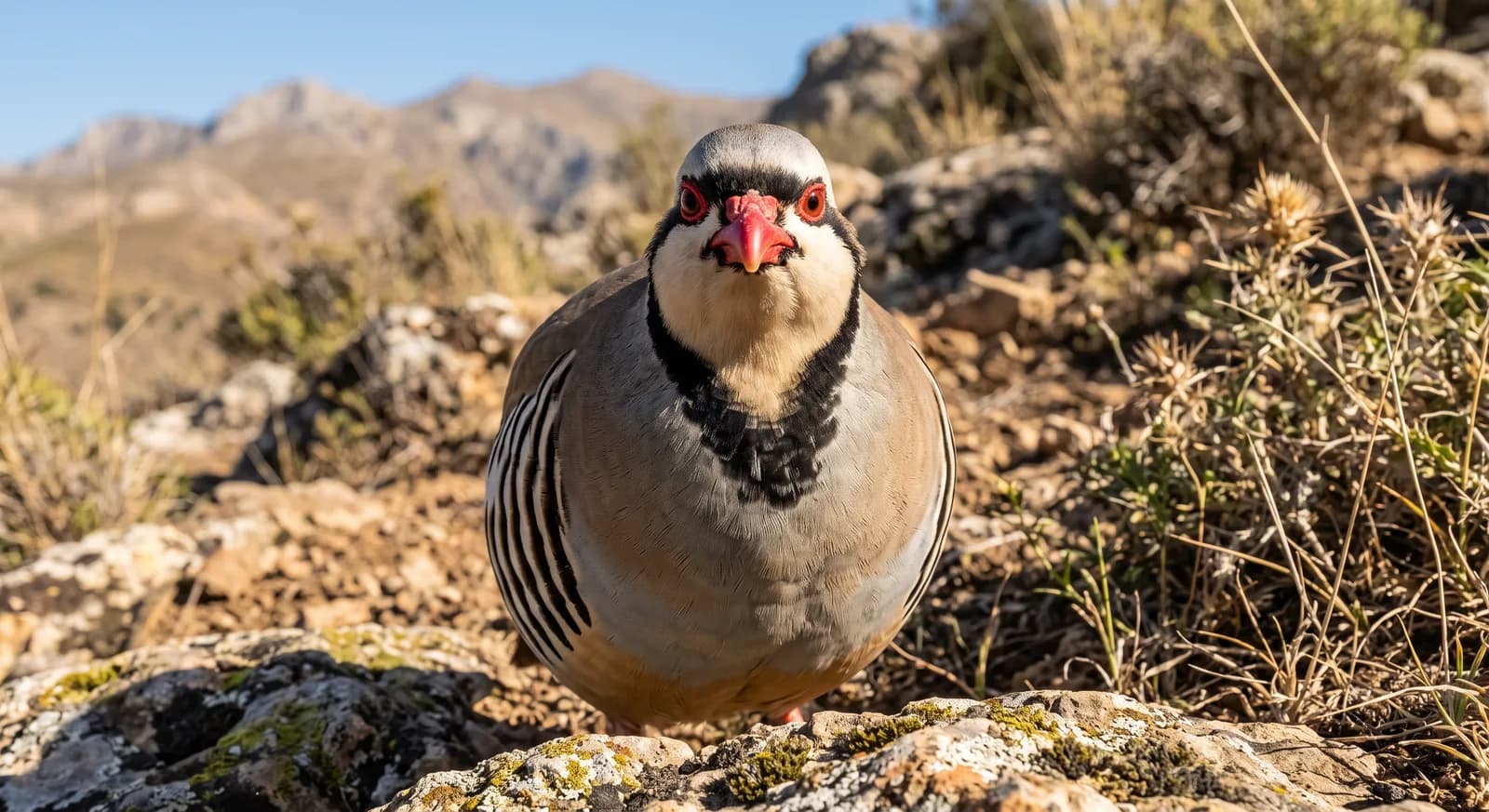
Chukar
Alectoris chukar
 Least Concern
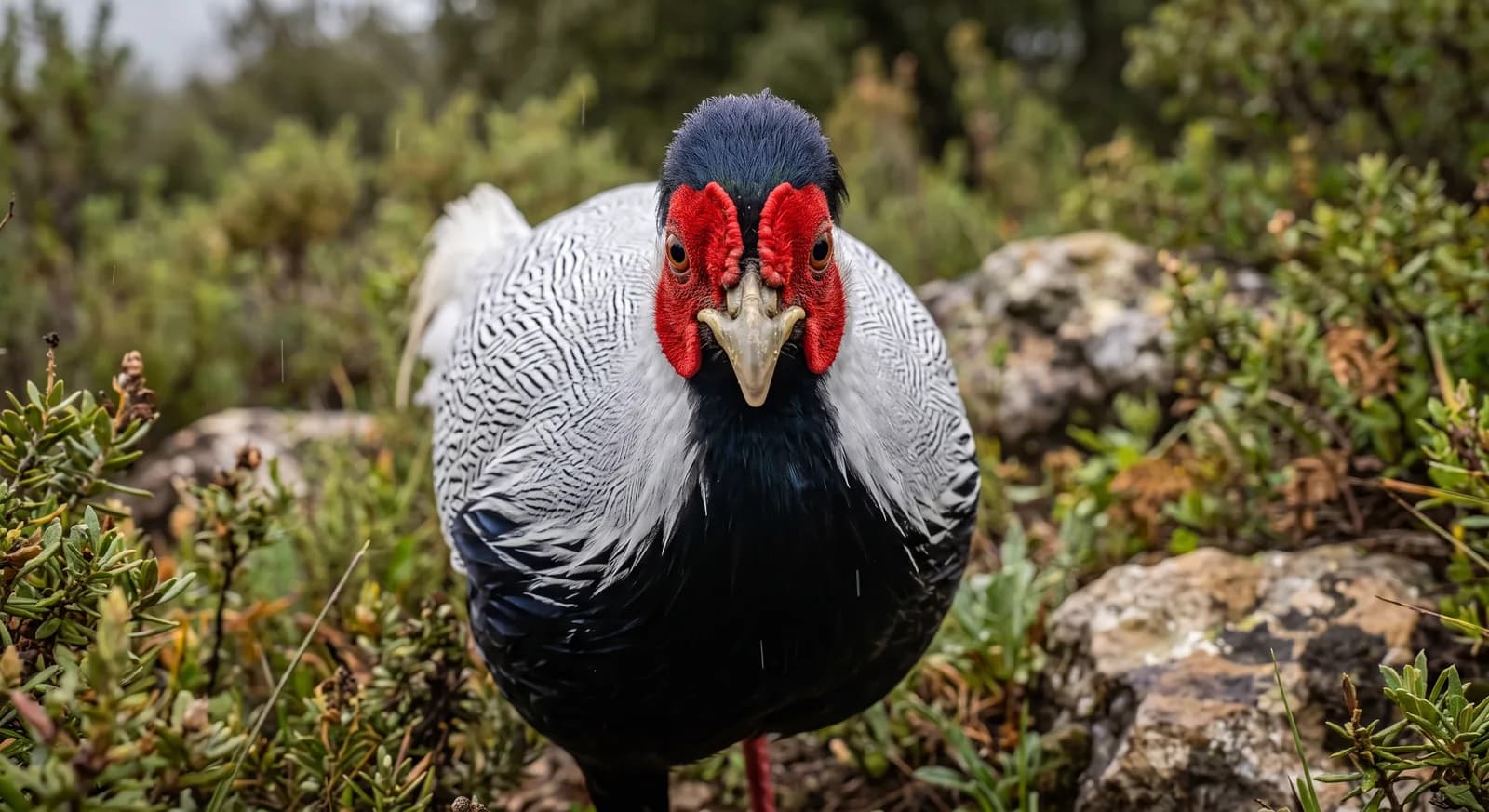
Silver Pheasant
Lophura nycthemera
 Least Concern
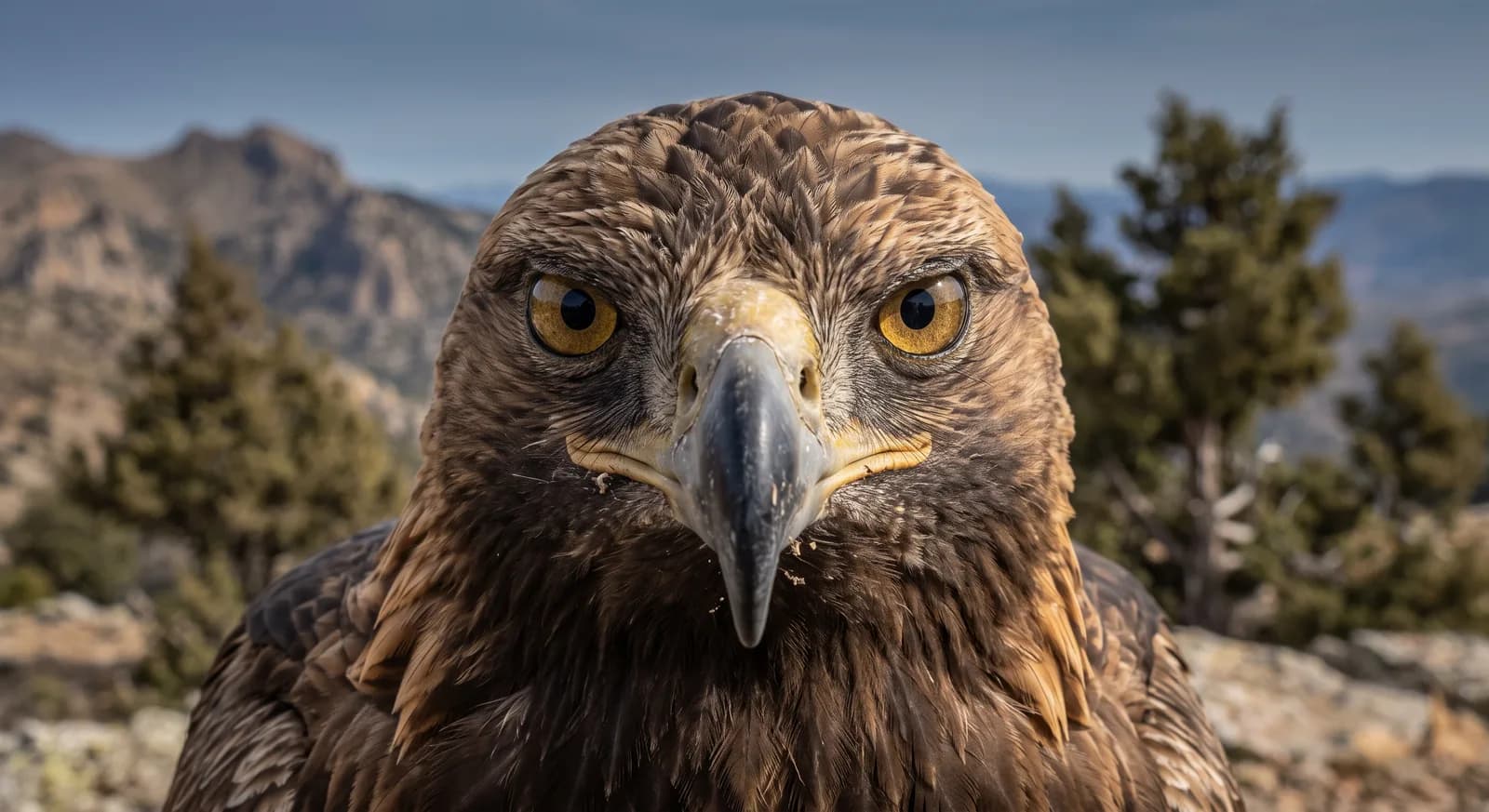
Golden Eagle
Aquila chrysaetos
 Vulnerable
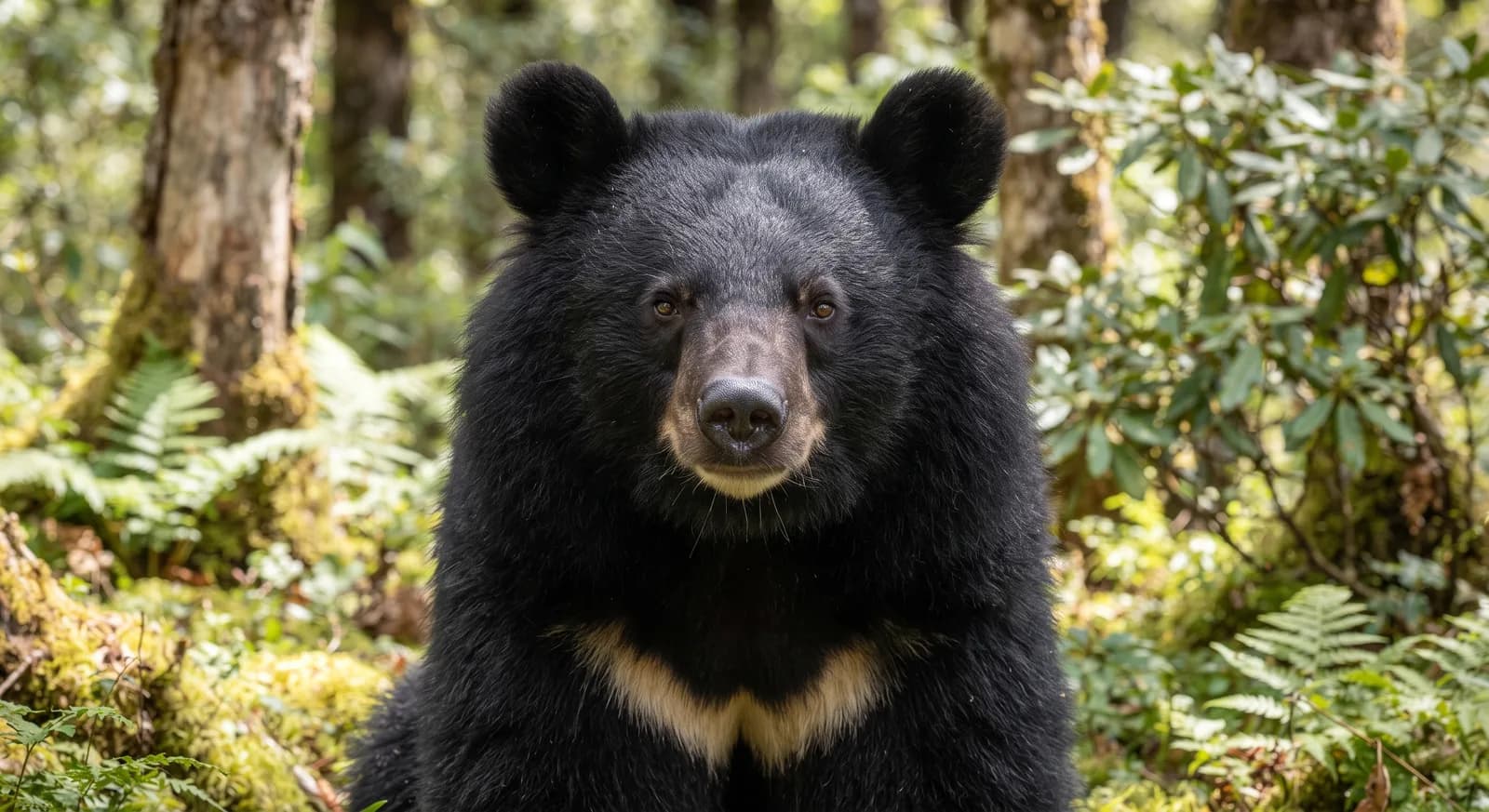
Asiatic Black Bear
Ursus thibetanus
How to help
The western tragopan is classified as vulnerable. Organizations such as UICN, WWF y Wildlife Conservation Society work specifically on its conservation and that of its habitat; looking into their programs is a good starting point if you want to get involved.
It's documented in 4 real protected areas — part of why protecting these places matters for its conservation.
Keep exploring
Based on what we already know about western tragopan.
Comments
Share an experience, a fun fact or a tip for seeing the western tragopan.
Be the first to comment.