Vatican City
Europa
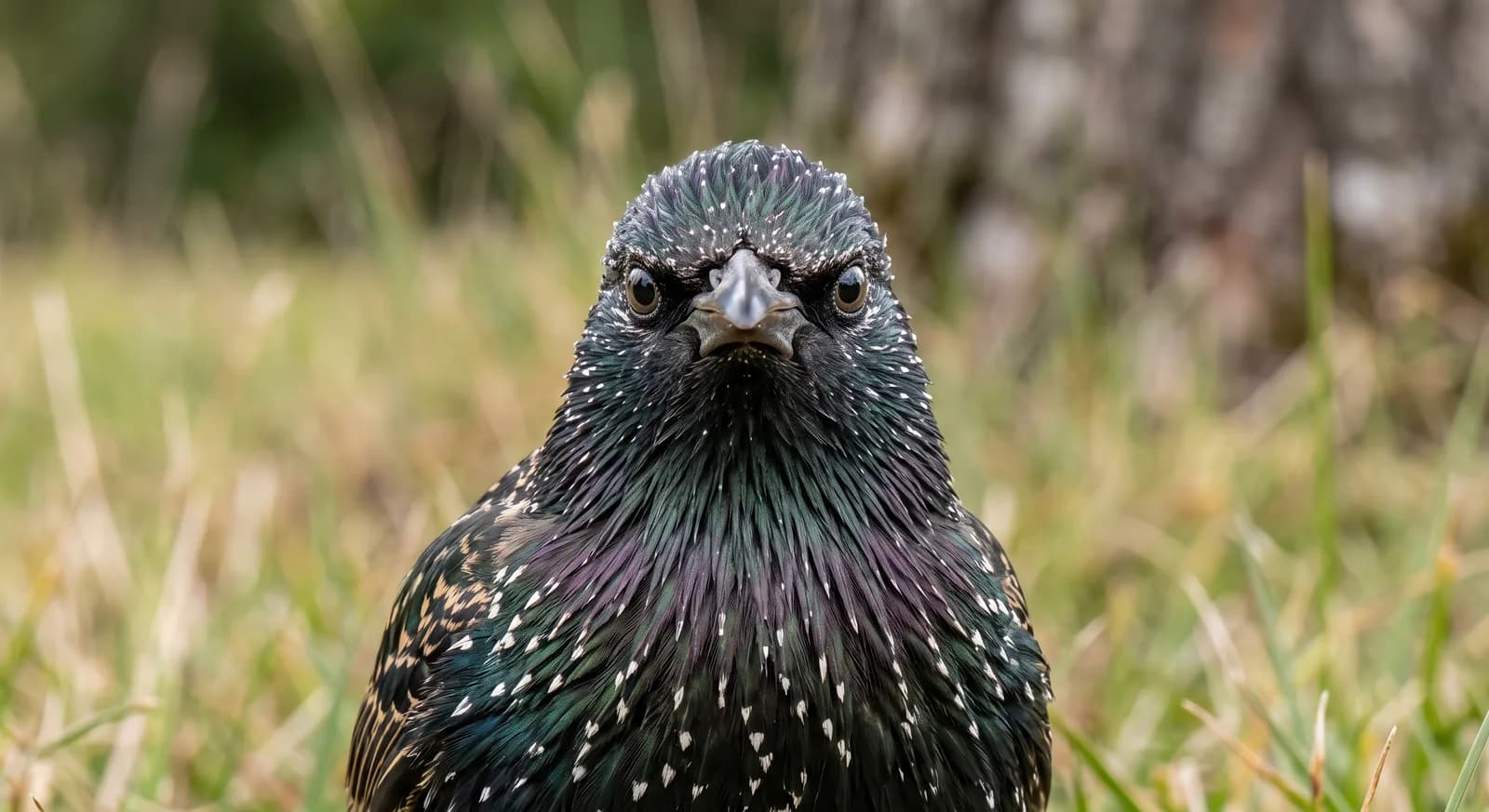
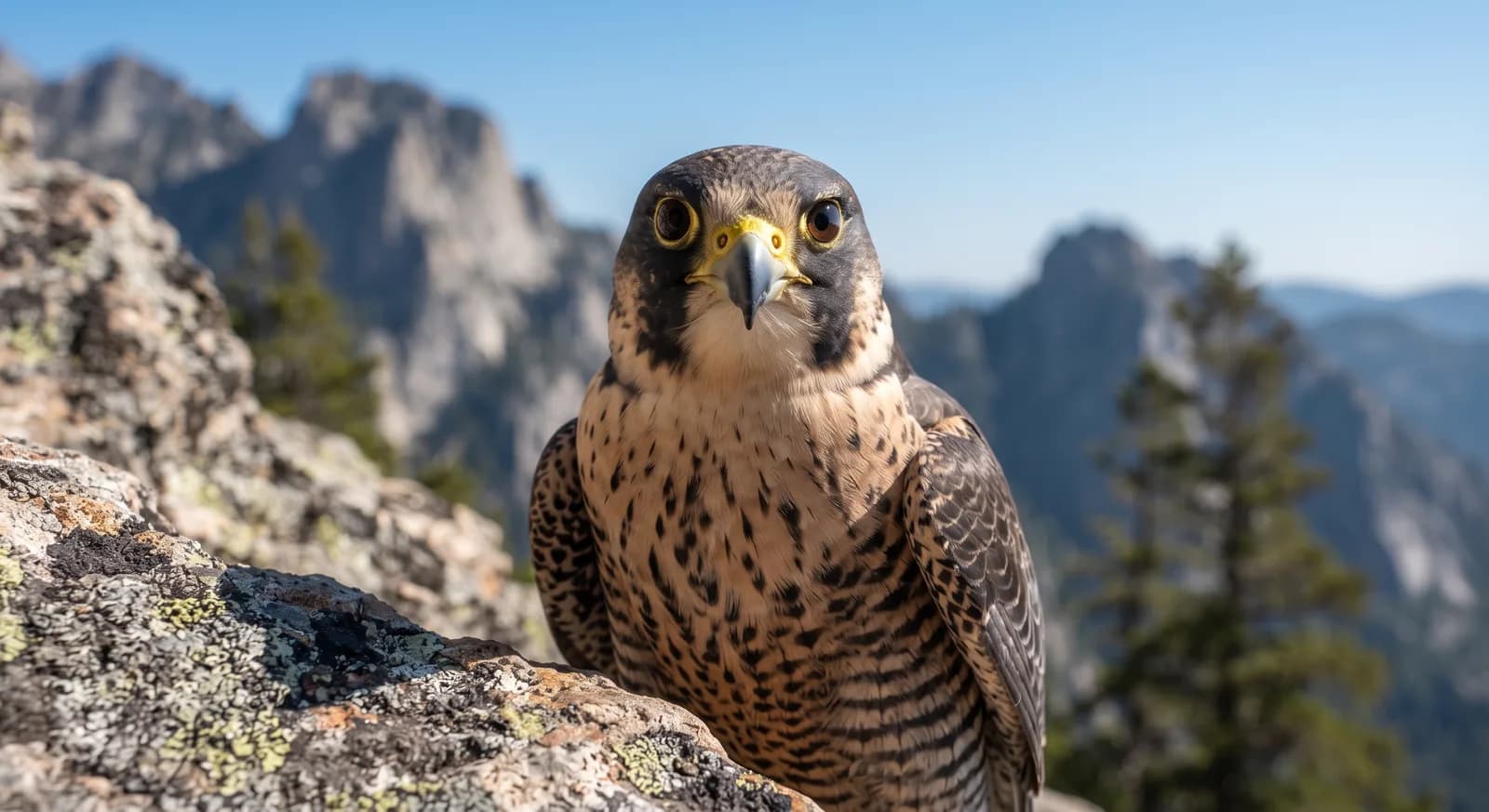
Vatican City is the smallest state in the world, at less than half a square kilometre, and a little more than half its surface is taken up by the Vatican Gardens, created in the thirteenth century and remodelled during the Renaissance. That walled enclosure works as a green island in the centre of Rome: it brings together stone pines, cypresses, holm oaks, palms and collections of plants that arrived from all over the world as diplomatic gifts, alongside a rose garden and a small Mediterranean wood. Its natural value is above all that of an urban refuge, with blackbirds, warblers, greenfinches, feral parakeets, garden dormice, bats and peregrine falcons that hunt above the domes. Like all of Rome, it forms part of the area that every winter receives enormous flocks of starlings from northern and eastern Europe.
The nature of Vatican City
National animal: No official national animal
Did you know?
In January 2014, two white doves released from a window of the Apostolic Palace as a symbol of peace were attacked in mid-flight over St Peter's Square by a yellow-legged gull and a hooded crow, in front of thousands of people. The images went round the world and the Vatican ended up replacing the release of doves with balloons, in an unintended lesson about Roman urban wildlife, where gulls have become habitual predators inland.
Biodiversity profile
Climate
- •Mediterraneo (Csa), identico al de Roma dado su enclave dentro de la ciudad
Main biomes
- •No aplica en sentido de bioma natural: el territorio es enteramente urbano, con jardines ajardinados (Jardines Vaticanos) como unico espacio verde significativo
- •Jardín histórico mediterráneo
- •Pinar urbano
- •Encinar ornamental
- •Muro y cornisa como hábitat rupícola
- •Parque arbolado urbano
Marine and coastal ecosystems
- •No aplica (pais sin litoral, enteramente urbano)
Flagship wildlife
- •Aves urbanas comunes de Roma (gorriones, palomas, vencejos) presentes en los Jardines Vaticanos
- •Halcón peregrino
- •Gaviota patiamarilla
- •Corneja cenicienta
- •Estornino pinto
- •Cotorra de Kramer
- •Lirón careto
- •Mirlo común
- •Vencejo común
- •Murciélago enano
- •Petirrojo europeo
Notable endemic species
- •No aplica: el Vaticano, como el estado soberano mas pequeño del mundo (0,44 km2) y enteramente urbanizado, no sostiene ecosistemas naturales ni especies endemicas propias
Notable threatened species
- •No aplica en terminos de biodiversidad silvestre propia
Notable protected areas
- •Jardines Vaticanos (espacio verde ajardinado, no area protegida en sentido ecologico)
- •Bosquete mediterráneo del Vaticano
- •Roseda de los Jardines Vaticanos
- •Cúpula de San Pedro como posadero de rapaces
Main conservation threats
- •No aplica en el sentido convencional de conservacion de biodiversidad, dado el caracter enteramente urbano del territorio
Conservation
The state has adopted ecological management criteria in its gardens, with a reduction in plant protection chemicals and the efficient use of water. Its natural role is that of a small refuge of urban biodiversity in the dense fabric of Rome.
Where and when to watch wildlife
The Vatican Gardens on a guided visit, in spring, for urban woodland birds. Winter dusks around the Tiber for the clouds of starlings. Domes and bell towers year-round for peregrine falcons and swifts.
El Vaticano es un caso atipico en esta base de datos: como estado enteramente urbano y el mas pequeño del mundo, no cuenta con ecosistemas naturales, fauna silvestre significativa ni datos de biodiversidad propios en fuentes cientificas o de conservacion. Se documenta aqui como excepcion, siguiendo el principio del proyecto de no inventar datos donde no existen.
Sources: Dato no disponible con precision en fuentes verificadas consultadas (pais sin perfil de biodiversidad natural propio)
Especies documentadas en Vatican City
58 species found
 Least Concern
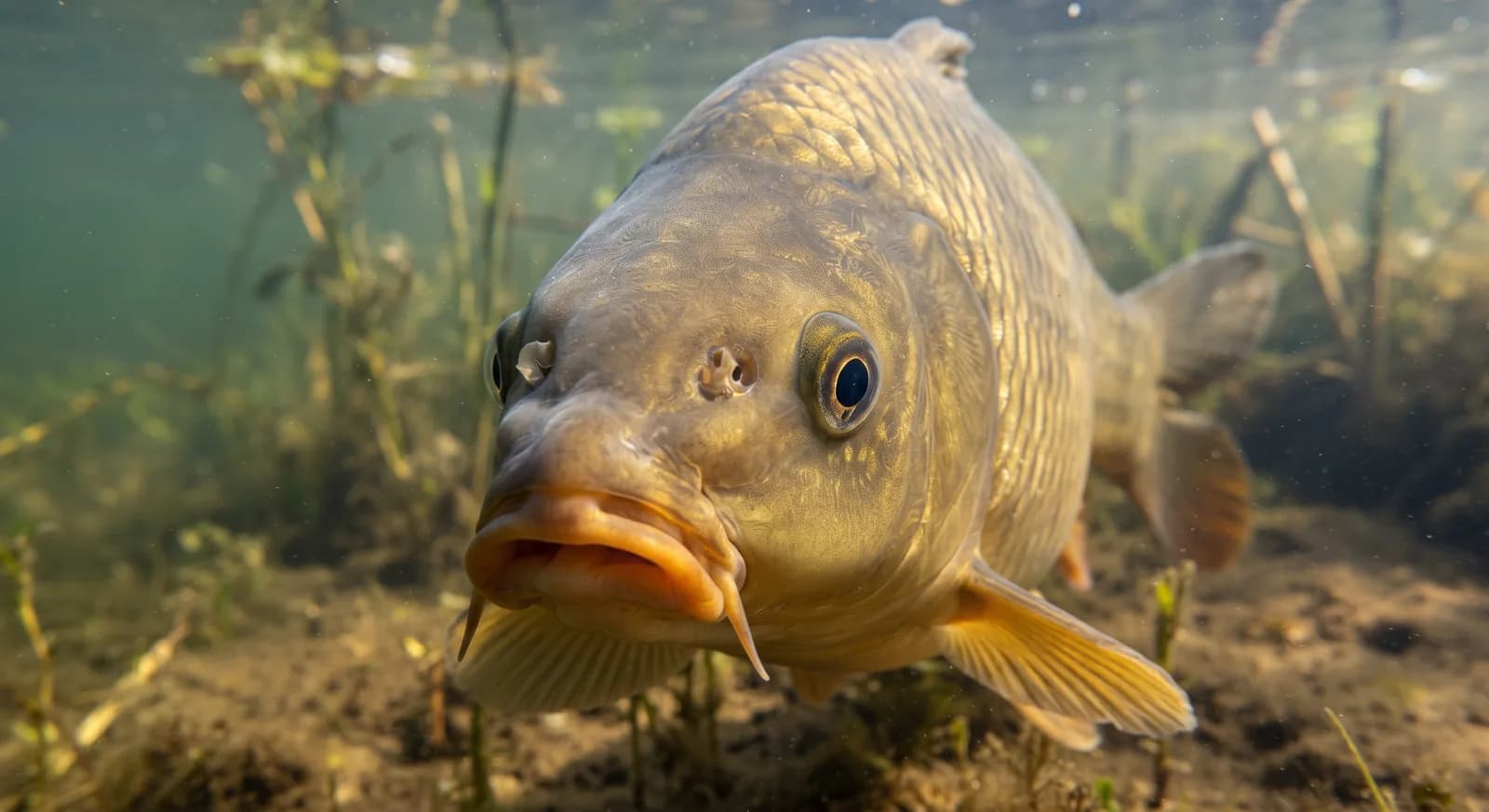
Common Carp
Cyprinus carpio
 Least Concern
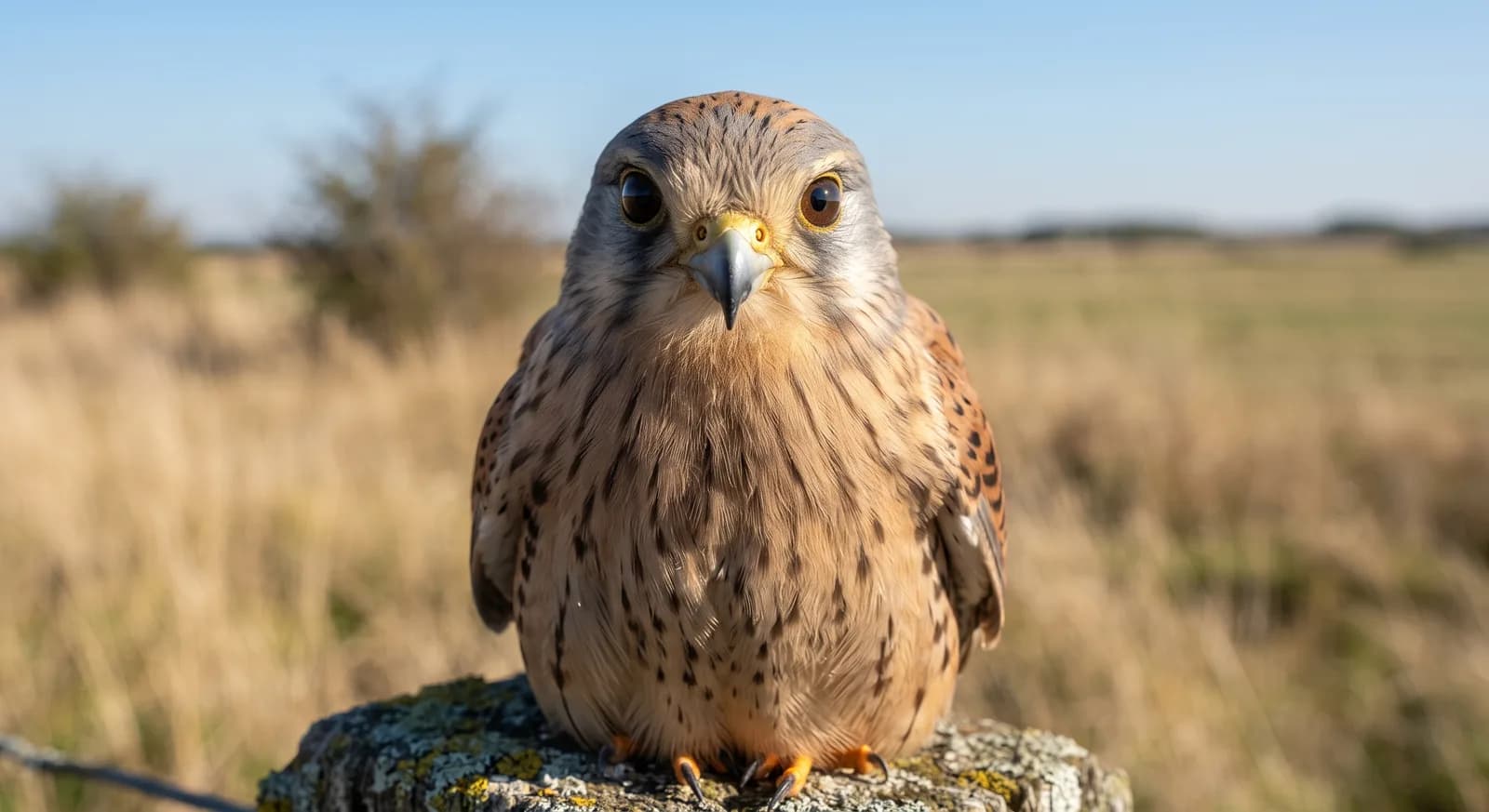
Common Kestrel
Falco tinnunculus
 Least Concern
Common Starling
Sturnus vulgaris
 Least Concern
Peregrine Falcon
Falco peregrinus
 Least Concern
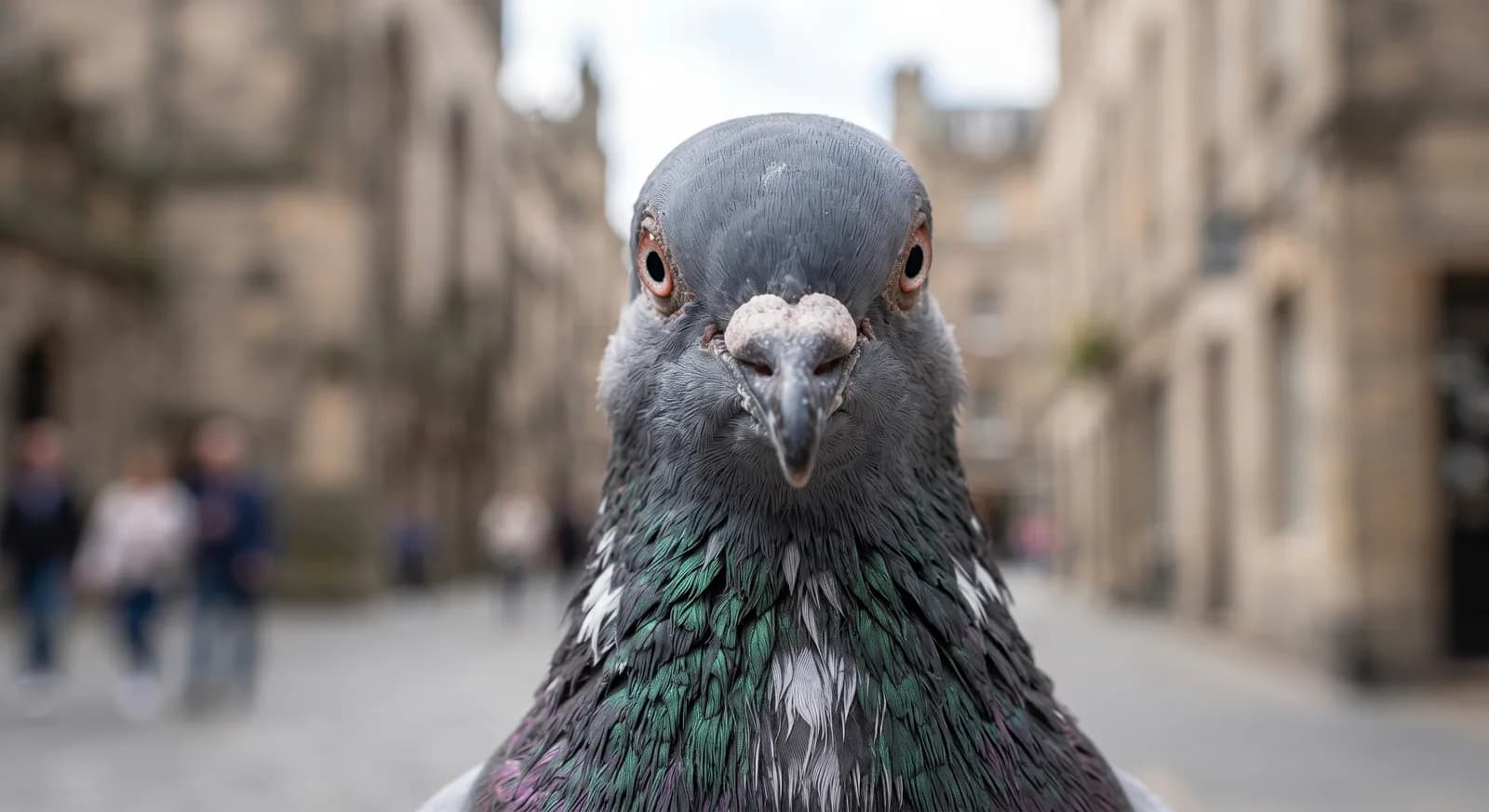
Rock Pigeon
Columba livia
 Least Concern
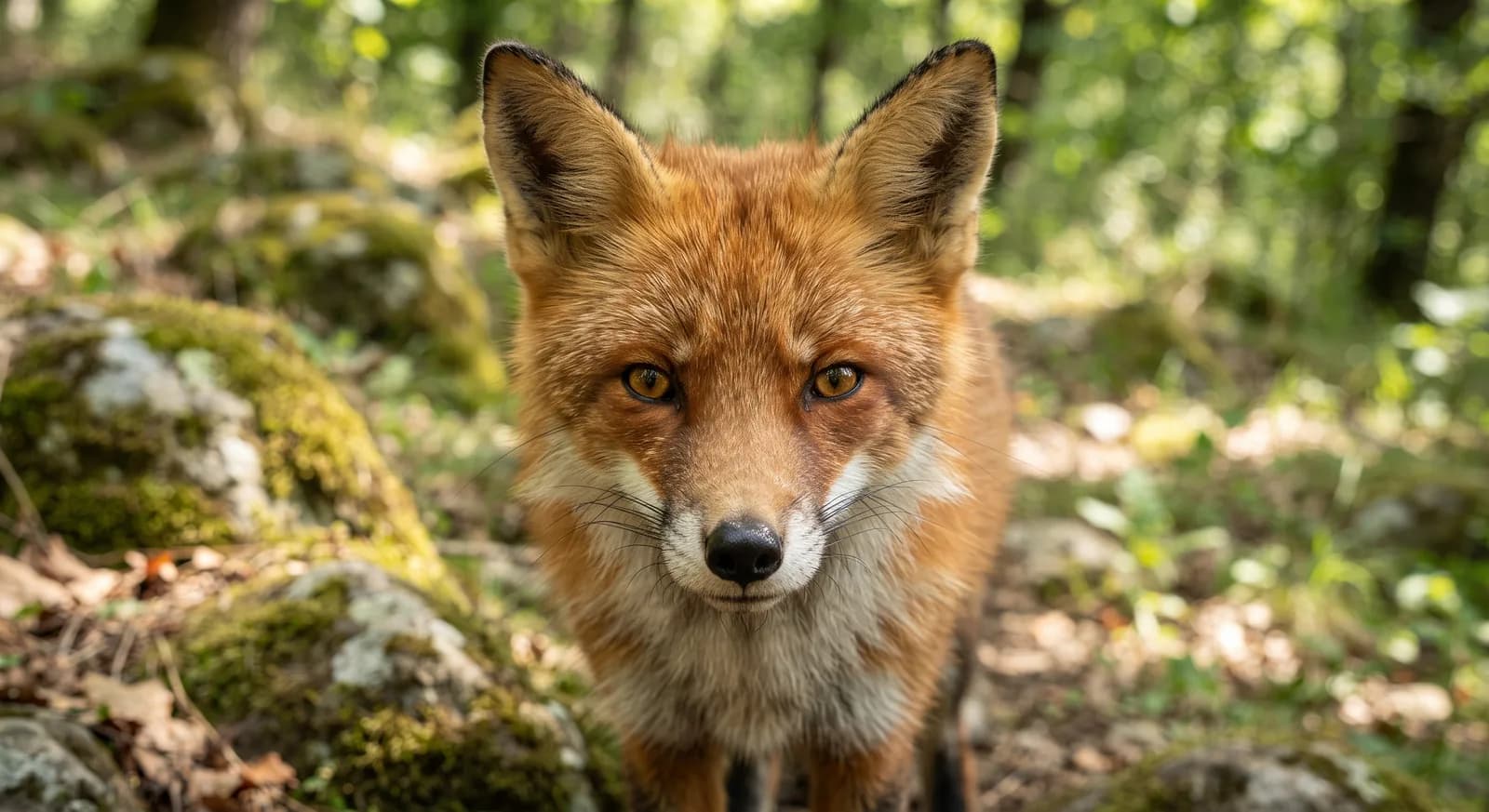
Red Fox
Vulpes vulpes
West European Hedgehog
Erinaceus europaeus
Eurasian Scops Owl
Otus scops
Common House Martin
Delichon urbicum
Great Tit
Parus major
Black Redstart
Phoenicurus ochruros
Least Weasel
Mustela nivalis
Keep exploring
Based on what we already know about Vatican City.