One of the 6 swifts on WAnimals
Birds · Caprimulgiformes · Apodidae
Common Swift
Apus apus
The species is abundant and widely distributed; it faces no significant short-term risk. See full glossary
The common swift is an apodiform bird of the family Apodidae native to Eurasia and Africa.
Weight
38 g on average
Size
16 cm – 17 cm
Lifespan
21 years
Diet
Carnivore
Feeds mainly on other animals.
Activity
Diurnal
Active mainly during the day.
Social structure
Colony
Lives in large concentrations, often for breeding reasons.
Sighting difficulty
Easy
Estimated population
Between 95 and 165 million mature individuals; the European population totals 19.1-32.5 million pairs
Fun facts
- locomociónIt can stay airborne for months on end, even sleeping and mating on the wing.
- It can spend up to ten months at a stretch on the wing: it feeds, sleeps and mates in flight, and only comes down to breed. At night it climbs to around 2,000 m and sleeps on the wing, slowing its wingbeat from ten to seven beats per second.
Life cycle & biology
- Skeleton type
- Vertebrate - internal bony skeleton (bird)
- Habitat & environment
- It breeds in cavities in buildings, under eaves, and on rock faces and sea cliffs; the rest of the time it lives on the wing
- Size at birth
- Eggs of 3.2 to 4.2 g; the chicks stay between 35 and 59 days in the nest and leave it flying, never to return
- Sexual maturity
- 2 years
- Gestation / incubation
- 19-21 days of incubation
- Litter / clutch size
- 2-3 eggs, with a single clutch a year
Sources consulted: https://es.wikipedia.org/wiki/Apus_apus
Where to find it
See its range on the interactive mapBest time: From May to August, when it breeds and chases insects in flight over towns and cities
Where to watch it
Parques y spots de buceo donde se ha documentado esta especie — se muestran 10 de 253 documentados.
Related species
Other species in the catalogue with the most in common with Common Swift — same habitat, park, country, tags or family.
Pallid Swift
Apus pallidus
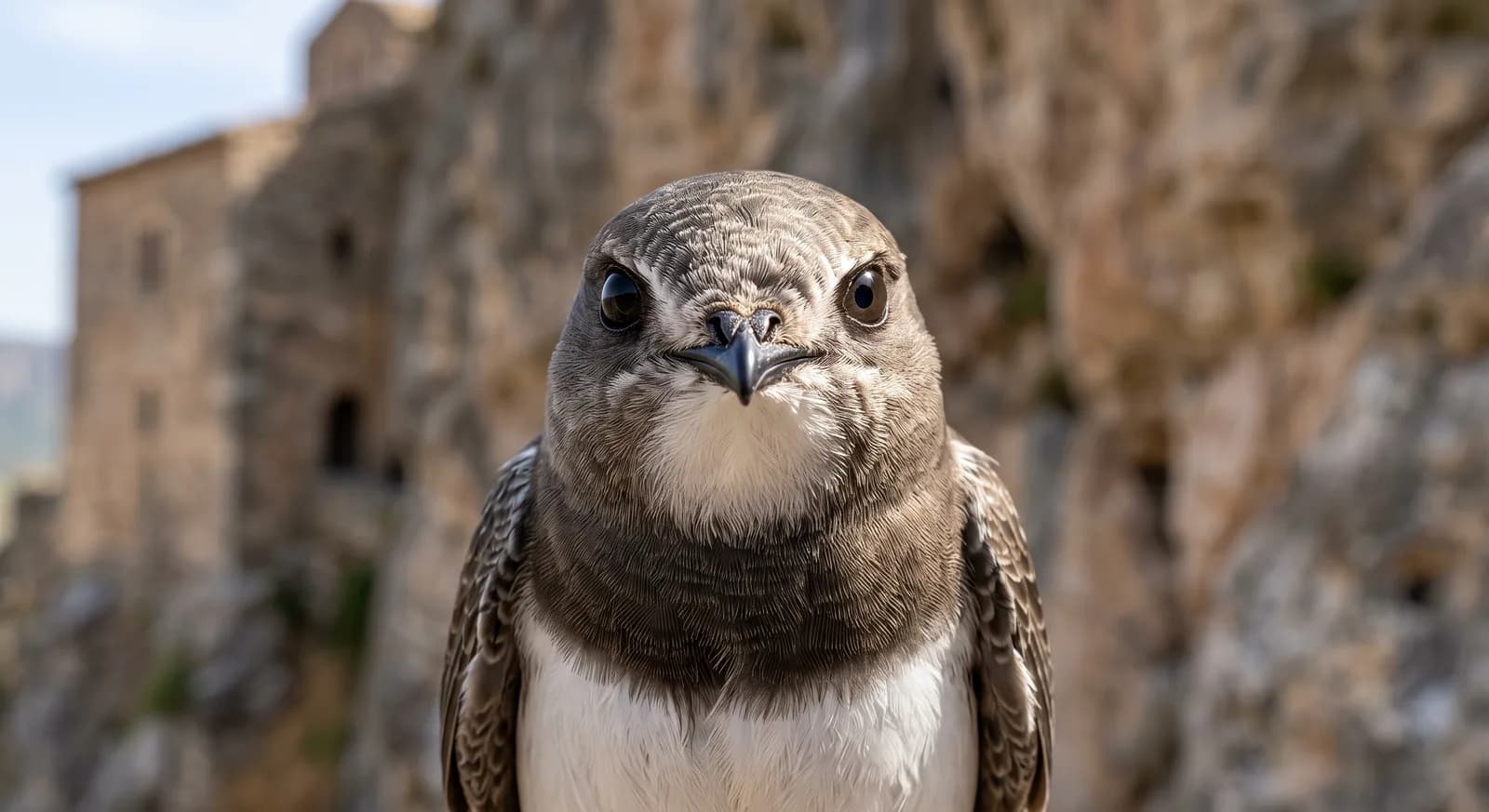 Least Concern
Alpine Swift
Tachymarptis melba
Great Black-backed Gull
Larus marinus
Razorbill
Alca torda
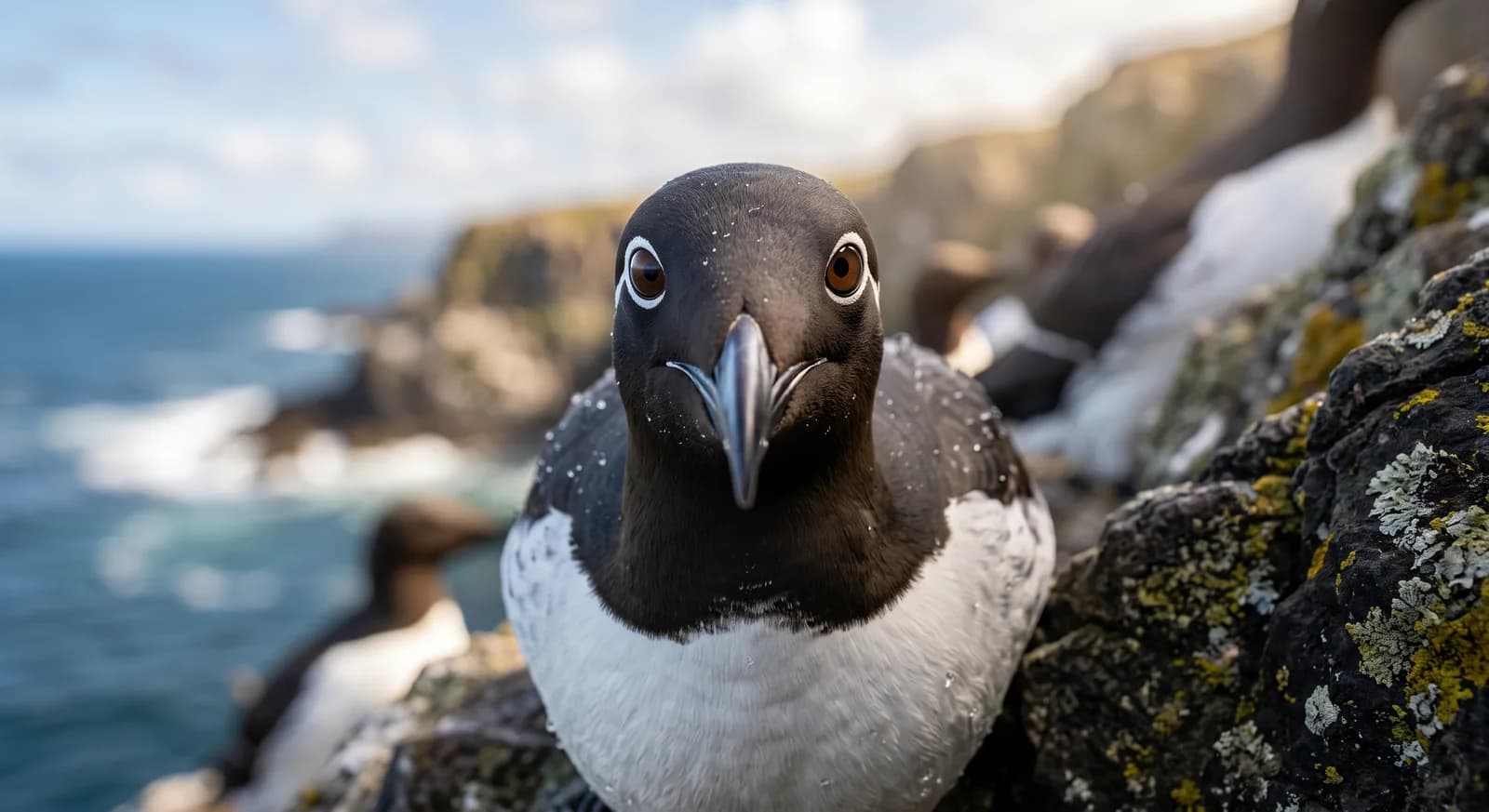 Least Concern
Common Murre
Uria aalge
 Least Concern
Pied Avocet
Recurvirostra avosetta
Keep exploring
Based on what we already know about common swift.
Comments
Share an experience, a fun fact or a tip for seeing the common swift.
Be the first to comment.