One of the 6 swifts on WAnimals
Birds · Caprimulgiformes · Apodidae
Pallid Swift
Apus pallidus
The species is abundant and widely distributed; it faces no significant short-term risk. See full glossary
The pallid swift is practically identical to the common swift but of a slightly browner tone and with a paler throat. It is one of the most aerial birds in the world: it eats, drinks, mates and sleeps in flight, and only lands to breed. In Spain it is abundant in cities in the south and along the Mediterranean coast. Unlike the common swift, many pairs raise two broods a season and some individuals winter in the south of the peninsula.
Weight
32 g – 49 g
Size
16 cm – 18 cm
Lifespan
15 years
Diet
Insectivore
Feeds mainly on insects and other invertebrates.
Activity
Diurnal
Active mainly during the day.
Social structure
Colony
Lives in large concentrations, often for breeding reasons.
Sighting difficulty
Easy
Fun facts
- GeneralVery like the common swift, but rather slower in flight and browner.
- It can go months on end without landing: it eats, drinks, mates and sleeps in flight, climbing at dusk to more than two thousand metres to spend the night gliding half asleep.
- Its legs are so short and its wings so long that if it falls to the ground it has difficulty taking off, which is why every summer hundreds of young swifts fallen from nests are picked up in Spanish cities.
Life cycle & biology
- Skeleton type
- Vertebrate - internal bony skeleton (bird)
- Habitat & environment
- Sea cliffs, rock faces and buildings of towns and cities of the Mediterranean basin
- Sexual maturity
- 2 years
- Gestation / incubation
- 20 days of incubation
- Litter / clutch size
- 2 eggs
Sources consulted: https://www.iucnredlist.org/ | https://animaldiversity.org/ | https://es.wikipedia.org/
Where to find it
See its range on the interactive mapWhere to watch it
Parques y spots de buceo donde se ha documentado esta especie — se muestran 10 de 33 documentados.
Related species
Other species in the catalogue with the most in common with Pallid Swift — same habitat, park, country, tags or family.
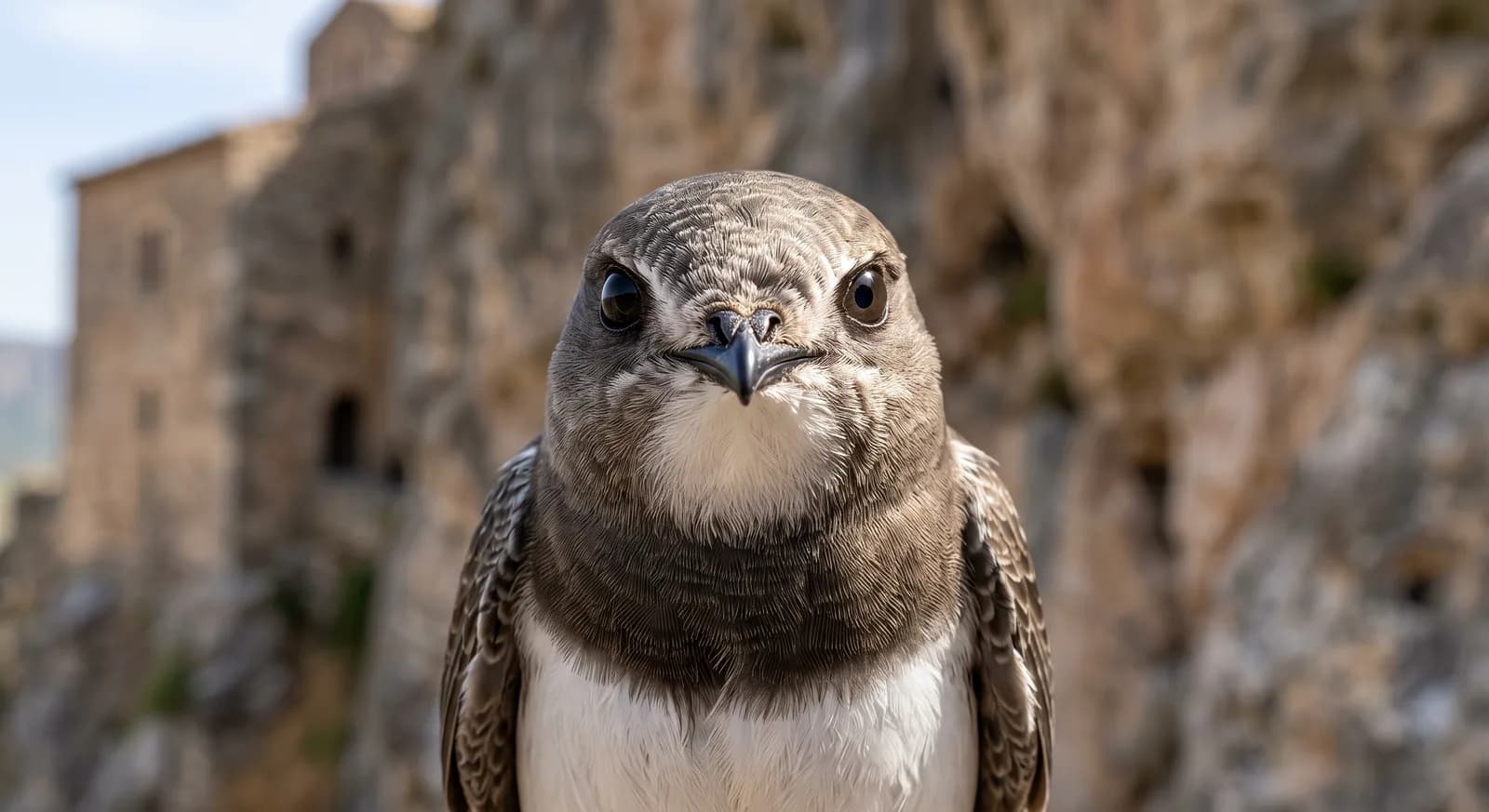 Least Concern
Alpine Swift
Tachymarptis melba
Common Swift
Apus apus
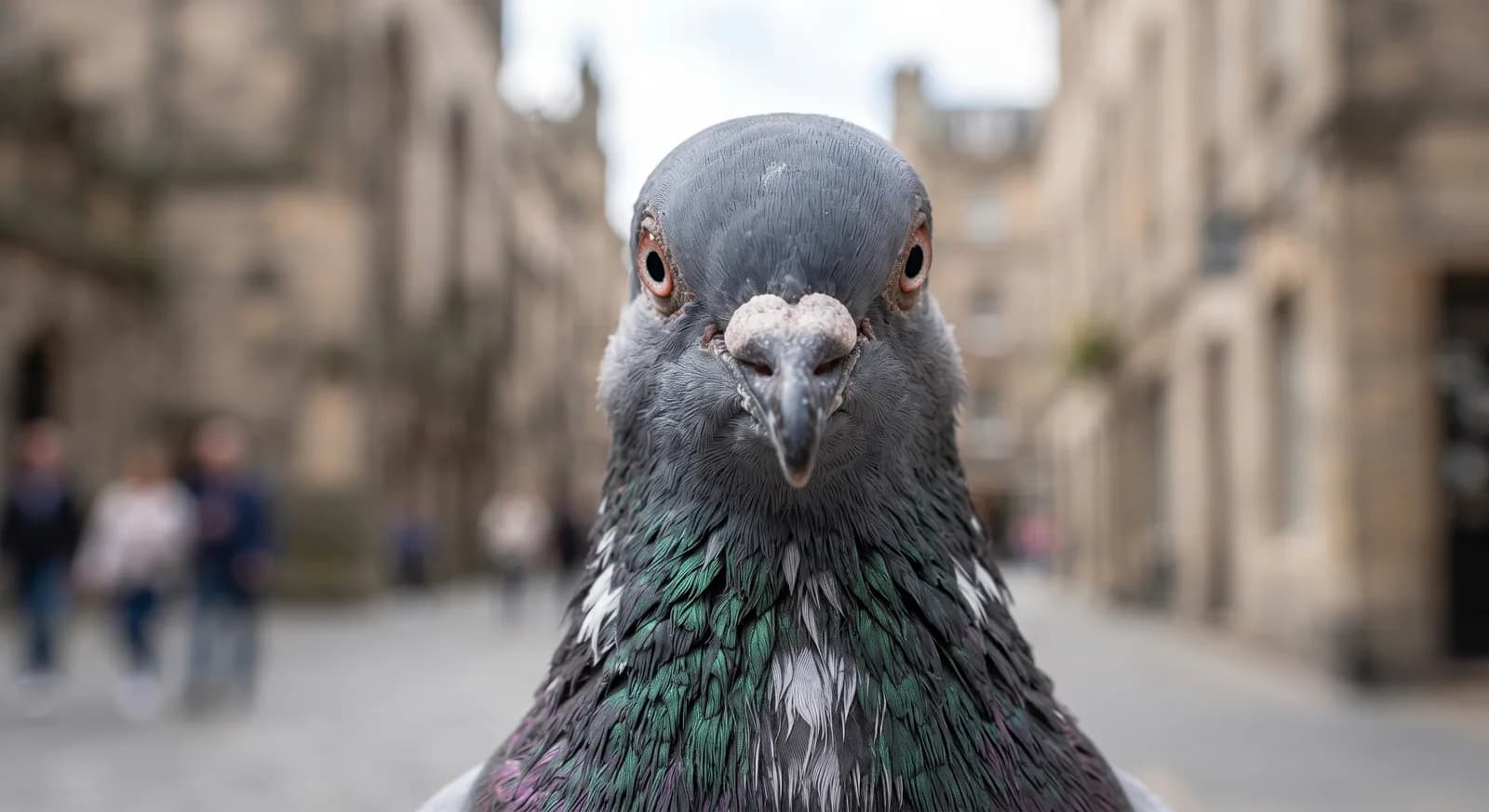 Least Concern
Rock Pigeon
Columba livia
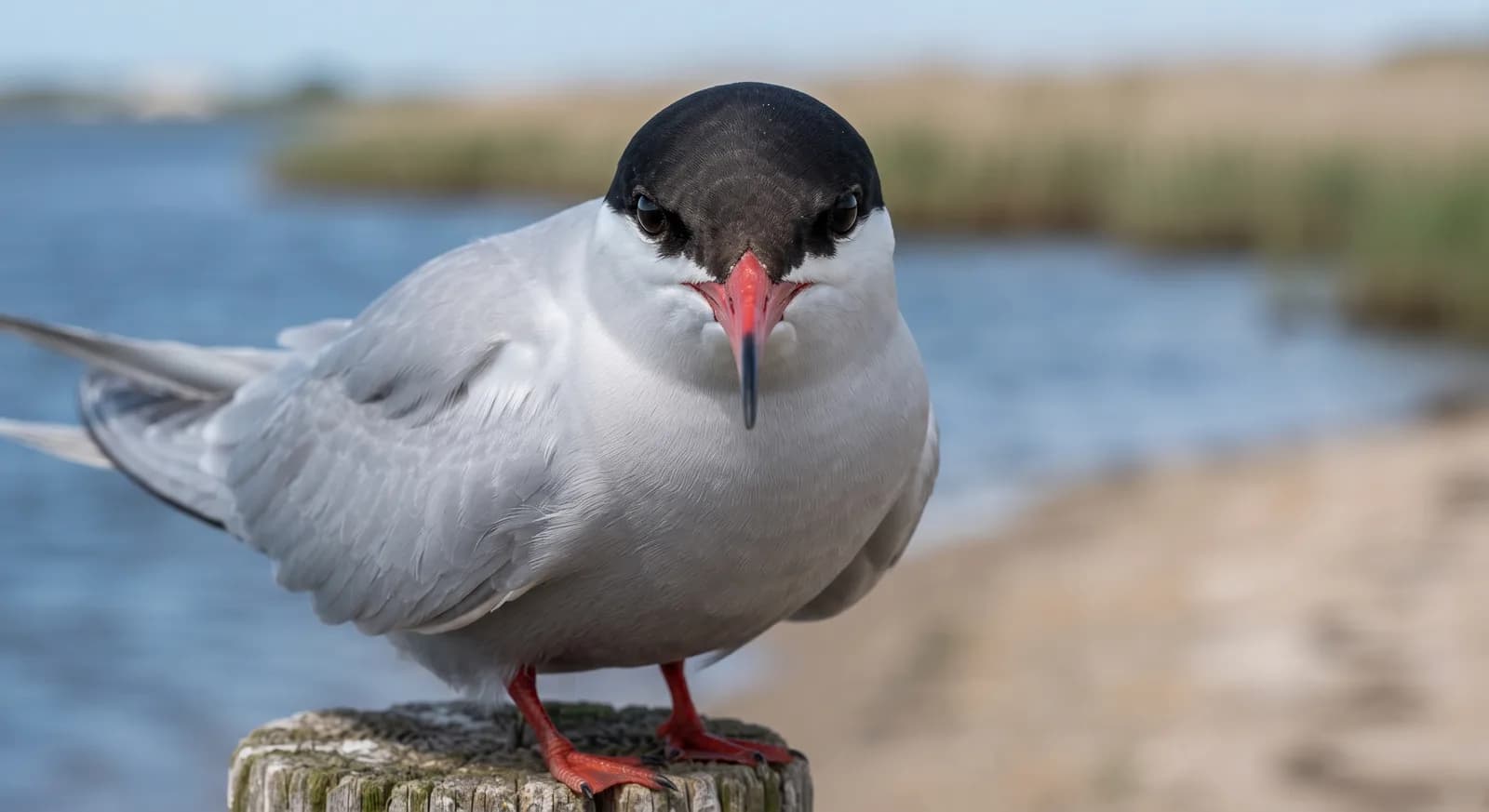 Least Concern
Common Tern
Sterna hirundo
Sanderling
Calidris alba
Razorbill
Alca torda
Keep exploring
Based on what we already know about pallid swift.
Comments
Share an experience, a fun fact or a tip for seeing the pallid swift.
Be the first to comment.