 Least Concern
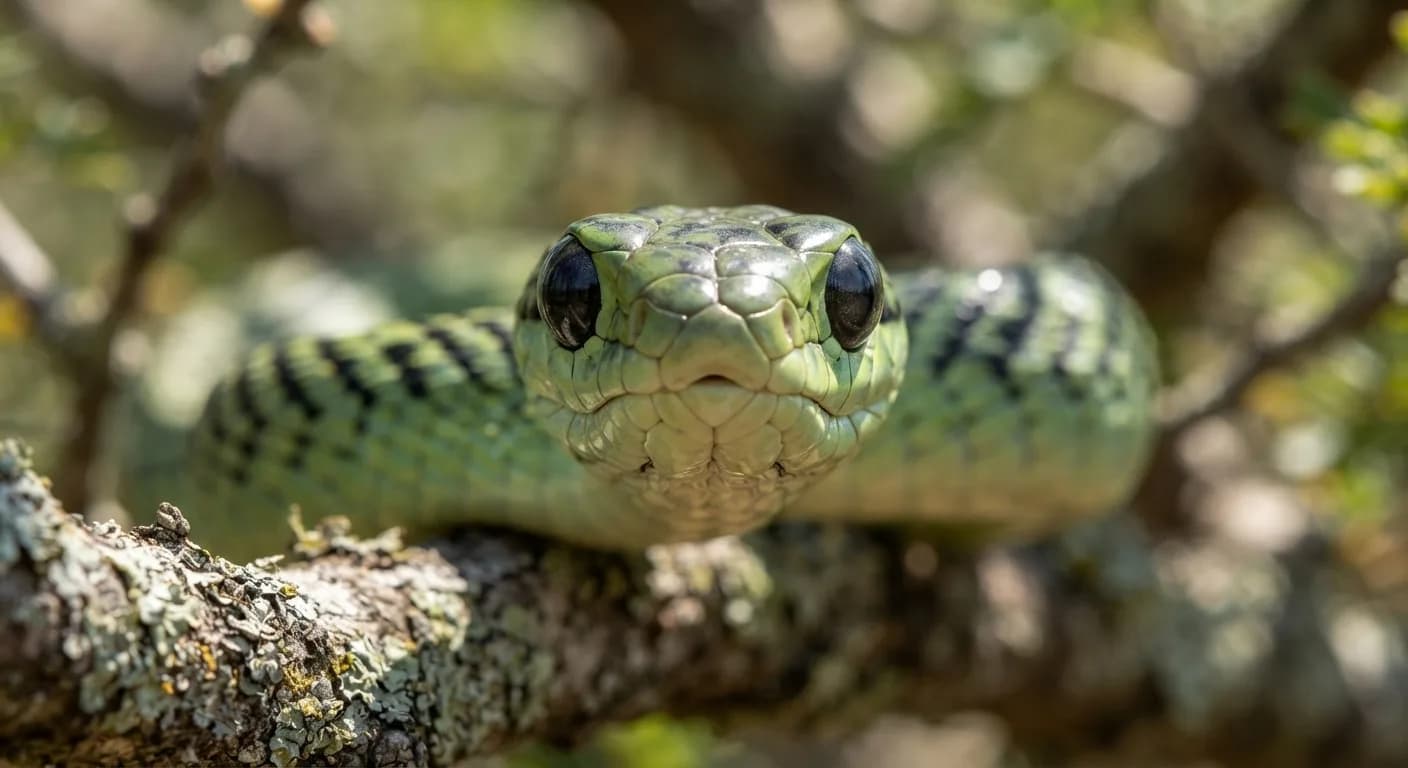
Boomslang
Dispholidus typus
The oldest and largest confirmed meteorite impact crater on Earth, 2,023 million years old.
Area
300 km²
Designated in
2005
Region
Southern Africa
The central uplift of an astrobleme with a 190 km radius
The Vredefort Dome, some 120 kilometres south-west of Johannesburg, in Free State province, is the representative part of a much larger meteorite impact structure. It dates from 2,023 million years ago, with a margin of error of four million, and is the oldest confirmed astrobleme on Earth. With an impact radius of 190 kilometres it is also the largest and the most deeply eroded.
The meteorite that formed it measured more than ten kilometres across and may have struck at some twenty kilometres per second. The original crater may have exceeded three hundred kilometres in width. What is visible today is the eroded remnant of the central uplift: the underlying granite that rose in the centre of the crater after the impact tore away whole layers of rock. It is the record of the greatest known single-event energy release in the planet's history, with devastating global effects that, according to some scientists, brought about important evolutionary changes.
Its scientific value lies in offering an exceptional exposure of the structures found at great depth beneath large impact craters and inaccessible anywhere else in the world: it is the only terrestrial example that provides a complete geological profile of an astrobleme below the crater floor. In the outcrops one can identify shatter cones, impact melt — the Vredefort granophyre — pseudotachylite breccias and high-pressure quartz polymorphs such as coesite and stishovite. Billions of years of erosion have made the structure almost unrecognisable from the ground, and it was identified only from images taken from space. It was inscribed on the World Heritage List in 2005 under criterion (viii).
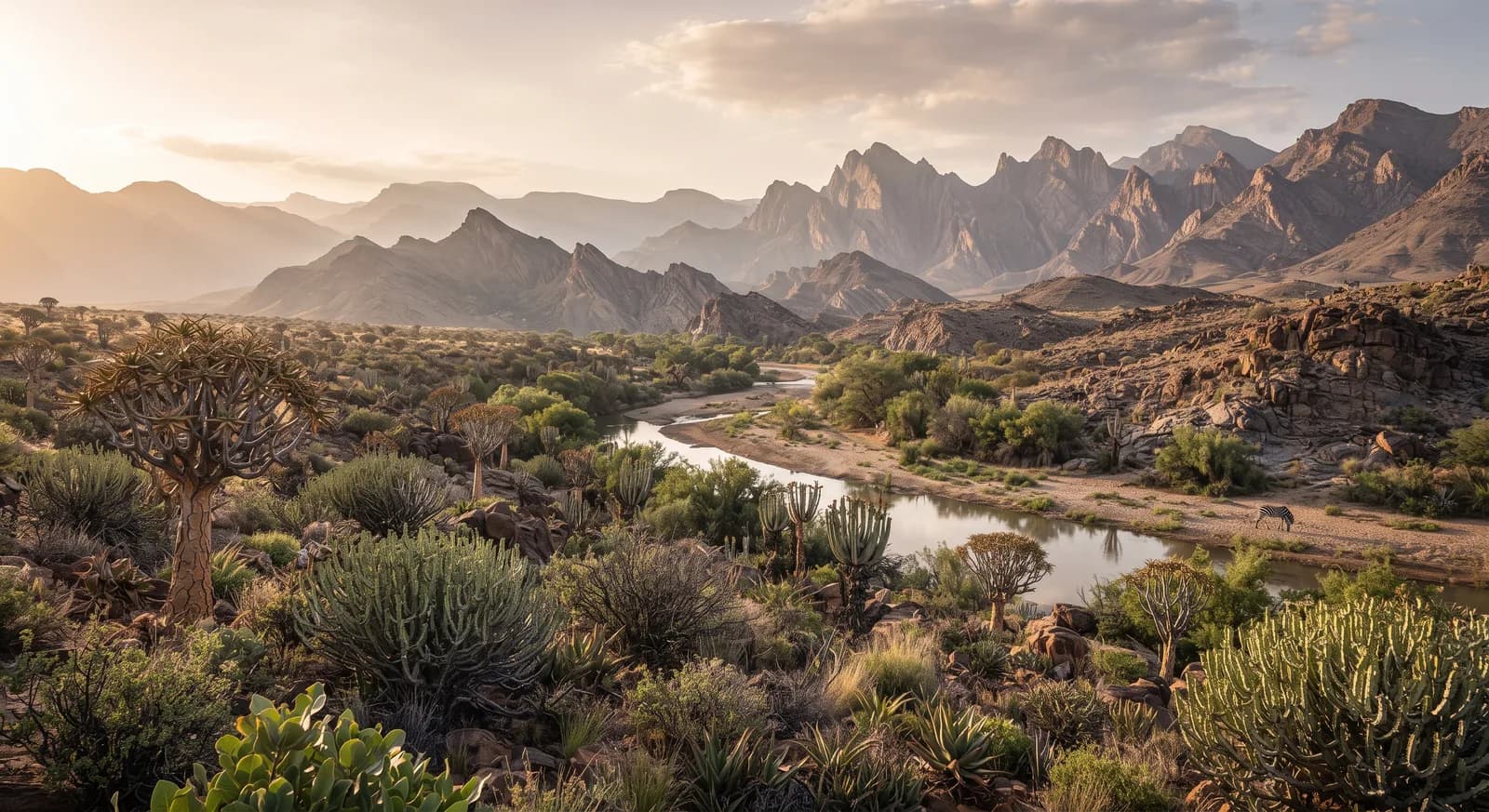
Ecosystems found in South Africa, where Vredefort Dome lies.
What is worth looking out for this month in South Africa?
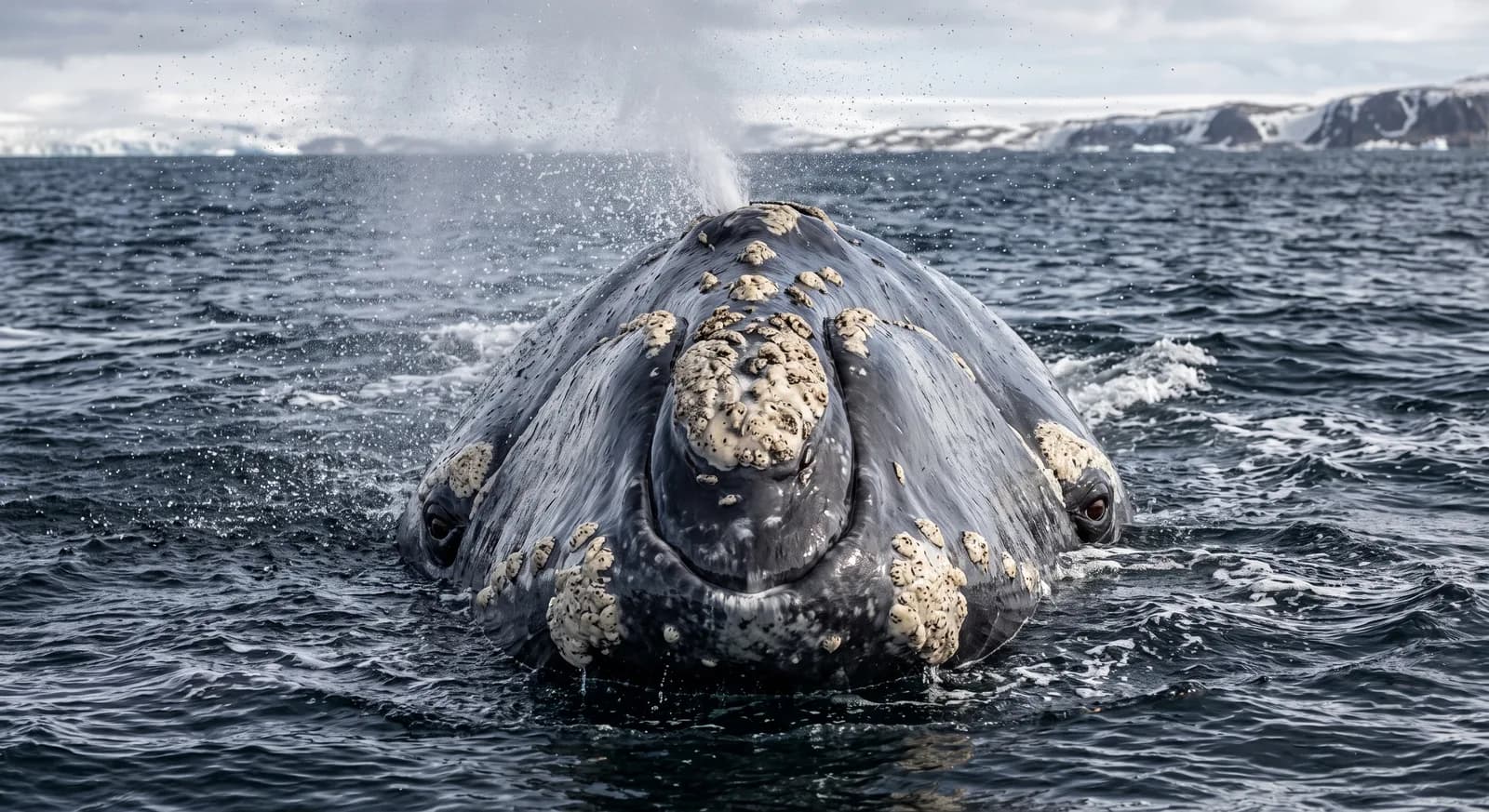
Now is a good time: Southern right whales at Hermanus (June to November (peak August to October))
Which other parks are like this one?
Same country: South Africa
Same country: South Africa
Same country: South Africa
Same country: South Africa
Based on what we already know about this park.
Share your experience visiting Vredefort Dome, or a tip for other travellers.
Be the first to comment.
Climate
Tropical, Arid / desert, Temperate, Mediterranean
Best season
May to September
 South Africa